
The Ultimate Challenge - Gardening in Urban Rooftops

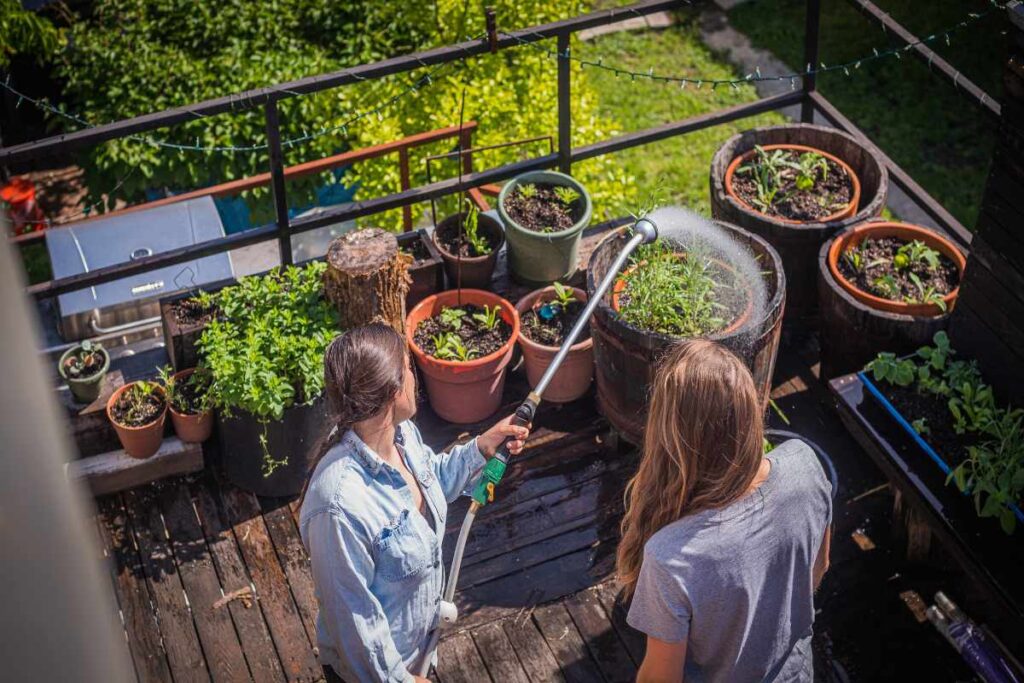
Urban rooftop gardening is becoming an inspiring trend for city dwellers who crave a green space amid concrete jungles.
Growing plants on rooftops isn’t just about aesthetics—it can improve air quality, reduce heat, and provide fresh produce.
However, this venture comes with unique hurdles that require creativity, patience, and practical solutions.
With the right approach, even the smallest rooftop can be transformed into a thriving oasis above the city.
Getting Started with Rooftop Gardening
Starting a rooftop garden demands a thoughtful approach. The first step is assessing the space, including the structure’s weight capacity and sunlight exposure.
Unlike traditional gardens, rooftops often have limited soil depth, uneven surfaces, and intense weather conditions. These factors influence which plants will thrive and how the garden should be arranged.
Securing proper containers or raised beds is essential since natural soil is usually unavailable. Lightweight materials like plastic or fabric pots work well, but they must provide good drainage.
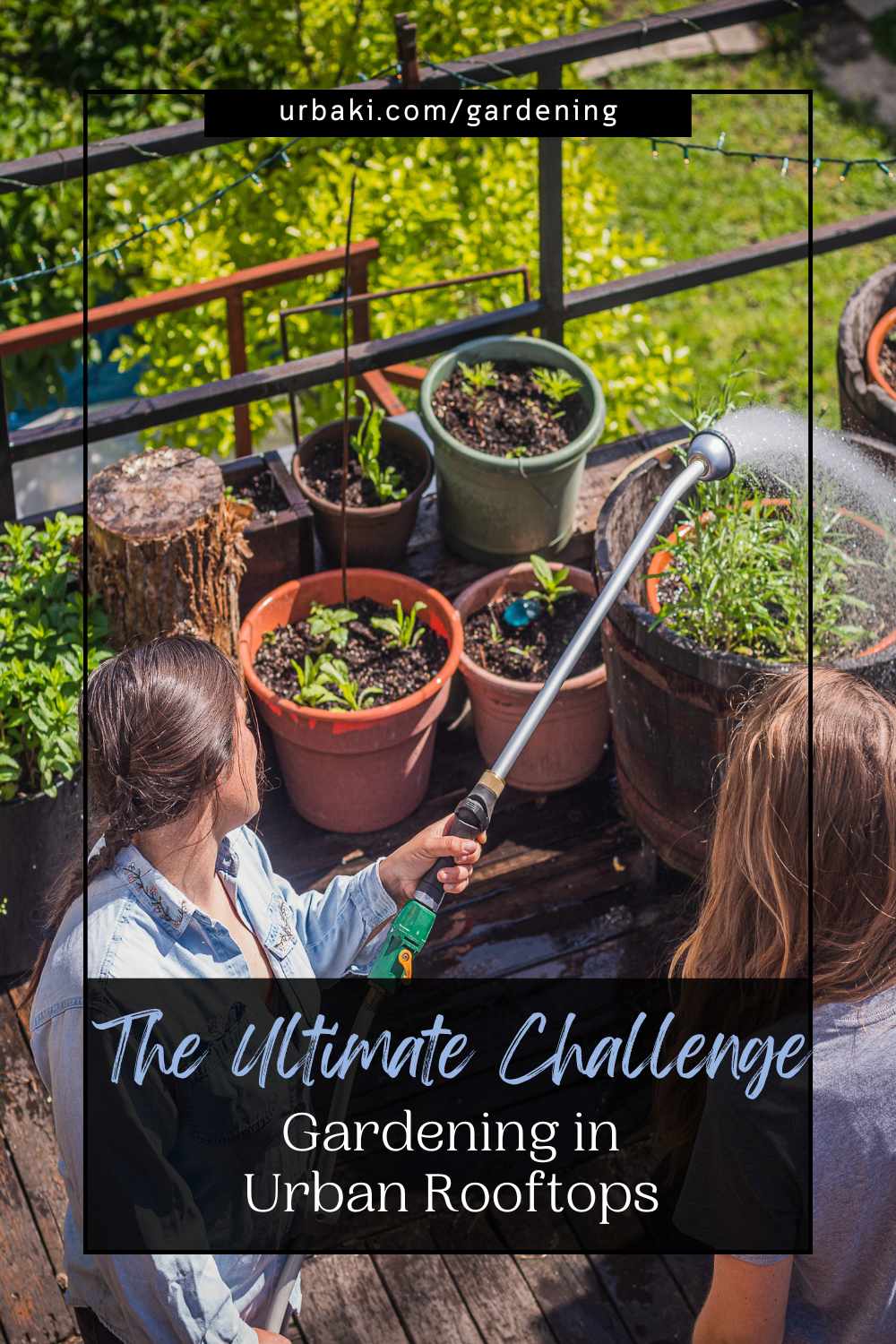
Additionally, a watering system needs careful planning—manual watering can be tedious, so drip irrigation or self-watering containers are popular choices.

Choosing Suitable Plants for Elevated Spaces
Plants that flourish on rooftops tend to be hardy, drought-tolerant, and able to withstand strong winds. Succulents, herbs like rosemary and thyme, and certain vegetables such as cherry tomatoes or peppers can thrive in these conditions.
Mixing flowering plants that attract pollinators adds beauty and ecological benefits.
Another key consideration is plant height and root depth, especially when working with shallow containers. Plants with compact growth habits are ideal.
Moreover, incorporating vertical gardening techniques like trellises or hanging planters maximizes space without overcrowding.
Managing Sunlight and Wind Exposure
Rooftops often experience more intense sun exposure and stronger winds than ground-level gardens. These conditions can stress plants and dry out the soil quickly.
To combat this, shade cloths or strategically placed taller plants can provide relief from harsh sunlight during peak hours.
Windbreaks, such as lattice panels or temporary screens, help shield delicate foliage and prevent soil erosion. Securing pots firmly is necessary to avoid accidents on windy days.
Mulching is also effective for retaining moisture and protecting roots from temperature fluctuations.
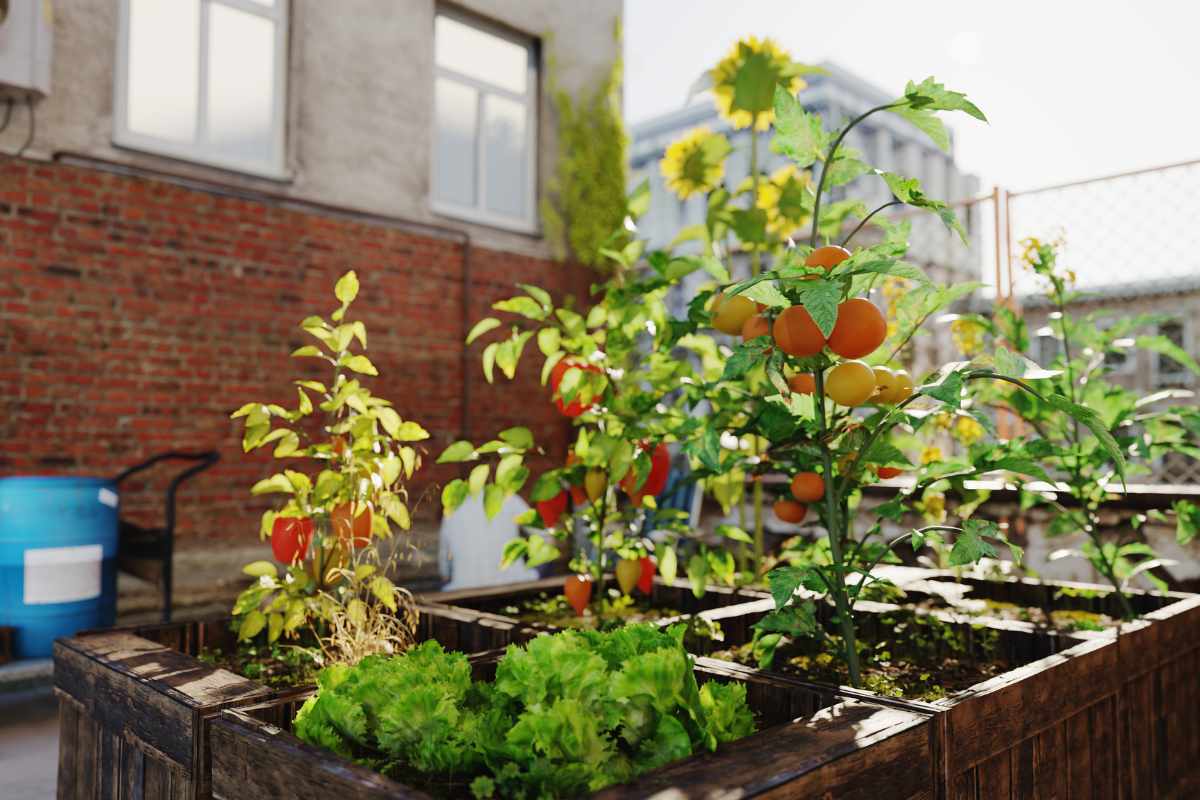
Soil and Nutrient Strategies for Rooftop Plants
Since rooftop gardens rely on containers, soil quality plays a critical role in plant health. Using a high-quality potting mix rich in organic matter supports nutrient retention and root growth.
Adding compost or slow-release fertilizers can supply essential nutrients without overwhelming the plants.
Regular monitoring of soil moisture and nutrient levels is vital because containers tend to dry faster and lose nutrients more quickly than ground soil.
Testing and adjusting the soil mix periodically ensures plants stay nourished and resilient throughout the growing season.
Water Conservation and Efficient Irrigation
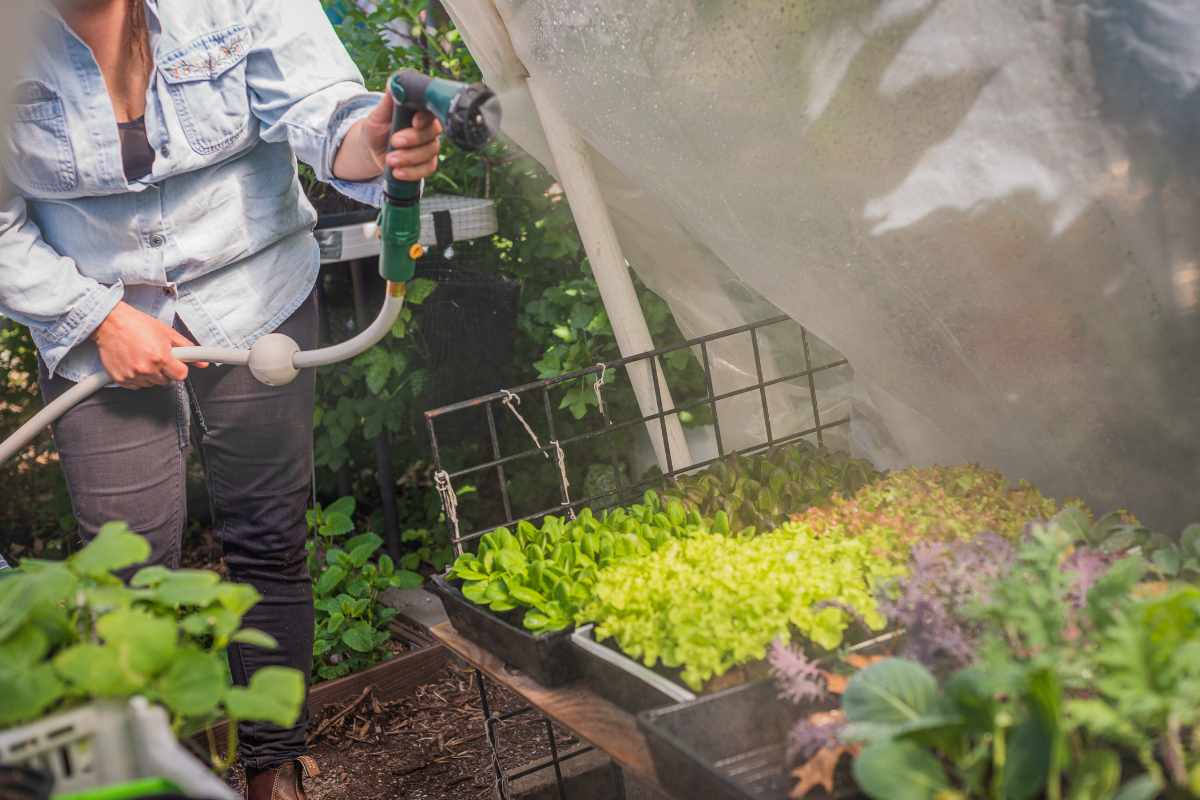
Watering rooftop plants requires balance. Too little water stresses the plants, but too much can cause root rot or waste precious resources. Using efficient watering methods like drip irrigation targets the roots directly and reduces evaporation.
Self-watering containers or reservoirs can help maintain consistent moisture levels, especially during hot summer months or periods away from home.
Collecting rainwater through barrels or simple catchment systems is an eco-friendly way to supplement irrigation needs and reduce reliance on municipal water.
Creating a Functional and Comfortable Rooftop Space
Beyond growing plants, the rooftop can become a welcoming retreat with thoughtful design. Adding seating areas, decorative pots, and ambient lighting encourages spending time outdoors and enjoying the garden’s benefits.
Incorporating multifunctional furniture or foldable pieces helps maintain flexibility in small spaces.
Using natural materials and green accents contributes to a calming atmosphere that contrasts with the urban environment below.
Overcoming Structural and Safety Concerns
Ensuring the rooftop can safely support the garden’s weight is paramount. Consulting with building professionals before adding heavy soil beds or water features prevents potential damage or accidents.
Weight limits vary depending on construction, so careful planning avoids costly mistakes.
Safety barriers or railings are necessary for protecting gardeners and guests. Non-slip surfaces and clear pathways reduce the risk of falls.
Accessibility considerations, such as easy-to-move containers or raised beds at comfortable heights, make gardening enjoyable and sustainable.
Seasonal Changes and Maintenance Tips
Rooftop gardens face rapid changes with the seasons. Summer heat, winter frost, and spring rains all impact plant health differently. Choosing seasonal plants and rotating crops maintains productivity and reduces pest problems.
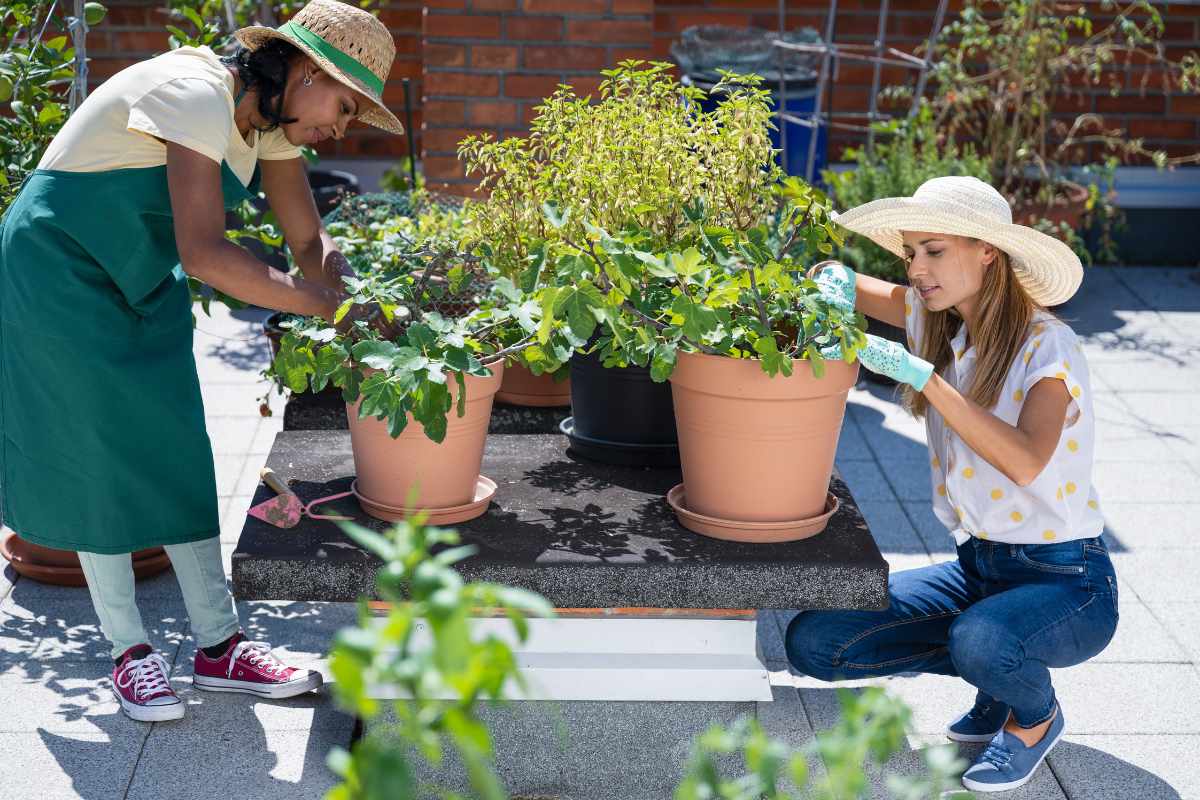
Regular maintenance tasks include pruning, checking for pests, and replenishing soil nutrients. Keeping the space tidy and well-organized prevents damage and makes each visit pleasant.
Seasonal decorations or plant swaps can refresh the look and feel of the garden year-round.
Community and Environmental Benefits of Rooftop Gardens
Beyond personal enjoyment, rooftop gardens offer broader advantages. They contribute to urban biodiversity by providing habitats for pollinators and birds.
Green spaces reduce heat island effects, cool city environments, and improve air quality.
Engaging neighbors or local groups in rooftop gardening projects fosters community connections and shared learning. These green oases become symbols of sustainability and resilience in fast-paced urban life.
Did you find this post useful or inspiring? Save THIS PIN to your GARDEN Board on Pinterest!
More Gardening Tips 👇🏼👇🏼