
Traditional Japanese Gardening Principles Explained

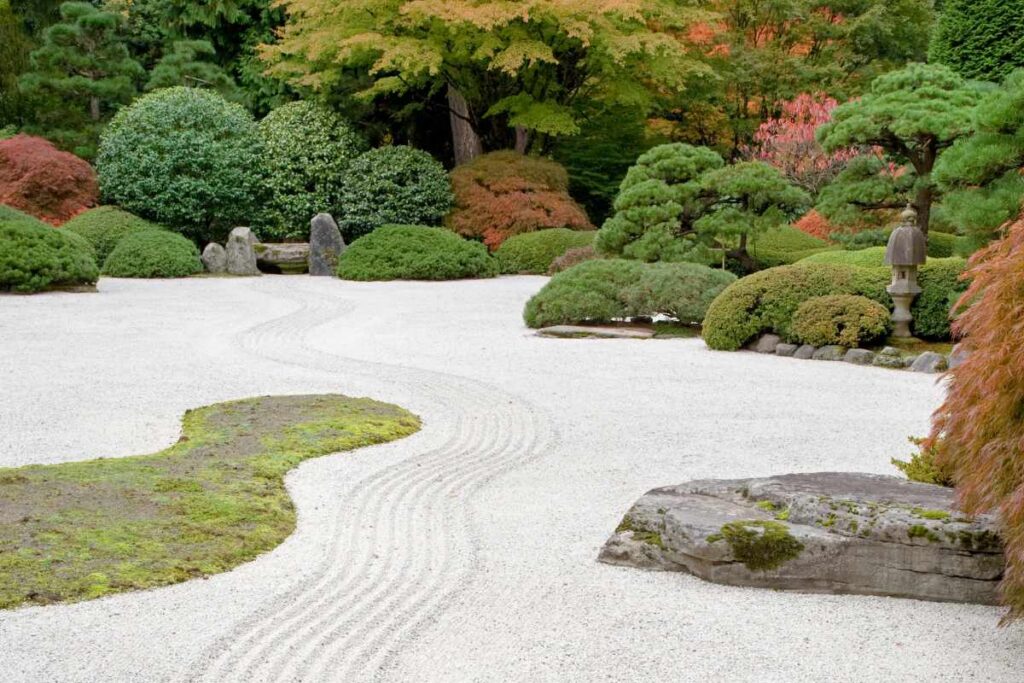
Japanese gardens are celebrated around the world for their serene beauty, harmony, and deep connection to nature.
But beyond the elegant arrangements of rocks, water, and plants lies a set of timeless principles that guide every design decision. These foundations are not about decoration—they’re about creating balance, meaning, and tranquility.
Whether you're looking to build your own Japanese-inspired space or simply understand the deeper layers behind this art form, exploring these traditional gardening principles offers a powerful new perspective.
Shizen: Embracing Naturalness
At the heart of Japanese garden design is shizen, which means naturalness—not wild or untamed, but a kind of effortless harmony. The idea is to create a space that looks untouched by human hands, even though it’s carefully shaped.
Instead of rigid symmetry or artificial patterns, plants and stones are arranged in a way that mimics the flow of nature. Trees may lean slightly, paths curve gently, and no two elements look exactly alike.
This approach invites viewers to slow down and observe details they might otherwise miss.
Kanso: Simplicity Without Clutter
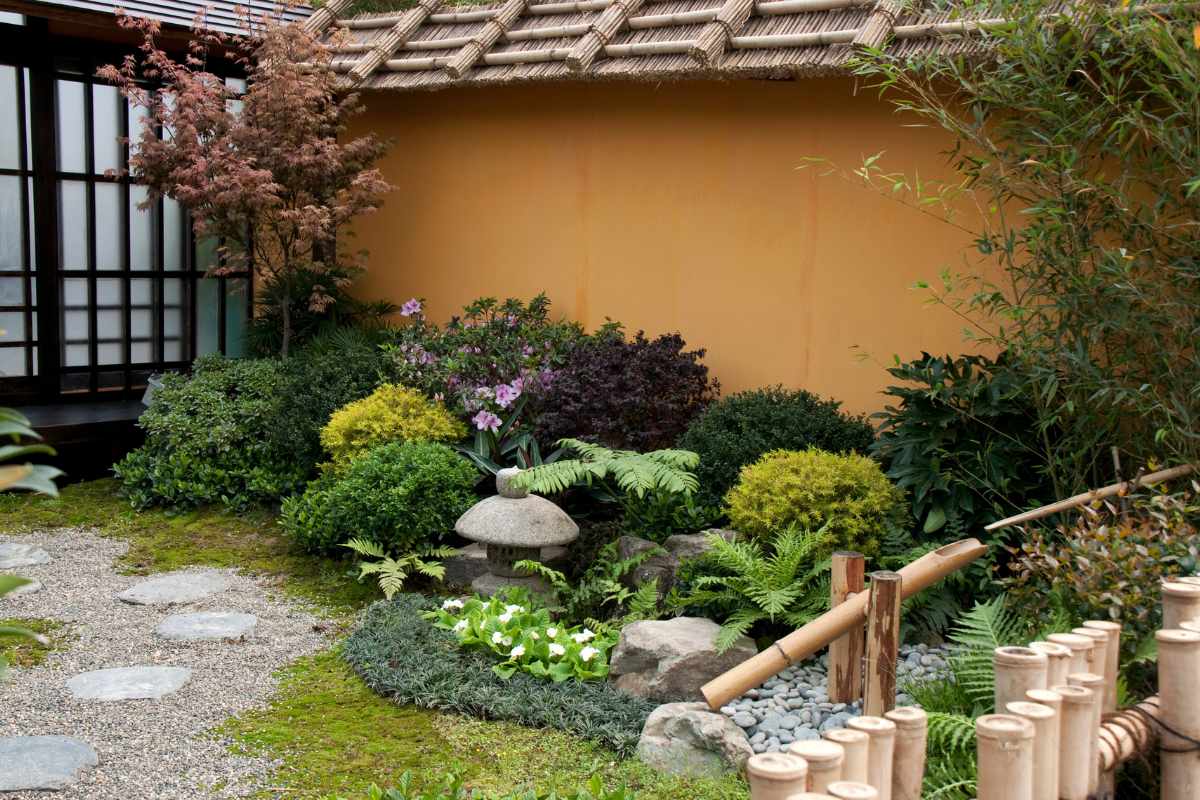
Japanese gardens are known for their minimalist beauty, and that comes from the principle of kanso—simplicity. Every object serves a purpose, and nothing is excessive.
A single stone lantern, a quiet pond, or a weathered bridge becomes more powerful when surrounded by emptiness and space.
This principle teaches us that simplicity isn’t about lack—it’s about clarity. Removing what’s unnecessary allows the essential to stand out. In a kanso-inspired garden, every plant or stone feels intentional and calming.
Fukinsei: Asymmetry and Balance
While many Western gardens favor symmetry, Japanese gardens lean on fukinsei, the concept of asymmetry. Nature rarely forms perfect mirror images, and embracing this imbalance leads to a more organic and peaceful experience.
Elements are placed in odd numbers—like three stones instead of two or four—and paths rarely run in straight lines. This asymmetry feels alive and real, inviting the eye to move and discover rather than simply scan.
It encourages reflection and mindfulness in a subtle yet powerful way.
Yūgen: Subtle Mystery
Another cornerstone is yūgen, a sense of subtle depth and mystery. In the garden, this might appear as a hidden stone partially covered by moss or a winding path that disappears around a bend.
The goal is not to reveal everything at once but to spark curiosity and contemplation.
This principle reminds us that not everything needs to be explained or exposed. Leaving some things partly hidden engages the imagination, creating a space that feels timeless and meditative.
Seijaku: Quiet Stillness
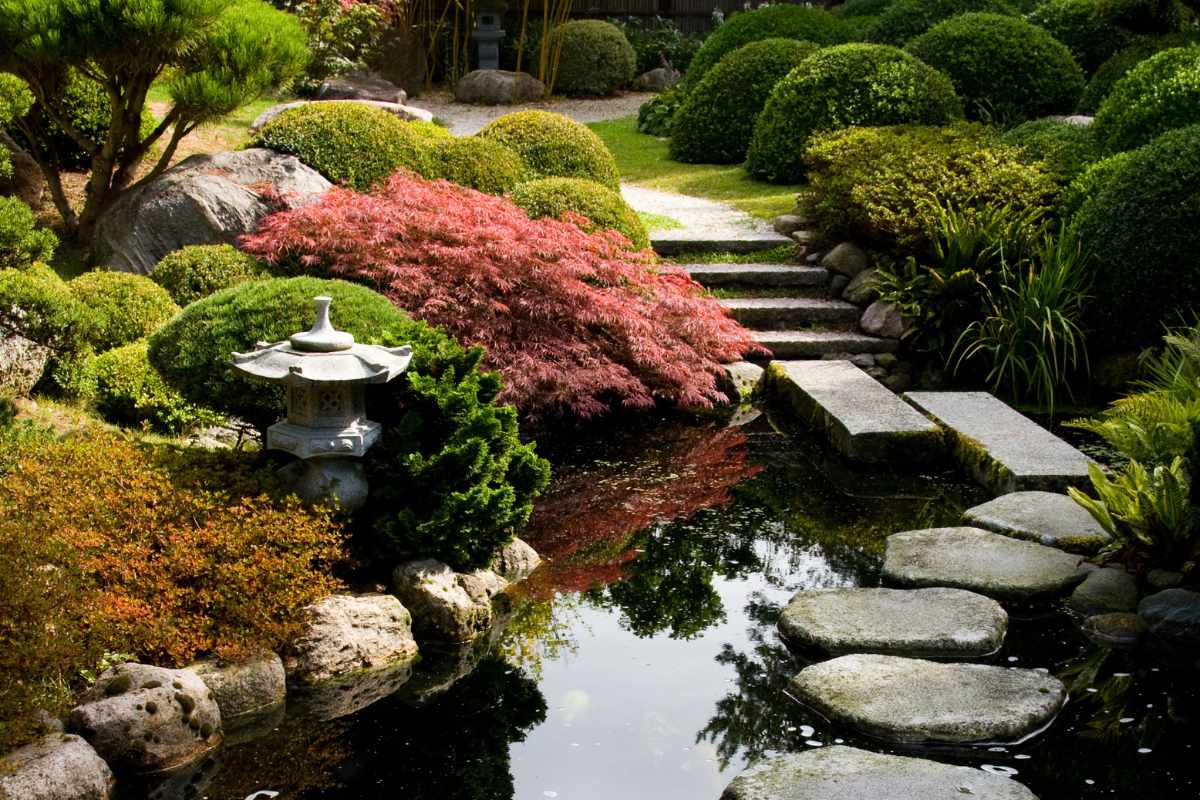
A well-designed Japanese garden captures a deep sense of seijaku, or quietude. This stillness is not empty—it’s rich with presence.
Water features like a gently flowing stream or a raked gravel pattern contribute to a soundscape that promotes calm.
The placement of benches, stepping stones, or viewing spots helps visitors pause and connect with their surroundings. In a world full of noise and rush, these quiet moments are profoundly restorative.
Wabi-sabi: Finding Beauty in Imperfection
The philosophy of wabi-sabi is deeply rooted in Japanese aesthetics and often reflected in garden design. It’s about appreciating the transience and imperfection of things, like a cracked stone, fallen leaves, or the changing color of wood over time.
This principle brings emotional depth to a garden.
Rather than chasing perfection, wabi-sabi honors what is aged, weathered, and authentic. It encourages us to embrace nature’s cycle, finding peace in change rather than resisting it.
Miegakure: The Art of the Hidden View
In Japanese gardens, not everything is meant to be seen all at once. The principle of miegakure involves creating views that are revealed gradually, often by using screens, hedges, or turns in the path.
As visitors move, new elements come into focus while others fade away.
This layered experience mirrors the way life unfolds—slowly, moment by moment. It also gives the garden a sense of depth and rhythm, where each step offers something new.
Integrating These Principles in Modern Gardens
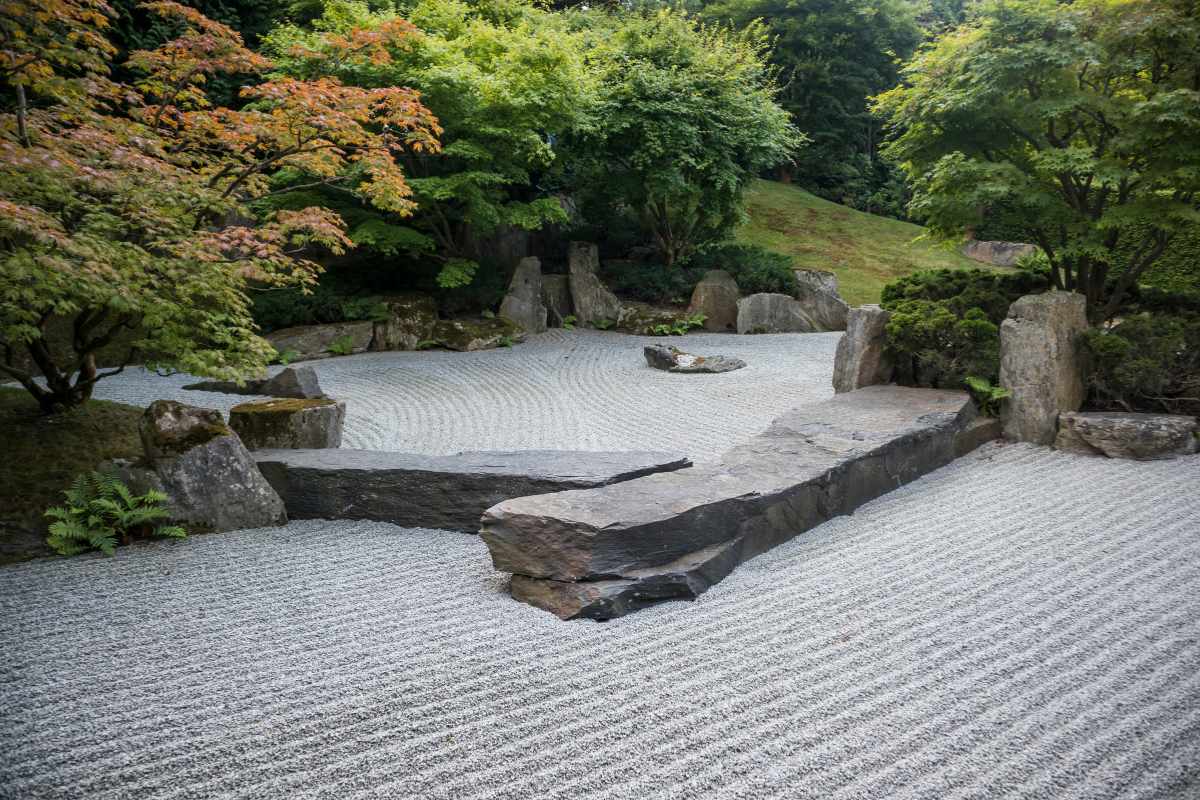
You don’t need a sprawling space or traditional materials to apply these ideas.
Even in small backyards or urban balconies, you can create moments of stillness and meaning by embracing natural shapes, intentional placement, and quiet beauty.
A single rock garden, a bamboo water spout, or a group of grasses swaying gently in the wind can evoke the essence of a Japanese garden. The goal is not replication—it’s inspiration.
What matters is the feeling the space offers, not the strict adherence to form.
Did you find this post useful or inspiring? Save THIS PIN to your GARDEN Board on Pinterest!

More Gardening Tips 👇🏼👇🏼