
Turning Your Lawn into a Food Forest


Transforming your lawn into a food forest is an excellent way to create a sustainable and productive landscape.
A food forest mimics natural ecosystems, promoting biodiversity and yielding a variety of edible plants. By layering different plant species, from canopy trees to ground cover, you can maximize space and resources.
This approach not only provides a continuous supply of food but also enhances soil health and supports local wildlife.
Here’s how to get started on your journey to creating a resilient and self-sustaining garden.
Planning Your Food Forest
Start by assessing your space and determining what plants will thrive in your local climate. A successful food forest includes various layers:
- Canopy layer: Tall trees like fruit and nut trees
- Understory layer: Smaller trees such as dwarf fruit trees
- Shrub layer: Berry bushes and other shrubs
- Herbaceous layer: Herbs, vegetables, and flowers
- Ground cover layer: Low-growing plants like strawberries
- Root layer: Root vegetables and tubers
- Climber layer: Vines and climbers like beans and grapes
By incorporating these layers, you can maximize space and create a resilient ecosystem.
Soil Preparation
Healthy soil is the foundation of a productive food forest. Begin by testing your soil to understand its composition and nutrient levels. Improve soil health by adding organic matter such as compost, mulch, and manure.
This enriches the soil and encourages beneficial microbial activity.

Plant Selection
Choose a diverse mix of plants to create a self-sustaining system. Consider plants that provide multiple benefits, such as nitrogen-fixing plants like clover, which enhance soil fertility.
Perennials are ideal for a food forest because they require less maintenance and provide long-term yields.
Planting and Maintenance
When planting your food forest, start with the largest plants and work your way down to the smallest. This ensures that each plant has adequate space and access to sunlight. Use mulching to retain moisture, suppress weeds, and improve soil quality.
Regular maintenance is essential in the early stages. Water young plants regularly until they establish. Prune trees and shrubs to maintain their health and productivity. Over time, as the ecosystem matures, it will require less intervention.
Benefits of a Food Forest
Creating a food forest offers numerous benefits:
- Biodiversity: A food forest supports a variety of plants, insects, and wildlife, promoting a balanced ecosystem.
- Sustainability: Food forests are self-sustaining, reducing the need for external inputs like fertilizers and pesticides.
- Productivity: A well-designed food forest can produce a wide range of fruits, nuts, vegetables, and herbs, providing a continuous food supply.
- Climate Resilience: Food forests are more resilient to climate extremes and pests due to their diversity and natural pest control mechanisms.
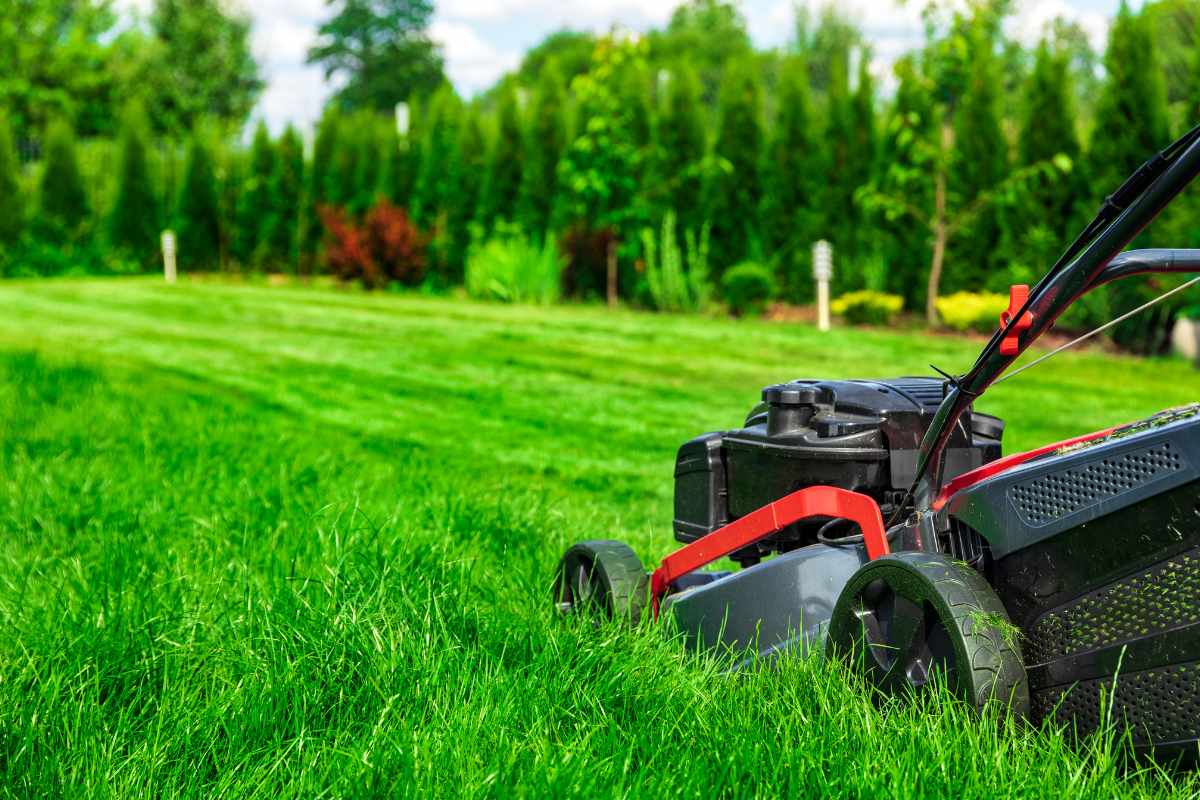
Turning your lawn into a food forest is a rewarding and sustainable way to use your outdoor space.
By planning carefully, selecting appropriate plants, and maintaining the ecosystem, you can create a productive and resilient garden that benefits both you and the environment.
Embrace the principles of permaculture and enjoy the fruits of your labor in a thriving food forest.
Did you find this post Useful or Inspiring? Save THIS PIN to your GARDENING Board on Pinterest!
Once again, thank you for visiting our website!
We hope you've enjoyed exploring the content we've created for you.
Give yourself the chance to learn, get inspired, and have even more fun, keep browsing...
More Gardening Tips 👇🏼👇🏼