
Types of Succulents to Grow Indoors


A compact jungle on your windowsill is easier than it looks.
Indoor succulents reward you with sculptural forms, soothing greens, and minimal fuss—provided you match them with the right light, watering rhythm, and well‑draining soil.
This guide brings together beginner‑friendly varieties and practical tips curated for home conditions, so you can choose plants that actually thrive inside.
If you prefer to learn by watching, consider the embedded video as a visual companion to the care notes below.
How to Choose Indoor‑Friendly Succulents
Start with plants that tolerate bright, indirect light and slower watering cycles.
Aim for a gritty cactus/succulent mix, pots with an unblocked drainage hole, and a routine that lets the top 100% of the soil dry before watering again.
Rotate pots every couple of weeks for even growth, and wipe dusty leaves with a soft, slightly damp cloth so they can photosynthesize efficiently.
Best Indoor Succulents (Beginner Friendly)
Snake Plant (Dracaena trifasciata)

Why it thrives indoors: Upright, architectural leaves and moisture‑storing rhizomes make this species extremely forgiving between waterings and tolerant of medium light (though it grows best in bright, indirect light).
Water only when the potting mix is completely dry, drenching thoroughly and allowing excess to drain.
A very fast‑draining mix and a pot with a clear drainage hole prevent rot.
In warm rooms, it pushes new spears each season; in winter, cut back even more on water. Toxic to pets if chewed.
ZZ Plant (Zamioculcas zamiifolia)
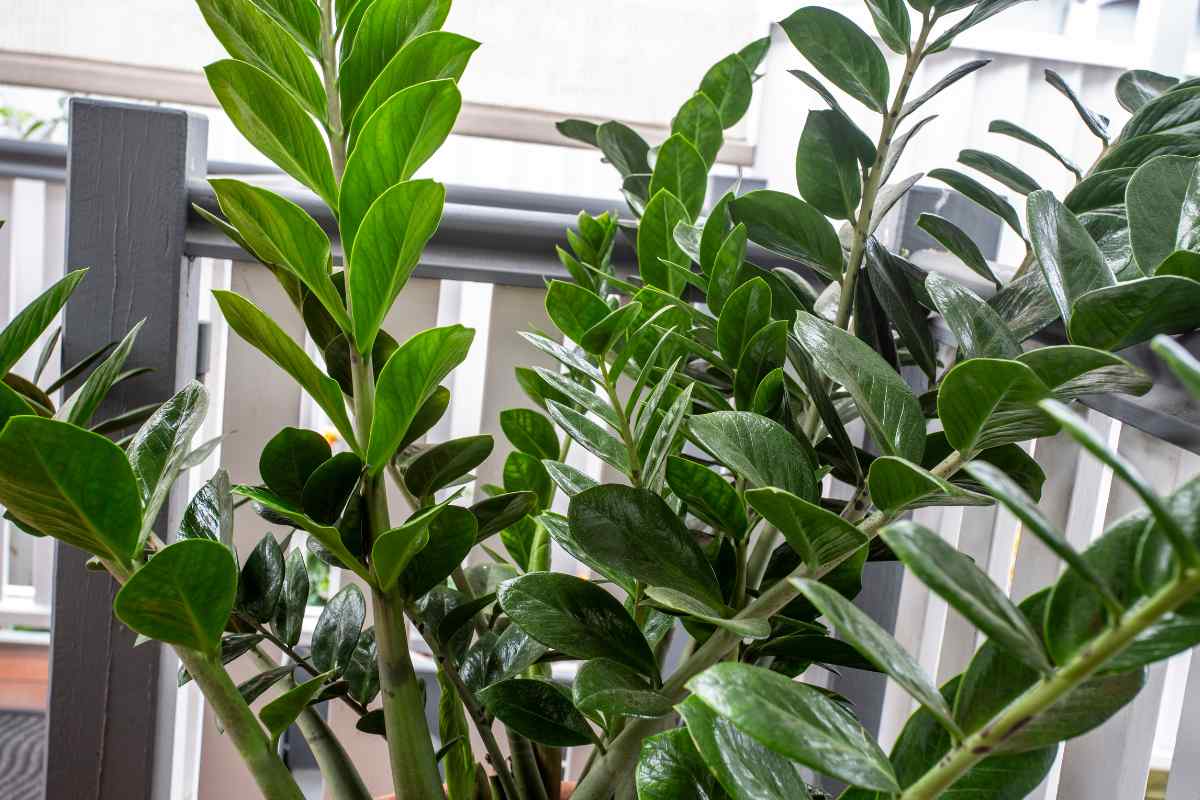
Why it thrives indoors: Glossy leaflets and chunky rhizomes store water, so it’s ideal if you forget to water.
Provide medium to bright, indirect light; in very low light, it will survive but stretch and slow down.
Let the mix dry 100% before watering again, and avoid oversized pots that hold extra moisture.
Wipe leaves occasionally to remove dust and restore shine. Toxic to pets if ingested.
Haworthia (e.g., H. fasciata, H. cooperi)
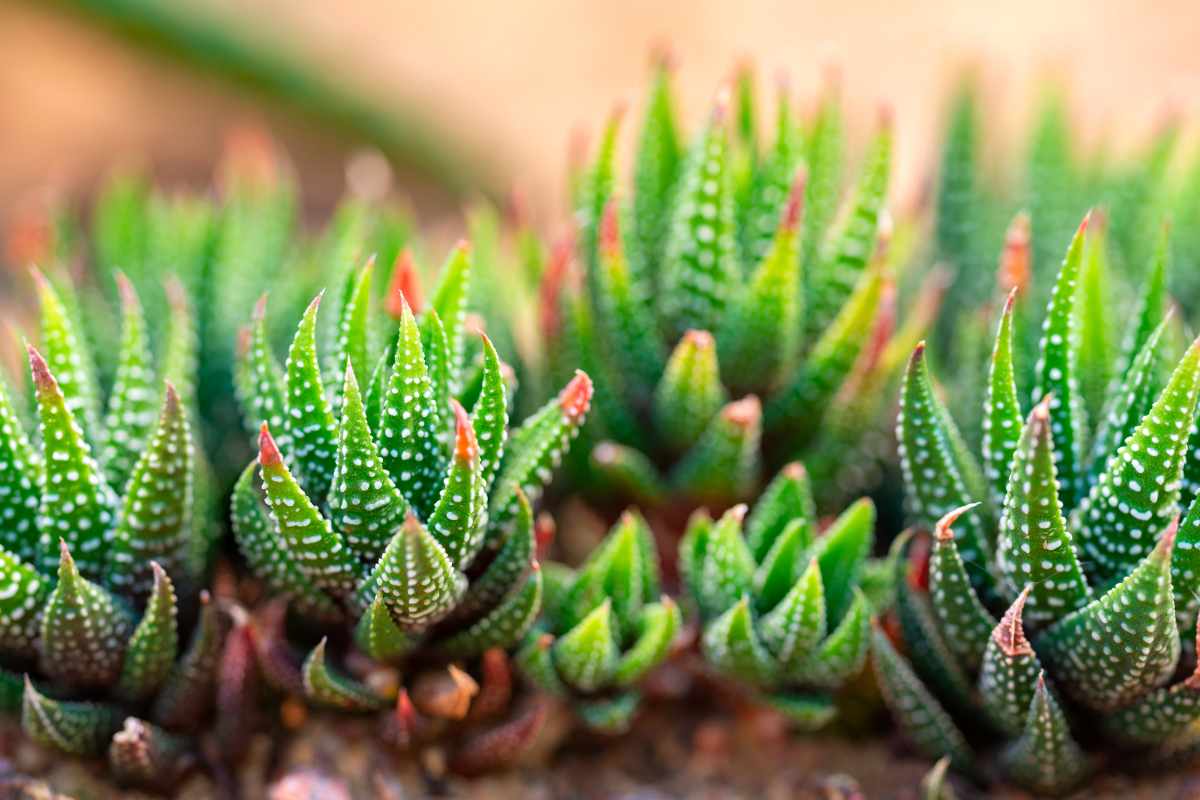
Why it thrives indoors: Compact rosettes that appreciate bright, filtered light without demanding harsh direct sun.
Keep to infrequent waterings and a mineral‑rich mix (perlite/pumice plus cactus blend) that dries quickly.
Excellent for shelves and desks thanks to its slow, tidy growth. Sensitive to water sitting in the rosette; aim water at the soil surface.
Generally non‑toxic to pets, though discourage nibbling.
Gasteria (e.g., G. bicolor)
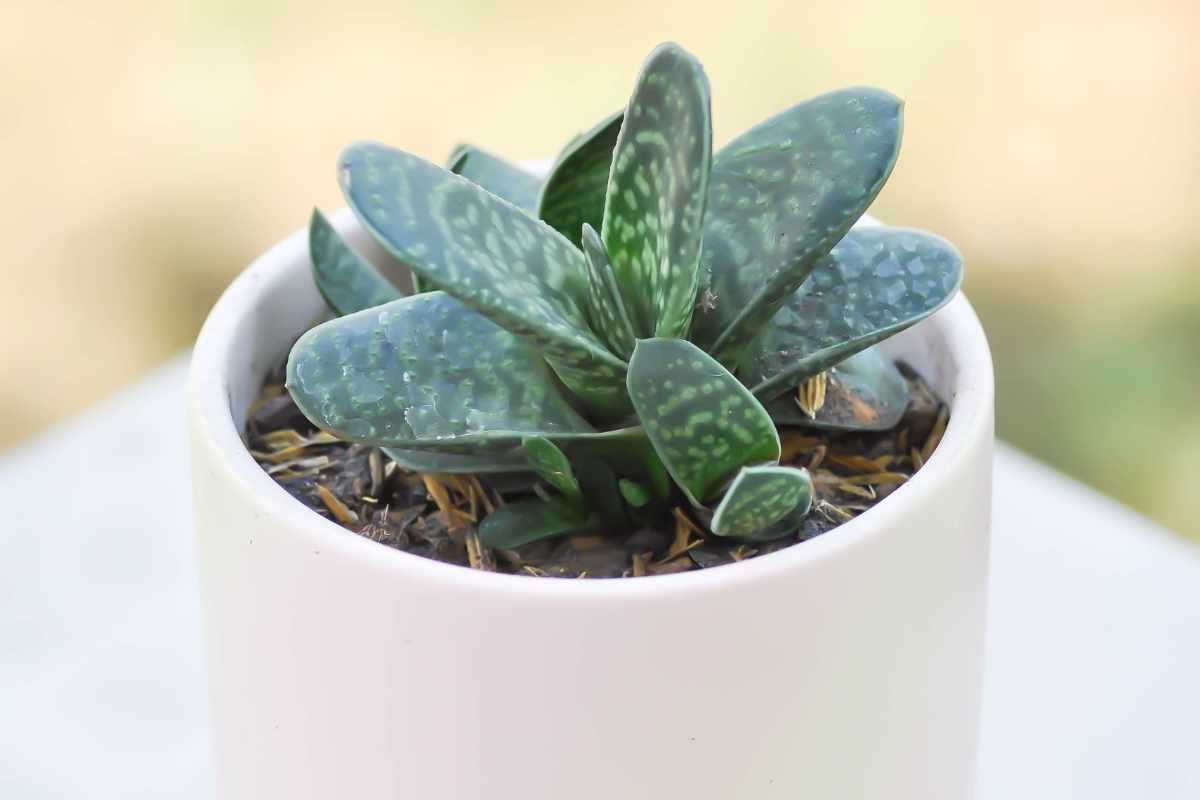
Why it thrives indoors: Tolerates medium light better than many succulents and handles typical apartment humidity well.
Keep the substrate gritty and reduce watering in winter.
Growth is unhurried, so it rarely outgrows its pot; divide mature clumps to multiply. Often listed as non‑toxic to pets.
Jade Plant (Crassula ovata)
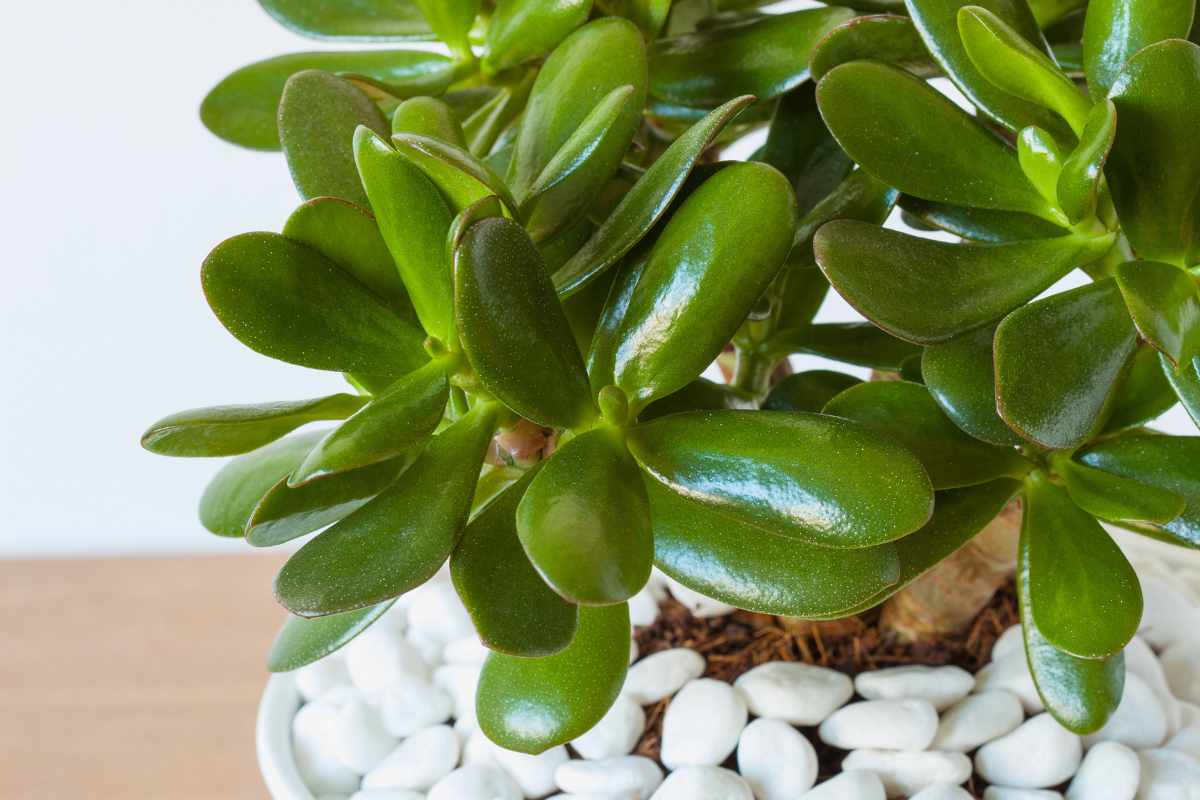
Why it thrives indoors: A tree‑like silhouette with plump leaves that store water.
Needs strong light to stay compact and develop red edging—an east window or a spot set back from a south/west window (shielded from scorching glass) works well.
Water deeply, then wait for total dryness before repeating. Light pruning maintains shape and encourages branching. Toxic to pets if chewed.
Aloe Vera (Aloe barbadensis miller)

Why it thrives indoors: Tough and useful for its gel (external use only).
Prefers bright, indirect light; with too little light, it will elongate and lean. Water deeply but far apart, allowing a full dry‑down.
Use a stable, heavier pot as plants become top‑heavy; remove offsets to control size. Toxic to pets if ingested.
String of Pearls (Curio rowleyanus)

Why it thrives indoors: Dramatic, cascading strands that shine on high shelves.
Requires bright, filtered light and light, infrequent watering; excess moisture collapses the pearls.
A shallow, fast‑draining container helps the mix dry evenly.
Avoid frequent repositioning—the stems are delicate. Toxic to pets if eaten.
Indoor Light Made Easy
Windows are not equal. South‑ and west‑facing windows are strongest, but direct rays can scorch leaves through glass.
East windows offer gentler morning light, a great match for haworthias, gasterias, and compact echeverias.
North windows are usually too dim—use a full‑spectrum grow light placed 20–30 cm above the canopy for 10–12 hours if growth stalls or rosettes stretch.
A simple test: if you can read comfortably without switching on room lights during daytime, it’s likely bright enough for most indoor succulents that prefer indirect light.

Watering & Soil for Indoor Setups
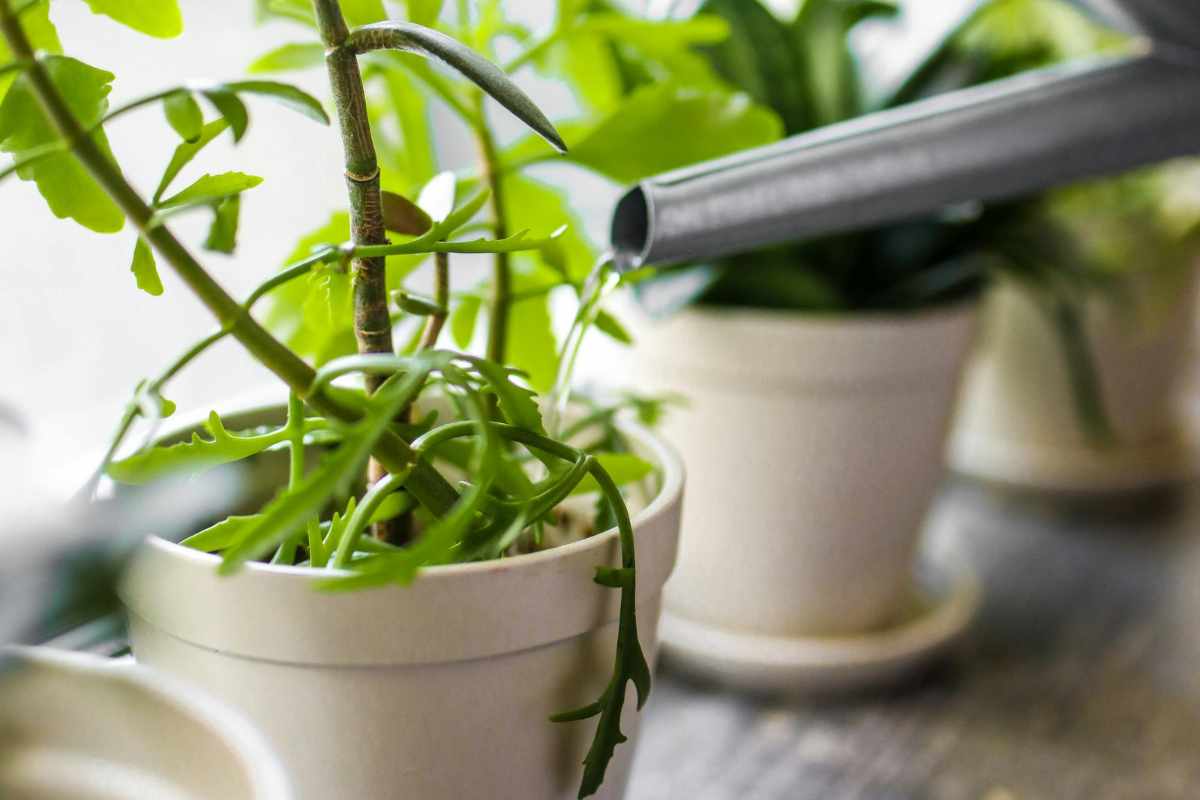
Water less than you think. Succulents hate constantly wet feet. Saturate the mix until water runs out of the drainage hole, then wait for total dryness before the next drink.
In warm, bright months, this may be every 2–3 weeks; in winter, it can stretch to 4–6 weeks or more.
Use a gritty cactus/succulent blend (or amend a regular mix with perlite/pumice and coarse sand) to boost airflow around roots.
Terracotta helps moisture evaporate faster; plastic retains moisture longer. When in doubt, err on the dry side.
Quick Shopping Picks (Affiliate)
Keep this section concise and transparent.
Essential tools that truly help indoors include a gritty succulent mix, terracotta pots with drainage, a watering squeeze bottle for precise soil‑level watering, and a clip‑on grow light to support low‑light corners.
Pet Safety at a Glance
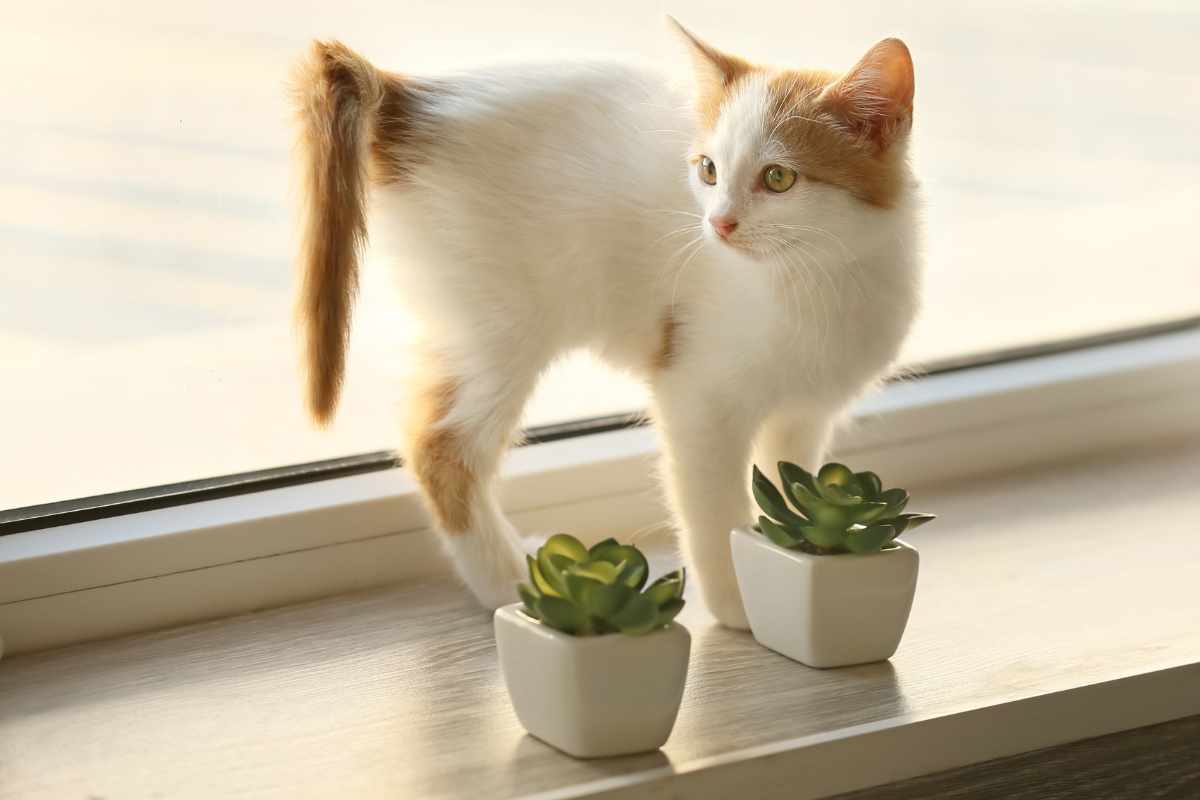
If you live with cats or dogs, assume curiosity.
Many popular house succulents—snake plant, ZZ, jade, panda plant, string of pearls—are toxic to pets if chewed.
Favor haworthia, gasteria, and many sedums for safer options, and keep trailing plants well out of reach. If you suspect ingestion, contact your local vet.
Keep Your Indoor Succulents Thriving
Choose plants that match your light, commit to infrequent, deep watering, and rely on well‑draining soil—those three habits do most of the heavy lifting.
Add gentle rotation, occasional leaf‑dusting, and a small grow light where needed, and your indoor succulents will repay you with compact growth, clean lines, and year‑round texture.
If you’re ready to expand, explore compact haworthias and gasterias first, then branch into trailing gems like string of pearls or burro’s tail once you’ve dialed in your space.
Enjoy This Video Tutorial About

Source: Succulents and Sunshine
Don’t forget to Subscribe to our Newsletter to receive amazing tips and tricks about Gardening and the FREE Ebook Green Living Strategies!
Did you find this post Useful or Inspiring? Save THIS PIN to your GARDENING Board on Pinterest! 😊

Once again, thank you for visiting our website!
We hope you've enjoyed exploring the content we've created for you.
Give yourself the chance to learn, get inspired, and have even more fun, keep browsing...
More Gardening Tips 👇🏼👇🏼