
Wandering Jew Plant Care (Tradescantia Zebrina)


The Wandering Jew plant (Tradescantia zebrina) is a stunning trailing houseplant known for its striking foliage.
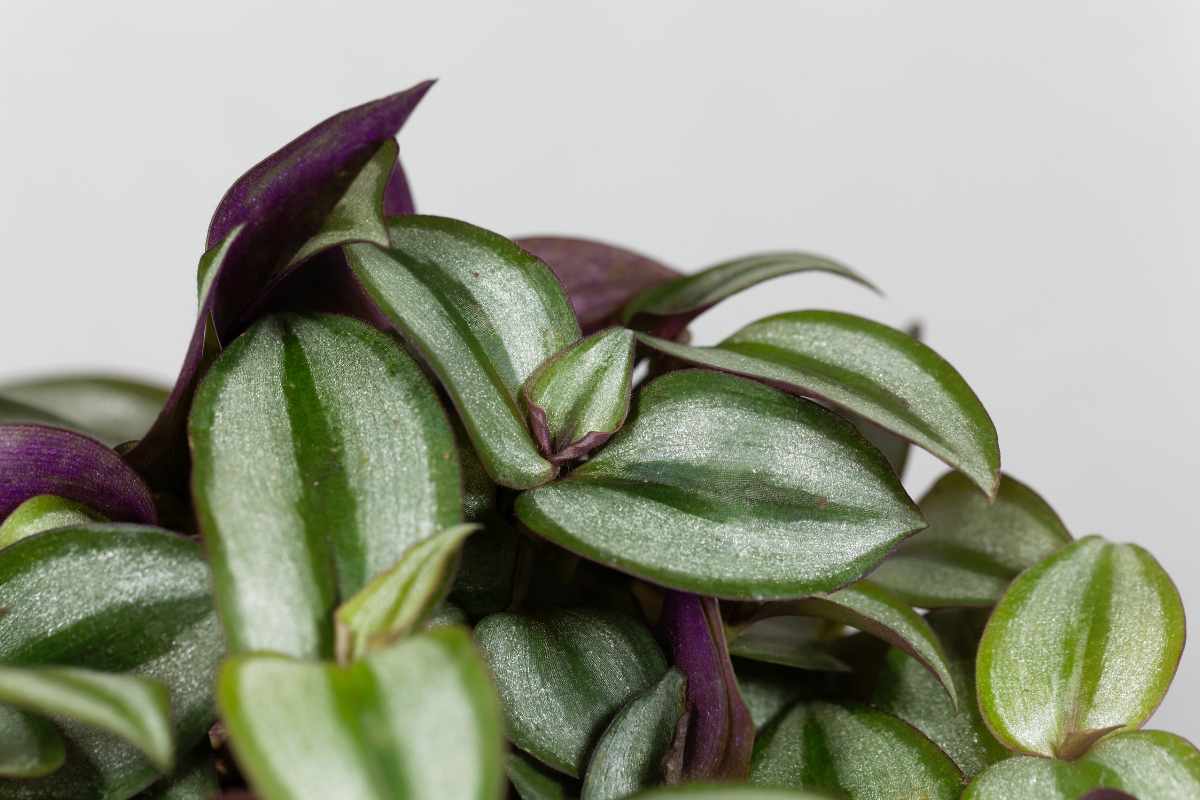
With silver stripes, deep green tones, and a vibrant purple underside, it brings a splash of color to any space.
Loved for its fast growth and easy care, this plant is perfect for beginners and experienced gardeners alike.
In this guide, we’ll cover everything you need to know to keep your Tradescantia zebrina thriving, from light and watering needs to propagation and common problems.
Key Features of Tradescantia Zebrina
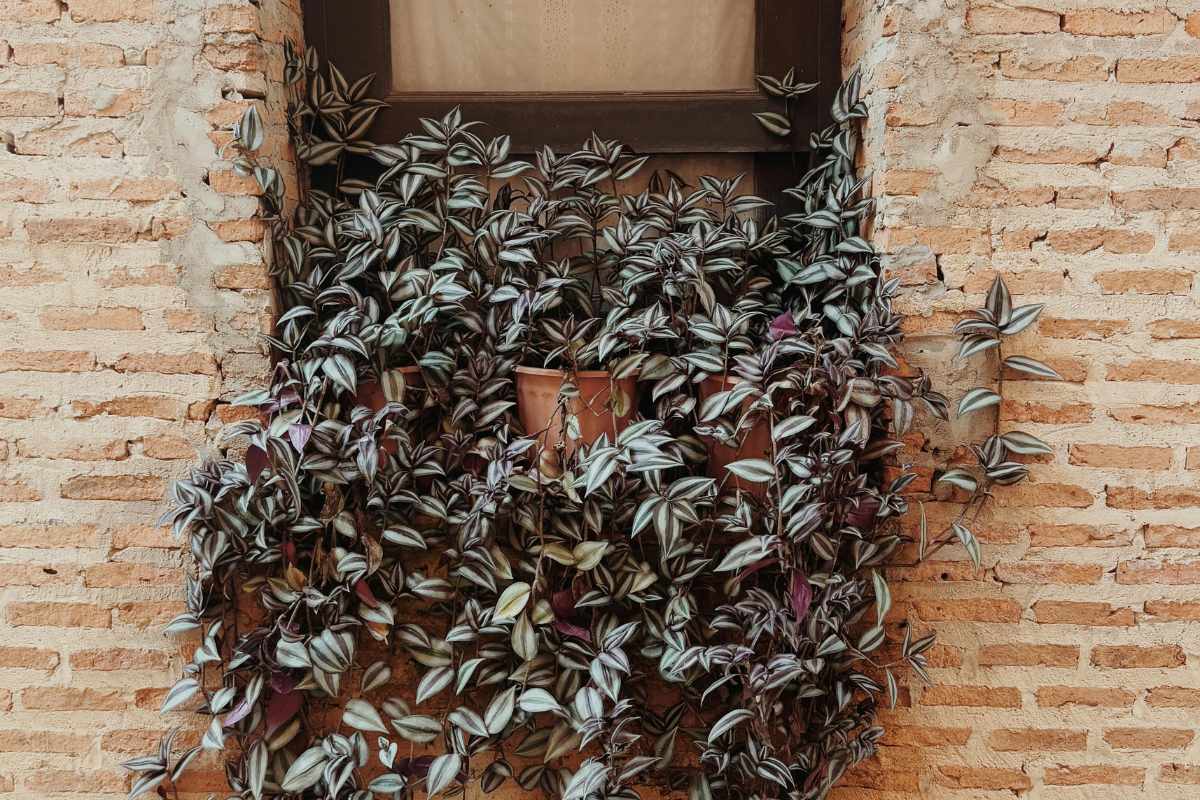
Scientific name: Tradescantia zebrina
Common names: Wandering Jew, Inch Plant, Wandering Dude
Origin: Central and South America
Growth habit: Fast-growing, trailing or creeping perennial
Best for: Hanging baskets, shelves, or as groundcover in warm climates
Its colorful leaves are the main attraction, and with the right conditions, the plant grows quickly, creating a lush and dramatic display.
Light Requirements
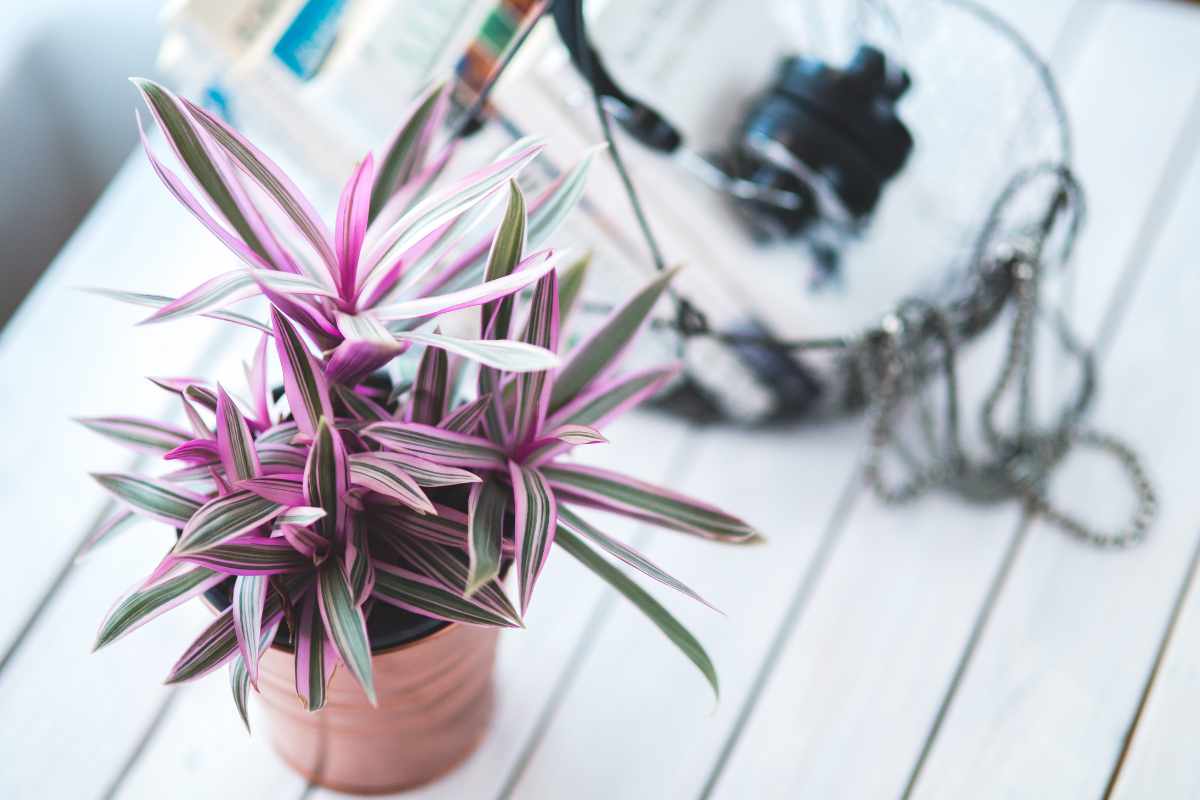
Tradescantia zebrina thrives in bright, indirect light.
Too little light causes the leaves to fade and lose their vibrant purple tones.
Direct harsh sunlight can scorch the leaves.
Indoors, place it near an east- or south-facing window with filtered light.
Tip: Rotate the pot every few weeks so the plant grows evenly on all sides.
Watering and Humidity
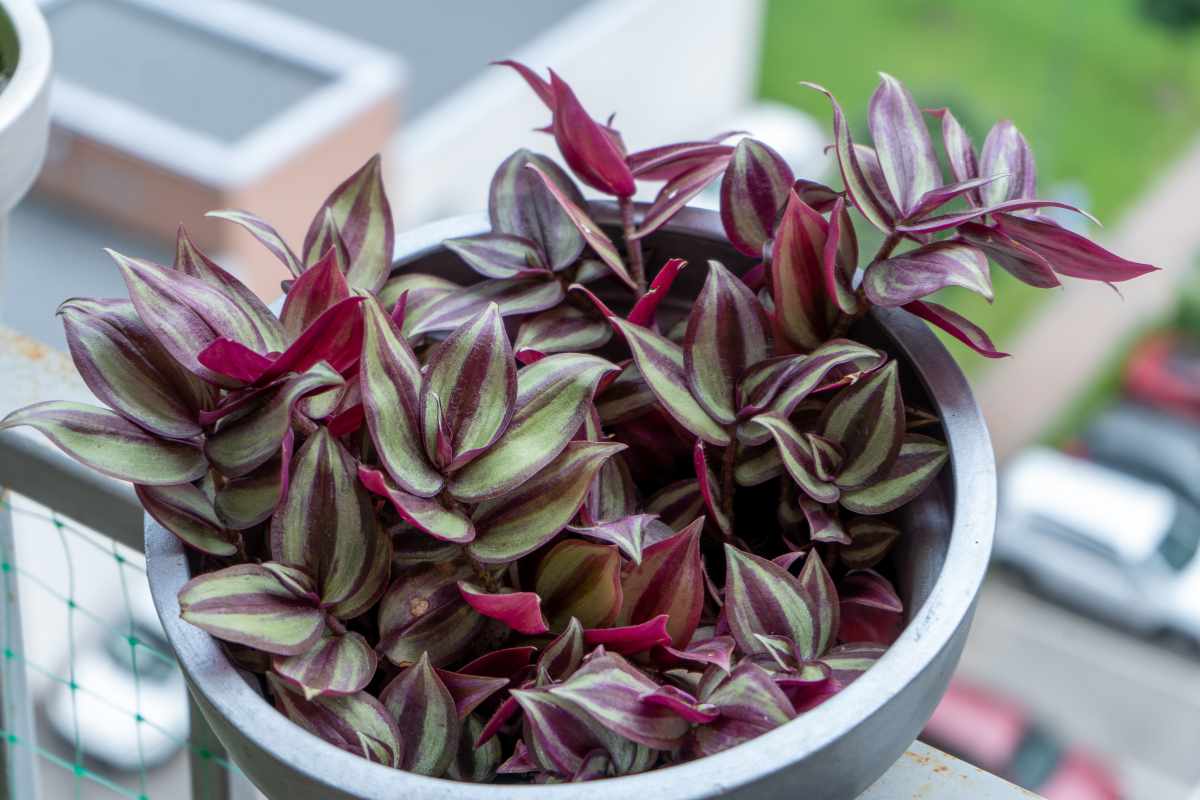
Getting the watering right is essential for healthy growth:
When to water: Let the top 1–2 inches of soil dry before watering again.
How much: Water thoroughly, but always allow excess water to drain away.
Humidity: This plant enjoys moderate humidity. Mist the leaves occasionally or place the pot near a humidifier to prevent dry tips.
In winter, reduce watering since growth naturally slows down.
Soil and Fertilizer
Soil mix: A light, well-draining potting mix works best. Combine regular potting soil with perlite or coarse sand for better drainage.
Soil pH: Slightly acidic to neutral (6.0–7.0).
Fertilizing: During the growing season (spring and summer), feed every 2–3 weeks with a balanced liquid houseplant fertilizer. Hold off during fall and winter.
Propagation: Fast and Simple
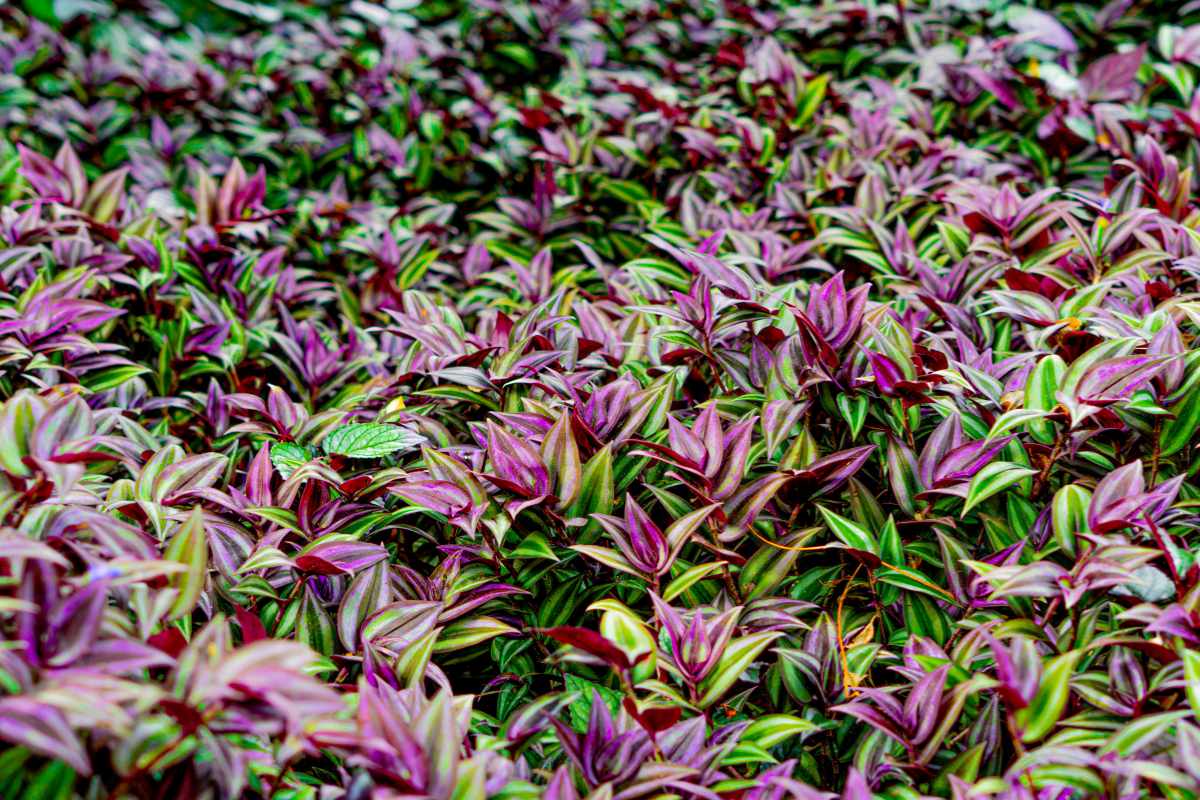
One of the biggest perks of Tradescantia zebrina is its ease of propagation.
Cut a healthy stem about 4–6 inches long just below a node.
Remove the lower leaves to expose the stem.
Place the cutting in water or directly into moist soil.
Within a week or two, new roots will form, and the cutting will begin to grow.
This makes it simple to fill out a pot for a fuller look or share cuttings with friends.
Common Problems and Solutions
Yellow or mushy leaves: Usually caused by overwatering → let the soil dry out more between waterings.
Faded colors: Not enough light → move the plant to a brighter spot.
Brown leaf tips: Low humidity → mist regularly or boost moisture in the room.
Pests: Spider mites, aphids, and mealybugs can appear. Wipe leaves with soapy water or use insecticidal soap to control infestations.
Bring Color Into Your Home with Tradescantia Zebrina
The Wandering Jew plant is a resilient and eye-catching addition to any home or garden.
With minimal effort, you’ll enjoy lush growth and vibrant leaves all year long. Its rapid propagation makes it not only rewarding to grow but also perfect for sharing with fellow plant lovers.
Give your Tradescantia zebrina the right light, water, and a little care, and it will reward you with endless beauty.
Enjoy This Video Tutorial
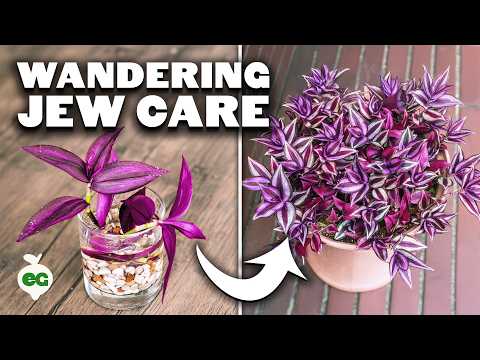
Source: Epic Gardening
Don’t forget to Subscribe to our Newsletter to receive amazing tips and tricks about Gardening and the FREE Ebook Green Living Strategies!
Did you find this post Useful or Inspiring? Save THIS PIN to your GARDENING Board on Pinterest! 😊

Once again, thank you for visiting our website!
We hope you've enjoyed exploring the content we've created for you.
Give yourself the chance to learn, get inspired, and have even more fun, keep browsing...
More Gardening Tips 👇🏼👇🏼