
What Is a Carbon-Neutral Garden and How to Create One

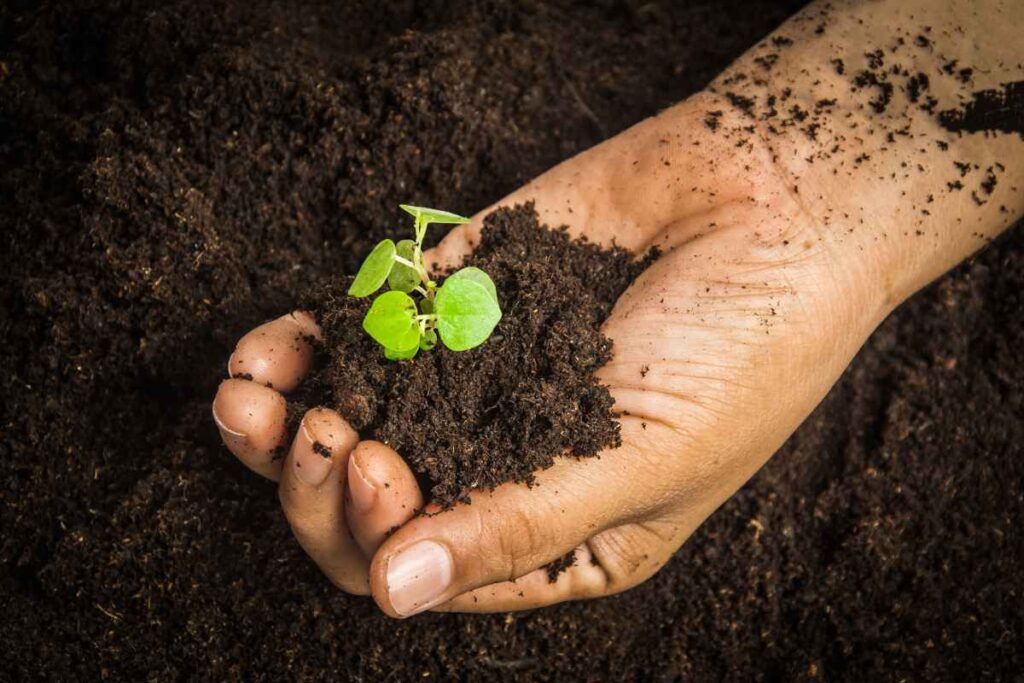
As climate change becomes an increasingly urgent issue, many gardeners are turning their attention to sustainable practices that not only beautify outdoor spaces but also help the planet.
A carbon-neutral garden is one of the most impactful ways to support environmental health right in your own backyard.
But what does it actually mean to have a carbon-neutral garden, and how can you create one? Let’s explore the concept and walk through practical, approachable steps to make your garden as eco-friendly as possible.
Understanding Carbon-Neutral Gardening
A carbon-neutral garden is designed to balance the carbon emissions it produces with the carbon it removes or offsets.
This means that any greenhouse gases generated by gardening activities—such as using power tools, purchasing synthetic fertilizers, or importing plants—are neutralized by sustainable practices like composting, planting trees, and reducing energy consumption.
Gardening may seem inherently green, but it can have a surprising carbon footprint. From plastic pots to chemically treated soil and gas-powered equipment, many elements of traditional gardening contribute to carbon emissions.
A carbon-neutral garden aims to minimize those impacts while enhancing the garden’s role as a carbon sink—an area that naturally absorbs carbon dioxide from the atmosphere.
Key Benefits of a Carbon-Neutral Garden
Creating a carbon-neutral garden isn’t just about reducing your footprint. It also leads to several additional benefits:
Healthier soil and plants thanks to organic matter and reduced chemical use
Improved biodiversity by creating a habitat for pollinators, birds, and beneficial insects
Lower long-term costs as composting, seed-saving, and native plants reduce the need for frequent purchases
A more resilient garden that better withstands climate fluctuations
Transitioning to this kind of garden is not an all-or-nothing effort. Every small change counts, and over time, they add up to meaningful results.
Reducing Carbon Output in Your Garden
One of the first steps to creating a carbon-neutral garden is cutting back on carbon-producing practices.
Limit the Use of Gas-Powered Tools
Gas-powered lawnmowers, leaf blowers, and trimmers are significant sources of carbon emissions. Whenever possible, replace them with manual, electric, or battery-powered alternatives. Better yet, reduce lawn space altogether by adding native plant beds, which require less maintenance.
Choose Local and Organic Materials
Many gardening supplies travel long distances and are made from nonrenewable resources. Look for locally sourced mulch, compost, and soil amendments. Support nurseries that grow plants organically and avoid those that rely heavily on synthetic fertilizers or pesticides.
Avoid Synthetic Fertilizers and Pesticides
These products are not only carbon-intensive to produce, but they can also damage soil health over time. Opt for natural compost, manure, and organic pest control methods, which enrich the soil and support microbial life essential to carbon storage.
Capturing and Storing Carbon Naturally
A truly carbon-neutral garden doesn't just reduce emissions—it also plays a role in capturing atmospheric carbon and storing it in plants and soil.
Prioritize Perennials and Native Plants
Perennial plants, including shrubs and trees, have deeper root systems that store more carbon than shallow-rooted annuals. Native plants are especially beneficial because they are adapted to local conditions and require less water and maintenance.
Build Healthy Soil Through Composting
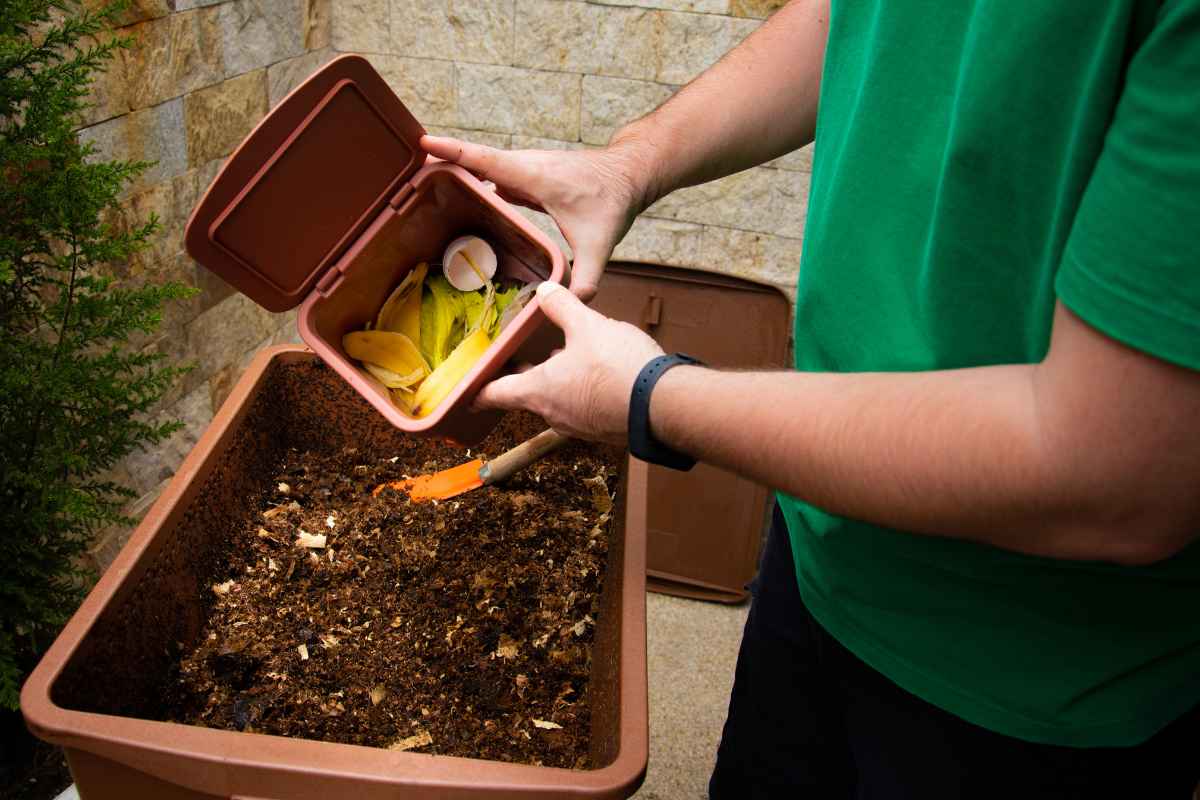
Composting organic matter such as kitchen scraps, leaves, and grass clippings not only reduces landfill waste but also enriches the soil, helping it sequester more carbon. Well-structured soil full of organic matter can hold more water and nutrients, which benefits your plants and the planet.
Mulch to Protect the Soil
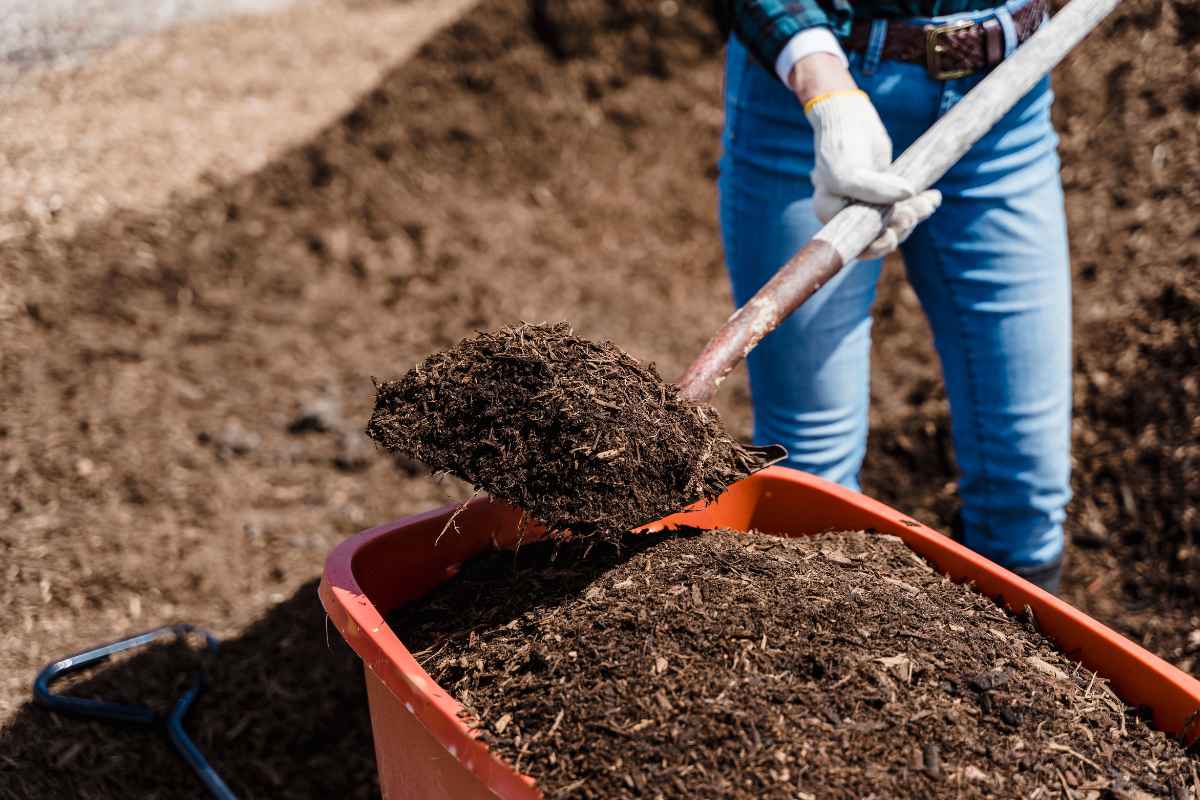
A layer of organic mulch—like shredded leaves or bark—protects the soil from erosion, helps retain moisture, and slowly breaks down into nutrients. This process enhances the soil’s ability to store carbon and reduces the need for additional watering or fertilizing.
Smart Design for a Carbon-Neutral Garden
How you design your space plays a major role in its carbon footprint.
Plant Trees Strategically
Trees are among the most powerful tools for carbon sequestration. When planting new trees, think long-term: choose species that are well-suited to your climate and plant them in spots where they can grow without excessive pruning or watering.
Reduce Your Lawn Area
Lawns are water-hungry, fertilizer-dependent, and require constant mowing. Consider replacing sections of turf with ground covers, native grasses, wildflowers, or edible plants. These alternatives are not only beautiful but also far better for the environment.
Create Wildlife-Friendly Zones
A carbon-neutral garden also supports local ecosystems. Add bird feeders, bee hotels, butterfly bushes, and small water features to encourage biodiversity. A diverse, balanced garden is more resistant to pests and less reliant on interventions that add to carbon emissions.
Water Management and Sustainability
Conserving water is another vital aspect of reducing your garden’s overall impact.
Install Rainwater Harvesting Systems
Collecting and storing rainwater helps reduce dependence on municipal water systems, which use energy to treat and pump water. Use rain barrels or cisterns to capture runoff from your roof and direct it to your garden beds.
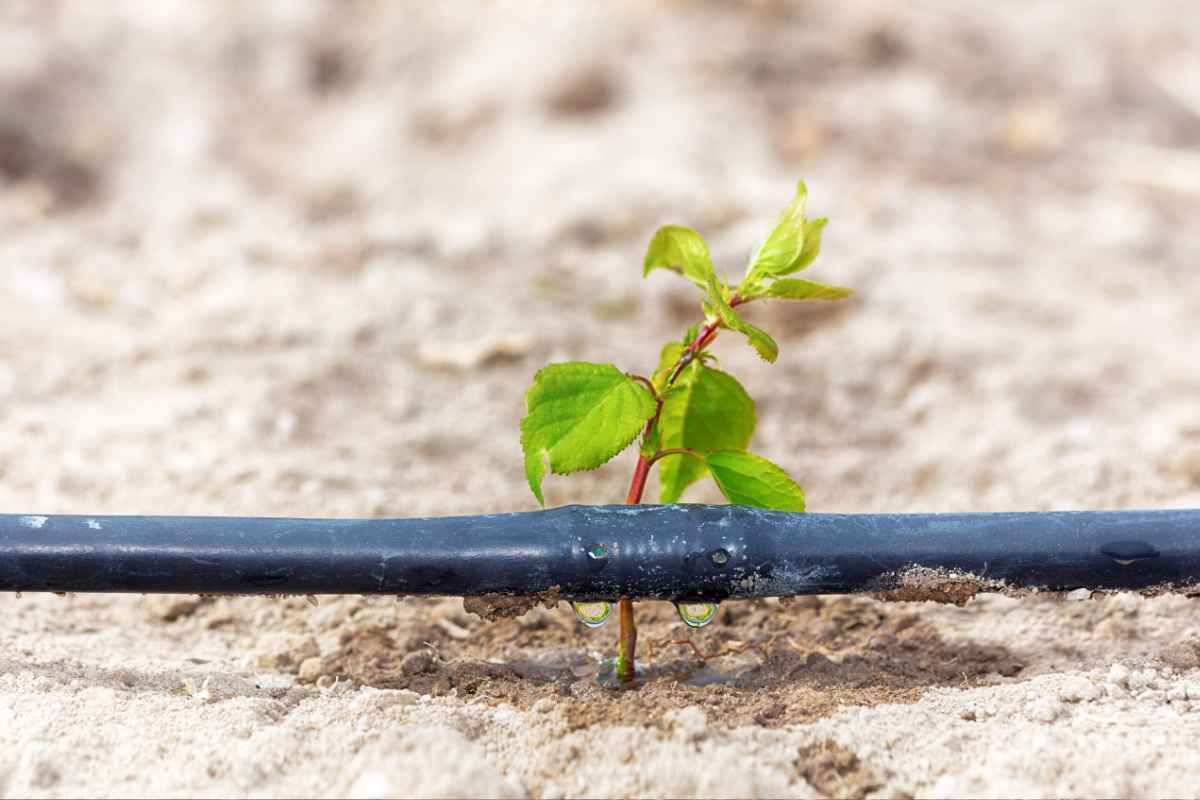
Use Drip Irrigation or Soaker Hoses
These systems deliver water directly to the roots, minimizing evaporation and runoff. Efficient watering not only conserves water but also encourages deeper root growth and healthier plants.
Tracking and Offsetting Carbon Emissions
Even with careful planning, it’s nearly impossible to eliminate all emissions. However, you can offset any remaining carbon by supporting certified reforestation projects or community-based carbon credit programs. Some gardeners even choose to go carbon-negative, meaning their gardens absorb more carbon than they produce.
A Greener Garden, One Step at a Time
Creating a carbon-neutral garden doesn’t require a complete overhaul of your current space. Start small—compost your kitchen scraps, swap out your mower, or plant one native shrub. Over time, these actions build on each other and transform your garden into a climate-friendly oasis.
Gardening with the planet in mind is not only a responsible choice—it’s also a deeply rewarding one. By cultivating a carbon-neutral garden, you’re creating beauty and sustenance in harmony with nature, all while contributing to the greater good. And that’s something worth growing for.
Did you find this post useful or inspiring? Save THIS PIN to your GARDEN Board on Pinterest!

More Gardening Tips 👇🏼👇🏼