
What Is the #1 Pollinator You Need in Your Garden?

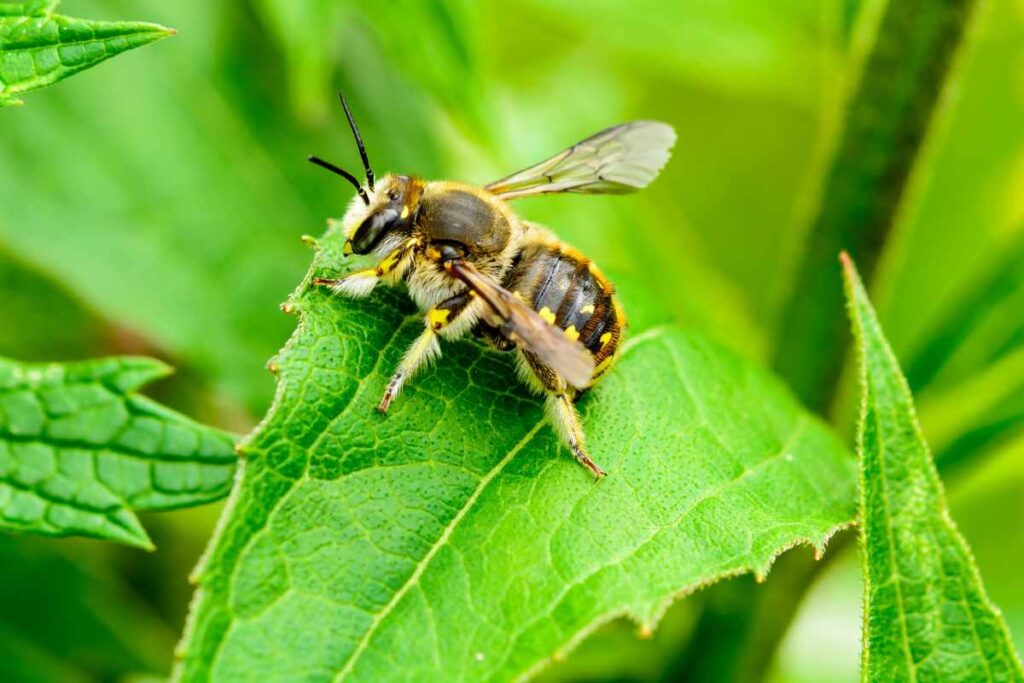
When we think about a flourishing garden, we often focus on sunlight, soil, and water. But there’s another vital player behind the scenes: pollinators.
These tiny workers are responsible for helping our plants reproduce, set fruit, and produce seeds. Without them, many of our favorite crops and flowers wouldn’t survive.
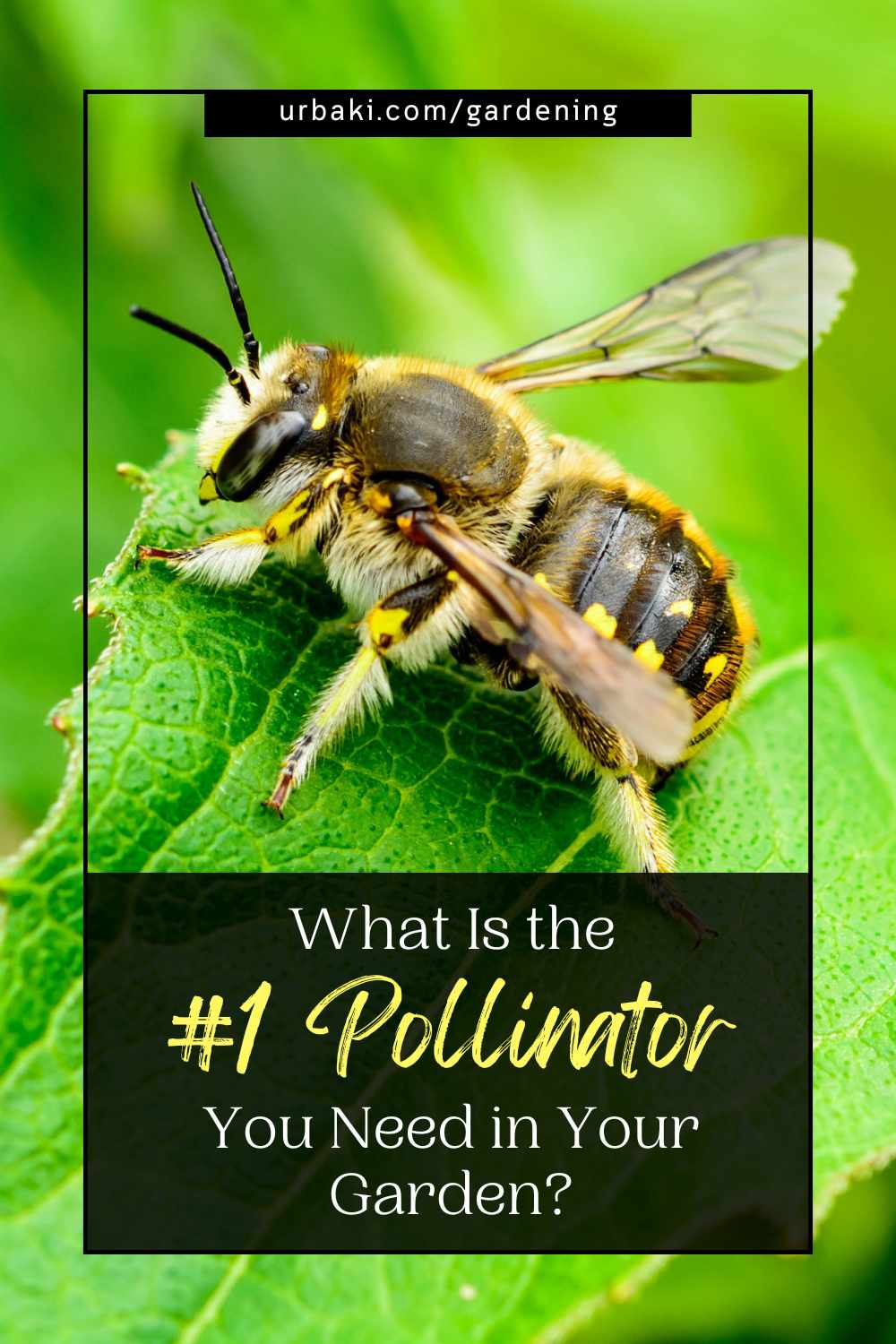
So, which pollinator is the most essential for your garden? The answer is simple: bees. But they’re not alone. Butterflies also play a beautiful and impactful role.
Together, they form a dynamic duo that can transform your space into a productive and lively ecosystem.
Let’s explore why these creatures matter so much, what makes bees the #1 pollinator, and how to invite more of them into your garden.
Why Pollinators Matter in Every Garden
Pollinators are animals or insects that move pollen from one flower to another.
This transfer is what allows plants to produce fruits, vegetables, and seeds. Without pollination, your tomatoes wouldn’t ripen, your zucchini wouldn’t grow, and your flowers wouldn’t go to seed.
While wind and water can pollinate some plants, over 75% of flowering plant species rely on pollinators, including most fruits and vegetables we eat.
That makes pollinators essential not just for your garden, but for global food security.
The Power of Bees
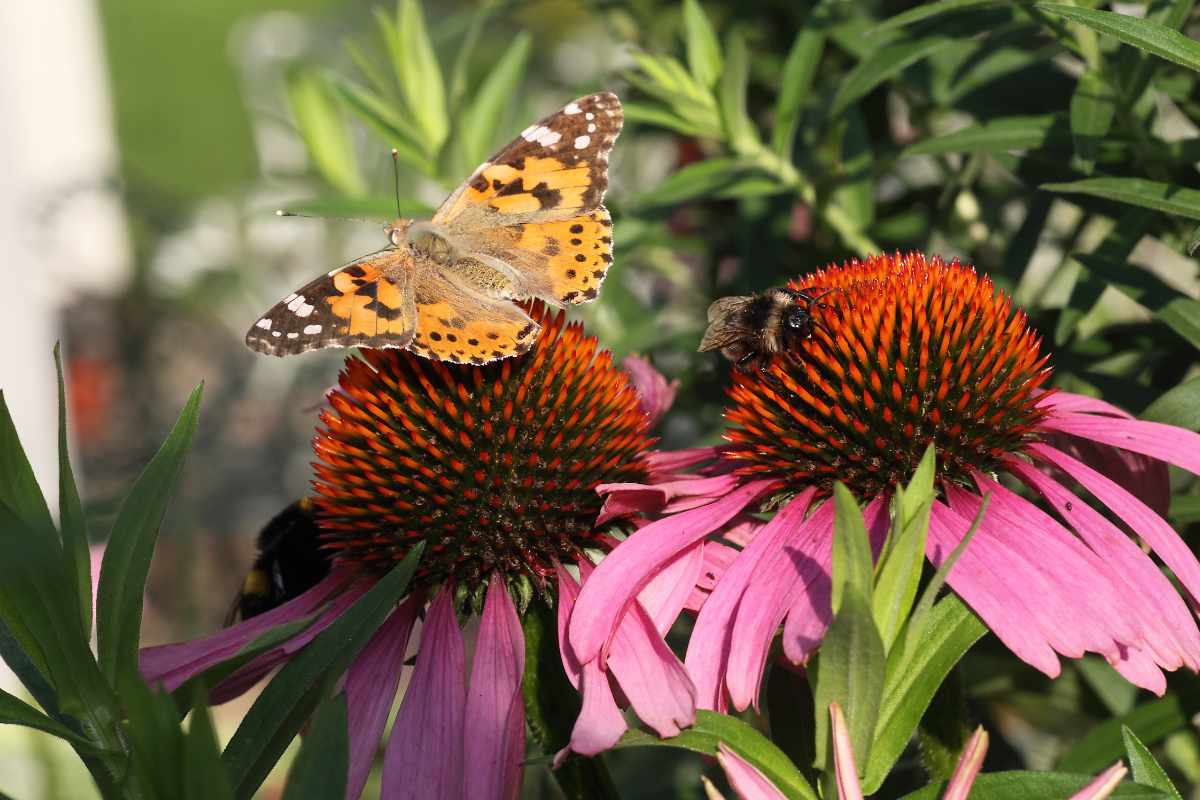
When it comes to pollination, bees are the undisputed champions. There are more than 20,000 species worldwide, and they’ve evolved alongside plants over millions of years to become extremely efficient.
Bees visit thousands of flowers in a single day. Their bodies are designed to trap pollen on tiny hairs, and as they move from bloom to bloom collecting nectar, they accidentally fertilize flowers, helping them develop fruit.
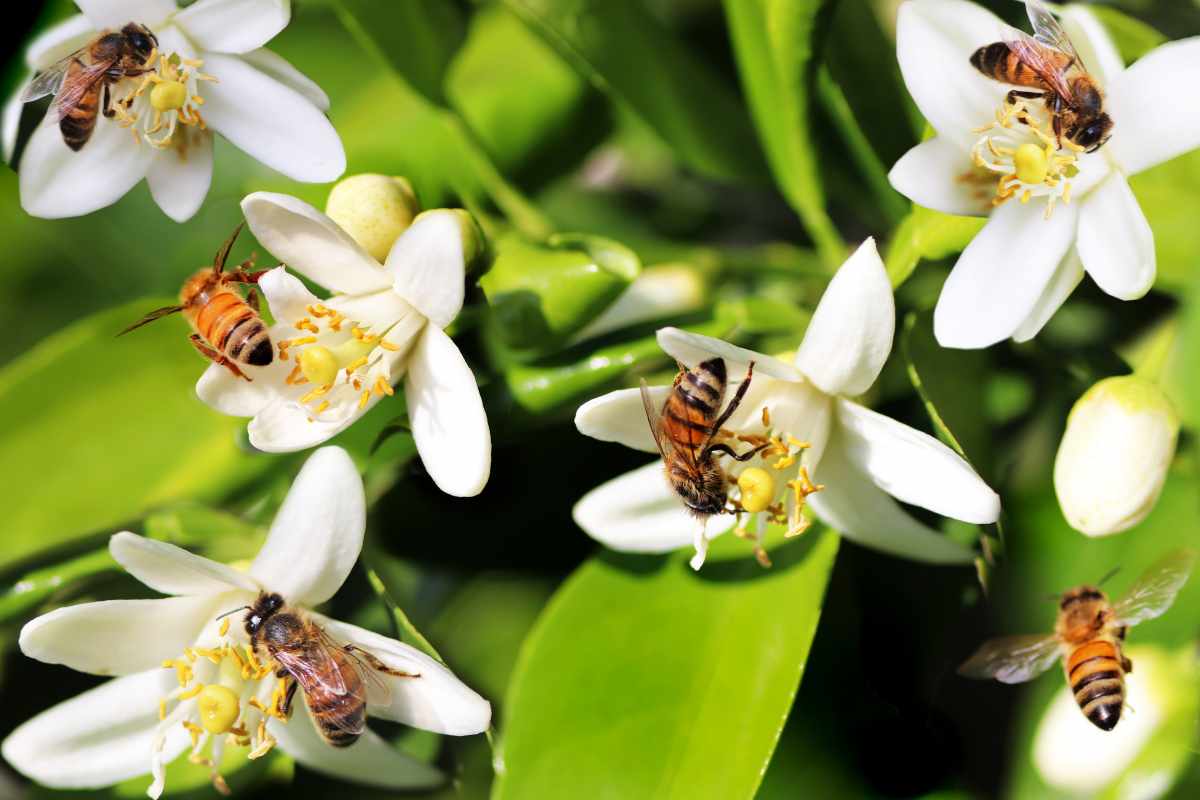
Honeybees, in particular, are excellent pollinators because they’re social insects. A single hive can contain tens of thousands of bees, all foraging in your garden or nearby fields.
Their loyalty to one type of flower at a time (a behavior called “floral constancy”) ensures that pollen is transferred between the same plant species, increasing pollination success.
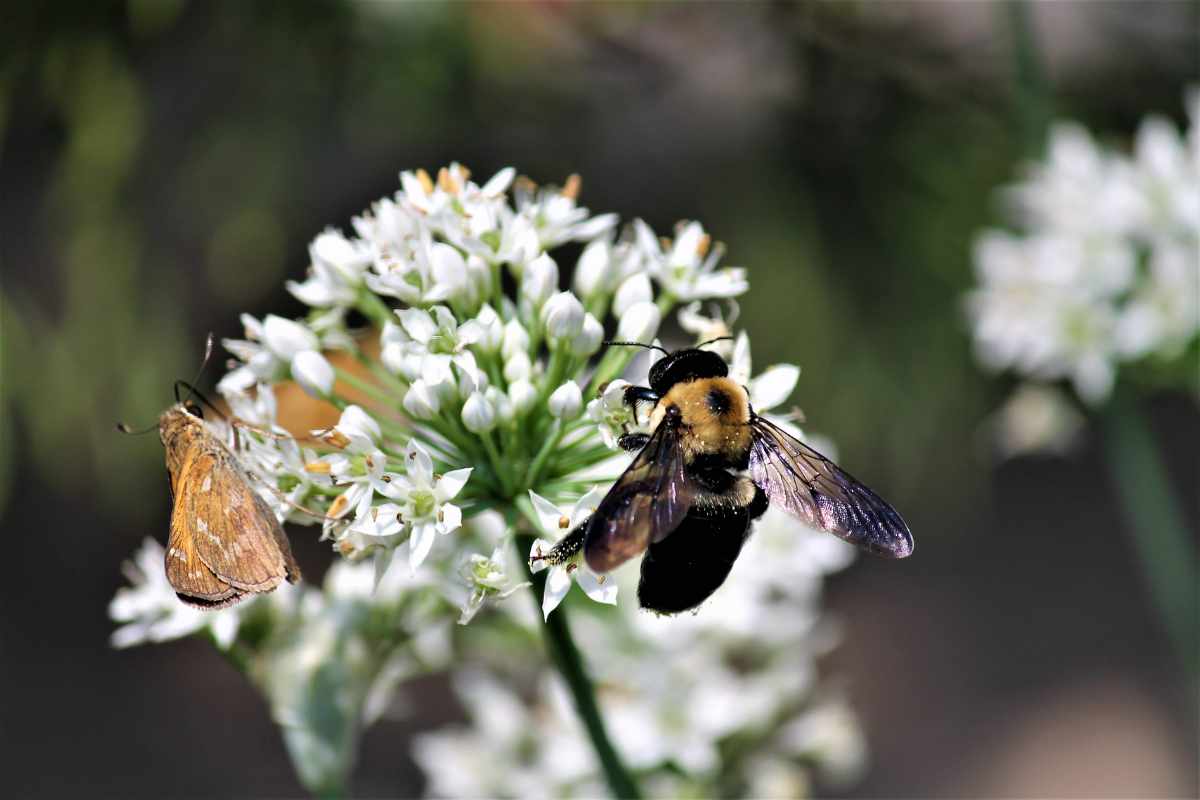
But don’t overlook the native bees, like bumblebees, mason bees, and leafcutter bees. These solitary bees are often more effective than honeybees at pollinating certain plants.
For example, bumblebees can buzz-pollinate, a technique that releases pollen from flowers that honeybees can’t access, such as tomatoes and peppers.
The Role of Butterflies in the Garden
Although butterflies aren’t as efficient as bees when it comes to pollination, they’re still incredibly valuable. Their long, slender tongues allow them to reach into deep flowers that bees might skip. They’re also visually stunning, adding color and life to your garden.
Butterflies tend to visit flowers in sunny, open areas, making them natural allies for flower beds and borders.
As they flutter from bloom to bloom in search of nectar, they unintentionally transfer pollen, helping certain ornamental and native plants reproduce.
Some species, like the monarch butterfly, depend on specific host plants such as milkweed to complete their life cycle. By growing butterfly-friendly plants, you’re not only supporting pollination but also contributing to the survival of these fragile creatures.
Plants That Attract Bees and Butterflies
If you want more pollinators in your garden, it starts with planting what they love.
Different pollinators are drawn to different colors, scents, and flower shapes. A garden filled with a variety of blooms will attract a wider range of visitors and keep them coming back.
Here are some top choices that appeal to both bees and butterflies:
Lavender – Rich in nectar and adored by bees.
Coneflower (Echinacea) – Sturdy, long-blooming flowers that attract both bees and butterflies.
Milkweed – A must for monarchs and a good nectar source for bees.
Sunflowers – Provide pollen and nectar, and their broad faces make landing easy.
Zinnias – Bright, colorful blooms perfect for butterfly feeding.
Salvia – Tube-shaped flowers that both pollinators love.
Bee balm (Monarda) – True to its name, it’s irresistible to bees and butterflies.
By mixing early, mid, and late-season bloomers, you ensure a continuous buffet of nectar throughout the growing season.
Simple Ways to Support Pollinators
Pollinators don’t ask for much, but a few small actions can make your garden even more welcoming.
Avoid pesticides: Even natural insecticides can be harmful. Try using companion planting or organic pest control methods.
Provide water: A shallow dish with pebbles or a birdbath gives pollinators a place to drink and rest.
Offer shelter: Bees need safe places to nest, and butterflies need protection from wind and predators. Leave some leaf litter, install a bee house, or plant hedges to create habitat.
Go native: Native plants have evolved with local pollinators and are often more attractive and beneficial than exotic varieties.
Skip the mulch overload: Some native bees nest in the ground and need bare soil to access their tunnels.
Supporting pollinators doesn’t require a massive garden—just a thoughtful space where they can feed, drink, and thrive.
Your Garden Benefits Too
When your garden supports bees and butterflies, the rewards are noticeable. Crops produce more fruit, flowers bloom more abundantly, and the entire ecosystem becomes more balanced.
Increased pollination leads to better yields for vegetables like cucumbers, squash, beans, and melons. Even fruit trees like apples and cherries depend on insect visitors for a successful harvest.
And, of course, ornamental flowers become more vibrant with the help of flying friends.
Pollinators are also a sign of a healthy environment. By attracting them, you’re contributing to biodiversity, conserving species, and helping restore urban green spaces.
Did you find this post useful or inspiring? Save THIS PIN to your GARDEN Board on Pinterest!
More Gardening Tips 👇🏼👇🏼