
What to Consider When Planning a Wildlife Pond

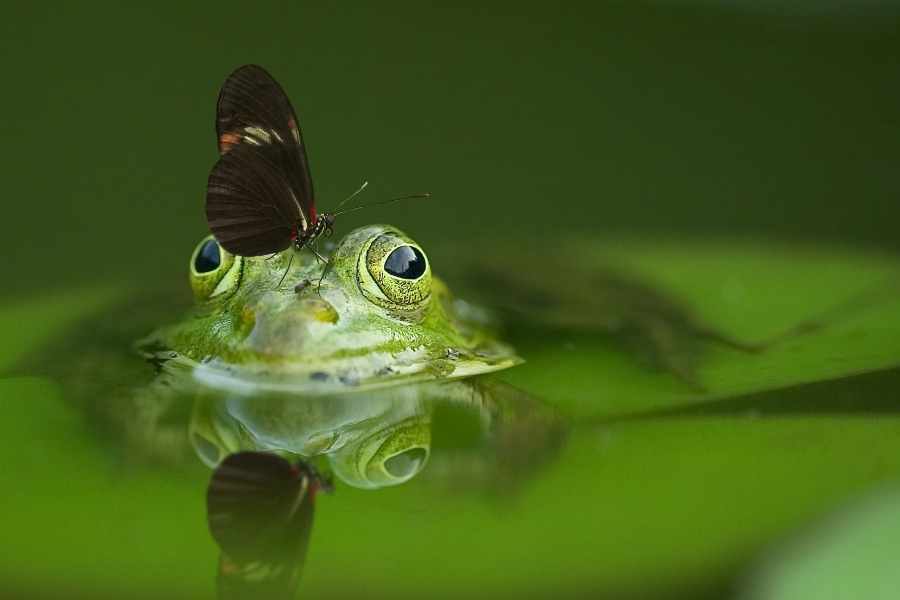
A wildlife pond turns ordinary space into a living sanctuary for frogs, dragonflies, and birds. Before you start digging, thoughtful planning will save you time, money, and maintenance headaches.
This guide walks you through location, size, depth profiles, edging, planting, and water quality—everything you need to create a resilient, natural wildlife pond that thrives in every season.
Choose The Right Spot
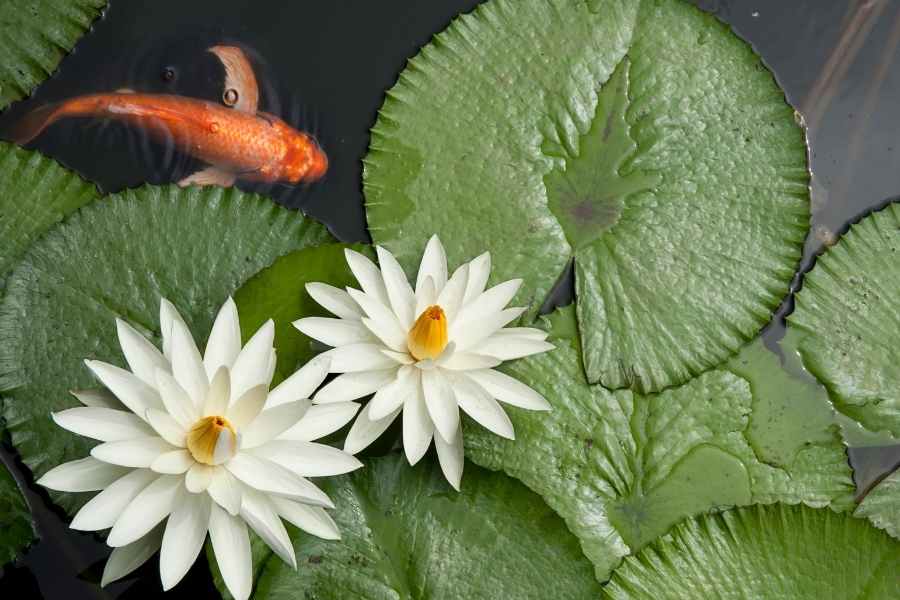
Pick a place with at least half a day of sun; light drives oxygenating plants and supports insect life. Avoid low spots that collect runoff from fertilized lawns or driveways—nutrition overload fuels algae blooms.
A site near shrubby cover gives amphibians shelter while keeping the pond visible for you to enjoy.
Consider access, too: you’ll want a safe, clear path for topping up water, pruning plants, and observing visitors. If you’re designing a garden wildlife pond in a front yard, think about neighbors and pets; a simple low fence or dense planting can create a gentle boundary.
Size, Shape & Depth (Think Habitat Layers)

Wildlife benefits from variety. Aim for a shallow beach (0–10 cm), a broad shelf (10–30 cm), and a deeper refuge (40–60+ cm). The beach lets birds bathe and pollinators drink; the shelf hosts marginal plants; the deeper area stays cool during heat waves and offers winter protection.
Curved, irregular shapes look natural and create microhabitats along the edges. Even a compact backyard wildlife pond can support impressive biodiversity if it includes gentle slopes and a few pockets of depth.
Linings & Edges That Look Natural
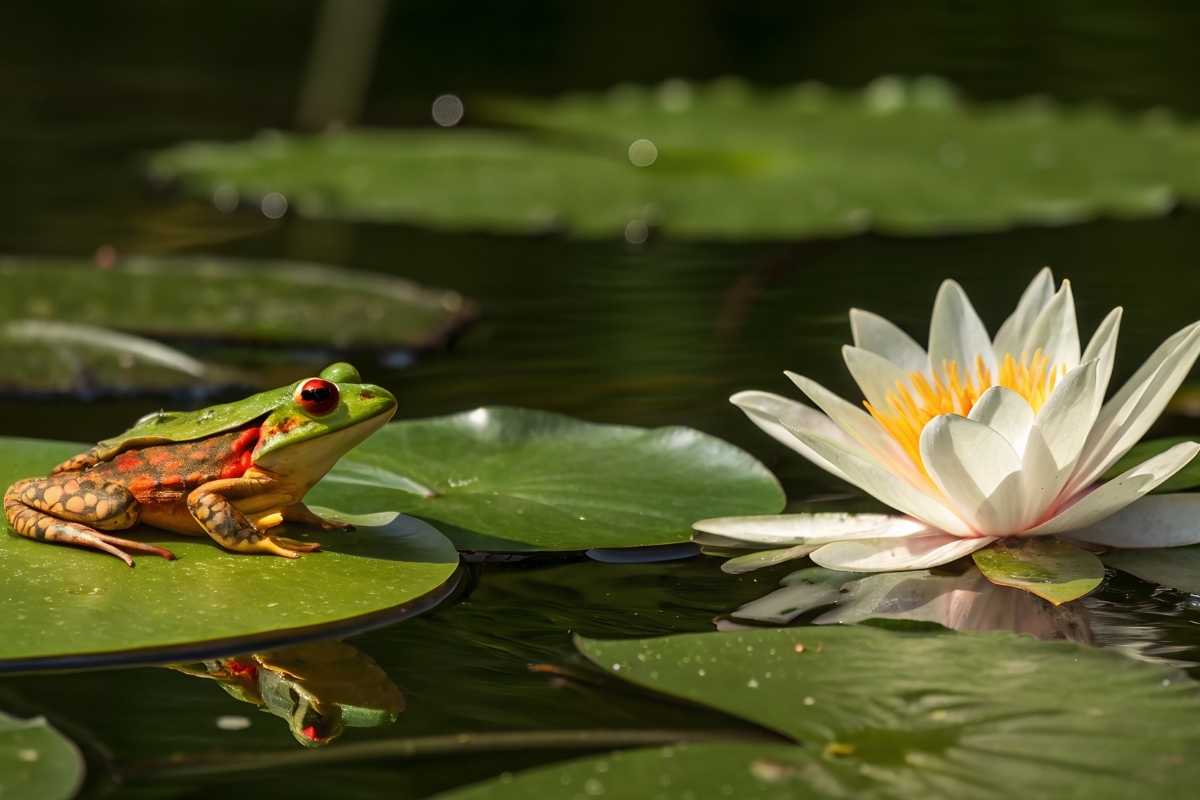
Flexible EPDM or butyl liners are reliable and easy to shape. Underlay them with sand or geotextile to prevent punctures. If you have clay soil, a puddled clay liner can be a traditional, ecological option—just allow time for proper compaction.
Disguise liner edges with a “capillary break”: lay the liner under a perimeter trench filled with gravel, then overlap flat stones or logs. This keeps lawn irrigation from wicking into the pond and gives your natural wildlife pond a seamless, organic look.
Water Quality Without The Headache
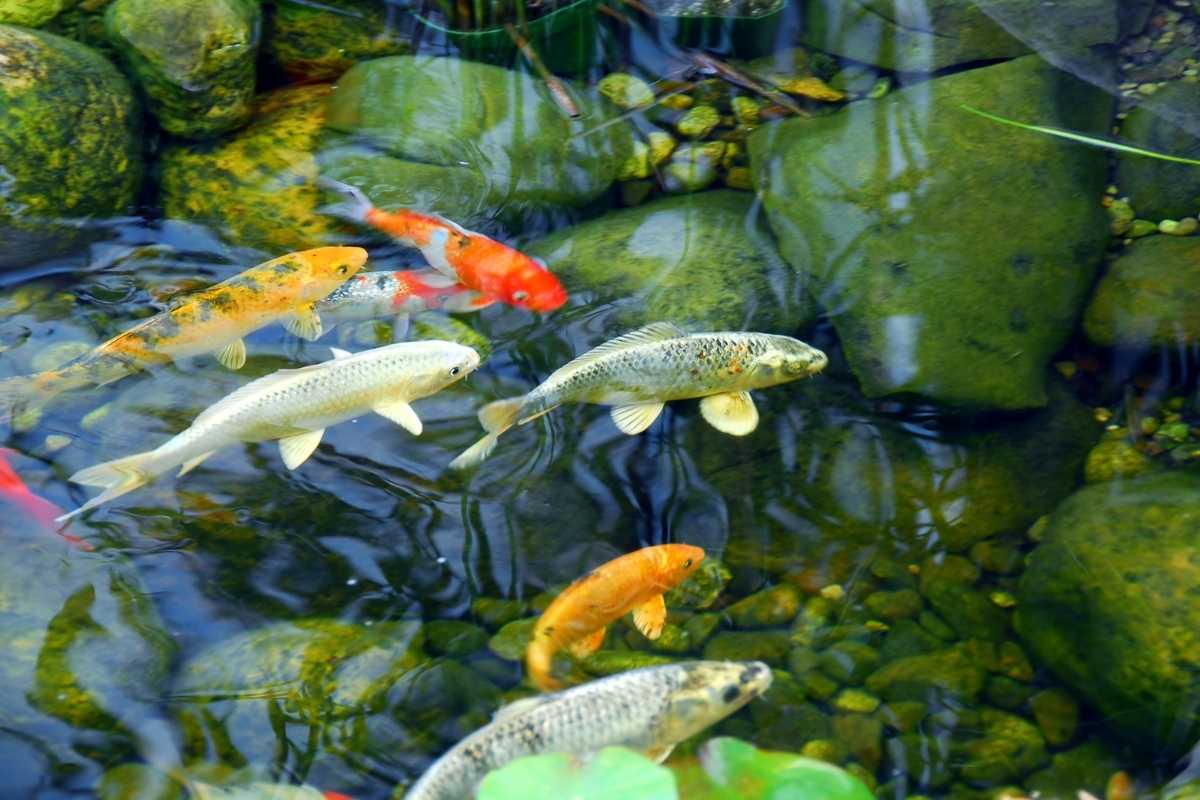
Skip tap-water top-ups where possible; harvested rainwater is gentler on pond ecosystems. Avoid pumps and filters unless you’re keeping fish—still water with plants can be crystal clear.
A handful of submerged oxygenators and a modest patch of floating leaves will naturally balance light and nutrients.
If algae appears in the first season, stay calm. New ponds often “green up” before plants establish. Shade part of the surface with lilies, skim string algae by hand, and reduce nutrient inputs. Patience is part of successful garden wildlife pond management.
Planting For Structure & Shelter
Use a mix of submerged, marginal, and floating plants. Submerged oxygenators stabilize water; marginals create nurseries for insects and amphibians; floaters provide shade and resting pads. Plant in baskets with low-nutrient substrate or washed grit to limit runoff feeding algae.
Favor regionally appropriate natives when available—they’re best matched to local wildlife. Stagger bloom times to support pollinators from spring through fall, and leave some seedheads over winter for texture and shelter.
Hardscape, Logs & Stones (Instant Habitat)
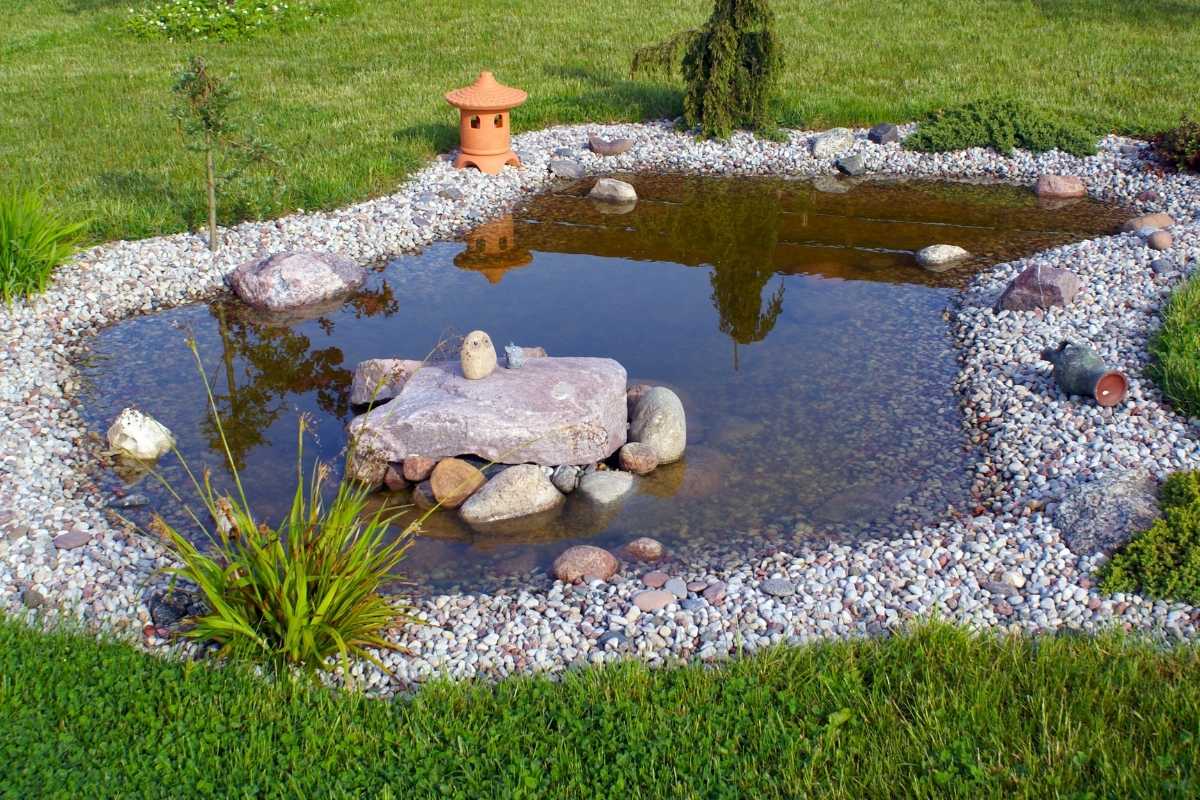
Half-submerged logs, flat basking rocks, and brush piles turn your pond edge into a miniature nature reserve. Create at least one “amphibian tunnel” gap in edging so toads and frogs can slip in and out easily. A modest gravel beach doubles as a safe drinking spot for birds and beneficial insects.
Keep one side wilder and the other neatly edged. This contrast makes the space feel intentional while delivering the messy richness wildlife needs.
Safety, Access & Year-Round Care
For households with children, design a wide, shallow shelf and install discreet barriers or dense planting along the steepest edges. Non-slip stepping stones and a small landing pad simplify maintenance and observation.
Maintenance is light: thin aggressive plants in late summer, scoop excess leaves in fall, and top up with rainwater during dry spells. Resist the urge to “spring clean” too hard—over-tidying removes the very habitat that makes a wildlife pond special.
Common Mistakes To Avoid
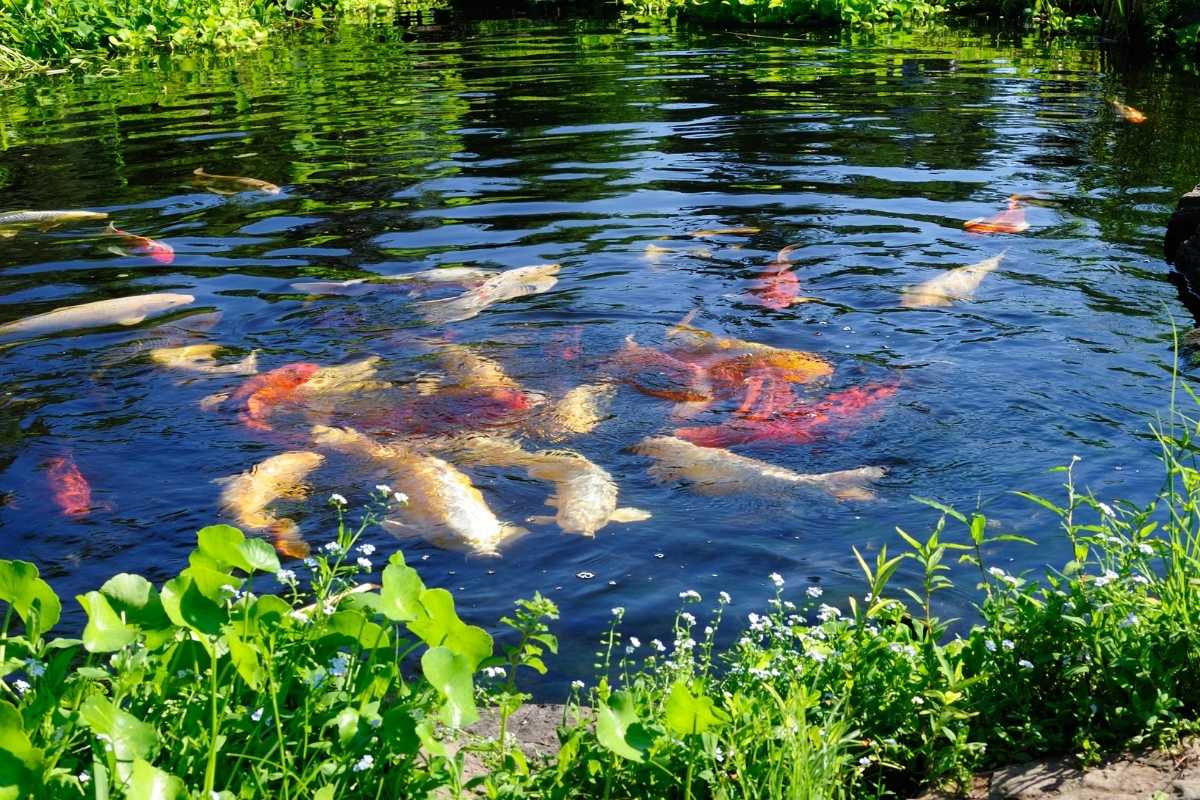
Fish may be fun, but they eat eggs and tadpoles; if your goal is biodiversity, skip them. Don’t use potting soil in baskets—it leaches nutrients and clouds the water. Avoid waterfalls aimed at maximum splash; many amphibians prefer quieter edges.
Finally, don’t plant invasives. Research selections before you buy, and favor reputable nurseries that label species clearly.
Budget & Material Tips
On a budget? Start small: a preformed shell or a half-barrel can kick off a microhabitat that you later expand. Source stones locally and use reclaimed logs for edge interest. A single rain barrel can provide most top-ups for a compact backyard wildlife pond.
Invest where it counts: quality liner, good underlay, sturdy edging, and a few well-chosen plants. These choices deliver durability and low maintenance.
How To Make A Wildlife Pond (Quick Plan)
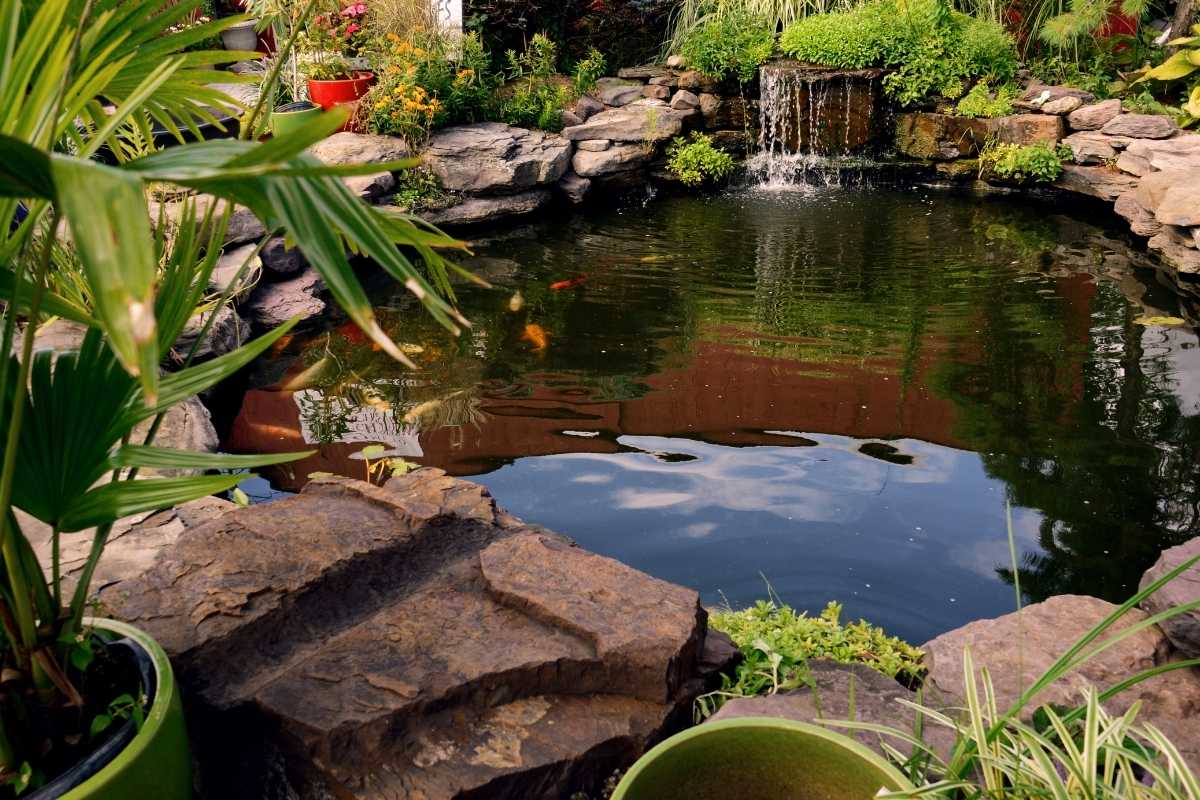
1) Outline shape with a hose, dig shelves and a deeper pocket.
2) Add underlay and liner, fill partially to settle.
3) Build the edge with stones or logs, creating a shallow beach.
4) Plant oxygenators, marginals, and floaters.
5) Top up with rainwater and let the system establish. This “less-is-more” approach is exactly how to make a wildlife pond that balances itself.
Give it a season to mature. As plants root and shade increases, you’ll see clearer water and more visitors each month.
Integrating With The Rest Of Your Garden
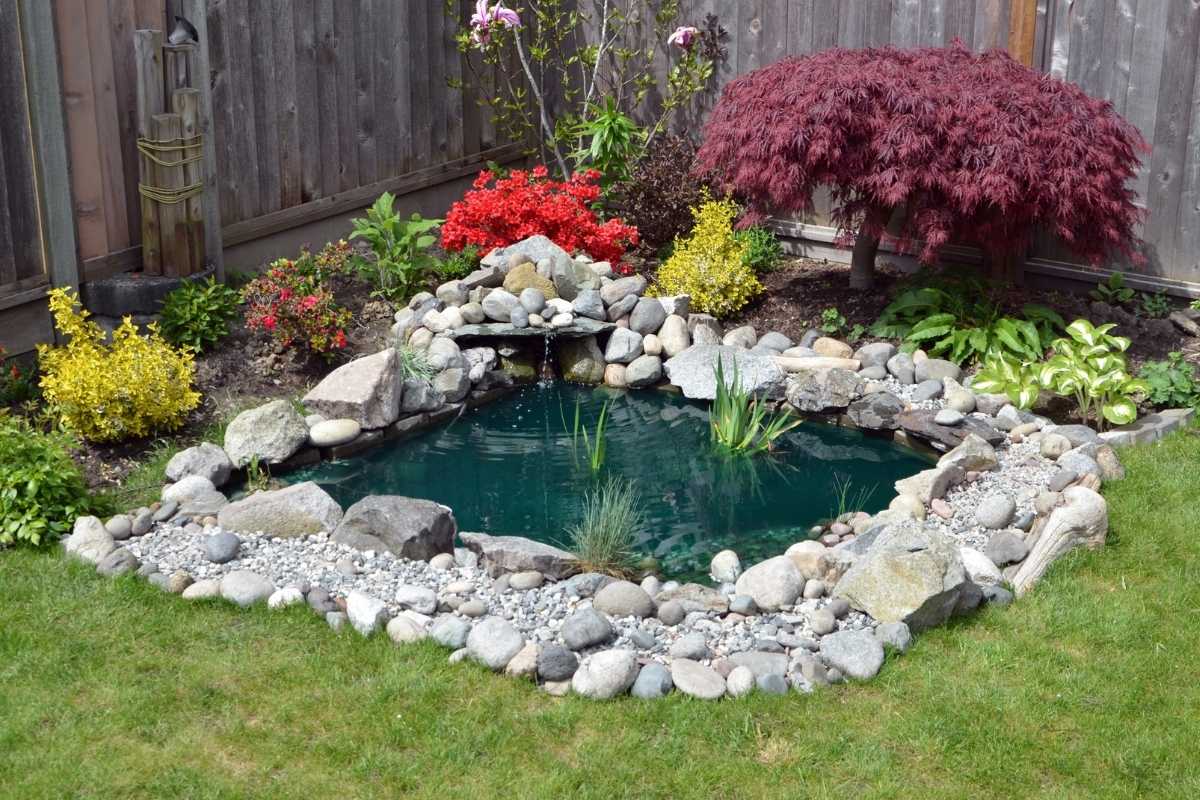
Tie the pond into beds with grasses, native flowers, and a meandering mulch path for access. A simple bench nearby invites quiet viewing and daily check-ins. Bird boxes, solitary bee hotels, and a small woodpile amplify the biodiversity benefits.
Whether you’re building a courtyard feature or a full-sized garden wildlife pond, keep lighting minimal and warm-toned at night—bright floodlights disrupt nocturnal species.
Seasonal Wildlife Highlights
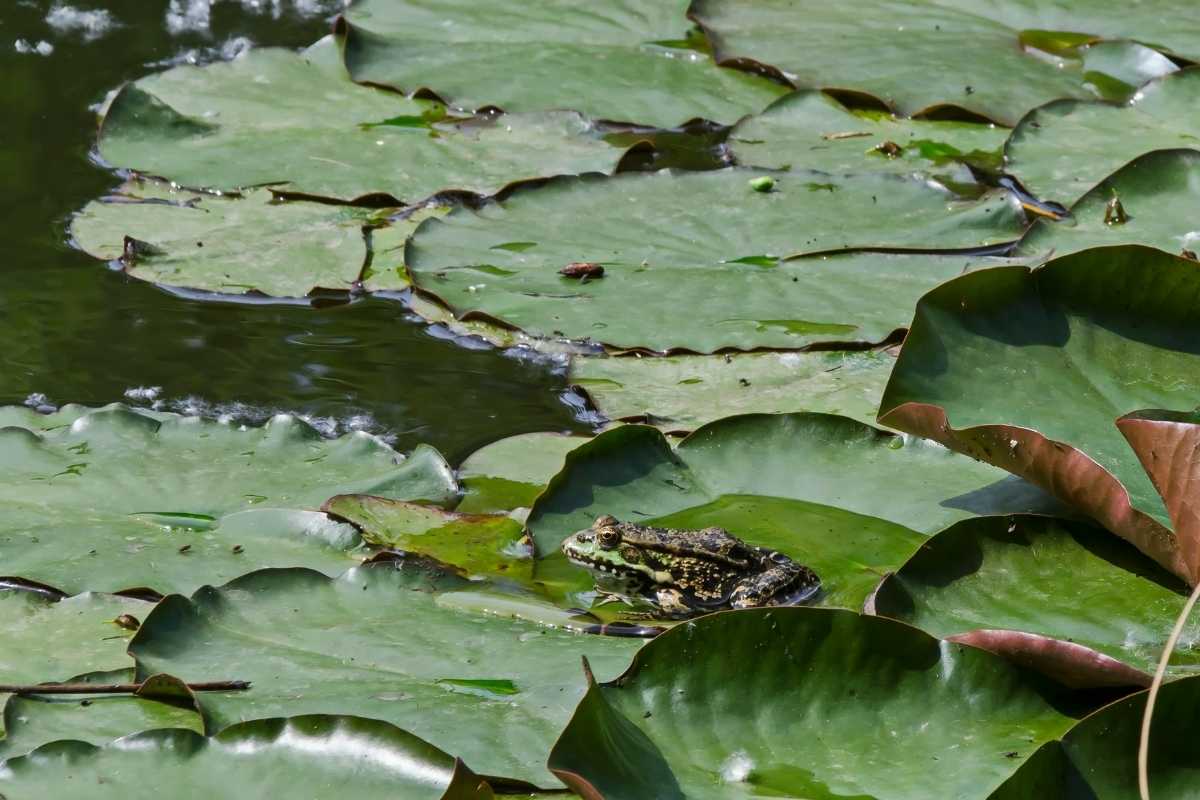
Spring brings frogspawn and the first damselflies; summer hums with dragonflies and swallowtail visits; autumn seedheads feed finches; winter reflections turn the water into living sculpture. Each season rewards your careful planning.
Over time, your natural wildlife pond becomes a small, self-sustaining ecosystem—beautiful, educational, and buzzing with life.
Keep Exploring
Inspired to build yours? Browse more planting lists, liner comparisons, and design sketches on Urbaki Gardening. With a bit of planning and patience, your wildlife pond will become the most captivating corner of the garden.
More Gardening Tips 👇🏼👇🏼