
7 DIY Natural Cleaners You Can Make at Home for Pennies

Store-bought sprays add up fast, and many of them do the same job as a few basics you probably already own: water, rubbing alcohol, dish soap, white vinegar, baking soda and hydrogen peroxide. In the video below, Melissa Maker of Clean My Space walks through seven natural cleaners she makes at home. Below the video you'll find the recipes written out, plus the safety rules that matter most when you mix your own products.
Enjoy Watching This Video About Home
Source: Clean My Space
What you need before you start
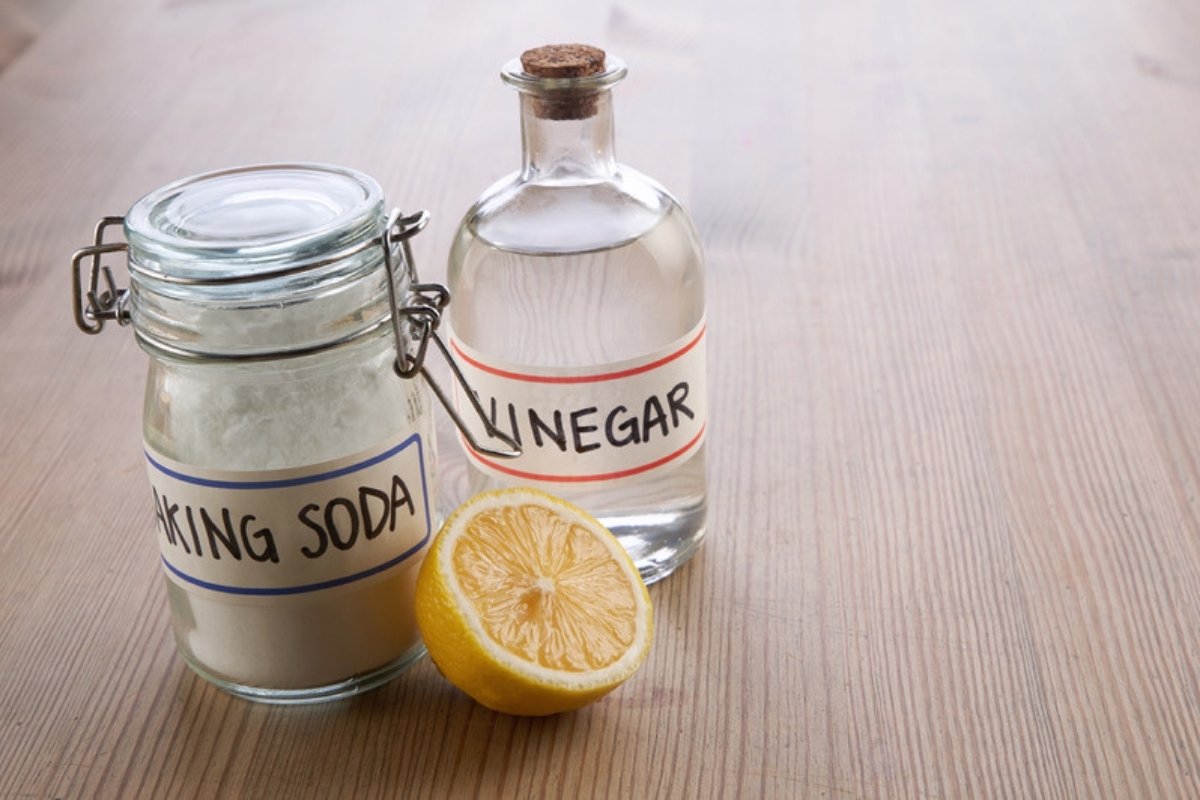
Get a few empty spray bottles, one squeeze bottle with a cap, a funnel and a marker or labels. Glass bottles last longer, but plastic is fine for most recipes. Use distilled white vinegar, 70% rubbing alcohol and a gentle, unscented dish soap or liquid castile soap. Essential oils such as tea tree, lavender or sweet orange are optional and only add scent.

1. All-purpose spray
Mix 1½ cups water, ½ cup rubbing alcohol and 1 teaspoon gentle dish soap in a spray bottle and shake. The alcohol helps the spray dry quickly with fewer streaks, which makes it handy for counters, tables, appliance fronts and stainless steel. Because it contains no vinegar, it's a good everyday choice for sealed natural stone too. You can swap the dish soap for castile soap, just never add vinegar to a bottle that contains castile soap: the two react and leave a greasy film.
2. Glass and mirror cleaner
Combine 1 cup water, ¼ cup white vinegar and 2 tablespoons rubbing alcohol. Spray lightly and wipe with a lint-free or microfiber cloth. Work on cool glass, out of direct sun, so the solution doesn't dry before you buff it off.
3. Kitchen degreaser
For greasy stovetops, range hoods and backsplashes, stir baking soda with a little dish soap until you get a spreadable paste (a few drops of sweet orange oil are optional). Spread it on, let it sit a few minutes, then wipe with a damp cloth and rinse. The dish soap breaks down grease while the baking soda gives gentle scrubbing power.
4. Soft scrub for tubs and tile
Mix ½ cup baking soda with enough liquid castile soap to make a paste, plus about 15 drops of tea tree oil if you like. Apply, wait a few minutes, scrub and rinse. For heavier soap scum, add more baking soda so the paste is thicker and more abrasive.
5. Toilet bowl cleaner
In a squeeze bottle, combine ½ cup baking soda, ½ cup water, ¼ cup castile or dish soap, ¼ cup hydrogen peroxide and about 15 drops of tea tree oil. Squirt it under the rim and around the bowl, wait a few moments, scrub with the brush and flush. Shake before each use since the baking soda settles.
6. Floor cleaner for tile and vinyl
Add a splash of white vinegar (or a tiny amount of dish or castile soap, but not both together) to a bucket of hot water. Mop with a well-wrung mop so floors don't stay wet. Skip vinegar on hardwood and natural stone floors, where the acid can dull the finish.
7. Wood polish
Mix ¾ cup olive oil, ¼ cup white vinegar and 1 tablespoon lemon juice. Shake well, apply a small amount with a soft cloth and buff with a clean dry cloth. Use it on sealed wood and test a hidden spot first. Don't use it on waxed furniture, because vinegar can strip the wax layer.
Common mistakes to avoid
- Mixing vinegar and hydrogen peroxide in one bottle. Together they form peracetic acid, which irritates skin, eyes and lungs. You can use them one after the other on a surface if you wipe in between.
- Combining homemade cleaners with bleach. Vinegar plus bleach releases chlorine gas, and bleach plus ammonia creates chloramine vapors. Keep bleach completely separate.
- Mixing equal parts vinegar and baking soda. The fizz looks impressive, but the acid and base neutralize each other and you lose cleaning power.
- Using vinegar everywhere. Its acidity can etch marble, granite and limestone, strip hardwood floor finishes and remove the seasoning from cast iron.
- Skipping labels. Write the ingredients and the date on every bottle, and keep everything away from kids and pets.
Frequently asked questions
Do homemade cleaners disinfect?
They handle everyday dirt and grime well, and vinegar and hydrogen peroxide can kill some germs. When someone in the house has the flu, a stomach bug or another illness, use an EPA-registered disinfectant or a properly diluted bleach solution on high-touch surfaces instead.
How long do DIY cleaners last?
Most keep for several weeks to a few months. Store them in a cool, dark place, shake before using, and throw out any batch that changes color, smell or texture. Small batches are easier to use up while they're fresh.
More home ideas
- Pre-Holiday Cleaning: 7 Spots to Clean Before Guests Arrive
- When Should You Wash Your Towels? The Answer May Surprise You
- 7 Smart Dishwasher Tips for a Cleaner and Easier Kitchen
Did you find this post useful or inspiring? Save THIS PIN to your Home Board on Pinterest!
More Home Tips 👇🏼👇🏼