
- Urbaki Home
- Decor
- Feng Shui
- These Are the Best House Plants for Good Feng Shui
These Are the Best House Plants for Good Feng Shui

15/07/2021 · Updated on: 09/02/2026

Bringing plants into your home does more than fill an empty corner. The right plants can help you create a space that feels calm, supportive, and full of good energy.
In Feng Shui, plants represent growth, renewal, and life force, so choosing them with intention (and placing them in the right spot) can support areas of your life like abundance, love, creativity, and well-being.
You do not need to turn your home into a jungle. You just need a few plants with purpose.
Before we get into the best Feng Shui plants for positive energy, let’s slow down and talk about what all this really means.
What Is Feng Shui, in Simple Terms?
Feng Shui is an ancient Chinese practice of arranging your environment in a way that supports your life.
The idea is that the way you place objects, furniture, light, and even plants affects how energy (often called “chi”) moves through your home.
When that energy flows well, you may feel more supported, more focused, and more at peace.
One of the most practical tools in Feng Shui is the Bagua map. The Bagua divides your space into different “life areas,” like abundance, love, health, creativity, career, and so on.
You can use plants in these areas to “feed” that part of your life with fresh, living energy.
You don’t have to be an expert or draw floor plans to get started. Below, you’ll see easy placement tips for each plant, so you can try this right away.
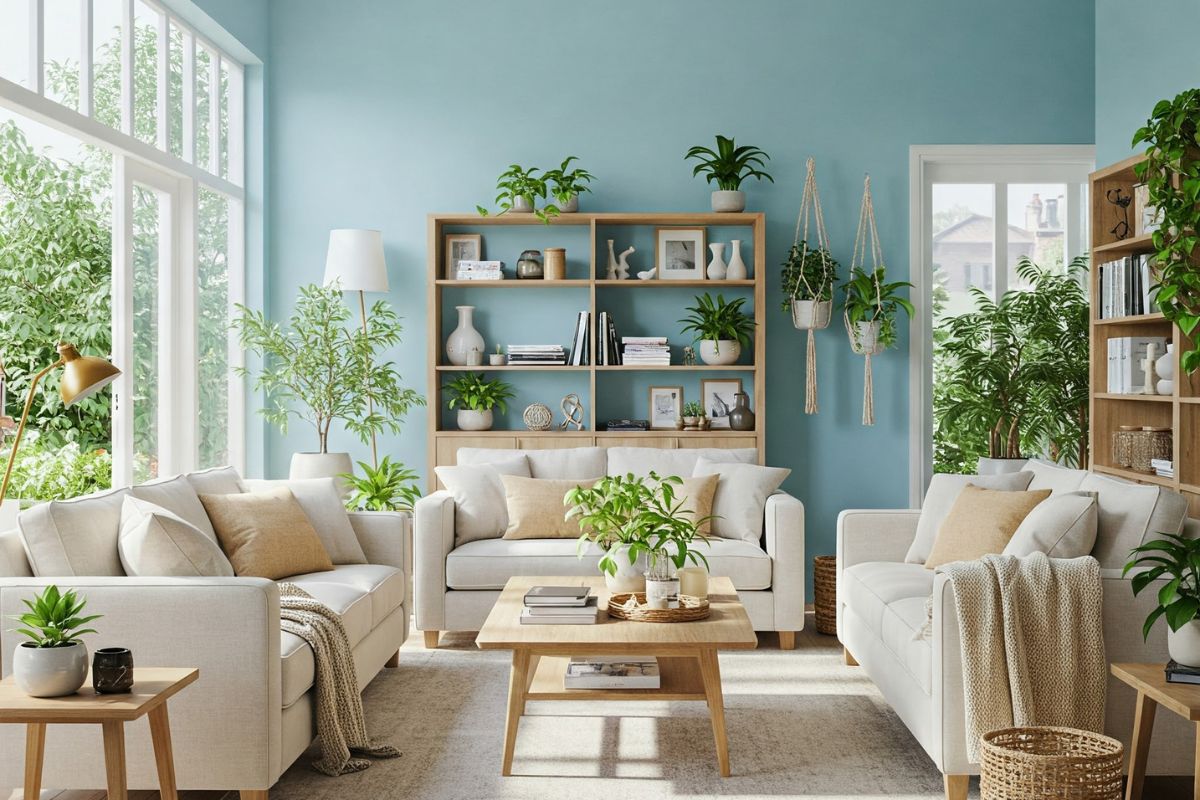 Where to Put Your Plants for Good Feng Shui
You’ll see references to a few classic areas of the Bagua:
Wealth and abundance area: Often connected to the back-left corner of your home (or a specific room) when you’re standing at the entrance looking in. This area is linked to prosperity, opportunities, and growth.
Love and relationships area: Often connected to the back-right corner. This area supports romance, partnership, and harmony.
Health and overall balance: Often associated with the center of the home. A strong, healthy plant here symbolizes vitality.
Creativity and self-expression: Often placed in the right-middle or western side of a room or home. This area supports fresh ideas and confidence.
You don’t have to be perfect. The most important rule in real-life Feng Shui is this: choose a spot where the plant will actually thrive. A stressed, dying plant does not create supportive energy. A happy plant does.
Best Feng Shui Plants for Positive Energy
Money Tree (Pachira aquatica)
What energy it supports:
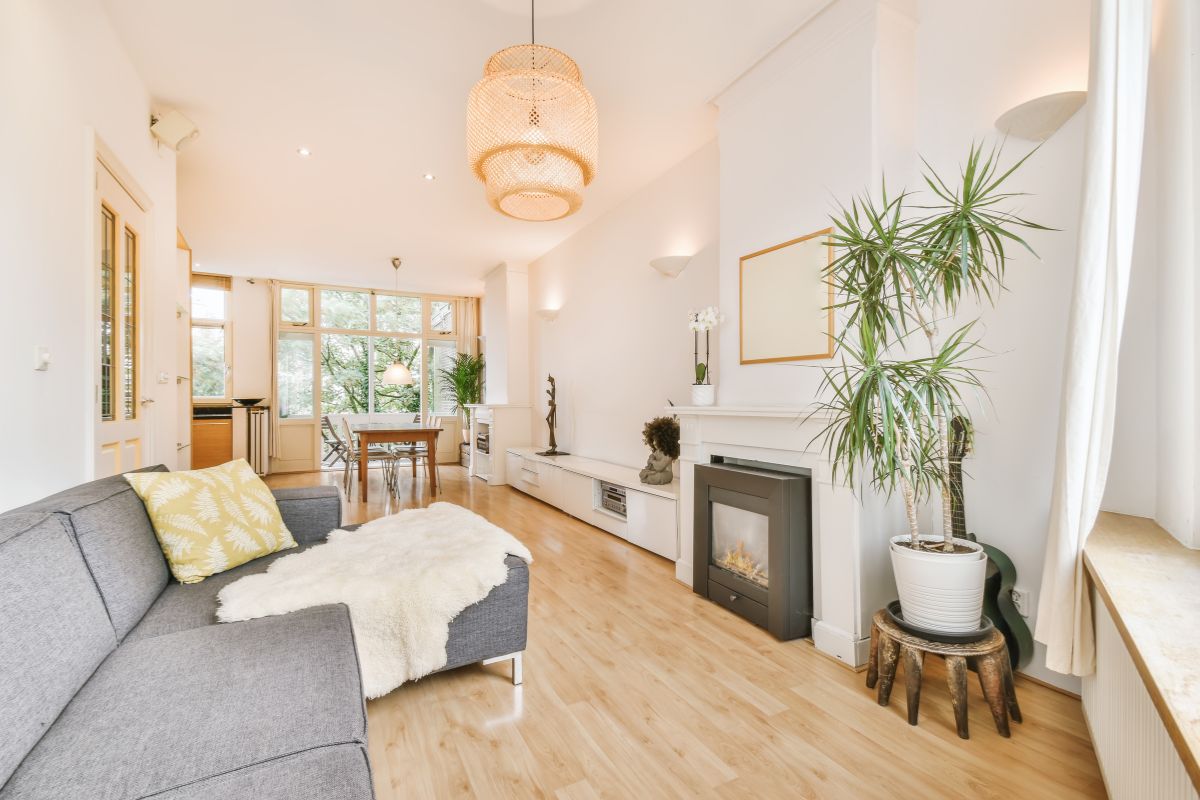
The money tree is famous for attracting prosperity, luck, and opportunities. In Feng Shui, its braided trunk is often seen as a symbol of stability and protection, and its lush green leaves represent upward growth.
 Where to place it:
The classic place is the wealth corner (the “abundance” area of your home or office).
Many people also keep a money tree near their workspace or where financial decisions are made, like near your desk or where you pay bills, to encourage confident money flow.
Care basics:
Money trees like bright, indirect light and slightly moist (not soggy) soil.
They can adapt well indoors, which is part of why they’re considered one of the best indoor plants for good Feng Shui — they stay green and full with reasonable care, which keeps that “growth” symbolism alive.
Lucky Bamboo (Dracaena sanderiana)
What energy it supports:
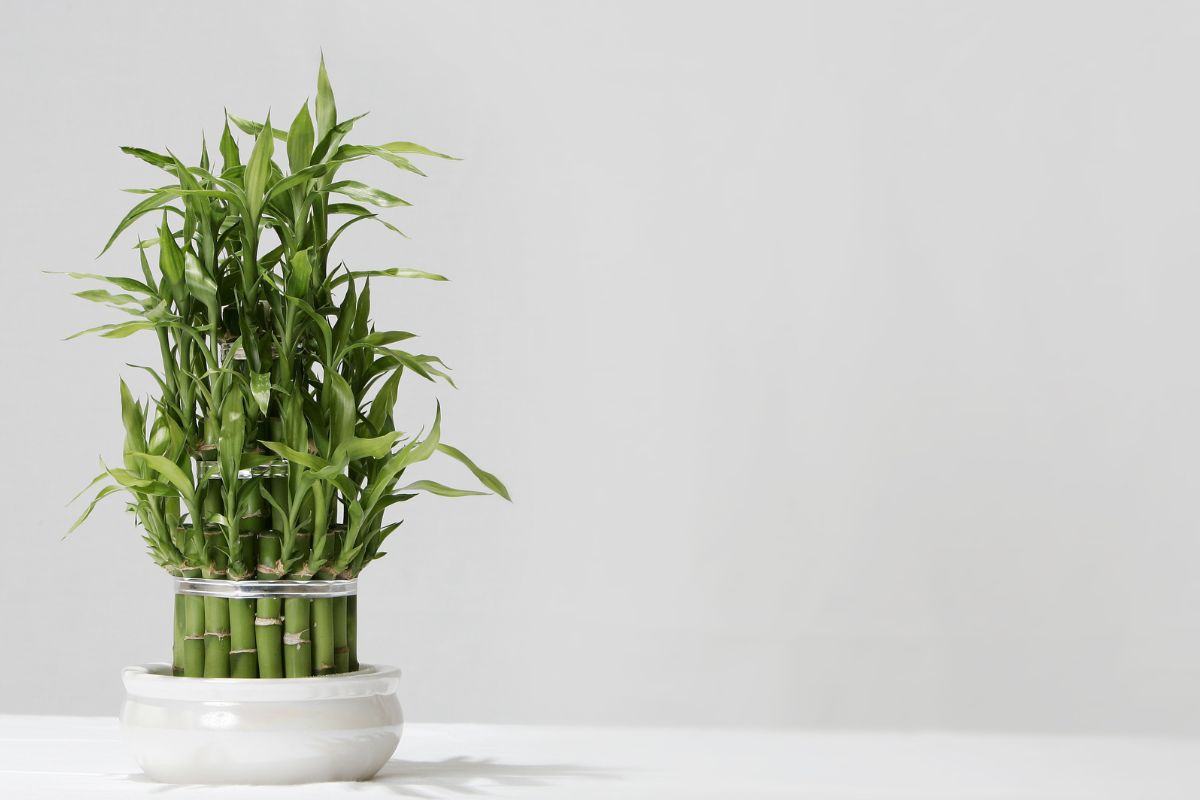
Lucky bamboo is strongly connected to good fortune, resilience, and steady growth. It’s often given as a gift for new homes or new jobs. In traditional Feng Shui, the number of stalks matters:
3 stalks: happiness
5 stalks: health
8 stalks: wealth
9 stalks: overall good luck
 Where to place it:
Lucky bamboo is flexible. You can put it in the wealth area for abundance, or in the health area (center of the home) for balance and well-being.
It also works well in entryways, where it’s believed to welcome good energy into the home.
Care basics:
This plant is very low-maintenance. It can grow in water or soil, and it does best in indirect light. Keep the water fresh and clean if you’re growing it hydroponically.
Citrus Trees (Lemon, Orange, etc.)
What energy it supports:
Citrus trees are linked to wealth, freshness, and optimism. The fruit itself is seen as a symbol of abundance and “sweetness” in life. A healthy citrus plant also sends a visual message of health and vitality.
Where to place it:
Small potted citrus trees are great near sunny windows, in your wealth/abundance corner, or in social spaces like the dining room or kitchen. The idea is to encourage generosity, celebration, and flow.
Care basics:
They love bright, direct to bright indirect light. Citrus likes regular watering but also good drainage. If the tree is healthy and producing glossy leaves (and maybe fruit), it sends a strong message of success and nourishment.
 Orchids
What energy they support:
In Feng Shui, orchids are traditionally associated with love, beauty, elegance, and fertility. They’re often used to support romantic relationships, self-worth, and emotional connection.
Where to place them:
Orchids are commonly placed in the love and relationships area of the home or bedroom. Soft pinks or whites are often chosen to symbolize tenderness, calm, and sincere connection.
They can also work in the creativity area, especially white orchids, because they have a very clean, focused look that supports clarity and inspiration.
Care basics:
Orchids like bright, indirect light and do not want to sit in water. Let them dry slightly between waterings. A well-kept orchid gives the space a feeling of intentional care and respect, which is powerful energy in itself.
Peonies
What energy they support:
Peonies represent romance, attraction, and soft, loving energy. They’re also linked to grace and emotional warmth.
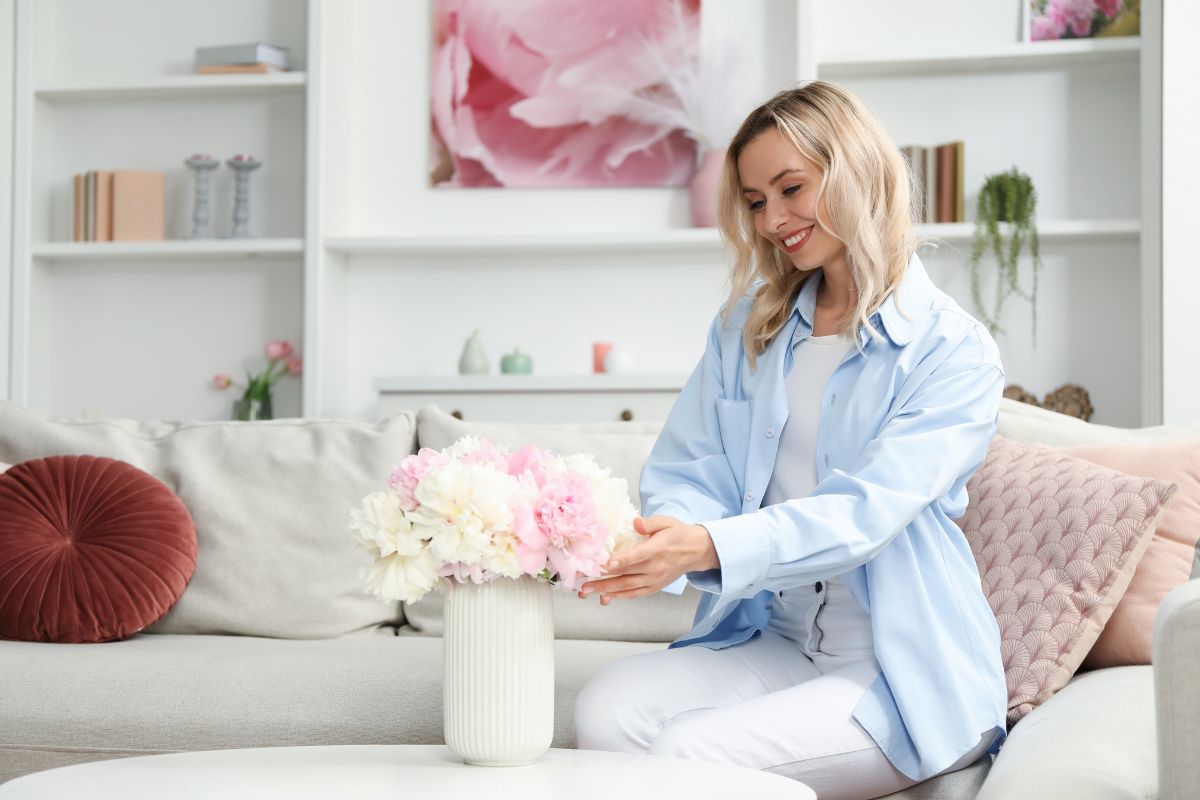
Even when you cannot grow peonies indoors long-term in your climate, peony imagery (fresh cut peonies or even good-quality art of peonies) is often used in classic Feng Shui for love luck.
Where to place them:
They are often suggested for the love/relationships corner or in shared spaces where you want tenderness and warmth, like a bedroom you share with a partner.
Care basics:
Fresh peonies, of course, are seasonal. If you can’t keep the real plant indoors year-round, you can still use peonies as cut flowers to “activate” romantic energy for a few days. The message is softness and openness, not perfection.
 Healthy Green Houseplants With Rounded Leaves
Not every single plant needs a special symbolic story. In general, healthy plants with soft, rounded, upward-growing leaves are considered good for calm, supportive energy.
The rounded leaves suggest gentle flow instead of harsh edges, and the upward growth suggests progress.
Pothos, jade plant (Crassula ovata), Chinese evergreen (Aglaonema), and snake plant (Sansevieria) are all popular, but snake plants can have sharper, more vertical leaves, so some people prefer them in areas where alertness and boundaries are good — like an office — instead of a quiet bedroom.
Where to place them:
Rounded, full, lush plants can go in shared living areas, entry areas, or any corner that feels “stuck” or dull. You are basically waking up that corner with fresh life.
Care basics:
Choose plants that match your light. A strong rule in Feng Shui is this: a thriving plant symbolizes thriving energy, and a struggling plant symbolizes blocked energy. Pick a plant you can realistically care for.
A Note About Cactus and Spiky Plants
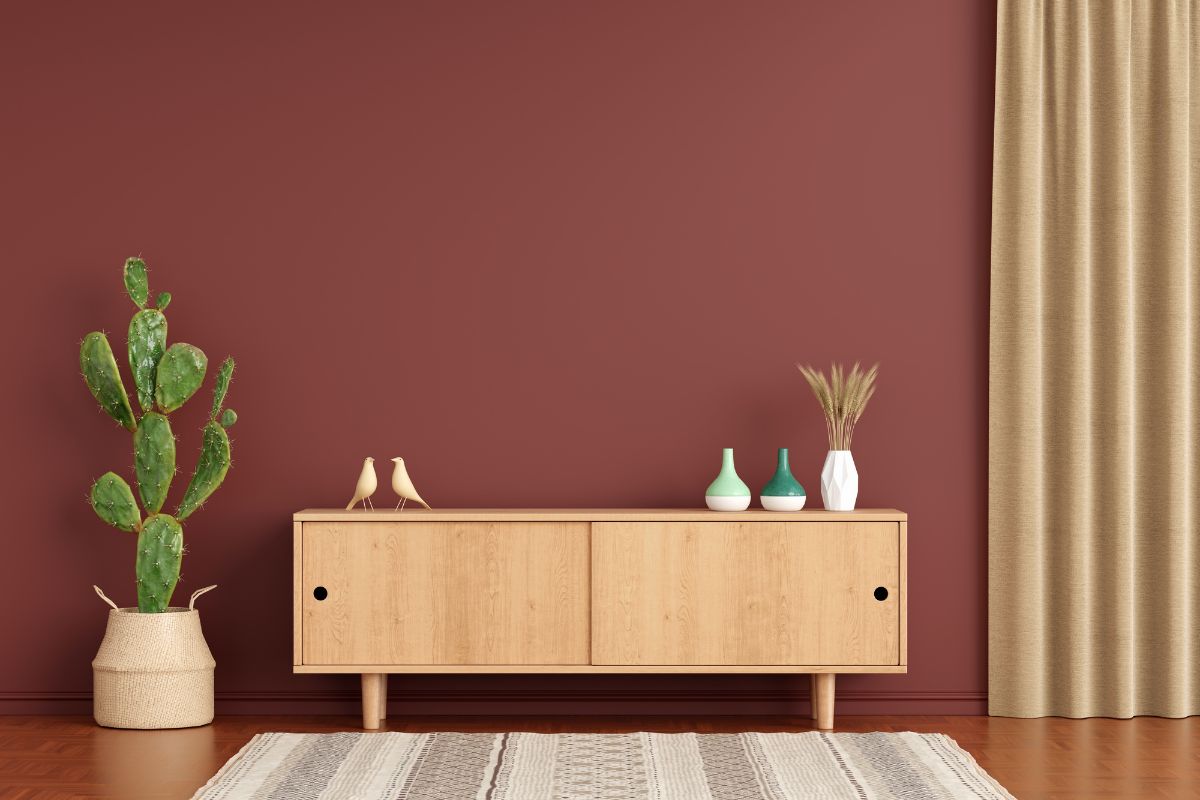
You may have heard that cactus or very spiky plants are “bad Feng Shui.” The idea behind this is that sharp spines can create a feeling of tension or “cutting energy,” especially in areas where you want softness, rest, or romance.
Here is a more balanced way to look at it:
You do not have to get rid of the plants you love. Instead, think about placement. If a plant feels intense or sharp, avoid putting it right next to your bed or in a cozy reading nook.
Instead, place it in a spot where you want alertness and protection, like near a front entry or in a workspace where you want to stay energized.
This approach keeps the message kind, not fearful.
 How to Start Using Feng Shui Plants (Without Overthinking It)
It’s easy to get overwhelmed and feel like you have to redo your entire home to “fix the energy.” That is not the goal. Feng Shui is not about perfection. It’s about intention.
Here is a gentle way to begin:
Choose one area of your life you’d like to support right now — maybe abundance, love, health, or creativity.
Place one healthy plant in the matching area of your home (wealth corner, love corner, center for health, etc.).
Care for that plant. Water it, wipe its leaves, give it good light. Notice how that small ritual changes the way you feel in that space.
When you water a plant with attention, you’re also watering that part of your life.
H2: Your Small Green Ritual of Good Energy
You don’t need a designer, a full makeover, or a perfect map on the wall. You just need one living thing that you chose on purpose.
A money tree for prosperity, an orchid for love, a small lucky bamboo for steady good luck, or even a simple, lush green plant in the center of your home to support well-being — each one is a quiet reminder that your space is allowed to care for you.
Start with one plant. Give it a meaningful spot. Let that corner become the calm, grounded moment you return to every day.
Enjoy Watching This Video

Source: Lipsha world
Did you find this post useful or inspiring? Save THIS PIN to your HOME Board on Pinterest! 
Once again, thank you for visiting our website!
We hope you've enjoyed exploring the content we've created for you.
Give yourself the chance to learn, get inspired, and have even more fun, keep browsing...
I’m Olivia, a firm believer that a happy home is built on the perfect balance of style and function. From DIY weekend projects and deep-cleaning hacks to finding the best decor trends on a budget, I love sharing practical ways to make your living space truly yours. My goal is to help you turn your house into a sanctuary, one organized corner at a time.
More Home Tips 👇🏼👇🏼