
10 Essentials You Need for a Solo Camping Trip
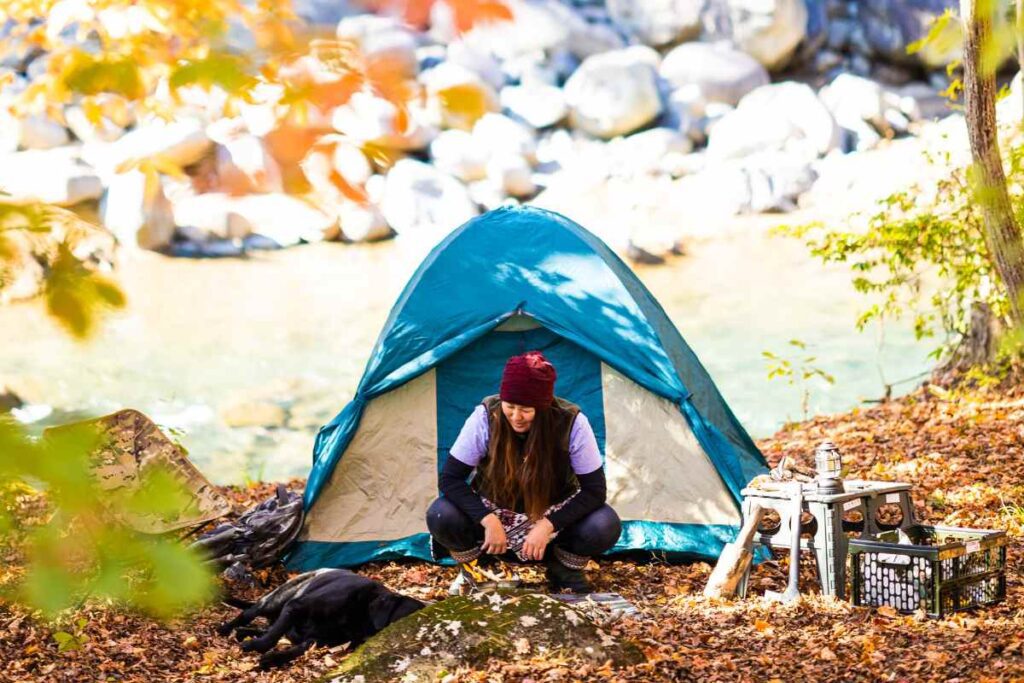
Embarking on a Solo Camping Trip can be a thrilling and rewarding experience. Whether you’re seeking solitude, self-discovery, or simply a break from the daily grind, camping alone offers a unique opportunity to connect with nature and yourself.
Still, being prepared is key to making your trip both safe and enjoyable. In this article, we'll go over the 10 essentials you need for a solo camping trip so you're fully equipped for your time in the wild.
Solo Camping Trip: The Importance of Preparation
When planning a Solo Camping Trip, preparation is key. Unlike group camping, where tasks and supplies can be shared, solo camping requires you to be entirely self-sufficient.
This means that every piece of gear you bring and every skill you possess will directly impact your safety and comfort.
From setting up camp to preparing meals, you’ll need to manage everything on your own, making it essential to pack smartly and efficiently.
1. Shelter: A Reliable Tent
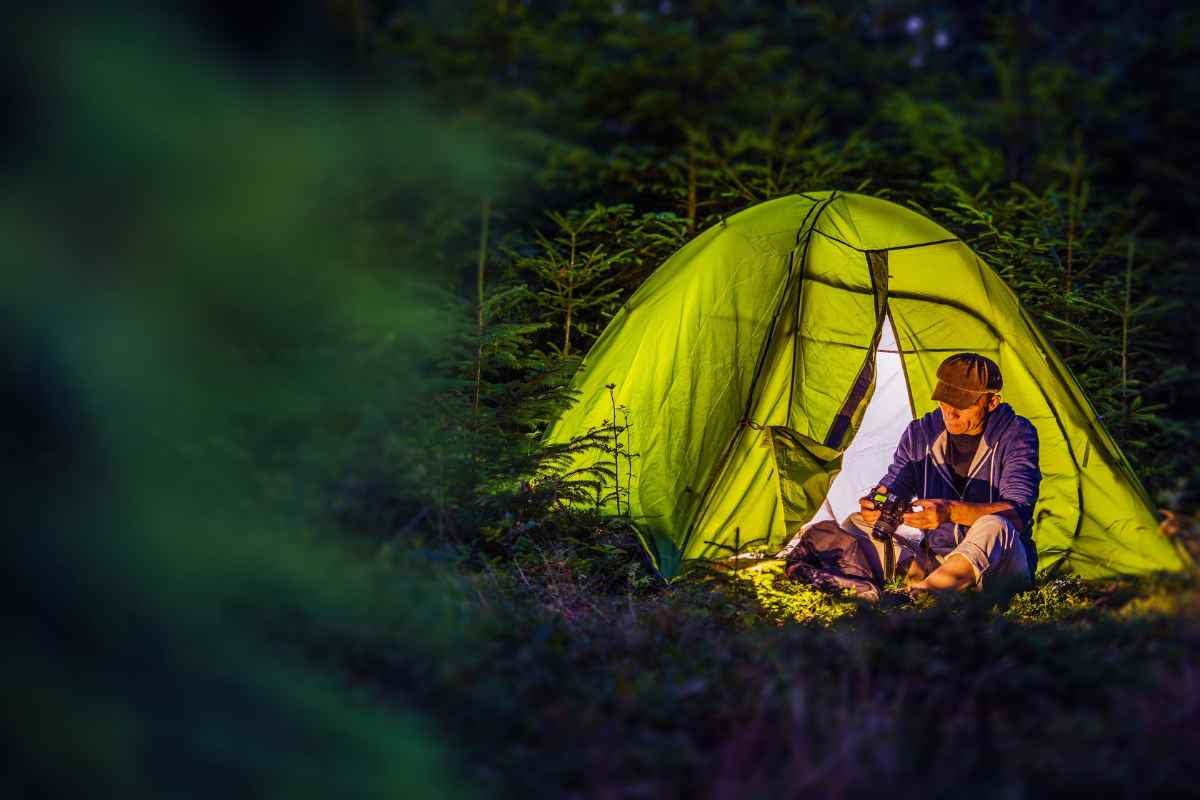
Your tent is your home away from home, and it’s one of the most important items on your packing list. For a Solo Camping Trip, choose a tent that is lightweight, easy to set up, and provides adequate protection from the elements.
Look for a tent designed specifically for solo campers, as these tend to be more compact and easier to carry. Ensure that your tent is also equipped with a good rainfly to keep you dry in case of unexpected weather.
2. Sleeping Bag and Sleeping Pad
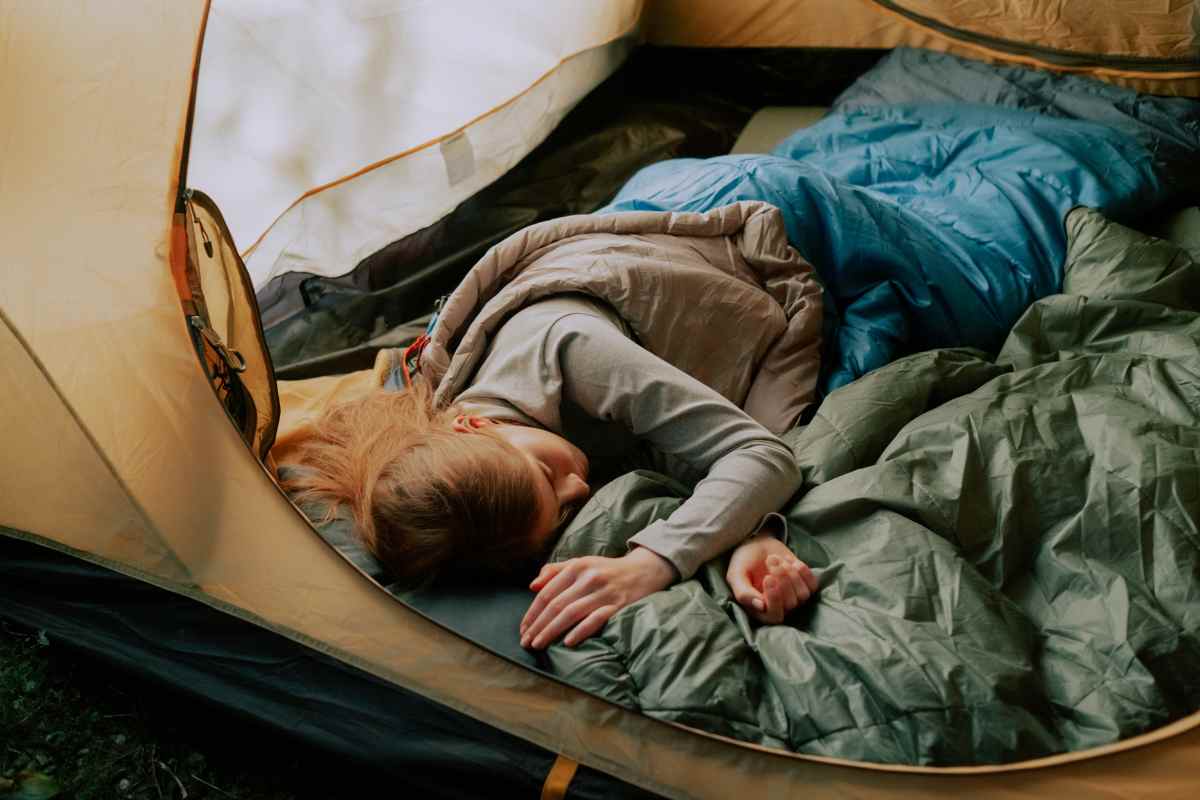
A good night’s sleep is essential for a successful camping trip, especially when you’re on your own. Invest in a high-quality sleeping bag that’s appropriate for the season and location of your Solo Camping Trip.
For added comfort and insulation, bring a sleeping pad. The sleeping pad not only provides cushioning but also helps to keep you warm by insulating you from the cold ground.
3. Navigation Tools: Map, Compass, and GPS
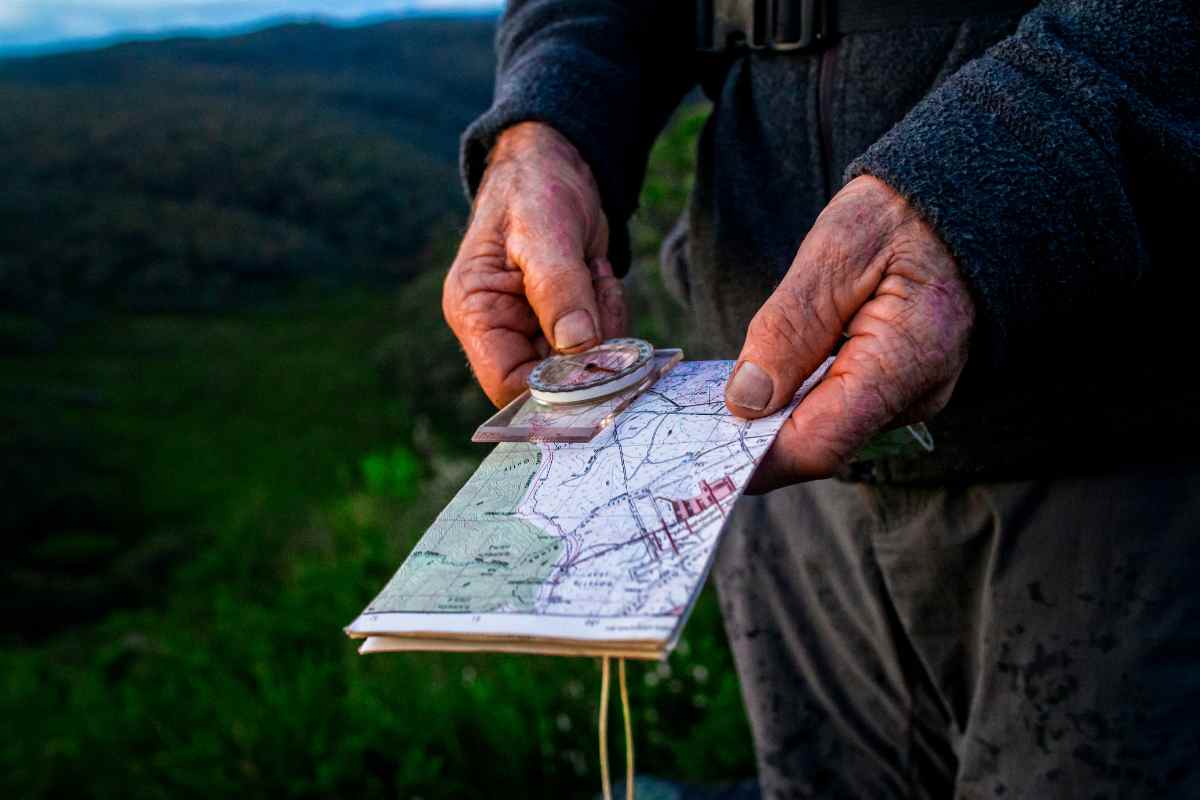
Getting lost is a common concern for solo campers, so having reliable navigation tools is a must. Always carry a detailed map of the area you’ll be exploring, along with a compass and a GPS device.
While technology like GPS is incredibly useful, it’s also important to know how to use a map and compass in case your electronic devices fail.
Familiarize yourself with the terrain and route before you set out, and always let someone know your planned itinerary.
4. First Aid Kit
Accidents can happen, even to the most experienced campers. A well-stocked first aid kit is essential for treating minor injuries and managing emergencies.
Your first aid kit should include bandages, antiseptic wipes, pain relievers, blister treatment, and any personal medications you may need.
When camping solo, it’s especially important to know how to administer basic first aid, as you won’t have anyone else to rely on in case of an emergency.
5. Food and Cooking Gear
Meal planning is an important aspect of any Solo Camping Trip. Pack enough food to last the duration of your trip, plus a little extra in case of delays.
Choose non-perishable items that are lightweight and easy to prepare, such as freeze-dried meals, energy bars, and nuts. Don’t forget to bring a compact stove, cookware, and utensils for cooking and eating.
It’s also a good idea to carry a portable water filter or purification tablets to ensure you have access to safe drinking water.
6. Clothing: Layered and Weather-Appropriate
When camping solo, it’s essential to be prepared for any weather conditions. Pack clothing that can be layered to accommodate temperature changes.
Start with a moisture-wicking base layer, add an insulating layer such as fleece, and finish with a waterproof and windproof outer layer.
Don’t forget a hat, gloves, and extra socks. It’s better to have too many layers than too few, as staying warm and dry is crucial to your comfort and safety.
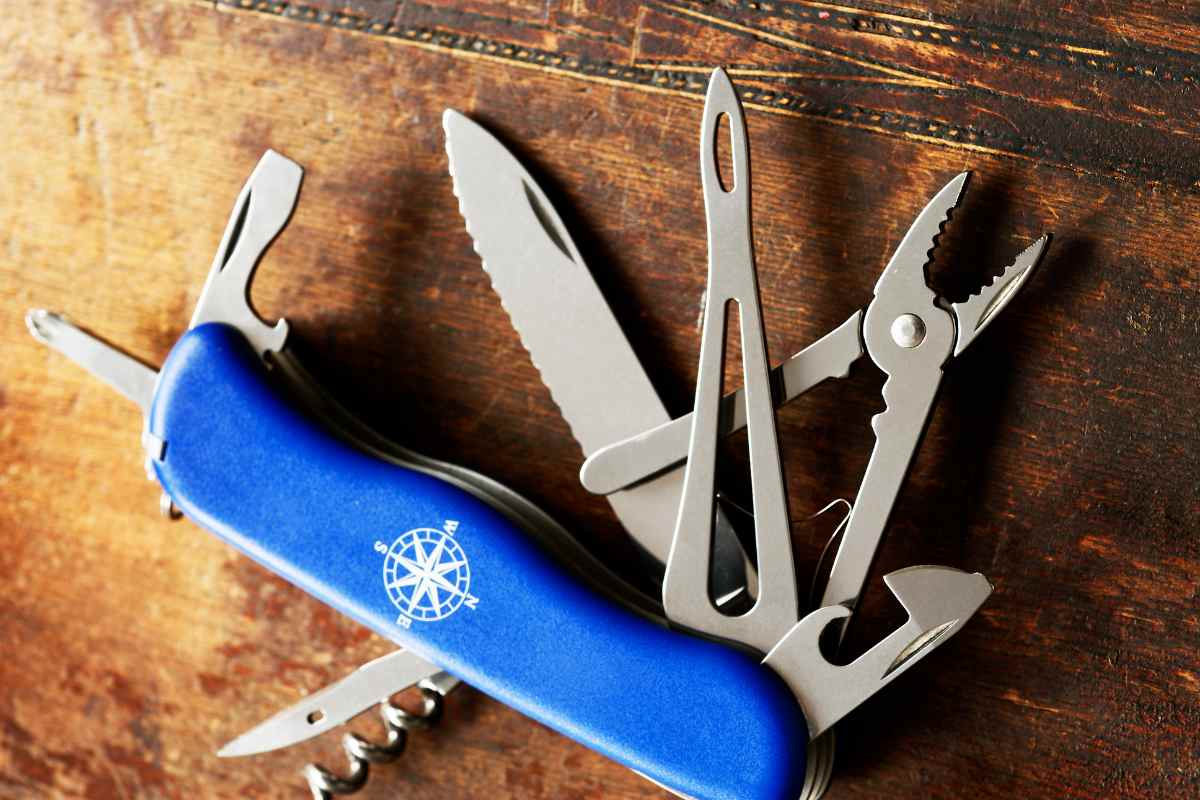
7. Multi-Tool or Knife
A multi-tool or knife is an indispensable piece of gear for any Solo Camping Trip. Whether you need to cut rope, open a can, or make small repairs, a multi-tool can handle a variety of tasks.
Choose a multi-tool that includes a knife, pliers, screwdrivers, and other useful attachments. Keep it easily accessible, as you’ll likely find yourself reaching for it frequently.
8. Fire Starting Kit
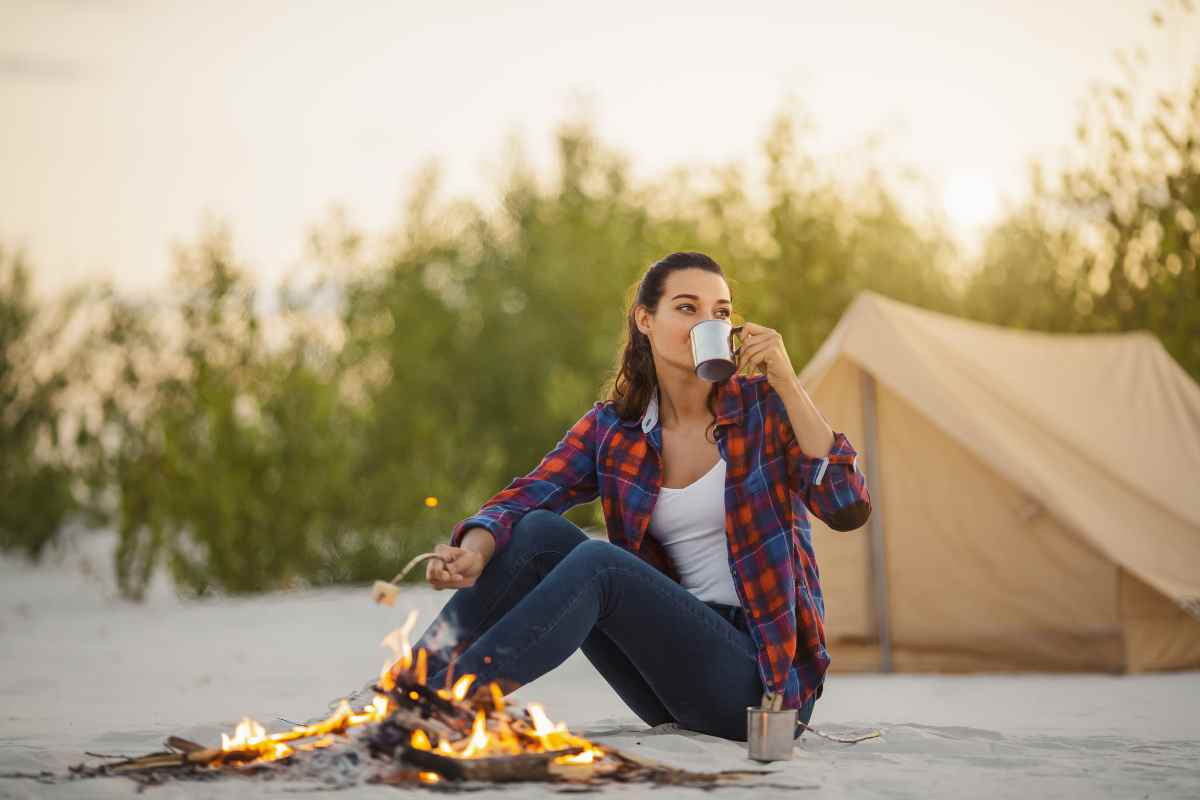
Being able to start a fire is a critical skill for any camper, especially when you’re on your own. A fire provides warmth, light, and a means to cook food.
Pack multiple fire-starting methods, such as waterproof matches, a lighter, and fire-starting cubes or tinder.
Practice starting a fire in different conditions before your trip, so you’re confident in your ability to do so when it matters most.
9. Lighting: Headlamp and Extra Batteries
Proper lighting is essential for safety and convenience on a Solo Camping Trip. A headlamp is ideal because it leaves your hands free for other tasks.
Make sure your headlamp is bright enough to illuminate your campsite and any trails you may need to navigate after dark. Don’t forget to bring extra batteries or a backup light source, such as a small flashlight or lantern.
10. Personal Safety Items: Bear Spray, Whistle, and Personal Locator Beacon
Safety should always be a top priority when camping alone. Depending on your location, you may need to carry bear spray or other wildlife deterrents.
A whistle can be used to signal for help if needed, and a personal locator beacon (PLB) can alert rescue services to your exact location in case of an emergency. These items provide peace of mind and can be lifesaving if you encounter unexpected dangers.
Why These Essentials Matter for a Solo Camping Trip
Each of these 10 essentials plays a crucial role in ensuring your Solo Camping Trip is a success. When you’re alone in the wilderness, you’re entirely responsible for your well-being.
Having the right gear and knowing how to use it will help you stay safe, comfortable, and confident the whole trip.
Shelter and Sleeping Gear
Your tent, sleeping bag, and sleeping pad are your primary sources of protection and comfort in the wild. They shield you from the elements, provide a safe space to rest, and ensure you’re well-rested for the adventures ahead.
Choosing gear that is lightweight, easy to set up, and appropriate for the conditions you’ll encounter is critical.
Navigation and Safety
Navigation tools like maps, compasses, and GPS devices ensure you don’t lose your way, while a first aid kit and personal safety items keep you prepared for any emergencies.
Solo campers need to be particularly vigilant about safety, as no one else can assist in case of injury or disorientation.
Food, Fire, and Clothing
Proper meal planning, fire-starting tools, and weather-appropriate clothing are essential for maintaining energy levels, staying warm, and protecting yourself from the elements.
These items help you manage the necessities of survival while enhancing your overall camping experience.
Final Thoughts on Your Solo Camping Trip
A Solo Camping Trip offers an unparalleled opportunity to immerse yourself in nature and experience the outdoors on your terms.
However, it also comes with unique challenges that require careful planning and preparation. By packing these 10 essentials, you’ll be well-equipped to handle whatever the wilderness throws your way.
Remember, the key to a successful Solo Camping Trip is self-reliance. With the right gear and a positive mindset, you can enjoy the solitude and serenity of solo camping while staying safe and comfortable throughout your adventure.
Whether you're an experienced camper or a first-timer, these essentials will help you get the most out of your solo trip into the wild.
Did you find this post useful or inspiring? Save THIS PIN for later in your Outdoor Board on Pinterest! 😊

Explore these outdoor tips too