
10 Pro Tips for Learning to Windsurf Faster
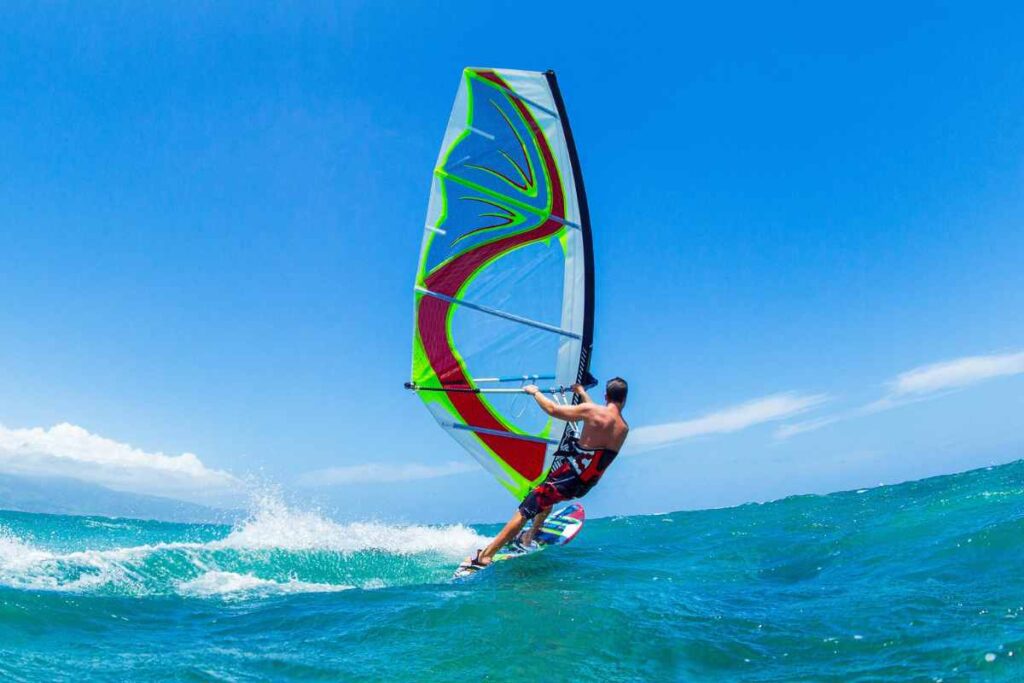
Windsurfing is a thrilling water sport that combines the elements of surfing and sailing, providing both a challenging workout and an exhilarating experience.
However, mastering the art of windsurfing can take time and effort. If you're eager to cut down on your learning curve, there are specific strategies you can employ to get up to speed quickly.
In this guide, we'll explore the top 10 pro tips for learning to windsurf faster. These tips are designed to help you build confidence, improve your skills, and enjoy the sport in no time.

Learning to Windsurf Faster
When it comes to learning to windsurf faster, the key is to focus on both the fundamentals and advanced techniques.
By prioritizing these areas, you can accelerate your progress and make the most of your time on the water. Here are some essential tips to help you learn more efficiently and effectively.
1. Start with the Right Equipment
Choosing the right equipment is crucial when you're learning to windsurf. Beginners should start with a larger board and a smaller sail, as these are more stable and easier to control.
- Select a Beginner-Friendly Board: Opt for a wide and buoyant board that provides stability and balance. This type of board will make it easier for you to stand up and maneuver, especially when you're just starting.
- Use a Small Sail: A smaller sail is lighter and easier to handle, which is essential for beginners. It allows you to focus on your stance and balance without getting overwhelmed by the sail's power.
2. Take Professional Lessons
While it might be tempting to learn windsurfing on your own, taking professional lessons can significantly accelerate your progress.
Certified instructors can provide personalized feedback, teach you the correct techniques, and help you avoid common mistakes.
- Learn the Fundamentals: An instructor will teach you the basics, such as how to position your feet, how to hold the sail, and how to steer the board. Mastering these fundamentals is essential for building a strong foundation.
- Get Immediate Feedback: One of the biggest advantages of having a professional instructor is the immediate feedback. This allows you to correct your mistakes in real-time and develop good habits from the start.
3. Practice Regularly
Consistency is key when learning any new skill, and windsurfing is no exception. The more time you spend on the water, the faster you'll progress.
- Set a Practice Schedule: Dedicate specific days of the week to practice windsurfing. Even if it's just a few hours each session, regular practice will help you build muscle memory and improve your balance and control.
- Focus on Progress, Not Perfection: It's easy to get frustrated when you're learning something new. Remember that every session is an opportunity to learn and improve, so focus on progress rather than perfection.
4. Learn to Read the Wind and Water
Understanding the wind and water conditions is a critical skill in windsurfing. Knowing how to read these elements can help you navigate more effectively and safely.
- Observe the Water Surface: The appearance of the water can tell you a lot about the wind conditions. For example, smooth water indicates lighter wind, while choppy water suggests stronger wind.
- Feel the Wind Direction: Practice feeling the wind on your face and body to determine its direction. This will help you position your sail correctly and make more informed decisions while windsurfing.

5. Improve Your Balance and Core Strength
Windsurfing requires good balance and a strong core. Incorporating balance and strength training exercises into your routine can enhance your performance on the water.
- Try Balance Exercises: Activities like yoga, Pilates, and balance board exercises can help improve your stability and core strength, both of which are essential for windsurfing.
- Engage in Core Workouts: Focus on exercises that target your core muscles, such as planks, sit-ups, and Russian twists. A strong core will help you maintain control and balance on the board.
6. Use Proper Foot Placement and Stance
Your foot placement and stance play a significant role in your ability to control the board and sail. Learning the correct positions early on can make a big difference in your progress.
- Keep Your Feet Shoulder-Width Apart: This stance provides a stable base and helps you maintain balance while adjusting to the movement of the board and sail.
- Position Your Feet Correctly: Place your front foot near the mast base and your back foot at the centerline of the board. This position allows for better control and maneuverability.
7. Learn to Water Start Early
Water starting is a more advanced technique, but learning it early can help you progress faster. It allows you to get back on the board quickly after falling into the water, saving you time and energy.
- Practice in Light Winds: Start practicing water starts in light winds to get a feel for the technique without getting overwhelmed. As you become more comfortable, gradually try it in stronger winds.
- Focus on the Sail Position: When water starting, ensure your sail is positioned correctly to catch the wind. This will help you pull yourself onto the board more easily and efficiently.
8. Watch and Learn from Experienced Windsurfers
Observing skilled windsurfers can provide valuable insights into techniques and strategies that you can apply to your own practice.
- Attend Local Windsurfing Spots: Spend time at popular windsurfing locations to watch experienced windsurfers in action. Pay attention to their stance, movements, and how they handle different wind conditions.
- Ask for Advice: Don’t be afraid to ask experienced windsurfers for tips and advice. Most are happy to share their knowledge and help beginners improve.
9. Stay Safe and Know Your Limits
Safety should always be a top priority when windsurfing. Understanding your limits and knowing how to stay safe on the water can prevent accidents and help you learn more confidently.
- Wear a Life Jacket: Always wear a life jacket when windsurfing, especially if you’re a beginner. This provides buoyancy and safety in case you fall into the water.
- Know the Local Conditions: Before heading out, familiarize yourself with the local wind and water conditions, as well as any potential hazards like rocks or currents.
10. Have Fun and Stay Positive
Windsurfing is not just about learning the techniques; it’s also about enjoying the experience. Maintaining a positive attitude can make the learning process more enjoyable and less stressful.
- Celebrate Small Wins: Every time you successfully execute a new move or make progress, take a moment to celebrate. Acknowledging your achievements can boost your confidence and keep you motivated.
- Enjoy the Learning Process: Remember that everyone learns at their own pace. Embrace the ups and downs of the learning journey, and don’t be too hard on yourself if things don’t go perfectly.
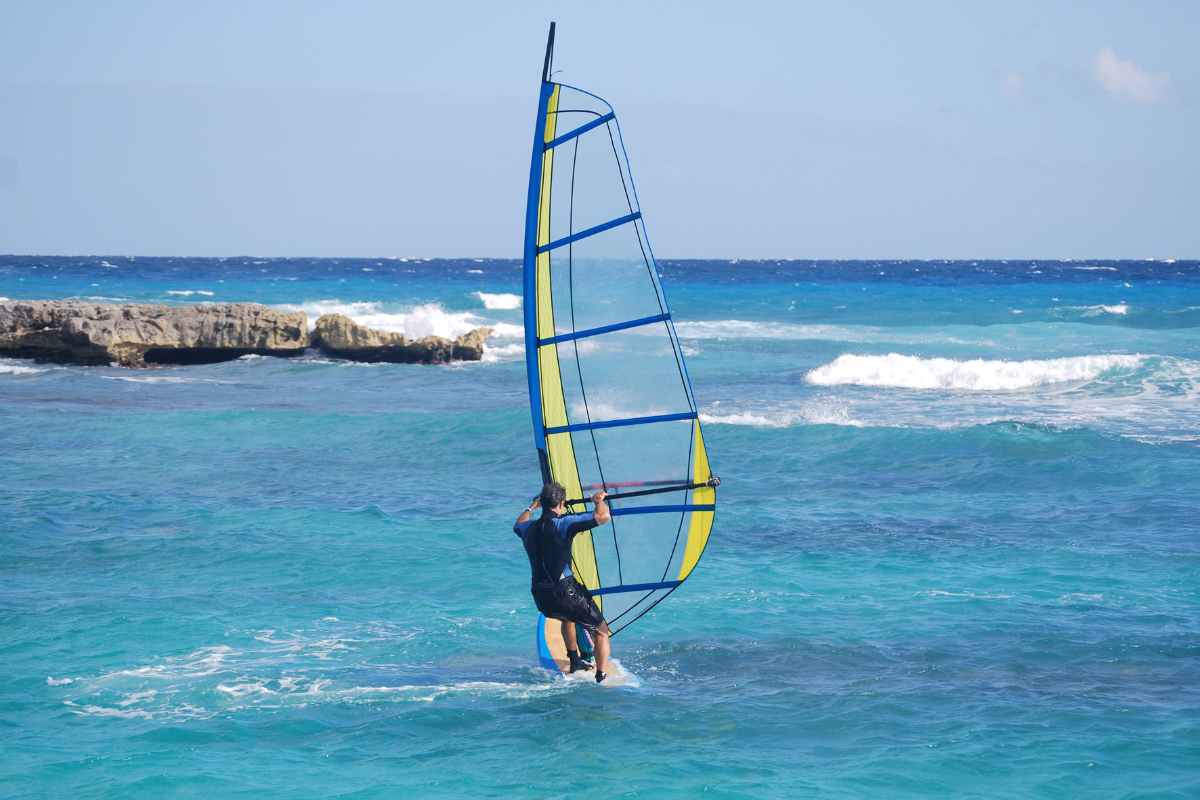
Learning to windsurf faster is all about combining the right techniques with consistent practice and a positive mindset.
By starting with the right equipment, taking professional lessons, practicing regularly, and staying safe, you can make big progress in your windsurfing.
Remember to have fun along the way, and soon you'll find yourself gliding effortlessly across the water, enjoying the thrill of this exhilarating sport. With these pro tips, you'll be well on your way to becoming a confident and skilled windsurfer.
Did you find this post useful or inspiring? Save THIS PIN for later in your Outdoor Board on Pinterest! 😊

Explore these outdoor tips too