
12 Camping Tips for Beginners
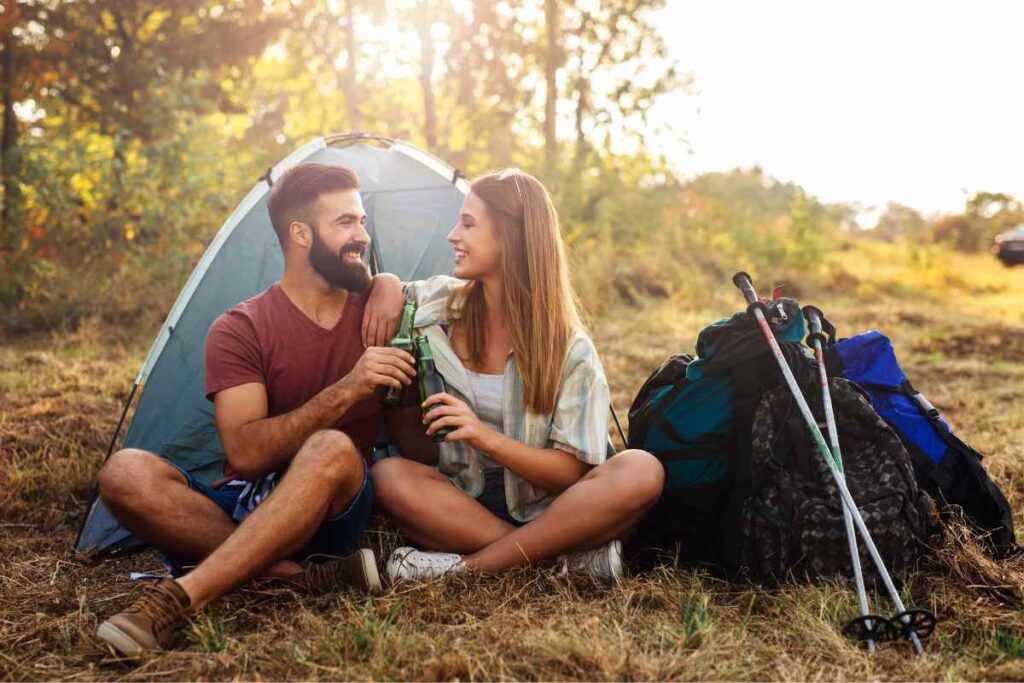
Camping is an excellent way to reconnect with nature, enjoy the great outdoors, and take a break from the hustle and bustle of everyday life.
If you're new to camping, proper preparation can make all the difference in ensuring a successful and enjoyable trip.
Here are 12 Camping Tips for Beginners that will help you get started and make the most of your outdoor adventure.

Essential Camping Tips for Beginners
As a beginner, embarking on your first camping trip can be both exciting and daunting.
To help you navigate this new experience, we've compiled a list of essential Camping Tips for Beginners to ensure you're well-prepared and can enjoy your time in nature to the fullest.
1. Choose the Right Campsite
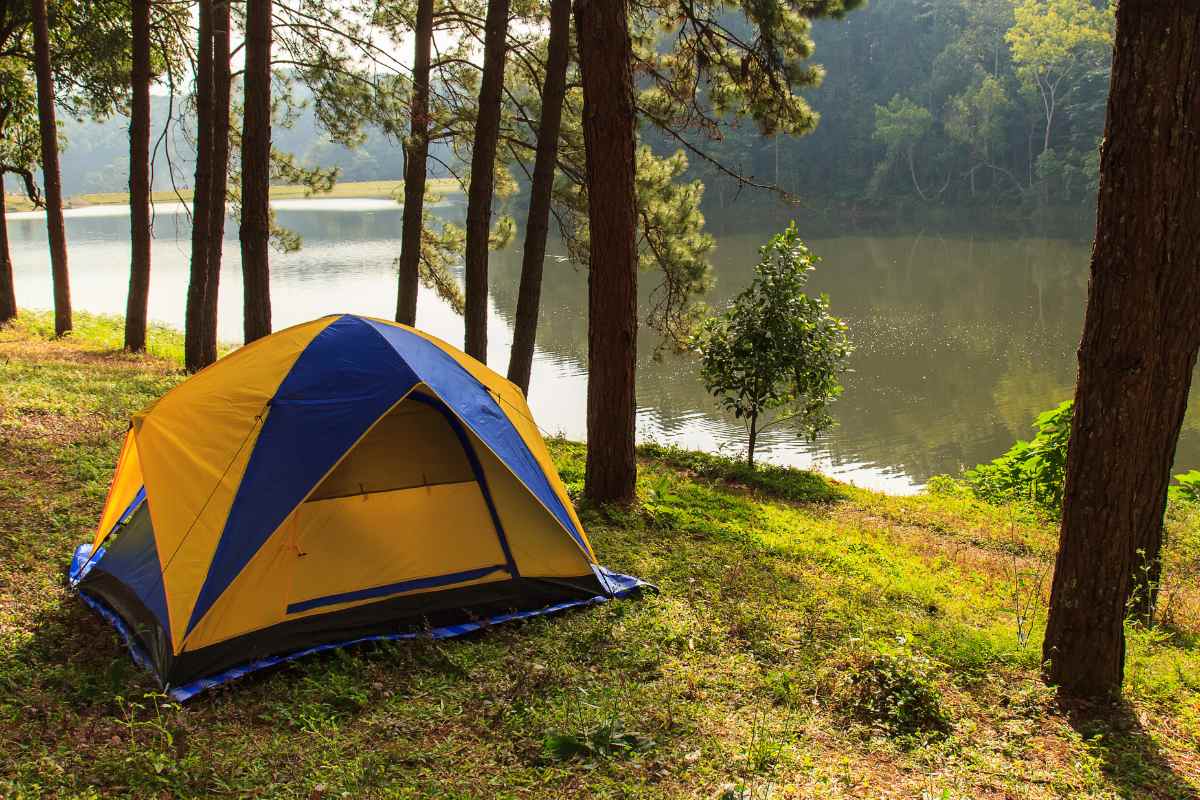
Selecting the right campsite is crucial for a pleasant camping experience. Research campsites in advance and choose one that suits your needs and preferences.
Look for sites with amenities such as restrooms, running water, and picnic tables if you prefer more comfort. For a more rugged experience, consider backcountry camping, but ensure you're prepared for the additional challenges it may present.
2. Invest in Quality Gear
Having the right gear can make or break your camping trip. Invest in a good-quality tent that provides adequate protection from the elements and is easy to set up.
Choose a sleeping bag rated for the temperatures you expect to encounter and bring a comfortable sleeping pad or air mattress for added comfort. Don't forget essential items like a reliable flashlight or headlamp, a camping stove, and a first aid kit.
3. Practice Setting Up Your Tent
Before heading out on your camping trip, practice setting up your tent at home. Familiarize yourself with the process so that you can quickly and efficiently set it up at the campsite, even in adverse weather conditions.
This practice will also ensure that you have all the necessary components and can avoid any surprises at the campsite.
4. Plan Your Meals
Planning your meals in advance can simplify your camping experience. Opt for easy-to-prepare meals that require minimal cooking and cleanup.
Bring non-perishable items and consider prepping ingredients at home to save time at the campsite. Don't forget to pack enough snacks and water to keep you energized and hydrated throughout your trip.
5. Pack Light but Smart
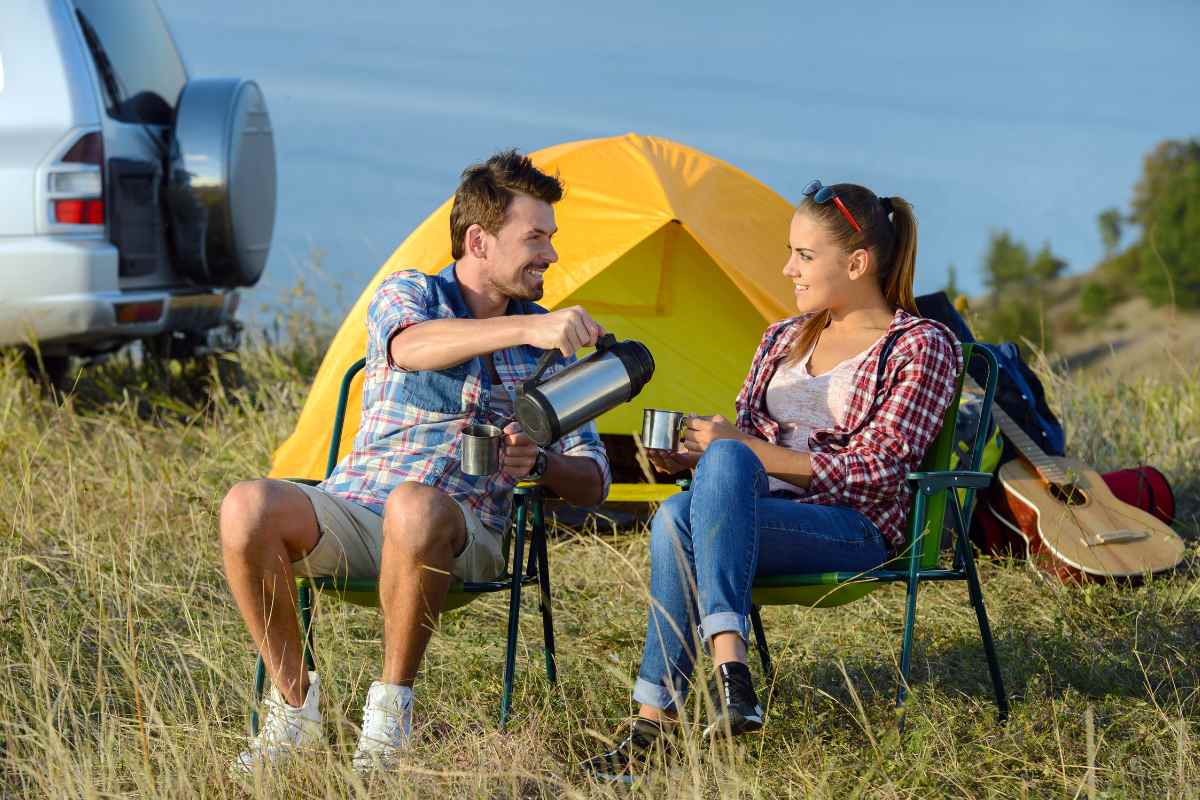
While it's essential to bring everything you need, try to pack light to make your trip more manageable. Focus on multipurpose items and prioritize the essentials.
Use a packing checklist to ensure you don't forget anything important, but avoid overpacking, which can make your campsite cluttered and your trip less enjoyable.
6. Dress in Layers
Weather can be unpredictable, especially in the great outdoors. Dressing in layers allows you to adjust your clothing to changing temperatures and conditions.
Start with a moisture-wicking base layer, add an insulating layer for warmth, and top it off with a waterproof and windproof outer layer. Don't forget to bring a hat, gloves, and extra socks.
7. Stay Organized
Keeping your campsite organized can enhance your camping experience and reduce stress. Use bins or bags to store your gear, food, and personal items.
Keep frequently used items easily accessible, and establish designated areas for cooking, sleeping, and relaxing. Staying organized will help you find what you need quickly and keep your campsite tidy.
8. Respect Wildlife
One of the joys of camping is experiencing nature and wildlife up close. However, it's important to respect wildlife and their habitats.
Keep a safe distance from animals, never feed them, and store your food securely to prevent attracting unwanted visitors. Follow Leave No Trace principles to minimize your impact on the environment.
9. Be Prepared for Emergencies
Accidents and unexpected situations can occur, so it's essential to be prepared for emergencies. Carry a well-stocked first aid kit and know basic first aid procedures.
Familiarize yourself with the location of the nearest medical facilities and emergency contacts. Additionally, bring a map and compass or GPS device and know how to use them in case you get lost.
10. Practice Campfire Safety
A campfire can be a cozy and enjoyable part of camping, but it's important to practice campfire safety. Choose a designated fire pit or create a fire ring away from tents and flammable materials.
Keep a bucket of water or sand nearby to extinguish the fire if necessary. Never leave a campfire unattended and ensure it's completely out before leaving the site or going to bed.
11. Plan for Activities
To make the most of your camping trip, plan for activities that you'll enjoy. Hiking, fishing, kayaking, and wildlife watching are popular options.
Bring along books, games, or musical instruments for entertainment during downtime. Planning activities will help you stay engaged and make your camping experience more memorable.
12. Leave No Trace
One of the most important Camping Tips for Beginners is to follow the Leave No Trace principles. These guidelines help protect natural environments and ensure that campsites remain beautiful for future visitors.
Pack out all trash, dispose of waste properly, respect wildlife, and leave natural and cultural features undisturbed. By practicing Leave No Trace, you contribute to the preservation of the great outdoors.
Bonus Tip: Embrace the Experience
Camping is about more than just surviving in the wilderness; it's about embracing the experience and enjoying your time in nature. Be open to new experiences, connect with fellow campers, and take the time to appreciate the beauty around you.
Even if things don't go perfectly, remember that each trip is a learning opportunity that will make you a more confident and skilled camper in the future.
Sample Camping Checklist
To help you get started, here’s a sample checklist based on the 12 Camping Tips for Beginners:
- Shelter: Tent, ground tarp, tent stakes, mallet
- Sleeping Gear: Sleeping bag, sleeping pad, pillow
- Cooking Supplies: Camping stove, fuel, lighter/matches, cookware, utensils, cooler, food, snacks
- Clothing: Moisture-wicking base layers, insulating layers, waterproof outer layers, hat, gloves, extra socks
- Essentials: Flashlight/headlamp, extra batteries, first aid kit, map and compass/GPS, water bottles, multi-tool
- Personal Items: Toiletries, sunscreen, insect repellent, personal medications
- Extras: Binoculars, camera, books/games, musical instruments
Camping Tips for Beginners
Embarking on your first camping trip can be a rewarding and memorable experience. By following these 12 Camping Tips for Beginners, you'll be well-prepared to tackle the challenges and enjoy the many benefits of camping.
From choosing the right campsite and investing in quality gear to practicing campfire safety and respecting wildlife, these tips will help you create a successful and enjoyable outdoor adventure.
Remember to embrace the experience, stay organized, and leave no trace, ensuring that the natural beauty of the wilderness is preserved for future generations to enjoy. Happy camping!
Did you find this post useful or inspiring? Save THIS PIN for later in your Outdoor Board on Pinterest! 😊
Explore these outdoor tips too