
7 Essential Skills for Wilderness Survival
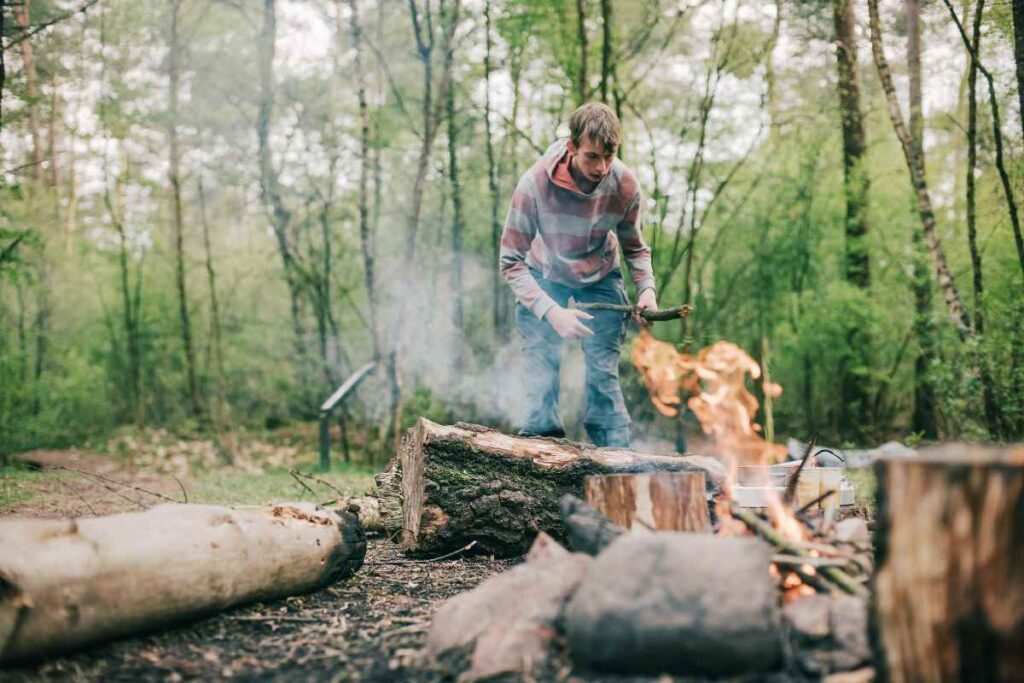
When it comes to Wilderness Survival, being prepared with the right skills can mean the difference between life and death.
Whether you're an avid hiker, camper, or just someone who enjoys the great outdoors, understanding and mastering these essential skills is crucial.
In this post, we'll explore seven key skills that every wilderness adventurer should have.
Skills You Need to Know
Surviving in the wild isn't just about bravery or strength; it's about knowledge and preparation.
Knowing how to build a shelter, find water, and signal for help can transform a potentially dangerous situation into a manageable one.
These skills not only enhance your safety but also enrich your outdoor experiences, allowing you to explore nature with greater confidence.
1. Fire Starting

Fire starting is one of the most fundamental wilderness survival skills. Fire provides warmth, a means to cook food, and a way to signal for help. Knowing how to start a fire using various methods is essential.
- Friction Methods: Techniques such as the bow drill or hand drill can be lifesavers when matches and lighters aren't available.
- Spark-Based Methods: Using a ferrocerium rod or flint and steel to generate sparks that ignite tinder.
- Chemical Methods: Understanding how to use chemical reactions, like mixing potassium permanganate and glycerin, to start a fire.
Each method has its advantages and knowing more than one can ensure you can start a fire in various conditions.
2. Shelter Building
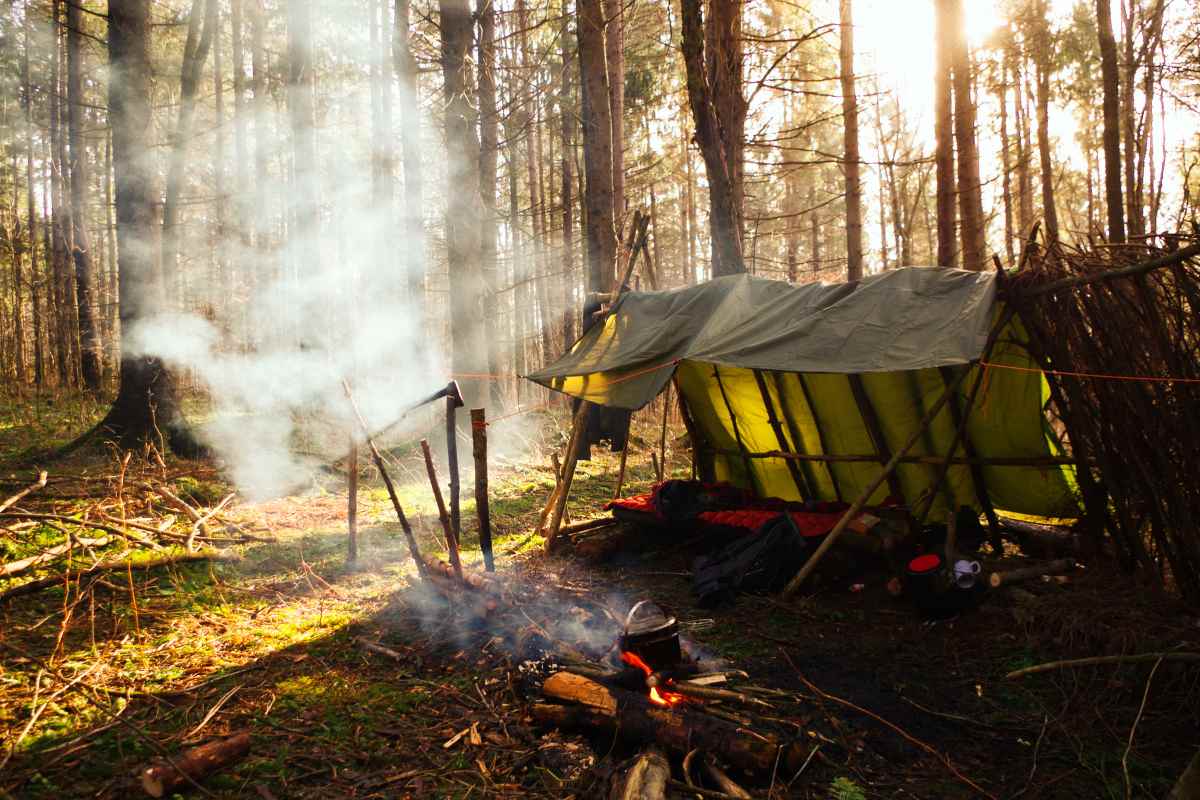
Building a shelter is vital for protection against the elements. A good shelter will keep you dry, warm, and safe from wildlife.
- Natural Shelters: Using caves, overhangs, and fallen trees as impromptu shelters.
- Debris Huts: Constructing a simple, effective shelter using sticks and leaves.
- Tarp Shelters: Utilizing a tarp or emergency blanket to create a quick and effective shelter.
Understanding how to build different types of shelters with the materials at hand can significantly increase your chances of survival.
3. Water Procurement
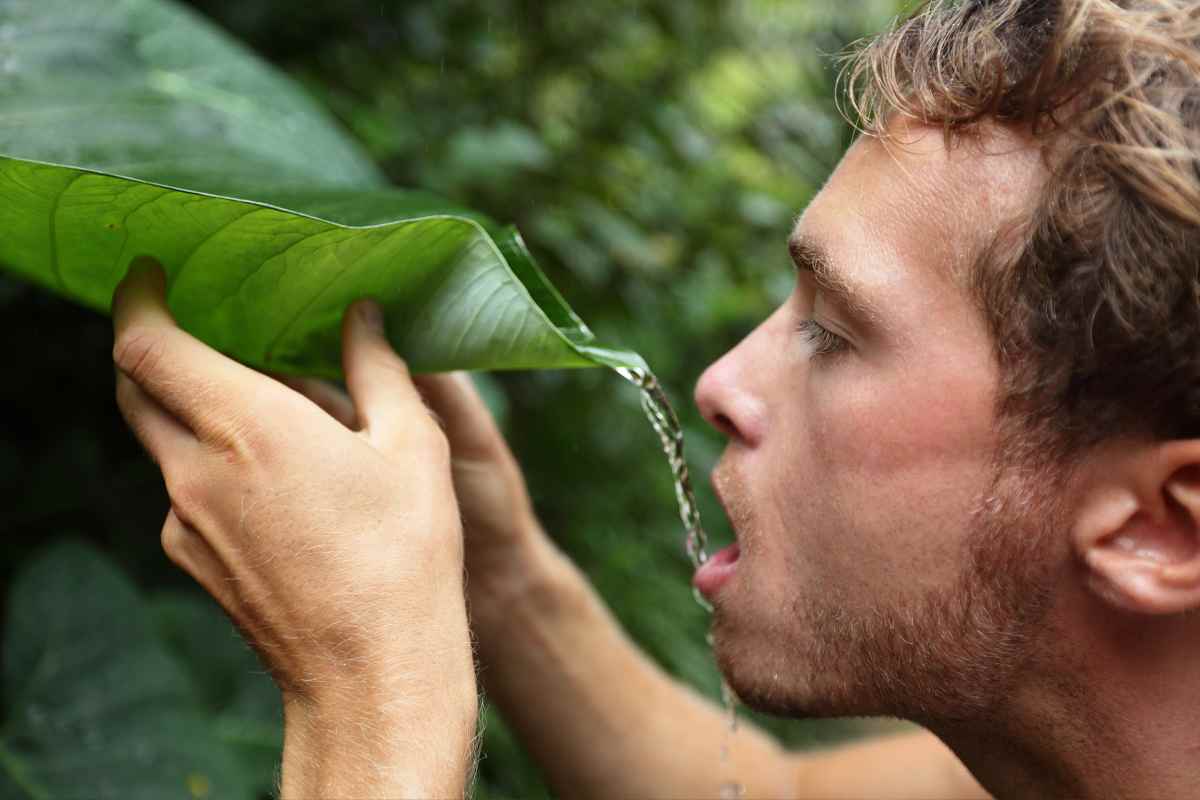
Finding and purifying water is crucial for survival. The human body can only survive a few days without water, and dehydration can set in quickly.
- Natural Sources: Identifying sources of water like streams, rivers, and lakes.
- Purification Methods: Using methods such as boiling, chemical purification tablets, and filtration systems to make water safe to drink.
- Alternative Sources: Collecting rainwater, dew, or using solar stills in areas where natural water sources are scarce.
Knowing how to locate and purify water can prevent dehydration and waterborne illnesses.
4. Navigation
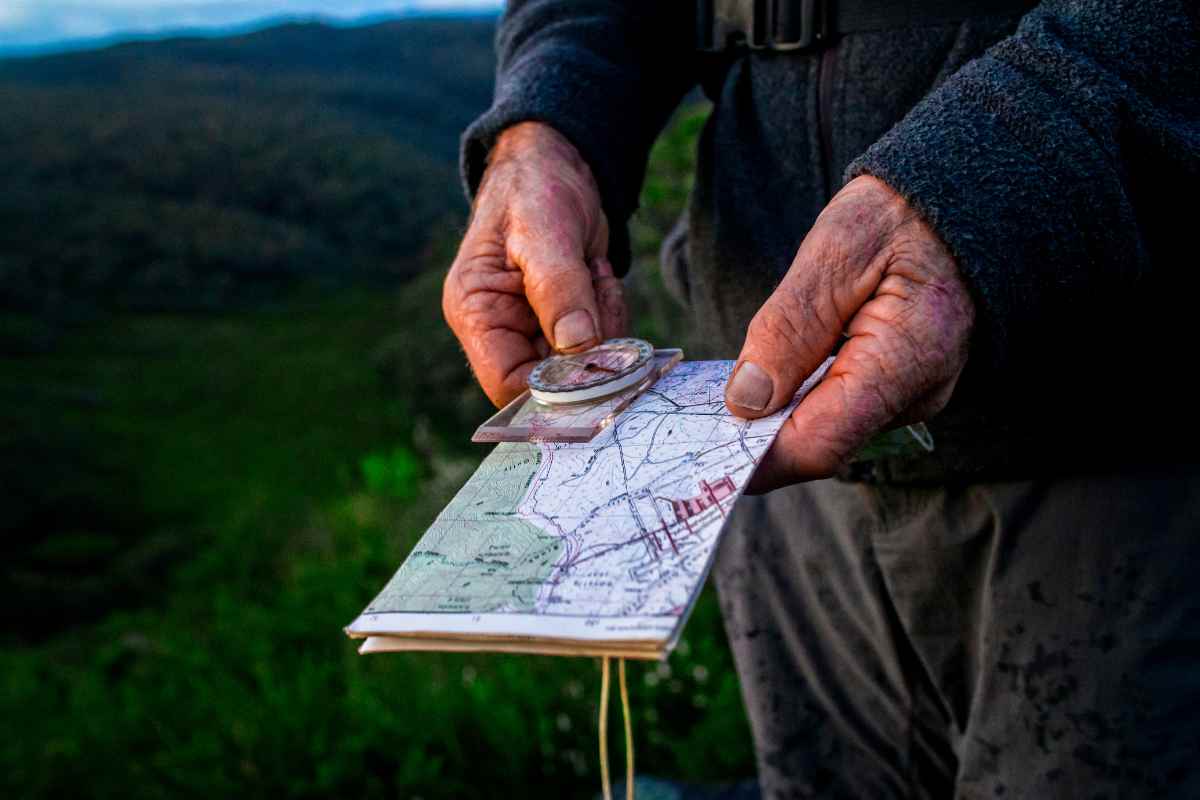
Navigating in the wilderness without modern technology is a critical skill. Whether you're trying to find your way back to a trail or locate a specific destination, understanding how to navigate using natural and traditional methods is essential.
- Map and Compass: Mastering the use of a map and compass to determine your location and direction.
- Natural Navigation: Using the sun, stars, and natural landmarks to find your way.
- Modern Aids: While technology should not be relied upon entirely, understanding how to use GPS devices and mobile apps can also be helpful when they are available.
Combining these techniques ensures that you can navigate effectively in a variety of situations.
5. First Aid
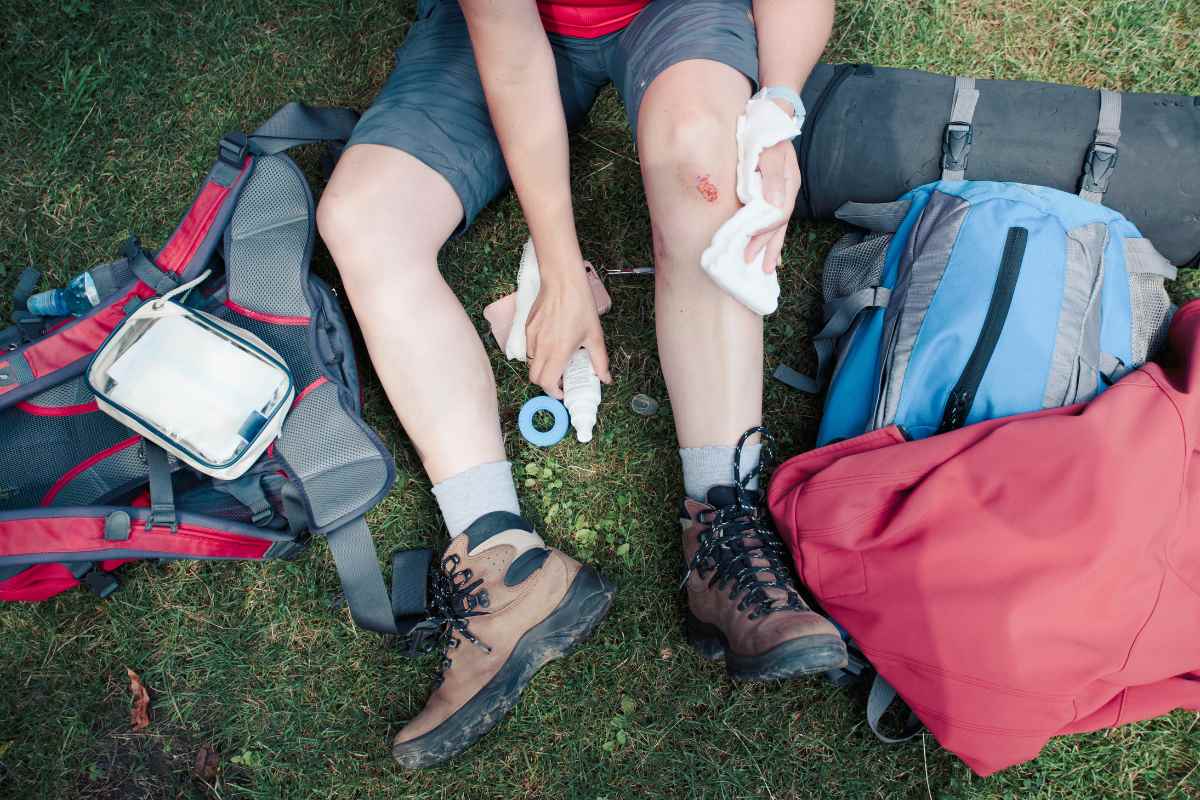
First aid knowledge is indispensable in the wilderness. Accidents and injuries can happen, and knowing how to treat them can prevent minor issues from becoming life-threatening.
- Basic First Aid: Treating cuts, scrapes, and burns to prevent infection.
- CPR and Rescue Breathing: Providing life-saving assistance in the event of cardiac or respiratory emergencies.
- Improvised Medical Solutions: Using natural resources and materials at hand to create splints, bandages, and other medical tools.
Being able to perform first aid can keep you or your companions alive until professional help arrives.
6. Food Procurement
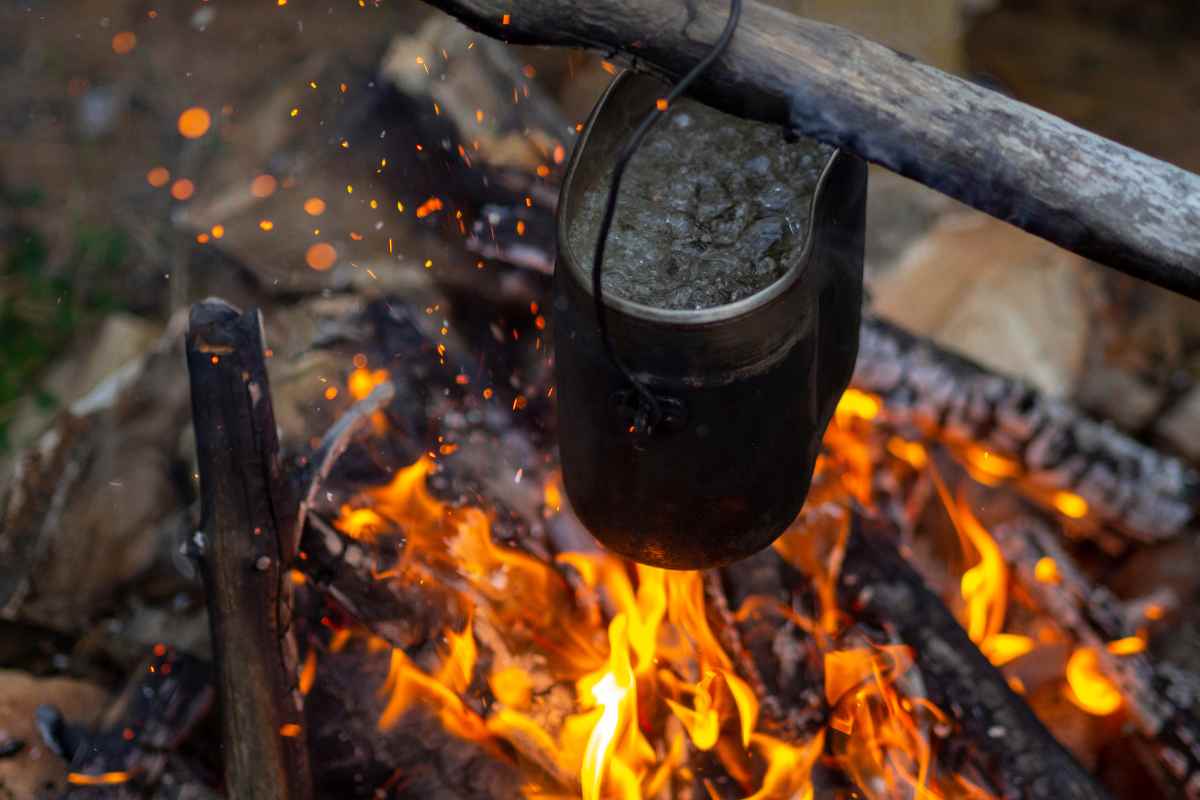
Securing food is a major concern in extended survival situations. While the human body can go without food for longer than without water, maintaining energy levels is crucial.
- Foraging: Identifying edible plants, berries, and fungi.
- Hunting and Trapping: Using basic hunting and trapping techniques to catch small game.
- Fishing: Knowing how to catch fish using makeshift tools or basic fishing gear.
Understanding these methods ensures that you can find food in a variety of environments.
7. Signaling for Help
Signaling for help can be your ticket to rescue. When you're lost or in trouble, being able to signal rescuers can significantly increase your chances of being found.
- Fire and Smoke: Using fire and smoke signals to attract attention.
- Mirror and Light Signals: Reflecting sunlight using a mirror or flashlight to create visible signals.
- Sound Signals: Using whistles, shouts, or banging objects to create noise that can be heard from a distance.
Having multiple signaling methods can ensure that you are noticed by rescuers.
Conclusion
Mastering these seven essential skills for Wilderness Survival can greatly increase your chances of surviving and thriving in the wilderness.
Whether you're planning a short hike or an extended camping trip, being prepared with these skills can make all the difference.
Remember, practice and preparation are key to ensuring that you can rely on these skills when you need them most. Stay safe and enjoy your adventures in the great outdoors!
Did you find this post useful or inspiring? Save THIS PIN for later in your Outdoor Board on Pinterest! 😊

Explore these outdoor tips too