
8 Survival Techniques Every Camper Should Know

Camping is a thrilling and rejuvenating experience that connects us with nature. However, to ensure a safe and enjoyable trip, it’s essential to be prepared and knowledgeable about survival techniques.
Whether you’re a seasoned camper or a newbie, these skills are crucial for handling unexpected situations in the wild.
In this article, we will explore the 8 survival techniques every camper should know to make the most out of their outdoor adventures.
Survival Techniques: The Essentials
1. Building a Shelter
A proper shelter is paramount in the wild. It protects you from harsh weather conditions, insects, and wild animals.
Knowing how to build a shelter using natural materials or a tarp can save your life. A simple lean-to shelter or a debris hut can be constructed with branches, leaves, and other forest debris.
Key Tips:
- Select a safe, dry location.
- Use sturdy branches as a frame.
- Insulate with leaves and grass for warmth.
2. Starting a Fire
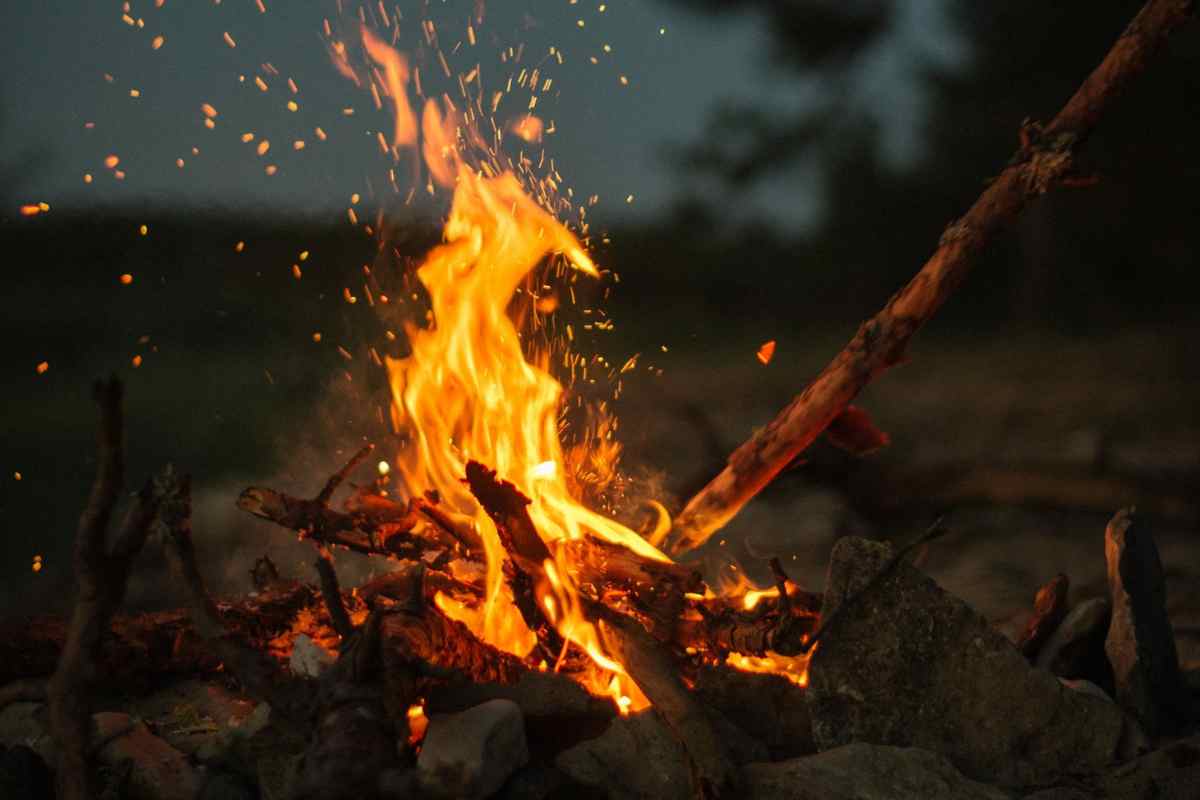
Fire is essential for warmth, cooking, and signaling for help. Knowing how to start a fire without matches is a vital survival skill.
Methods such as using a fire starter kit, flint, and steel, or the bow drill method can be life-saving.
Key Tips:
- Gather dry tinder, kindling, and fuel wood.
- Create a small nest of tinder.
- Strike sparks into the tinder and blow gently to ignite.
3. Finding and Purifying Water
Water is crucial for survival, and in the wilderness, finding a clean water source can be challenging.
Knowing how to locate water and purify it is critical. Purification methods include boiling water, using water purification tablets, or a portable water filter.
Key Tips:
- Look for signs of water such as green vegetation and animal tracks.
- Avoid stagnant water; opt for flowing streams or rivers.
- Always purify water before drinking.
4. Navigation Skills
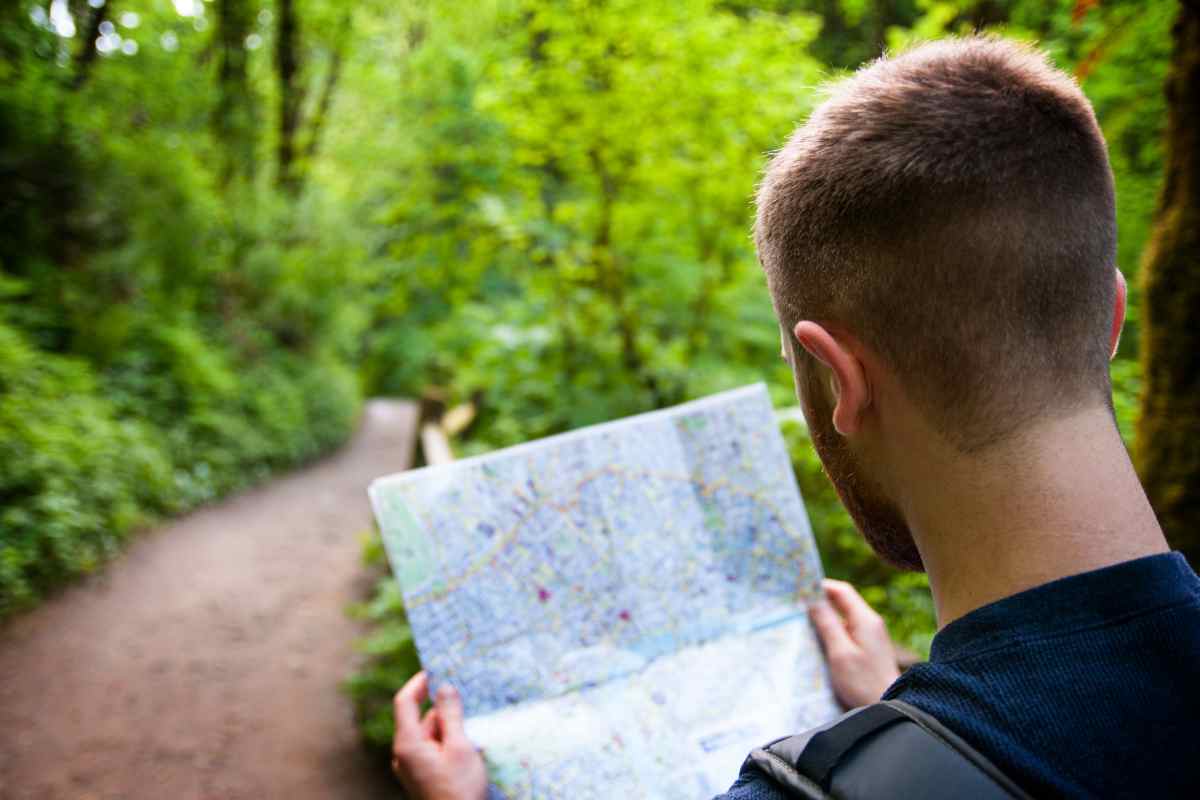
Getting lost in the wilderness can be dangerous. Knowing how to navigate using a map and compass, or even natural signs, is essential.
Navigation techniques include understanding topographical maps, using the sun and stars for direction, and recognizing landmarks.
Key Tips:
- Always carry a map and compass.
- Learn basic orienteering skills.
- Use natural features like rivers and mountains as guides.
5. Signaling for Help
In an emergency, knowing how to signal for help can make a significant difference.
Various signaling methods include using a whistle, a mirror, or creating ground signals. The international distress signal is three short bursts or flashes.
Key Tips:
- Carry a whistle and mirror in your survival kit.
- Create large, visible ground signals (SOS or a large X).
- Use fire and smoke for daytime signals.
6. First Aid Skills

Injuries can happen at any time in the wild. Knowing basic first aid techniques is essential for treating wounds, burns, and fractures.
A well-stocked first aid kit and the knowledge to use it can prevent minor injuries from becoming serious.
Key Tips:
- Carry a comprehensive first aid kit.
- Learn how to treat cuts, burns, and sprains.
- Know how to perform CPR and treat shock.
7. Foraging for Food
While you should always pack enough food, knowing how to forage can be beneficial if your supplies run out.
They are understanding which edible plants, berries, and insects can provide necessary nutrients. Always research the local flora and fauna before your trip.
Key Tips:
- Learn to identify edible and poisonous plants.
- Know which insects are safe to eat.
- Avoid mushrooms unless you’re an expert in mycology.
8. Knot Tying
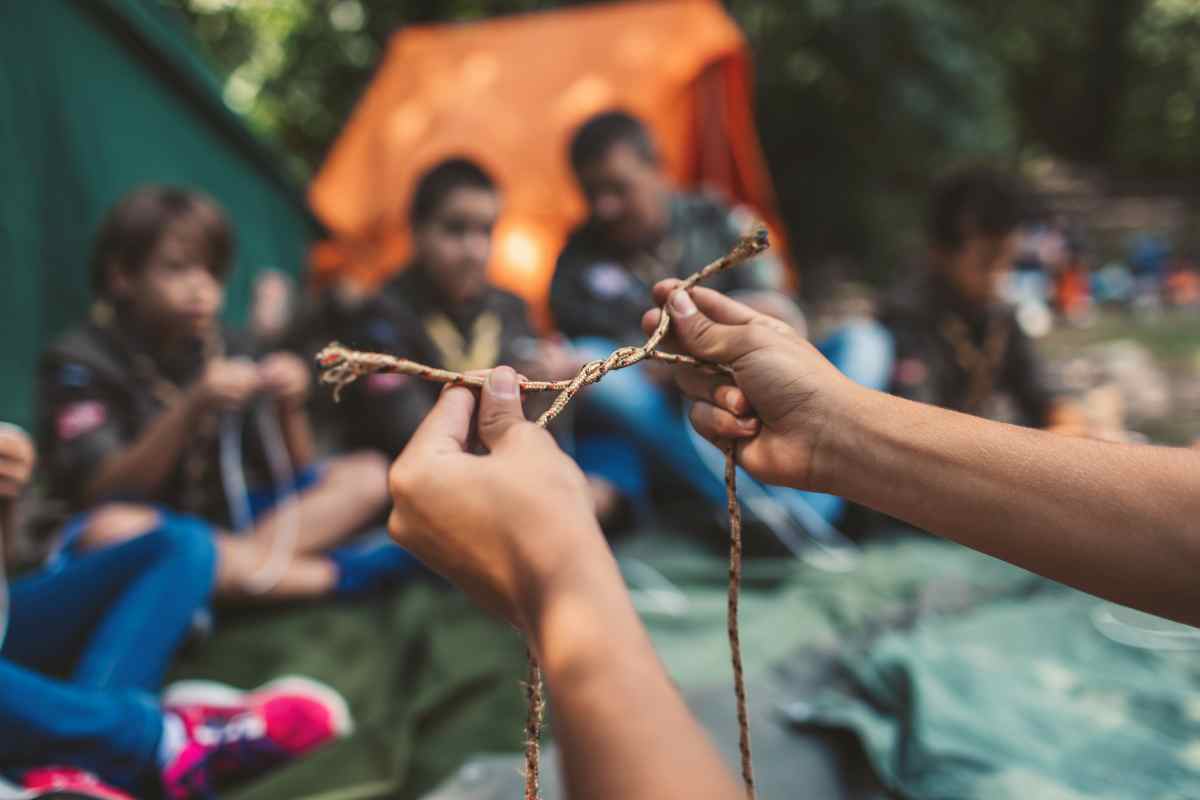
Knots are useful for various tasks such as building shelters, securing gear, and performing rescues.
Knowing a few essential knot-tying techniques can be extremely helpful. Key knots include the bowline, clove hitch, and the square knot.
Key Tips:
- Practice tying knots before your trip.
- Use knots for securing tarps and shelters.
- Know rescue knots for emergencies.
Conclusion
Being prepared with these survival techniques can make your camping experience safer and more enjoyable. Remember, the key to a successful camping trip is preparation and knowledge.
By mastering these 8 survival techniques every camper should know, you’ll be ready to face any challenges the great outdoors throws at you.
So, gear up, stay informed, and enjoy the beauty and adventure that nature has to offer. Happy camping!
Did you find this post useful or inspiring? Save THIS PIN for later in your Outdoor Board on Pinterest! 😊

Explore these outdoor tips too