
A 5-Step Plan to Mastering Wakeboarding
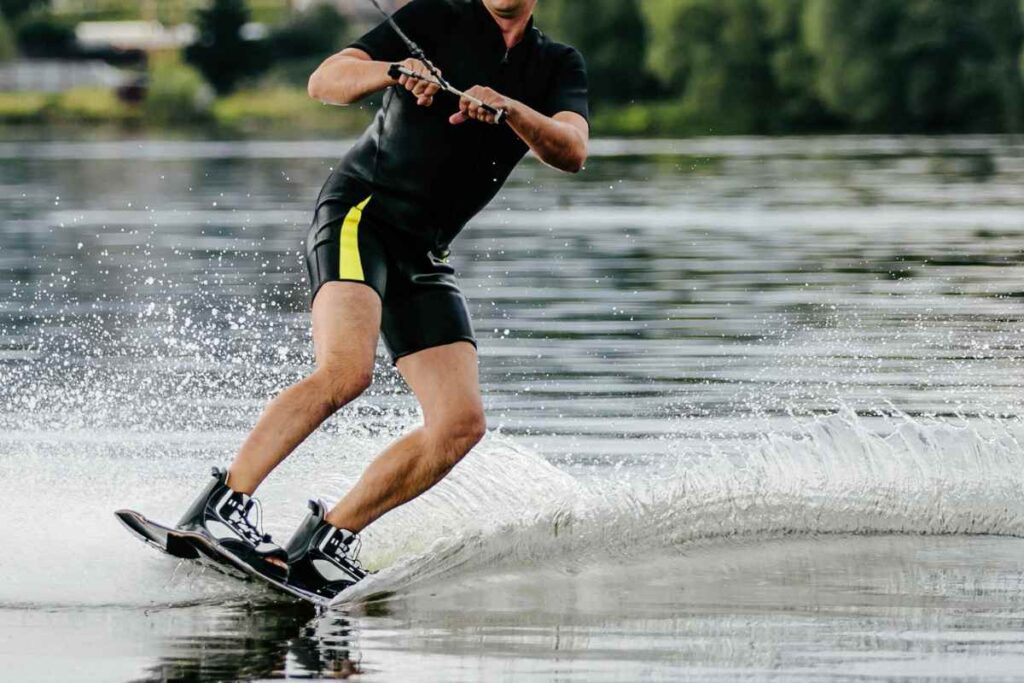
Wakeboarding is an exhilarating water sport that combines elements of surfing, water skiing, and snowboarding.
If you're looking to get into this adrenaline-pumping activity, mastering wakeboarding takes a mix of technique, balance, and confidence.
This guide outlines a comprehensive 5-step plan to help you become proficient in wakeboarding, from selecting the right gear to perfecting your tricks.
Whether you're a beginner or looking to enhance your skills, this plan will set you on the path to becoming a wakeboarding pro.
Step 1: Choosing the Right Equipment
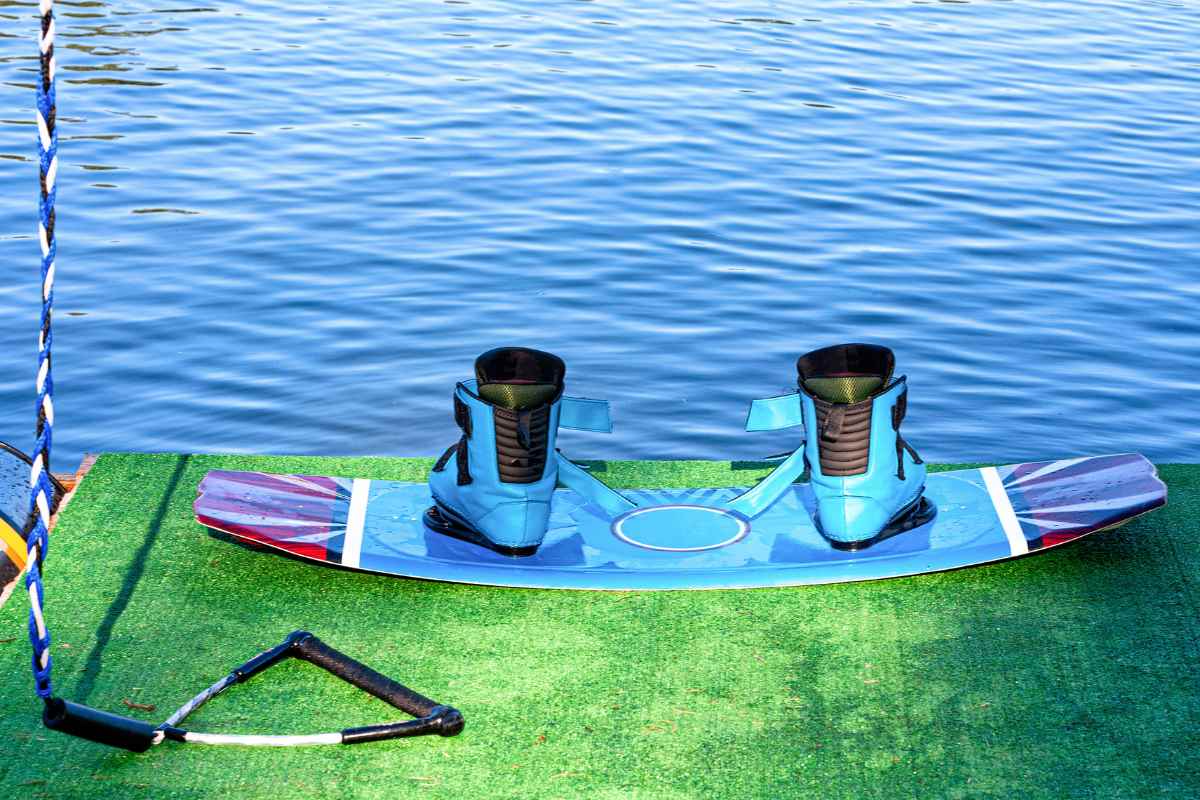
The foundation of mastering wakeboarding starts with having the right equipment. Here are the essentials you need to consider:
- Wakeboard: The board size and shape should match your skill level and body type. Beginners typically use larger boards, which provide more stability, while advanced riders might opt for smaller, more maneuverable boards.
- Bindings: These are crucial as they keep your feet attached to the board. Ensure they fit snugly but comfortably.
- Life Vest and Helmet: Safety is paramount. A properly fitted life vest and helmet protect you from potential falls and injuries.
- Rope and Handle: The rope should have minimal stretch to provide better control and a consistent pull. Handles with a wider grip can offer more comfort during longer rides.
Selecting the right equipment not only enhances your performance but also ensures your safety on the water.
Take the time to research and, if possible, consult with experts to find the best gear for your needs.
Step 2: Learning the Basics

Before hitting the water, it's essential to understand the basics of wakeboarding. Here’s what you need to know:
- Body Position: Start with your knees slightly bent, arms straight, and back upright. This stance helps maintain balance and absorb shocks from the water.
- Getting Up on the Board: Begin in a crouched position with your knees close to your chest. As the boat starts pulling, let the water push the board up under your feet. Stand up gradually, keeping your weight centered over the board.
- Stance and Balance: Once you're up, maintain a relaxed posture. Your lead foot (either left or right, depending on your preference) should point forward, with your shoulders aligned with the board.
Practicing these basics on land or in shallow water can help you build confidence before trying them in deeper waters.
Step 3: Understanding Wake and Boat Speed
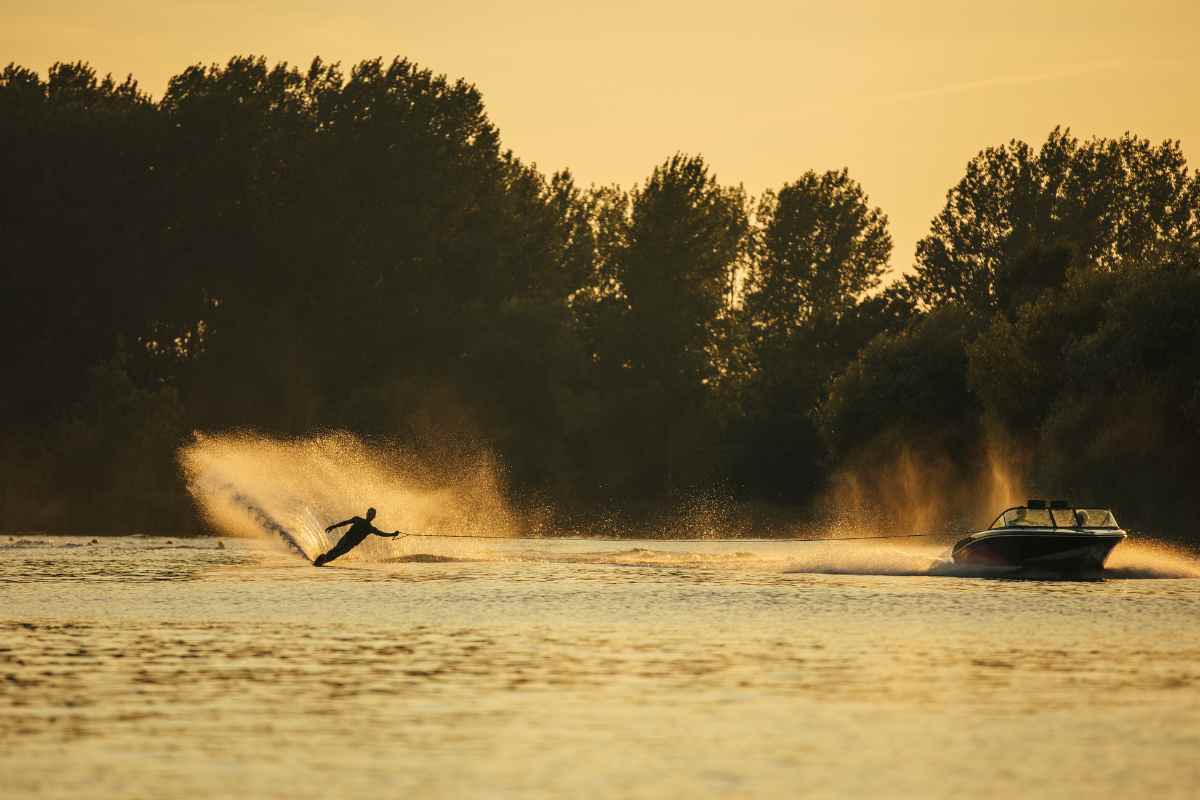
The wake, or the wave created by the boat, plays a crucial role in wakeboarding. Here's how to use it to your advantage:
- Riding the Wake: Learn to ride along the wake, which can act as a ramp for performing jumps and tricks. Start by riding the smaller wakes and gradually move to the larger ones as you gain more control.
- Crossing the Wake: This involves shifting your weight and using your edges to navigate over the wake smoothly. It's essential to keep your knees bent and absorb the shock to maintain balance.
- Boat Speed: The boat's speed affects the size and shape of the wake. Beginners should start at slower speeds (around 18-20 mph) to get used to the pull and balance. More experienced riders may prefer faster speeds for bigger wakes and more dynamic tricks.
Understanding how to work with the wake and adjust to different boat speeds is a critical part of advancing in wakeboarding.
Step 4: Learning Tricks and Jumps
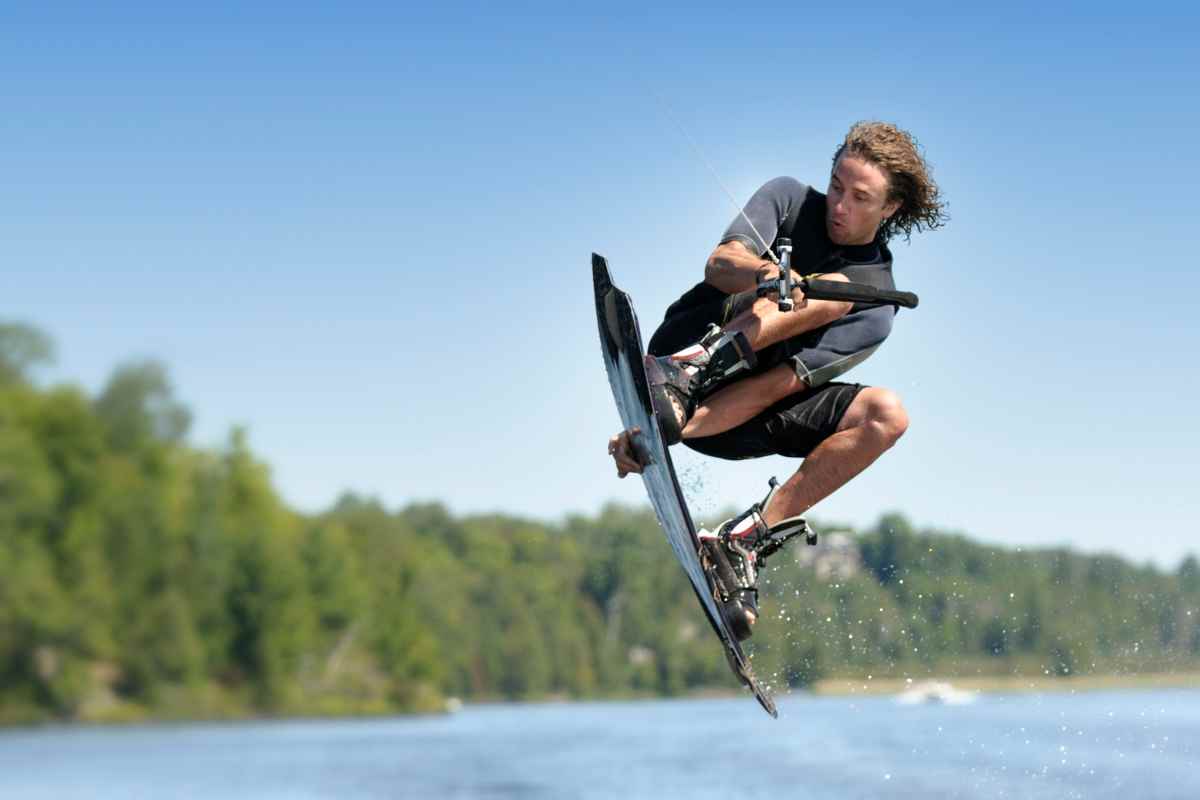
Once you're comfortable riding and navigating the wake, it's time to start learning tricks and jumps. Here are some basic moves to get you started:
- Ollie: This is a fundamental trick where you jump off the water without using the wake. It involves pushing down on the back foot and then popping up, bringing both feet level.
- Wake Jumps: Use the wake as a ramp to launch yourself into the air. Focus on maintaining your form and balance in the air and prepare for a smooth landing.
- Surface Tricks: These include spins and slides performed on the water's surface. They require precise control and balance, making them excellent for honing your skills.
As you progress, you can attempt more advanced tricks like flips and spins. Remember, practice and patience are key.
Don’t rush the process; instead, focus on perfecting each trick before moving on to the next.
Step 5: Staying Safe and Building Confidence
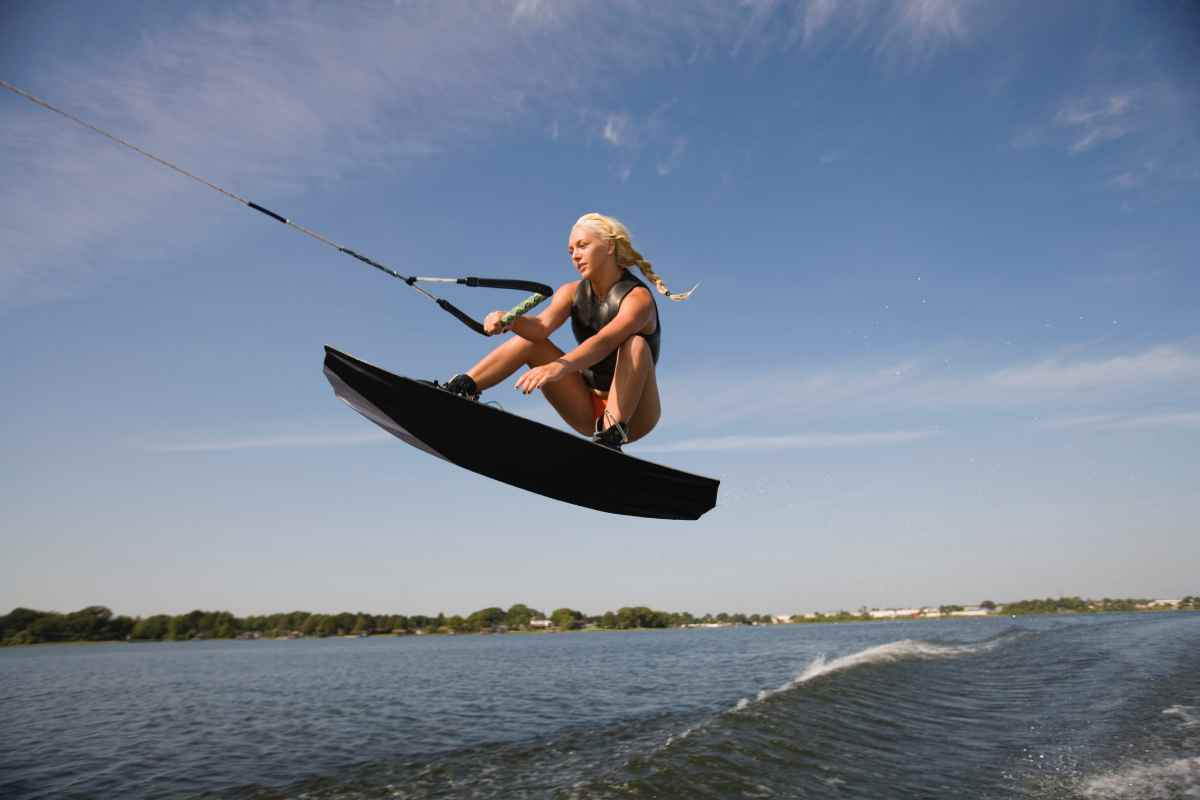
Safety should always be your top priority when wakeboarding. Here are some tips to ensure a safe and enjoyable experience:
- Warm-up and Stretch: Before heading out, warm up your muscles and stretch to prevent injuries.
- Stay Hydrated: Wakeboarding is a physically demanding sport, and staying hydrated is crucial, especially in hot weather.
- Know Your Limits: Don’t push yourself too hard, especially when trying new tricks. It's better to progress slowly and safely.
- Ride with a Buddy: Always have someone with you, either in the boat or another rider, for assistance in case of an emergency.
Building confidence in wakeboarding comes with time and experience.
Celebrate small victories and enjoy the learning process. Consistency and a positive mindset are vital to mastering wakeboarding.
Conclusion
Mastering wakeboarding is a rewarding process that combines physical skills with mental toughness.
By following this 5-step plan—choosing the right equipment, learning the basics, understanding the wake, mastering tricks, and prioritizing safety—you’ll be well on your way to becoming a proficient wakeboarder.
Remember, the key to success in wakeboarding lies in practice, perseverance, and a passion for the sport.
Whether you're riding the waves for fun or aiming to compete, the thrill of wakeboarding is unmatched. So, gear up, hit the water, and enjoy the ride!
Did you find this post useful or inspiring? Save THIS PIN for later in your Outdoor Board on Pinterest! 😊


Explore these outdoor tips too