
A Beginner's Guide to Planning Your First Water Adventure
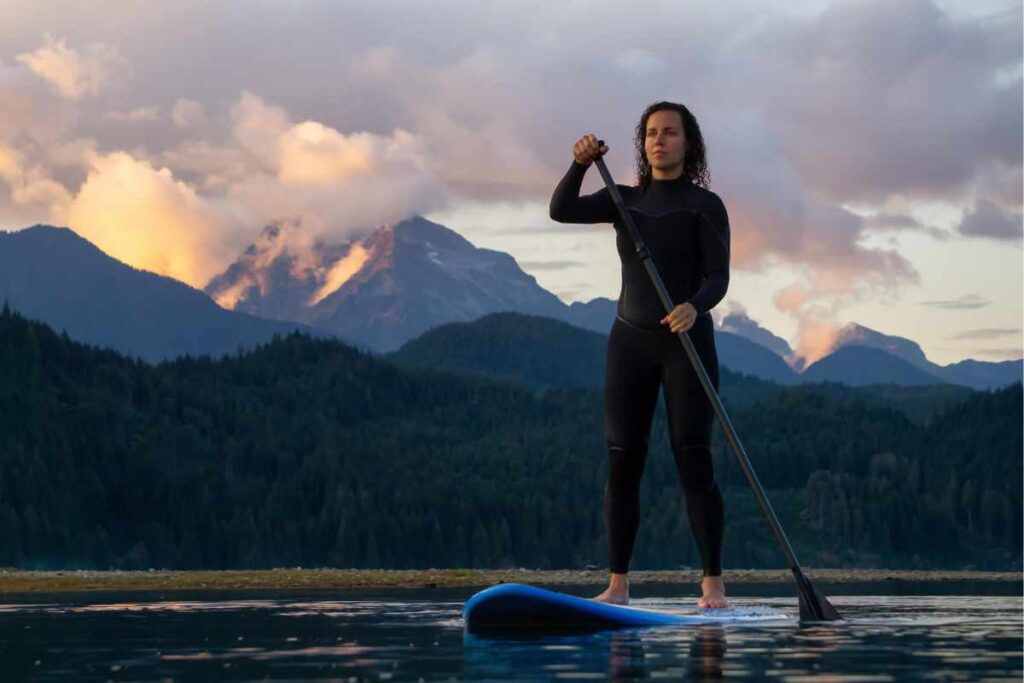
Embarking on a water adventure for the first time can be both exciting and daunting. Whether you're interested in kayaking, snorkeling, sailing, or any other water-based activity, planning your first water adventure requires careful preparation and knowledge to ensure a safe and enjoyable experience.
This guide will walk you through the essential steps to plan your maiden voyage on the water.
Understanding the Basics of Planning Your First Water Adventure
When it comes to planning your first water adventure, several key factors need to be considered, including the type of activity, location, necessary equipment, safety measures, and logistics.
Proper planning can make the difference between a memorable trip and a stressful experience.
Step 1: Choosing the Right Activity
The first step in planning your first water adventure is to decide which water sport or activity you want to try.
This decision should be based on your interests, physical abilities, and comfort level with water. Here are some popular options to consider:
Kayaking
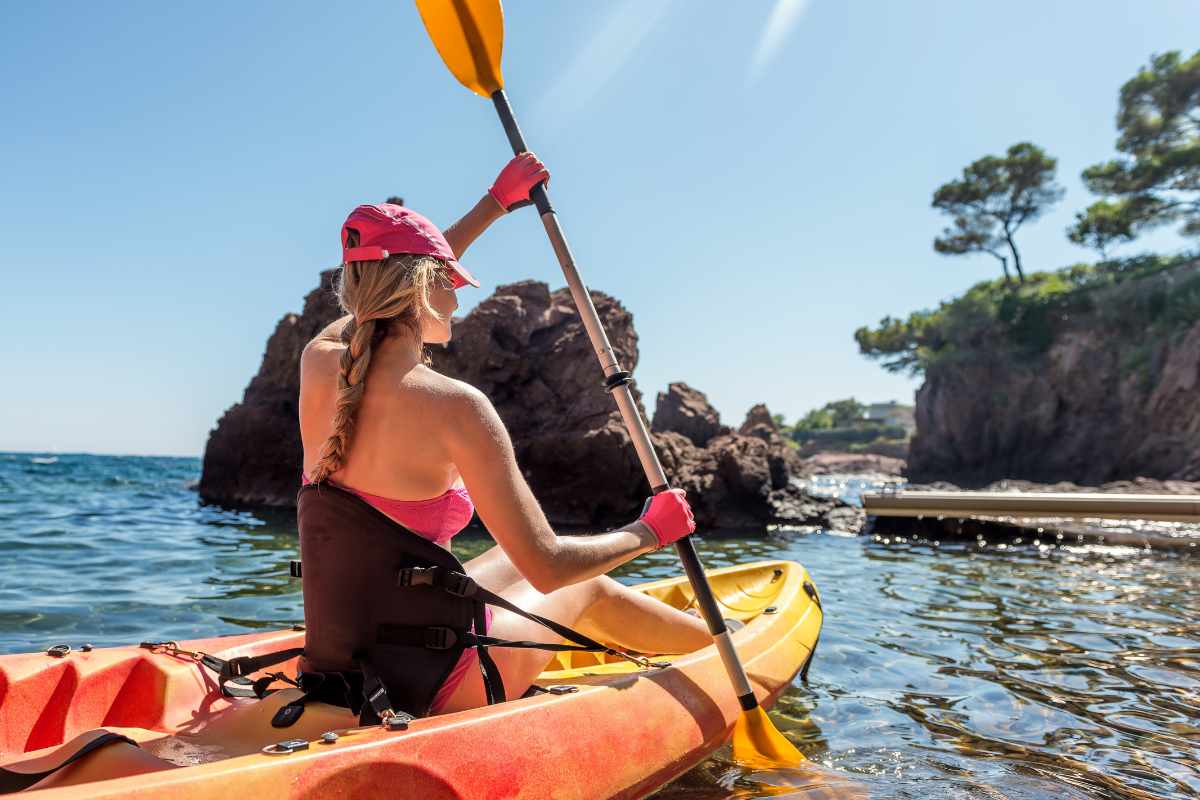
Kayaking is a versatile water activity suitable for beginners. It offers a range of experiences, from tranquil paddling on lakes to more adventurous sea kayaking. It’s an excellent choice for those who enjoy exploring nature at a leisurely pace.
Snorkeling
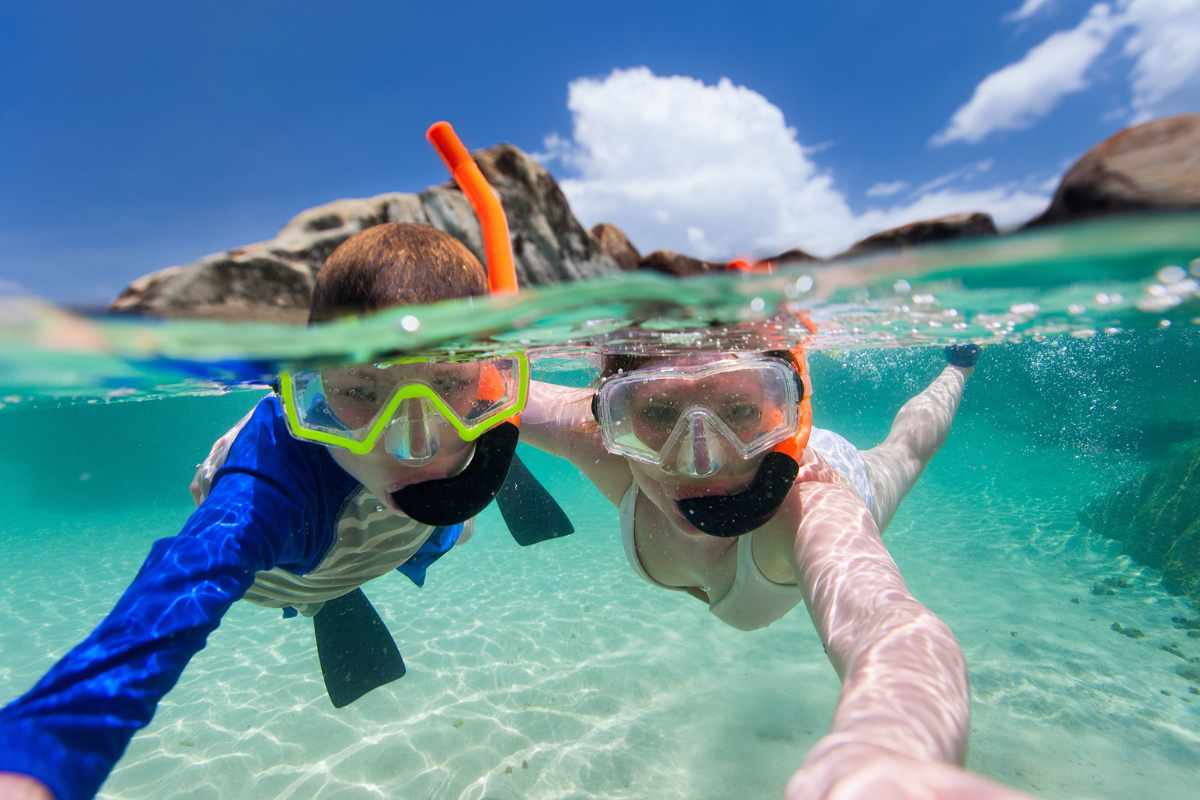
If you’re fascinated by marine life, snorkeling allows you to observe underwater ecosystems with minimal equipment.
It’s a beginner-friendly activity that requires basic swimming skills and offers a glimpse into the vibrant world beneath the surface.
Sailing
For those interested in a more involved water adventure, sailing offers a blend of relaxation and skill. Learning to sail can be challenging but rewarding, providing a sense of freedom as you navigate the waters.
Step 2: Selecting the Perfect Location
The success of your water adventure largely depends on the location. When planning your first water adventure, choose a destination that matches your chosen activity and skill level.
Researching Destinations
Research potential destinations by reading reviews, watching videos, and consulting travel guides. Look for locations known for their beginner-friendly conditions and availability of guided tours or lessons.
Considering Local Conditions
Take into account the local climate, water conditions, and potential hazards. For example, if you’re planning a kayaking trip, look for calm waters with minimal currents. If snorkeling, choose areas with clear water and abundant marine life.
Step 3: Gathering the Necessary Equipment
Having the right equipment is crucial for a successful water adventure. Depending on your chosen activity, you’ll need specific gear to ensure safety and comfort.
Basic Gear Checklist
- Kayaking: Kayak, paddle, personal flotation device (PFD), helmet (for white-water kayaking), appropriate clothing.
- Snorkeling: Snorkel, mask, fins, wetsuit (if needed), reef-safe sunscreen.
- Sailing: Sailboat (rented or borrowed), PFD, sailing gloves, appropriate clothing, navigation tools.
Renting vs. Buying
For your first adventure, consider renting equipment to save costs. Many destinations offer rental services with high-quality gear. Once you’ve decided to pursue the activity more seriously, investing in your own equipment may be worthwhile.
Step 4: Learning the Basics
Before diving into your adventure, it’s essential to learn the basic skills required for your chosen activity. This preparation can prevent accidents and enhance your overall experience.
Taking a Class
Enroll in a beginner’s class or hire a professional instructor. Many popular destinations offer lessons for activities like kayaking, snorkeling, and sailing. Professional guidance ensures you learn proper techniques and safety measures.
Practicing Skills
Practice the basic skills in a controlled environment before heading out on your adventure. For example, practice paddling in a calm lake if you’re kayaking or swim in a pool with your snorkeling gear to get comfortable.
Step 5: Prioritizing Safety
Safety should always be your top priority when planning your first water adventure. Proper preparation and awareness can help you avoid potential hazards.
Understanding Local Regulations
Familiarize yourself with local regulations and guidelines for water activities. This may include specific rules about protected areas, equipment requirements, and safety protocols.
Preparing an Emergency Plan
Always have an emergency plan in place. Know how to contact local emergency services, and inform someone about your plans, including your location and expected return time. Carry essential safety items such as a first aid kit, whistle, and waterproof phone case.
Step 6: Packing Essentials
Packing the right essentials can enhance your comfort and convenience during your water adventure. Here’s a list of items to consider:
Clothing and Footwear
- Lightweight, quick-drying clothing
- Swimwear
- Water shoes or sandals with good grip
- Hat and sunglasses for sun protection
Accessories
- Waterproof bag for personal items
- Snacks and water
- Towel and change of clothes
- Camera or GoPro to capture memories

Step 7: Enjoying the Experience
With all the preparation done, it’s time to enjoy your water adventure. Keep these tips in mind to make the most of your experience:
Staying Flexible
Be prepared to adapt to changing conditions. Weather and water conditions can be unpredictable, so stay flexible and adjust your plans as needed.
Embracing the Journey
Focus on enjoying the journey rather than just the destination. Take in the scenery, appreciate the tranquility of being on the water, and embrace the learning experience.
Planning Your First Water Adventure
Planning your first water adventure involves careful consideration of various factors, from choosing the right activity and location to gathering equipment and prioritizing safety.
By following this beginner’s guide, you can ensure a smooth and enjoyable experience that will leave you eager for more adventures on the water.
Remember, the key to a successful water adventure is preparation, safety, and a positive attitude. Happy adventuring!
Did you find this post useful or inspiring? Save THIS PIN for later in your Outdoor Board on Pinterest! 😊

Explore these outdoor tips too