
A Beginner’s Guide to Stars Navigation for Campers
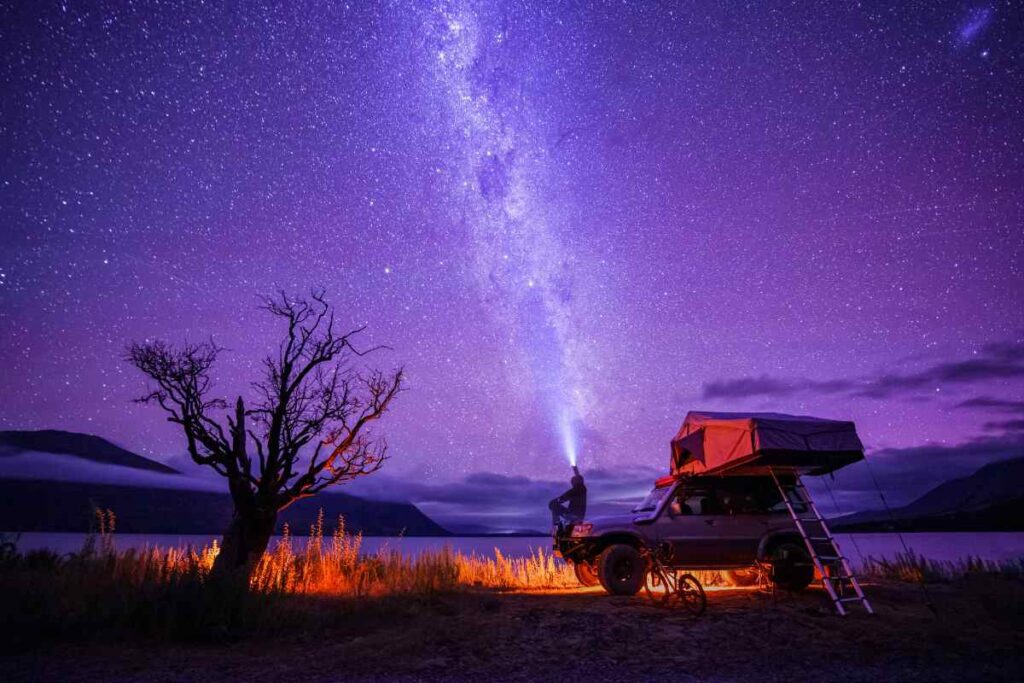
Camping under a starry sky can be a mesmerizing experience, and knowing how to navigate using the stars can make it even more rewarding.
Stars Navigation is a skill that has been used for centuries by travelers and explorers. For campers, it can not only enhance your outdoor experience but also provide a reliable method of finding your way in the wilderness.
In this guide, we'll cover the basics of star navigation, helping you become more comfortable and confident when you’re out in nature.
Understanding Stars Navigation
Stars Navigation is the practice of using stars to determine your location and direction.
The North Star (Polaris) has been the most reliable navigational aid in the Northern Hemisphere for centuries because it sits almost directly above the North Pole.
Learning to identify the North Star and other constellations is the first step in becoming proficient in star navigation.
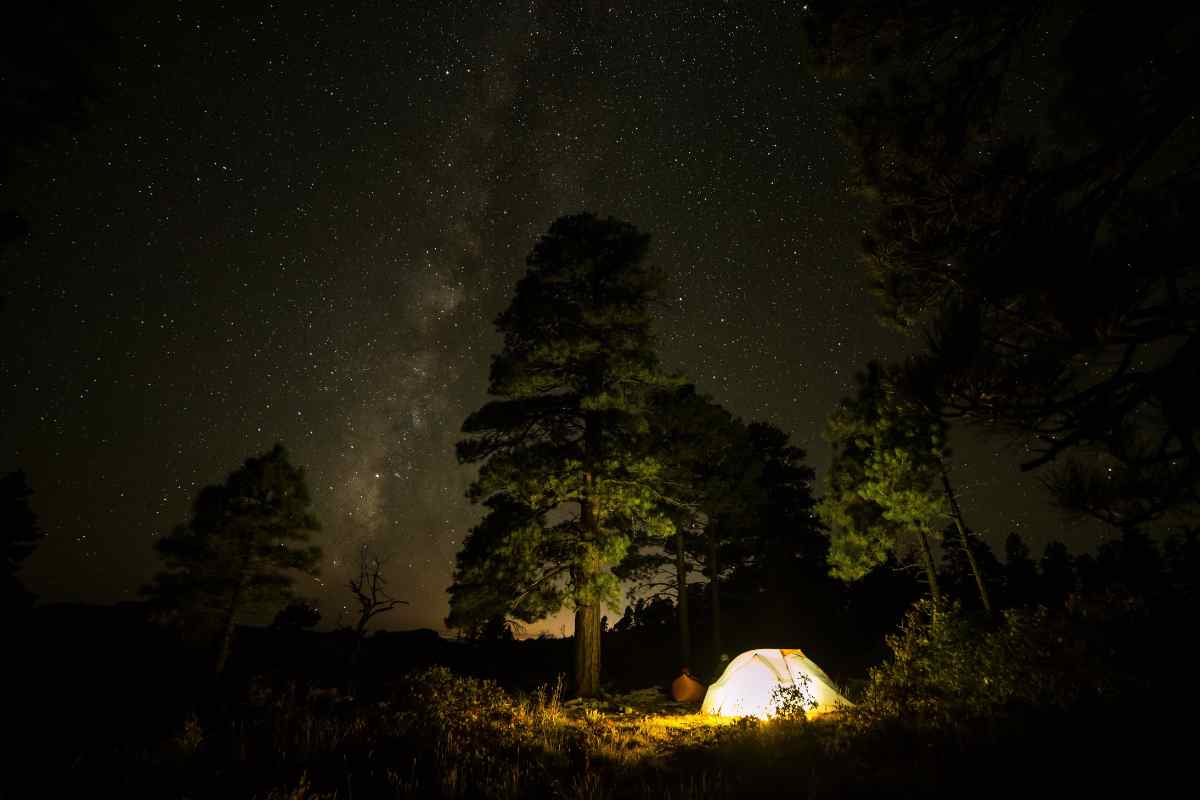
Finding the North Star
Finding the North Star, or Polaris, is essential for basic navigation in the Northern Hemisphere. Here’s a simple way to find it:
- Locate the Big Dipper: The Big Dipper is a prominent constellation and serves as a pointer to the North Star. Look for a group of seven bright stars forming a shape that resembles a dipper or ladle.
- Follow the "Pointer" Stars: The two stars at the end of the "bowl" of the Big Dipper are called the "Pointer" Stars. Draw an imaginary line from these stars upwards (away from the "handle" of the dipper) to find Polaris.
- Polaris in the Little Dipper: Once you follow the line from the Pointer Stars, you will reach Polaris, which is the last star in the handle of the Little Dipper.
Using Constellations for Orientation
Apart from the North Star, other constellations can help you navigate:
- Orion: In the winter months, Orion’s Belt can point you in different directions. The three stars in a row are distinctive and can guide you to locate other constellations.
- Cassiopeia: This constellation is shaped like a "W" and is located opposite the Big Dipper across the North Star. It can be useful for confirming the direction of the north.
The Science Behind Stars Navigation
Stars Navigation is grounded in the science of astronomy. Stars appear to move across the sky due to the Earth's rotation, but Polaris remains relatively stationary, making it an excellent fixed point for navigation.
Understanding the movement of stars and how they relate to your position on Earth is key to using them for navigation.
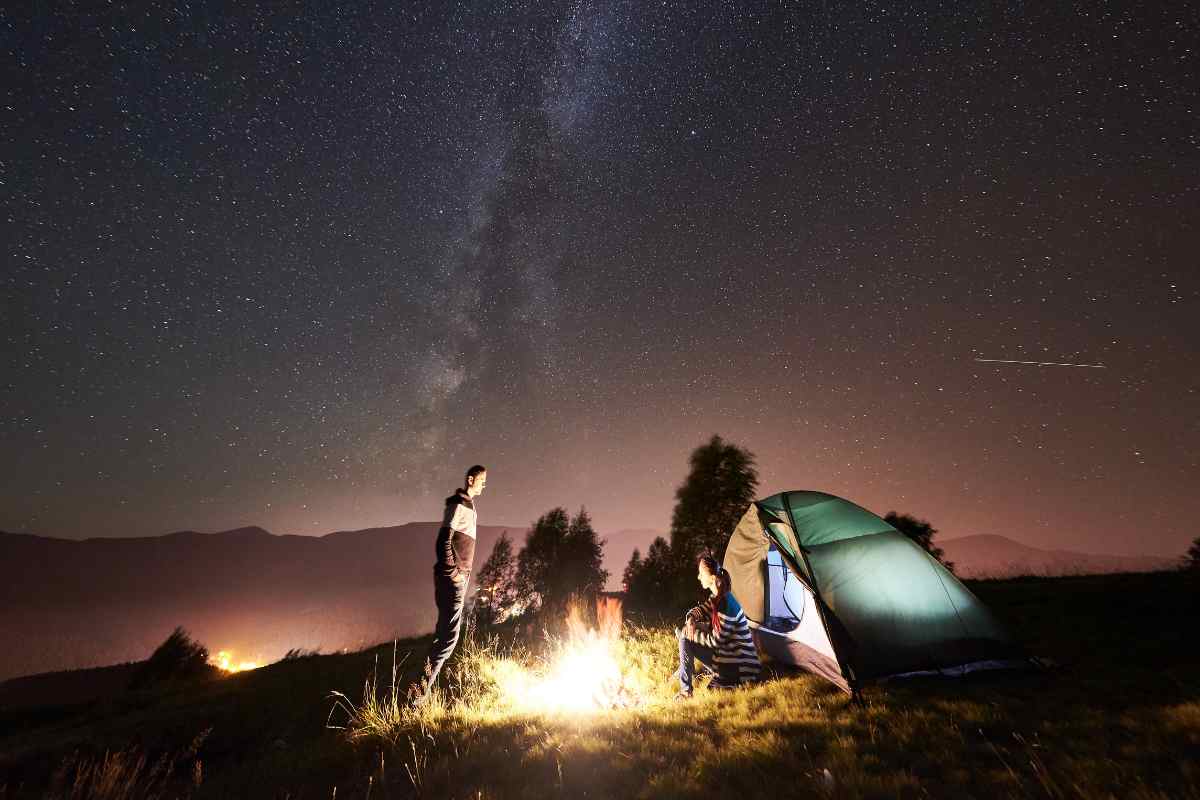
The Celestial Sphere
Imagine the sky as a vast, invisible sphere surrounding the Earth. This is the celestial sphere. Stars are positioned on this sphere and appear to move from east to west.
Knowing your latitude helps you understand how high Polaris will appear in the sky. For example, at the North Pole, Polaris would be directly overhead, while at the equator, it would be on the horizon.
Star Paths and Earth’s Rotation
Stars rise in the east and set in the west due to Earth’s rotation. By observing the movement of stars over a period, you can determine both direction and time.
This method requires practice and patience, but once mastered, it becomes an invaluable skill for night-time navigation.
Practical Tips for Beginners
Learning Stars Navigation as a beginner can seem daunting, but with practice, it becomes easier.
Here are some practical tips to get you started:
Start with a Clear Night
Choose a night with clear skies away from city lights to practice. Light pollution can obscure stars, making navigation difficult.
National parks or remote camping sites are ideal locations.
Use a Star Chart or App
A star chart or a mobile app can help you identify constellations and the North Star.
Apps like SkyView or Star Walk can enhance your learning experience by providing real-time information about the stars above you.
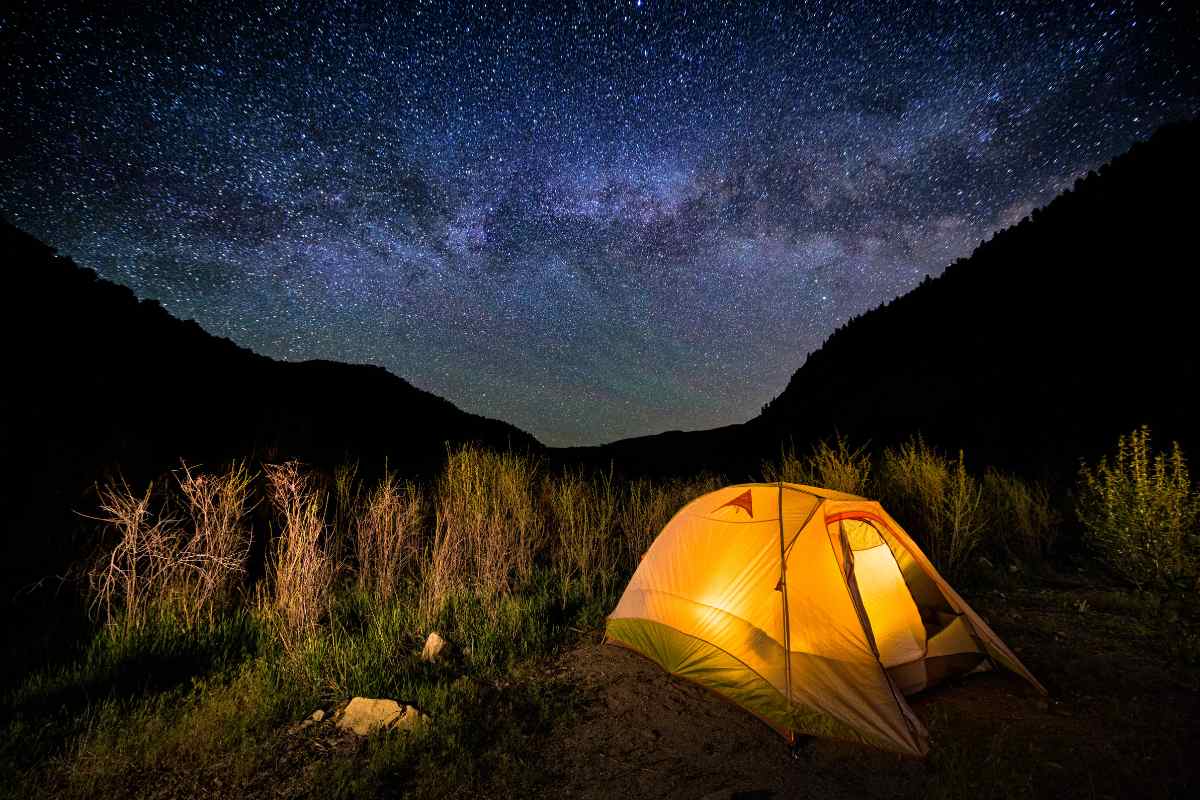
Practice Makes Perfect
Like any skill, star navigation requires practice. Begin by identifying the Big Dipper and Polaris.
Once you are comfortable with these, move on to recognizing other constellations and understanding their movements.
Advanced Stars Navigation Techniques
Once you are familiar with the basics, you can move on to more advanced techniques in Stars Navigation.
These methods can help you navigate more precisely and in different conditions.
Using a Cross-Staff
A cross-staff is a simple tool that helps you measure the angle between the horizon and a star.
This measurement, known as altitude, can help you determine your latitude when combined with a star chart.
The Southern Hemisphere Stars
If you are camping in the Southern Hemisphere, Stars Navigation requires a different approach.
There is no star directly over the South Pole like Polaris. Instead, campers can use the constellation Crux, or the Southern Cross, which points towards the South Pole.
Timekeeping with Stars
Some stars, like those in Orion's Belt, can be used to estimate time at night.
As the Earth rotates, stars move across the sky at a predictable rate. By observing these movements, you can roughly determine the time of night.
Benefits of Learning Stars Navigation
Learning Stars Navigation is not just about finding your way; it has several other benefits:
- Enhances your outdoor experience: Being able to navigate using the stars connects you more deeply with nature.
- Safety: If your electronic devices fail or you lose your map, knowing how to use the stars can prevent you from getting lost.
- Cultural connection: Understanding star navigation allows you to connect with ancient traditions and practices that have guided explorers for millennia.
Developing Confidence and Self-Reliance
Navigating by stars builds confidence and promotes self-reliance. You learn to trust your senses and knowledge rather than relying on technology.
This can be incredibly rewarding and empower you to take on more adventurous camping trips.
Conclusion
Stars Navigation is an invaluable skill for campers who want to enhance their outdoor experiences and ensure safety during their adventures.
By learning to recognize key stars and constellations and understanding their movements, you can navigate confidently under the night sky.
So, the next time you find yourself under a clear, starry sky, look up and let the stars guide your way.
Did you find this post useful or inspiring? Save THIS PIN for later in your Outdoor Board on Pinterest! 😊
Explore these outdoor tips too