
Building a Campfire: A Beginner's Guide

Building a campfire is a quintessential part of the camping experience. It provides warmth, light, and a place to cook food, and it also creates a cozy ambiance for sharing stories under the stars.
For beginners, learning how to build a campfire properly is essential for both safety and enjoyment.
Building a Campfire: Essentials and Preparation
Before you start building a campfire, it's important to prepare properly. This includes choosing the right location, gathering materials, and understanding fire safety protocols.
Choose the Right Location
The first step in building a campfire is selecting a suitable location. Look for a spot that is:
- Away from overhanging branches and other flammable materials.
- Clear of dry leaves, grass, and other debris.
- Sheltered from strong winds, which can spread sparks and embers.
Many campsites have designated fire rings or pits. Use these if available, as they are designed to contain the fire and reduce the risk of it spreading.
Gather Materials
You will need three types of materials to start and maintain your campfire:
- Tinder: Small, easily combustible materials such as dry leaves, grass, pine needles, or small sticks. Tinder is essential for getting your fire started.
- Kindling: Slightly larger sticks and twigs that catch fire from the tinder and help build up the heat.
- Fuelwood: Larger pieces of wood that keep the fire burning. Hardwood, like oak or maple, burns longer and hotter than softwood, like pine or spruce.
Make sure your wood is dry. Wet wood is difficult to ignite and produces a lot of smoke.

Building the Campfire
Once you've prepared the site and gathered your materials, it's time to start building your campfire. There are several methods to choose from, but the following steps provide a reliable way to get your fire going.
Lay the Foundation
Start by creating a base with your tinder. Form a small pile in the center of your fire pit or ring. This will be the heart of your fire.
Add Kindling
Arrange the kindling over the tinder in a teepee shape or log cabin style. The teepee shape involves placing sticks in a cone-like structure over the tinder, while the log cabin style uses a crisscross pattern. Both methods allow for good airflow, which is crucial for the fire to catch and grow.
Light the Fire
Using a match or lighter, carefully ignite the tinder. Light it from multiple sides to ensure an even burn. As the tinder catches fire, it will ignite the kindling.
Build Up the Fire
Once the kindling is burning steadily, gradually add larger pieces of fuelwood. Place the wood in a way that allows air to circulate, such as in a teepee or log cabin arrangement. Avoid adding too much wood at once, as this can smother the fire.
Maintaining the Campfire
After successfully building your campfire, it's important to keep it going and manage it safely.
Feeding the Fire
To keep your campfire burning, you'll need to regularly add fuelwood. Pay attention to the fire's size and intensity, adding wood as needed to maintain a steady burn.
Avoid overloading the fire with too much wood, which can reduce airflow and cause the fire to die down.
Managing Flames and Embers
Keep an eye on the flames and embers. Move unburned ends of wood into the fire to ensure they burn completely. Use a long stick or fire poker to adjust the wood and maintain good airflow.
Fire Safety
Fire safety is paramount when building a campfire. Always have a bucket of water, shovel, and sand or dirt nearby to extinguish the fire if needed.
Never leave your campfire unattended, and make sure it's completely out before you go to sleep or leave the campsite.
Extinguishing the Fire
When you're ready to extinguish your campfire, follow these steps:
- Let the fire burn down naturally. Allow the flames to die out and the wood to reduce to embers.
- Spread out the embers using a stick or shovel.
- Pour water over the embers. Do this slowly to avoid creating steam and spreading hot embers.
- Stir the ashes and embers with a stick or shovel to ensure all parts are wet and cool.
- Add more water as necessary until the fire pit is cool to the touch.
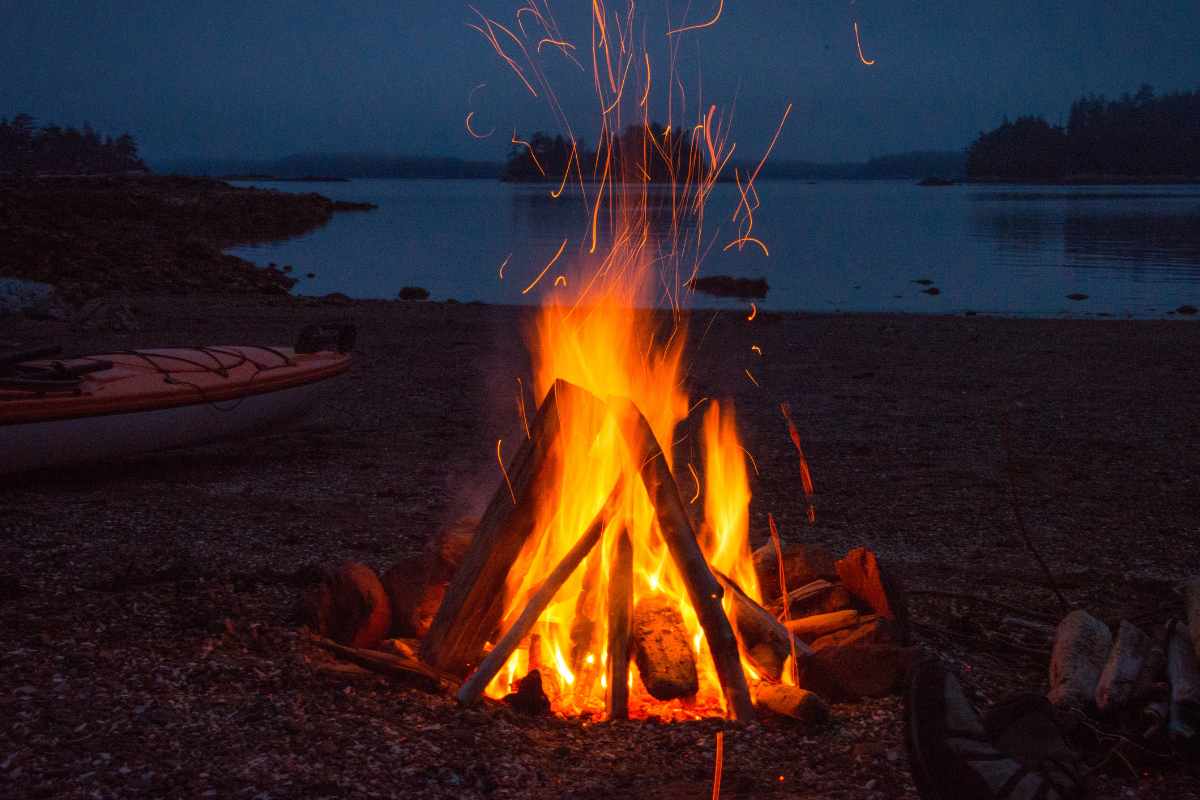
Enjoying Your Campfire
With your campfire safely built and maintained, you can enjoy its many benefits. Cooking over a campfire is a delightful experience, whether you're roasting marshmallows, grilling hot dogs, or cooking more elaborate meals in a Dutch oven.
Campfire Cooking Tips
- Use a grate or skewers: A metal grate can provide a stable cooking surface, while skewers are perfect for roasting marshmallows and hot dogs.
- Cook over coals, not flames: For more controlled cooking, wait until the fire has burned down to hot coals.
- Bring aluminum foil: Foil is great for making simple campfire meals like foil packet dinners or baked potatoes.
- Mind the heat: Campfire heat can be uneven, so be prepared to adjust your cooking position to avoid burning your food.
Campfire Stories and Games
A campfire is a perfect setting for storytelling and games. Share ghost stories or tales of adventure, play games like "20 Questions" or "Charades," or simply enjoy the quiet crackling of the fire and the starry sky above.
Stay Warm and Cozy
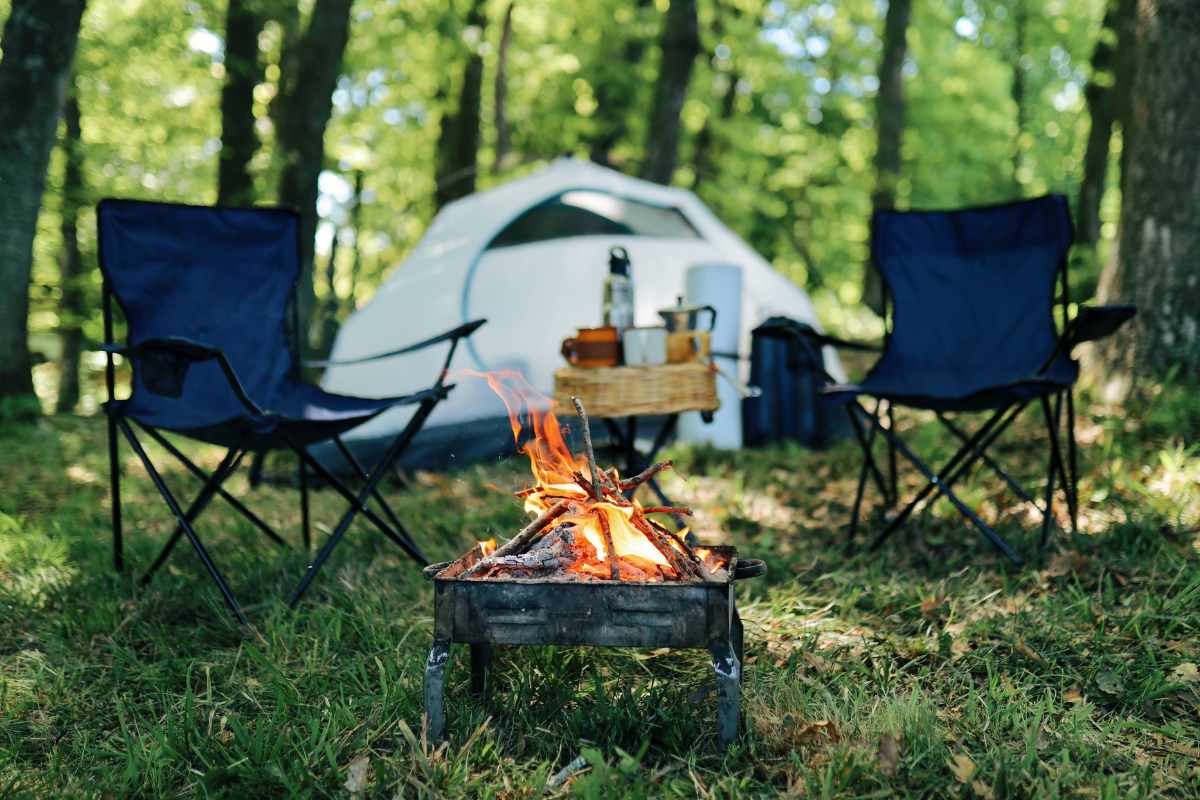
A campfire provides warmth on chilly nights. Sit in a circle around the fire to ensure everyone gets a share of the heat. Use blankets or camp chairs for added comfort.
Respecting Nature
While building a campfire can enhance your camping experience, it's important to respect nature and minimize your impact.
Leave No Trace
Follow the Leave No Trace principles to ensure your campfire doesn't harm the environment:
- Use established fire rings or pits when available.
- Keep fires small and controlled.
- Burn only natural, untreated wood.
- Clean up thoroughly after extinguishing your fire.
Be Mindful of Fire Bans
In some areas, especially during dry seasons, there may be fire bans in place. Check local regulations before building a campfire and adhere to any restrictions to prevent wildfires.
Building a Campfire
Building a campfire is a skill that enhances any camping trip, providing warmth, a cooking source, and a focal point for socializing.
By following these guidelines, beginners can safely and effectively build and enjoy a campfire. Remember to respect nature, prioritize safety, and enjoy the unique atmosphere a campfire brings to your outdoor adventures. Happy camping!
Did you find this post useful or inspiring? Save THIS PIN for later in your Outdoor Board on Pinterest! 😊

Explore these outdoor tips too