
Essential Safety Tips for Open Water Swimming
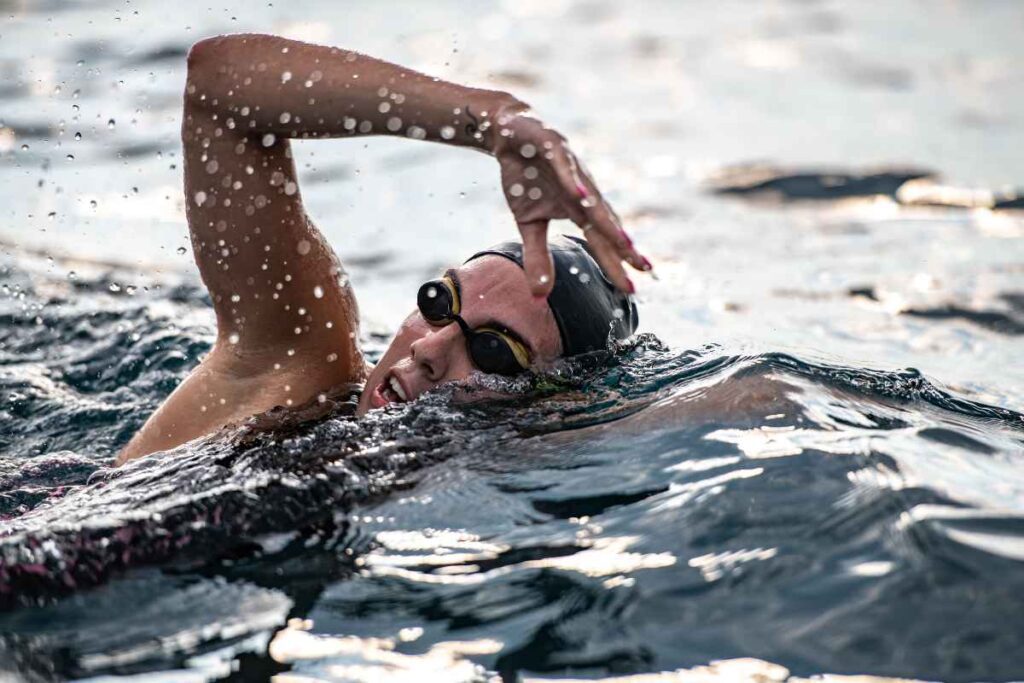
Stay safe while enjoying open water swimming with these essential tips. Learn how to navigate currents, assess water conditions, and protect yourself while swimming in lakes, oceans, and rivers during your next open water adventure.
Swimming in open water, whether it's the ocean, a lake, or a river, offers an invigorating experience that’s different from the calm, controlled environment of a pool.
However, it also presents unique challenges and dangers. Knowing how to stay safe while swimming in open water is crucial for any swimmer, whether you're a beginner or an experienced athlete.
Here are some essential safety tips for open water swimming that will help you enjoy your swim while staying safe.
1. Always Assess the Water Conditions
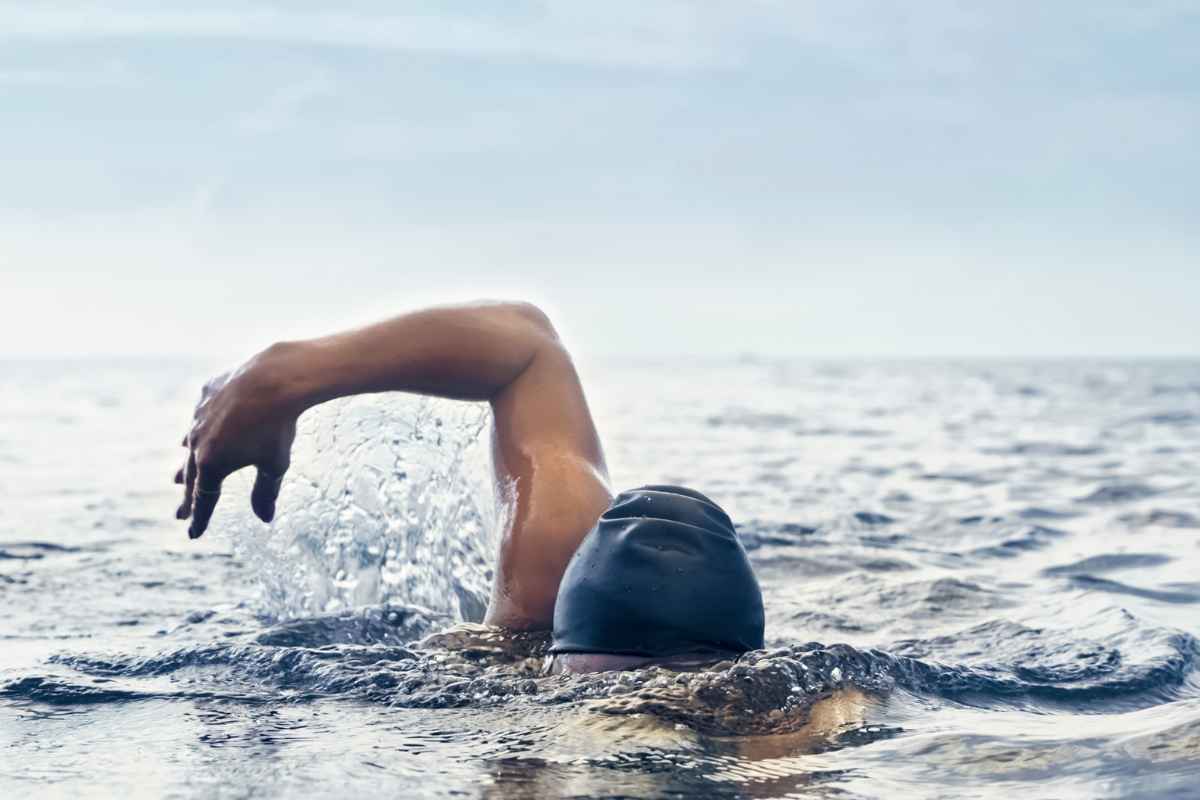
Before diving into any open water, it’s important to assess the water conditions. Lakes, rivers, and oceans can be unpredictable, and even familiar spots can change due to weather or tides. Always take a moment to evaluate the following:
- Tides and currents: Be aware of how tides and currents work, especially in the ocean. Strong currents can pull you away from shore, and rip currents can be especially dangerous. Look for any warning signs or flags posted by lifeguards.
- Weather: Check the weather forecast before heading out. Strong winds and thunderstorms can create hazardous swimming conditions. It’s better to reschedule than to face the risks of swimming during poor weather.
- Water temperature: Open water can be significantly colder than expected, even on hot days. Cold water can lead to hypothermia or sudden muscle cramps, so always test the water temperature before diving in.
By taking a few minutes to check the conditions, you can avoid dangerous situations and enjoy a safer swim.
2. Swim with a Buddy
One of the golden rules of open water swimming safety is to never swim alone. Even experienced swimmers should always swim with a buddy or, if possible, in areas where there are lifeguards on duty. Here’s why swimming with a buddy is important:
- In case of emergencies: If you get a cramp, get caught in a current, or feel fatigued, having a buddy nearby can be a literal lifesaver.
- Spotting dangers: Another swimmer can help you spot potential hazards, like fast-approaching boats or marine life.
- Moral support: Even without danger, swimming with a friend can make the experience more enjoyable and give you peace of mind.
If you’re venturing into remote areas or are unsure of water conditions, always make sure someone knows where you are and what time you expect to return.
3. Wear the Right Gear
Choosing the right gear can significantly enhance your safety in open water. Open water swimming requires different equipment than pool swimming, so be prepared with the following:
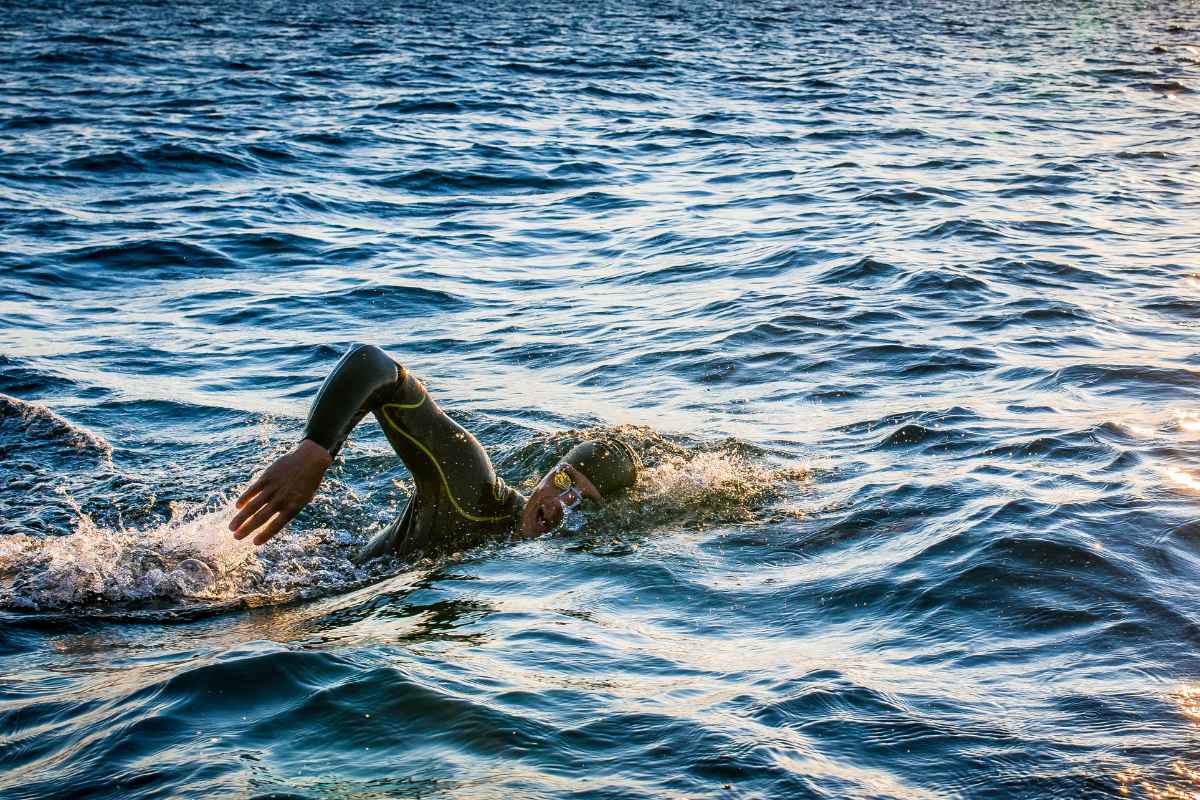
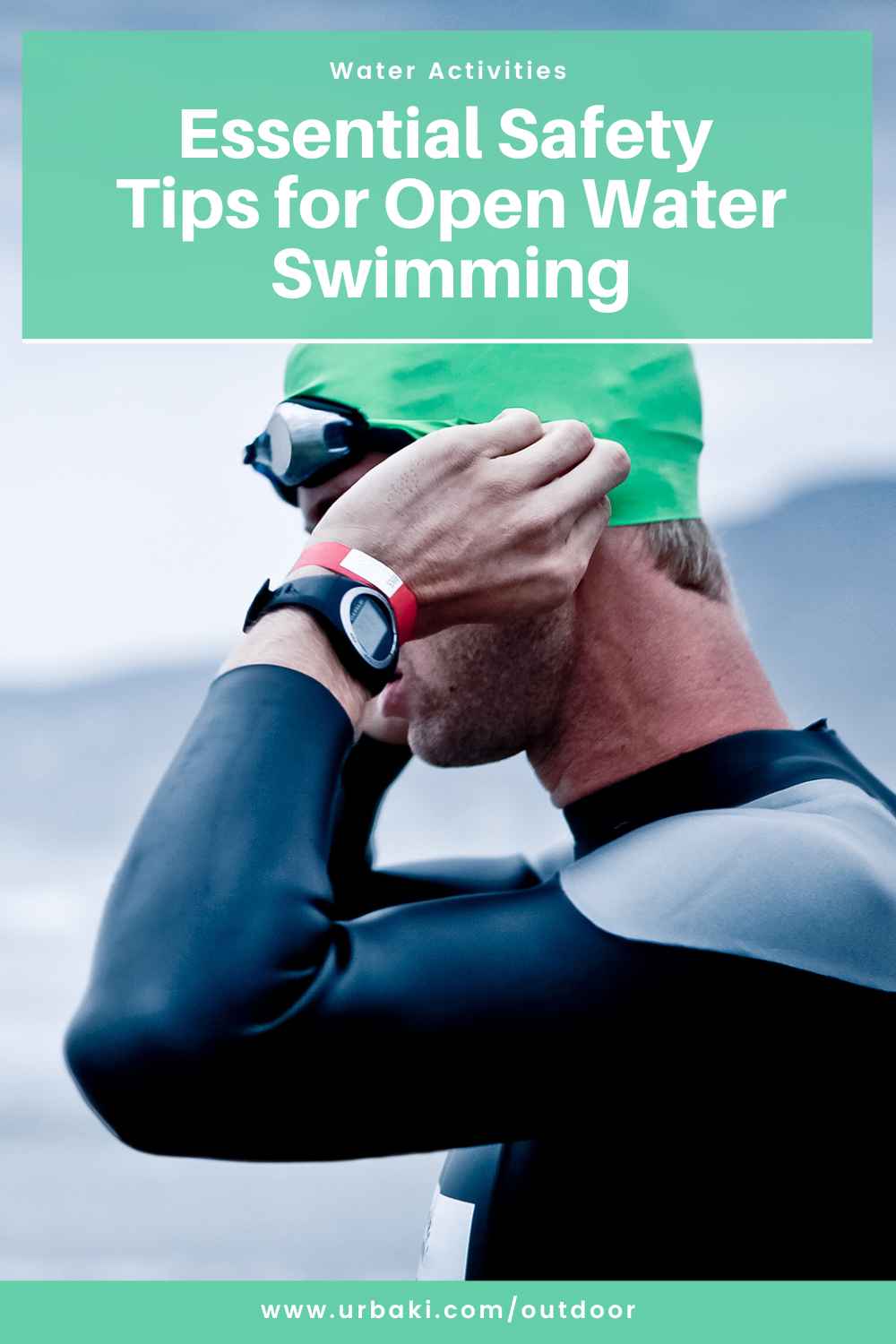
- Bright swim cap: Wearing a brightly colored swim cap will help boats, lifeguards, and other swimmers spot you in the water. This is especially important in areas with low visibility.
- Wetsuit: If you're swimming in cold water, a wetsuit can help regulate your body temperature and protect you from the cold. It also provides a bit of buoyancy, making it easier to stay afloat.
- Swim buoy: A swim buoy is a floatation device that you can attach to yourself. It provides visibility and can give you something to hold onto if you need to rest.
Wearing the right gear not only improves your safety but also makes your swim more comfortable and enjoyable.
4. Know How to Escape a Rip Current
Rip currents are powerful channels of water that flow away from shore. They can occur in both oceans and large lakes and are responsible for many open water swimming accidents. Here’s how to safely navigate a rip current:
- Don’t panic: If you find yourself caught in a rip current, stay calm and avoid swimming directly against it. This can tire you out quickly.
- Swim parallel to the shore: Instead of trying to swim back to shore, swim parallel to it. Rip currents are usually narrow, and by swimming to the side, you can escape its pull.
- Float if you’re tired: If you’re unable to swim out of the current, float on your back and signal for help by waving your arms.
Understanding how to handle a rip current can save your life and prevent a dangerous situation from escalating.
5. Stay Visible and Be Aware of Your Surroundings
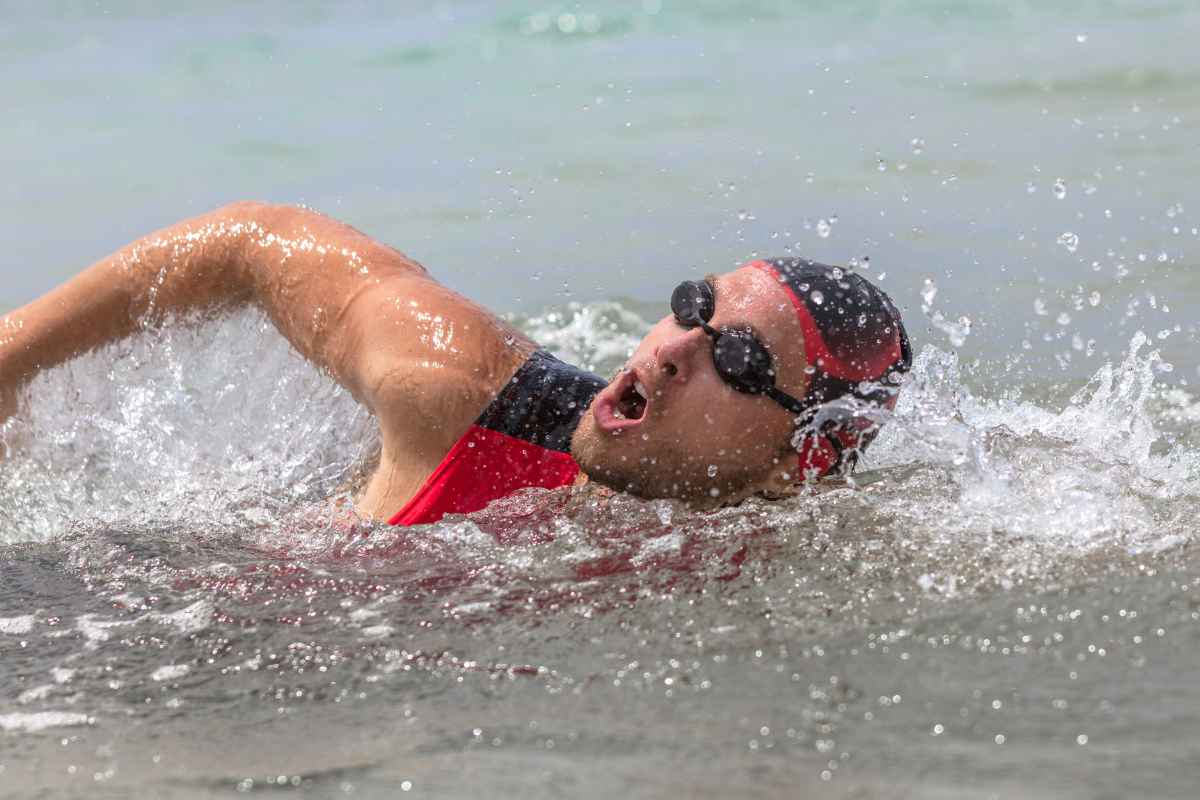
Visibility in open water can often be low, especially in murky lakes or rivers. Staying visible to boats, kayakers, and other swimmers is crucial. Here are some tips to increase visibility and stay aware:
- Look up regularly: When swimming, especially in open areas, make a habit of looking up every few strokes. This will help you stay on course and avoid any obstacles.
- Stay within designated swim areas: If you’re in an area where boats are present, always swim within designated swimming areas marked by buoys. These areas are usually patrolled and free of watercraft traffic.
- Stay close to the shore: While it can be tempting to swim far out, staying closer to the shore reduces your risk of getting caught in a current or lost in a vast expanse of water.
Open water swimming can be one of the most exhilarating outdoor activities, offering a sense of freedom and connection to nature.
By following these essential safety tips for open water swimming, you can enjoy your time in the water with confidence.
Always remember to assess the water conditions, swim with a buddy, wear the right gear, understand how to escape a rip current, and stay visible.
With these precautions in mind, you’ll be prepared to take on the open water and make the most of your swim.
Happy swimming, and stay safe out there!
Did you find this post useful or inspiring? Save THIS PIN for later in your Outdoor Board on Pinterest! 😊

Explore these outdoor tips too