
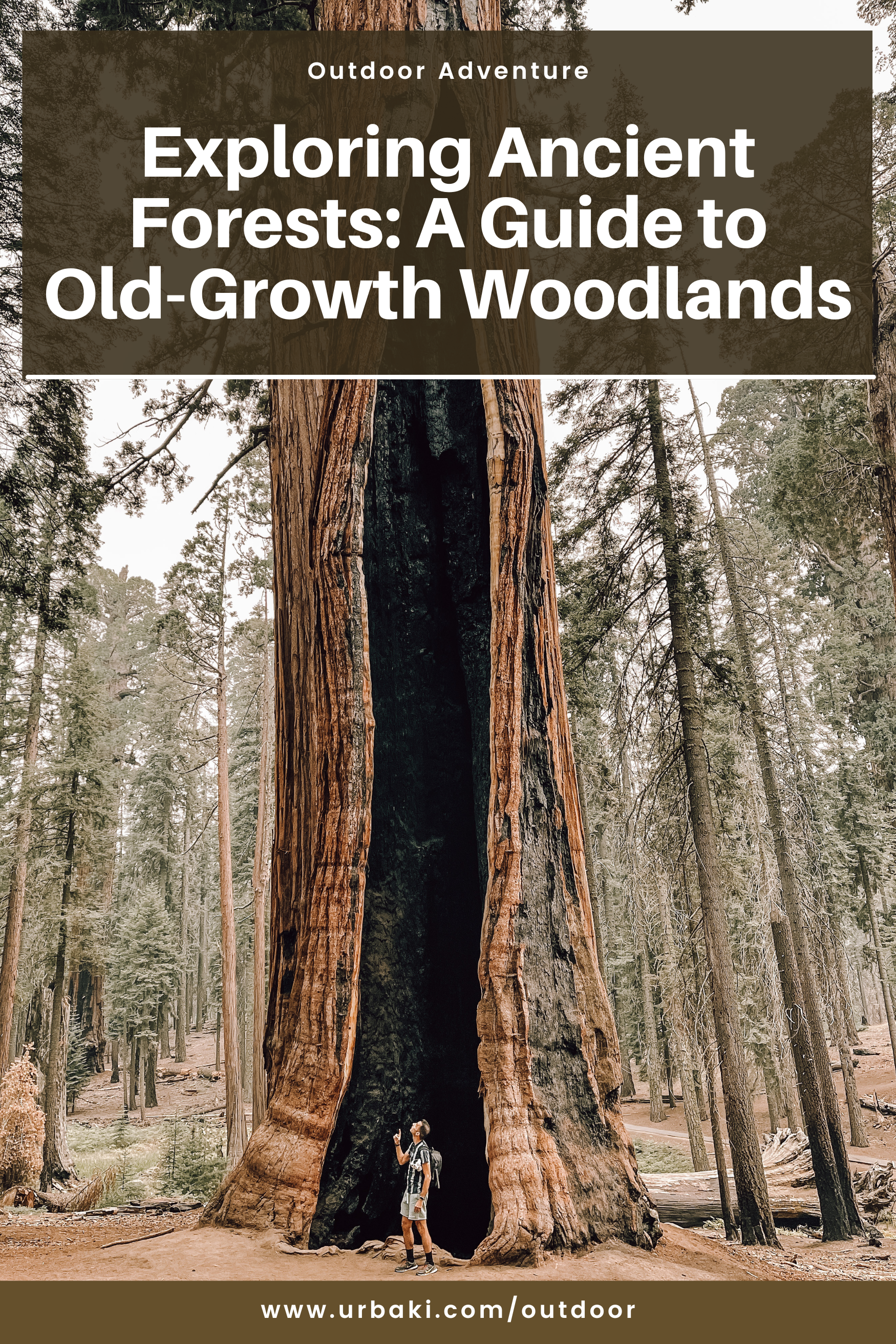
Exploring Ancient Forests: A Guide to Old-Growth Woodlands
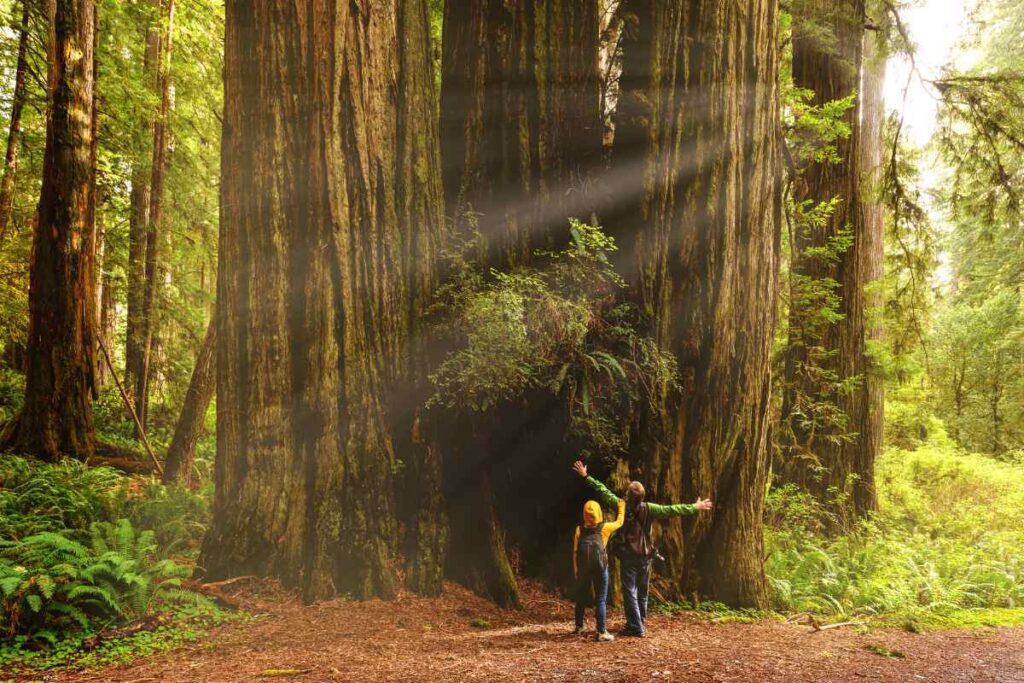
Exploring ancient forests offers a unique opportunity to experience the beauty and complexity of nature.
These old-growth woodlands have stood for centuries, untouched by human development, and serve as a window into the past.
Ancient forests are characterized by their mature trees, rich biodiversity, and complex ecosystems, making them a fascinating subject for nature enthusiasts and scientists alike.
In this guide, we'll explore what makes these forests so special, how to navigate them responsibly, and why they are essential to our planet's health.
We'll also highlight some of the most popular ancient forests around the world that you can visit to experience their timeless beauty.
Understanding Ancient Forests
What Are Ancient Forests?
Ancient forests are ecosystems that have developed over long periods without significant disturbance, resulting in a unique composition of flora and fauna.
These forests often include trees that are hundreds, if not thousands, of years old, providing habitat for a wide range of species, some of which are not found anywhere else.
The term "old-growth" refers to the advanced age and complex structure of these woodlands, which include a variety of tree ages, sizes, and species.
Characteristics of Ancient Forests
- Diverse Tree Species: Ancient forests are home to a wide variety of tree species, including some that are rare or endangered. These trees often have unique adaptations that allow them to thrive in specific environmental conditions.
- Complex Ecosystems: The ecosystem within an ancient forest is highly intricate, with a delicate balance of plant and animal life. From the canopy to the forest floor, each layer of the forest plays a vital role in supporting the overall ecosystem.
- Rich Biodiversity: Due to their age and stability, ancient forests support a high level of biodiversity. This includes a range of mammals, birds, insects, fungi, and plants that rely on the specific conditions found only in these woodlands.
Notable Ancient Forests Around the World
Exploring some of the world's most famous ancient forests can provide a firsthand experience of these incredible ecosystems:
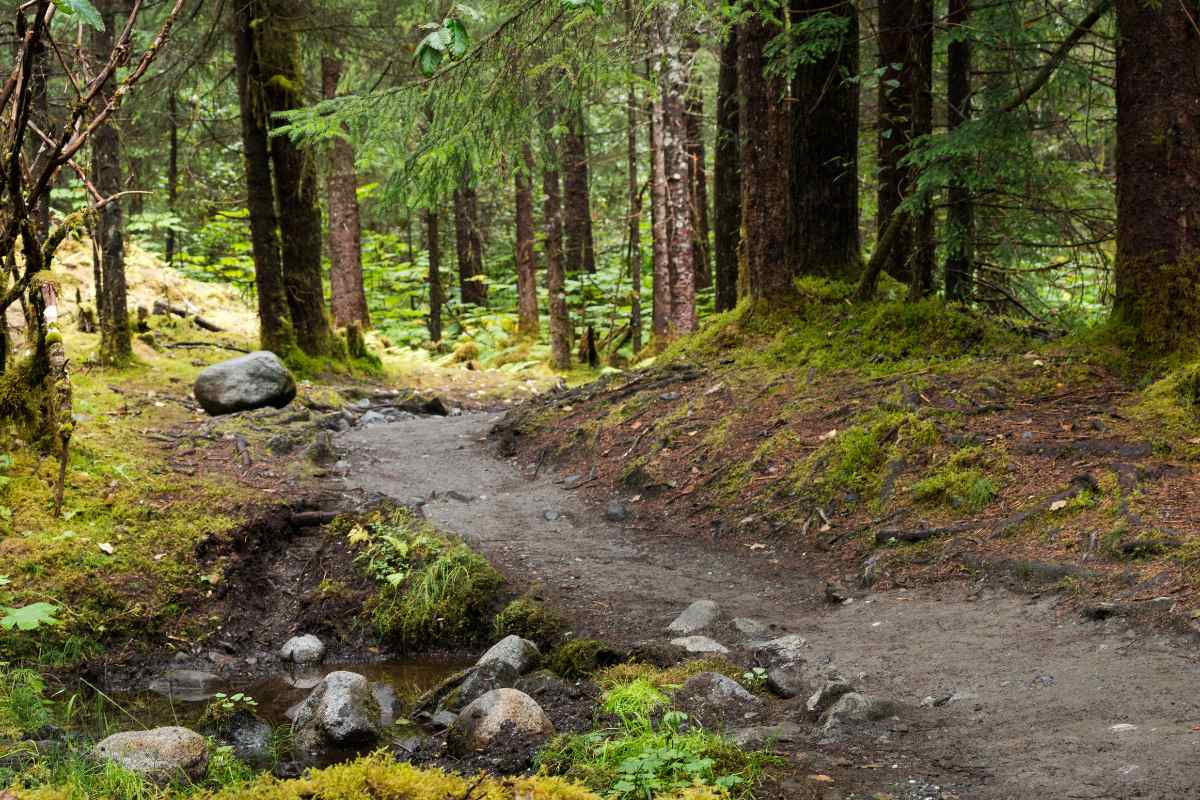
- Tongass National Forest, Alaska, USA: This is the largest national forest in the United States and one of the most extensive temperate rainforests in the world. It's home to old-growth Sitka spruce, hemlock, and cedar trees.
- Daintree Rainforest, Queensland, Australia: Believed to be over 135 million years old, the Daintree is one of the world's oldest rainforests. It boasts an incredible diversity of plant and animal life, many of which are found nowhere else.
- Białowieża Forest, Poland and Belarus: This ancient forest straddles the border between Poland and Belarus and is one of the last and largest remaining parts of the primeval forest that once covered much of Europe. It's known for its large population of European bison.
- Amazon Rainforest, South America: While much of the Amazon is considered secondary growth due to human activity, there are still large swathes of old-growth areas that have been untouched for millennia. These regions are crucial for biodiversity and climate regulation.
- Redwood National and State Parks, California, USA: Home to the tallest trees on Earth, the coast redwoods, these forests are a stunning example of old-growth ecosystems in a temperate climate. The trees here can live for over 2,000 years.

Exploring Ancient Forests: A Journey into the Past
Preparing for Your Adventure
When planning to explore an ancient forest, preparation is key. These environments can be both breathtaking and challenging, so it's important to be well-equipped for the journey.
- Research Your Destination: Before you set out, take the time to learn about the specific ancient forest you plan to visit. Understanding the local flora and fauna, trail conditions, and any regulations or guidelines will enhance your experience and help you navigate safely.
- Pack Appropriately: Essential gear for exploring ancient forests includes sturdy hiking boots, weather-appropriate clothing, plenty of water, snacks, and a first-aid kit. A map and compass or GPS device are also recommended, as trails in ancient forests can be less marked than in more developed areas.
- Respect the Environment: Remember that ancient forests are delicate ecosystems. Follow the principles of Leave No Trace: stay on marked trails, carry out all trash, and avoid disturbing wildlife or picking plants.
Navigating Ancient Forests
Navigating through ancient forests can be a unique challenge due to their dense foliage and less-defined trails.
However, with the right approach, you can explore these areas safely and responsibly.
Tips for Navigating Old-Growth Woodlands
- Stay on Established Paths: Whenever possible, stick to marked trails. This helps to protect the fragile undergrowth and prevent soil erosion.
- Use Natural Landmarks: In addition to maps and compasses, use natural landmarks such as large trees, rock formations, or water bodies to help orient yourself.
- Be Mindful of the Canopy: The dense canopy in many ancient forests can affect your sense of direction. Pay attention to the position of the sun and use it as a guide whenever possible.
The Importance of Ancient Forests
Ecological Significance
Ancient forests are more than just beautiful landscapes; they are critical to the health of our planet.
These woodlands provide numerous ecological benefits that are essential to maintaining a balanced and sustainable environment.
Benefits of Ancient Forests
- Carbon Sequestration: Old-growth forests play a significant role in capturing and storing carbon dioxide, a major greenhouse gas. The large, mature trees in these forests absorb and store carbon, helping to mitigate the effects of climate change.
- Water Regulation: The complex root systems of ancient forests help to regulate water cycles, maintain soil stability, and reduce the risk of floods and landslides.
- Habitat for Wildlife: Ancient forests provide crucial habitat for a wide variety of species, including some that are endangered or have very specific habitat requirements.
Cultural and Spiritual Value
Beyond their ecological importance, ancient forests also hold deep cultural and spiritual significance for many communities around the world.
They are often seen as sacred spaces, offering a place for reflection, connection with nature, and understanding of the natural world.
Preserving Cultural Heritage
- Indigenous Connections: For many Indigenous peoples, ancient forests are not just homes to plants and animals but are integral to their culture, spirituality, and history. Preserving these forests helps protect their cultural heritage.
- Inspiration for Art and Literature: Throughout history, ancient forests have inspired countless works of art, literature, and music. They continue to be a source of inspiration and creativity for people around the world.

Protecting Ancient Forests
Threats to Ancient Forests
Despite their importance, ancient forests face numerous threats, primarily from human activity.
Understanding these threats is the first step toward ensuring their protection.
Major Threats
- Deforestation: Logging, agriculture, and urban development are leading causes of deforestation, resulting in the loss of ancient forests. When these trees are cut down, the complex ecosystems they support are often destroyed as well.
- Climate Change: Climate changes can have devastating effects on ancient forests, altering the delicate balance of species and making them more vulnerable to diseases, pests, and wildfires.
- Pollution: Air and water pollution can severely impact the health of ancient forests, affecting everything from tree growth to the health of wildlife.
How You Can Help
There are several ways individuals can contribute to the preservation of ancient forests and ensure these natural wonders are protected for future generations.
Steps to Protect Ancient Forests
- Support Conservation Efforts: Contributing to organizations that focus on the protection of ancient forests is a powerful way to make a difference. Many of these groups work tirelessly to advocate for policy changes, create protected areas, and educate the public about the importance of these ecosystems.
- Practice Sustainable Living: Reducing your carbon footprint, using sustainable products, and supporting eco-friendly businesses can help decrease the demand for resources that threaten ancient forests.
- Raise Awareness: Educate others about the value of ancient forests and the threats they face. Awareness is a critical component of conservation, and sharing information can inspire others to take action.
- Participate in Restoration Projects: Get involved in local or global efforts to restore degraded forests. Planting native trees, removing invasive species, and participating in habitat restoration can help rebuild these precious ecosystems.
Embracing the Beauty and Legacy of Ancient Forests
Exploring ancient forests is not just an adventure; it is a journey into the heart of our planet's history and a reminder of the natural beauty that must be preserved.
These old-growth woodlands are essential to maintaining ecological balance, supporting biodiversity, and providing cultural and spiritual value.
By understanding their importance and taking steps to protect them, we can ensure that these magnificent forests remain intact for generations to come.
Whether you are hiking through their majestic trees, studying their unique ecosystems, or advocating for their preservation, your efforts contribute to a global movement to protect one of the earth's most vital resources.
Did you find this post useful or inspiring? Save THIS PIN for later in your Outdoor Board on Pinterest! 😊
Explore these outdoor tips too