
The Pros and Cons of Hiking Alone vs. with a Group

Hiking is a popular outdoor activity that offers numerous physical and mental benefits. Whether you prefer the solitude of hiking alone or the camaraderie of hiking with a group, each option has its unique advantages and drawbacks.
Understanding these can help you decide the best way to enjoy your hiking adventures.
Here, we look at the pros and cons of hiking alone versus with a group to help you make an informed decision.
Hiking Alone vs. with a Group
Choosing between hiking alone or with a group depends on various factors including your personal preferences, experience level, and the specific nature of the trail.
It's important to consider the pros and cons of each to ensure a safe and enjoyable hiking experience.
The Advantages of Hiking Alone
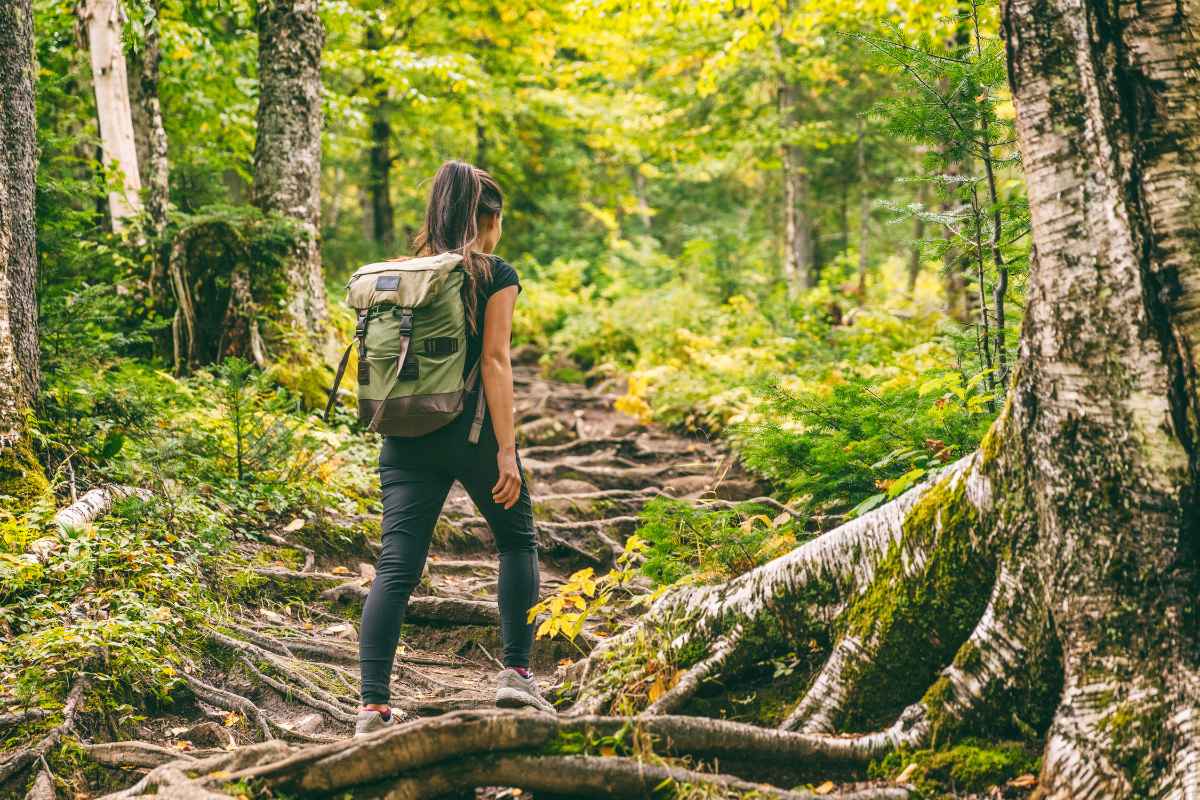
1. Independence and Freedom: When you hike alone, you have the freedom to choose your own path, pace, and schedule. This independence allows you to explore trails that interest you the most and make spontaneous decisions without needing to coordinate with others.
2. Deep Connection with Nature: Hiking alone can enhance your connection with nature. Without the distractions of conversation, you can fully immerse yourself in the sounds, sights, and smells of the wilderness, leading to a more profound and personal experience.
3. Personal Growth: Hiking solo often involves overcoming challenges on your own, which can boost your confidence and self-reliance. The experience of navigating, problem-solving, and enduring physical exertion alone can be incredibly empowering.
4. Mental Clarity and Reflection: Solo hiking provides ample time for introspection and mental clarity. It’s an opportunity to reflect on life, make decisions, and find peace away from the hustle and bustle of daily life.
The Drawbacks of Hiking Alone
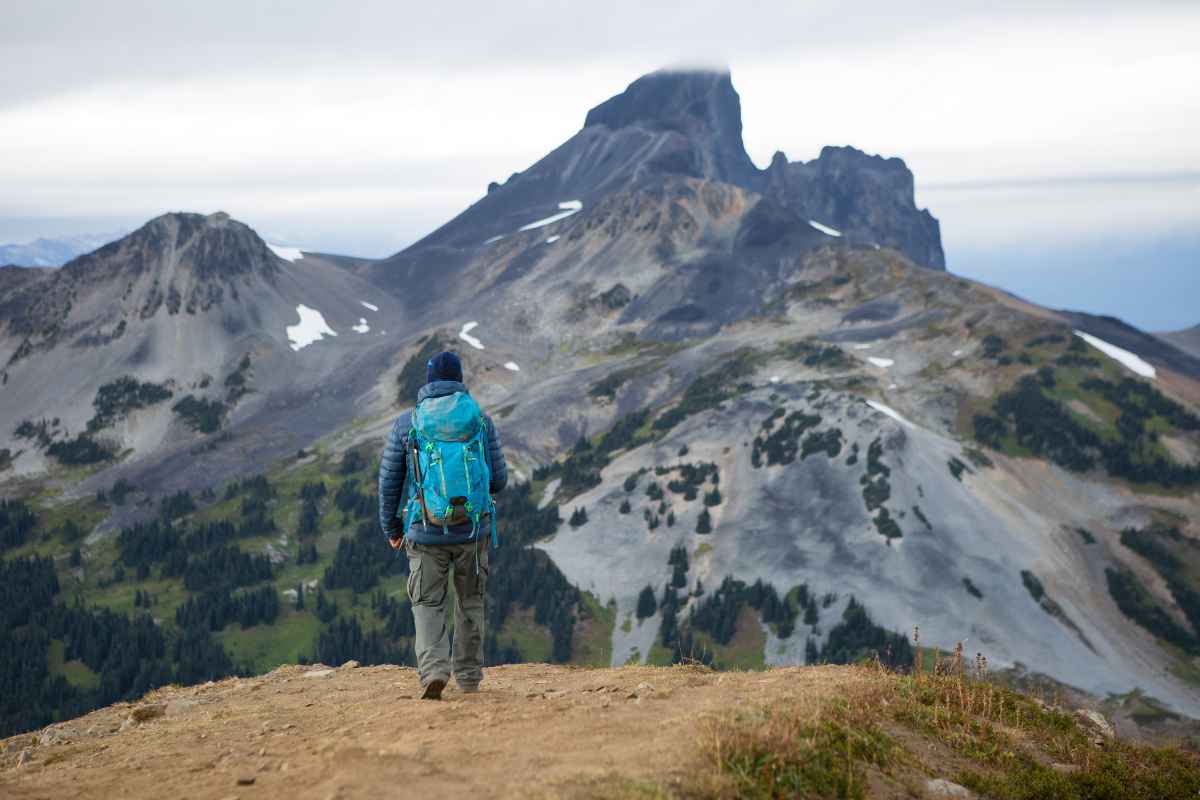
1. Safety Concerns: One of the primary disadvantages of hiking alone is the increased risk to your safety. In case of injury, illness, or getting lost, there is no one to assist you. This makes it crucial to be well-prepared and inform someone about your plans before setting out.
2. Loneliness: For some, hiking alone can be a lonely experience. The lack of social interaction might lead to feelings of isolation, especially on longer hikes or in remote areas.
3. Limited Sharing of Experiences: Experiencing breathtaking views or unique wildlife alone means you don’t have someone to share those moments with. Having a companion allows for shared memories and experiences that can enhance the enjoyment of the hike.
4. Logistics and Planning: When hiking solo, all the planning and logistics fall on your shoulders. This includes navigation, carrying gear, and ensuring you have enough supplies, which can be more challenging without a group to share the load.
The Advantages of Hiking with a Group
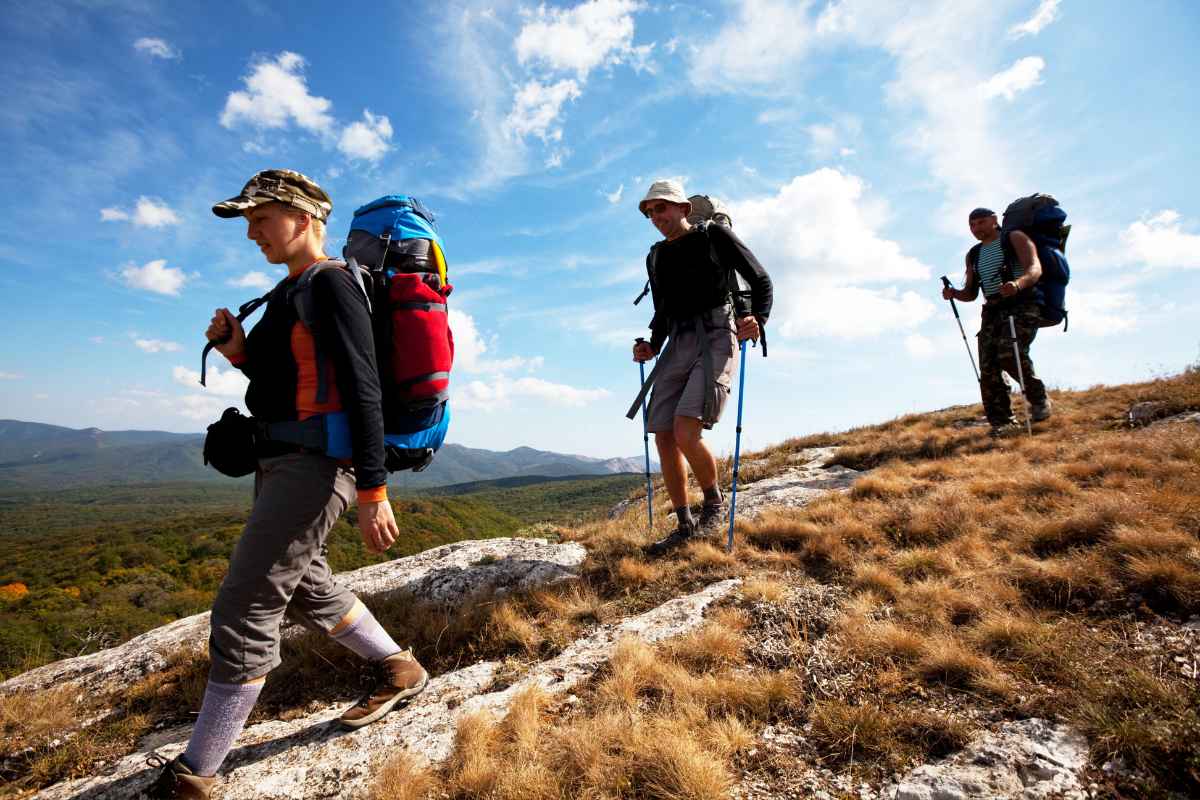
1. Safety in Numbers: Hiking with a group significantly increases safety. In the event of an accident or emergency, you have others to assist, seek help, or share resources, reducing the risks associated with hiking.
2. Social Interaction: Hiking with others gives you a chance to socialize, swap stories, and enjoy the hike together. This can make the outing more fun and help build strong bonds with fellow hikers.
3. Shared Responsibilities: Group hiking allows for the division of responsibilities such as navigation, carrying supplies, and setting up camp. This can make the hike easier and less stressful, as tasks are shared among the group members.
4. Motivation and Support: Having companions can provide motivation and support, especially on challenging trails. Encouragement from others can help you push through difficult sections and maintain a positive attitude.
The Drawbacks of Hiking with a Group
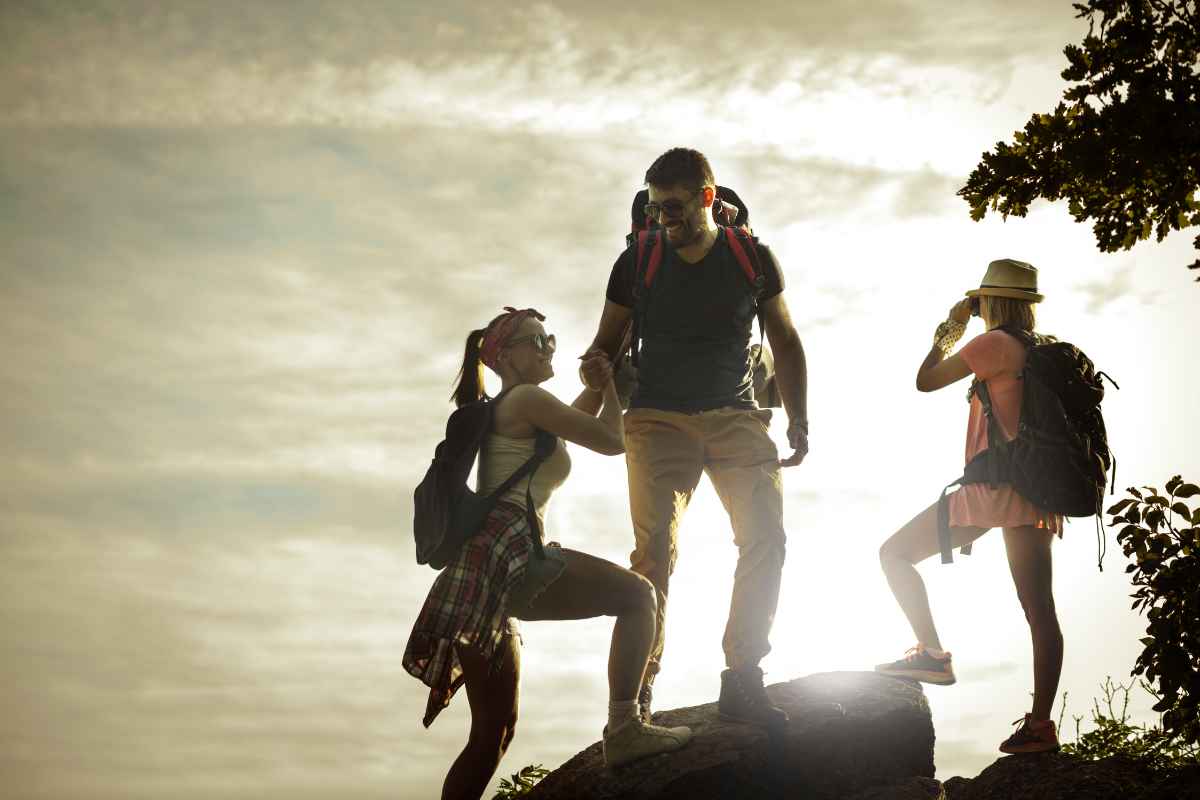
1. Compromise and Coordination: Hiking with a group requires compromise and coordination. You need to agree on the trail, pace, rest breaks, and other details, which can sometimes lead to disagreements or slowdowns.
2. Reduced Flexibility: Group hiking can limit spontaneity. Decisions must be made collectively, which can restrict your ability to change plans on a whim or explore side trails.
3. Diverse Skill Levels: Group members often have varying skill levels and fitness, which can affect the overall pace and experience. The group must accommodate the slowest hiker, which might not match everyone’s desired pace.
4. Noise and Distraction: Hiking with a group can sometimes detract from the serene experience of nature. Conversations and noise can disrupt the peaceful environment, potentially scaring away wildlife and diminishing the natural ambiance.
Making the Choice: Solo or Group Hiking?
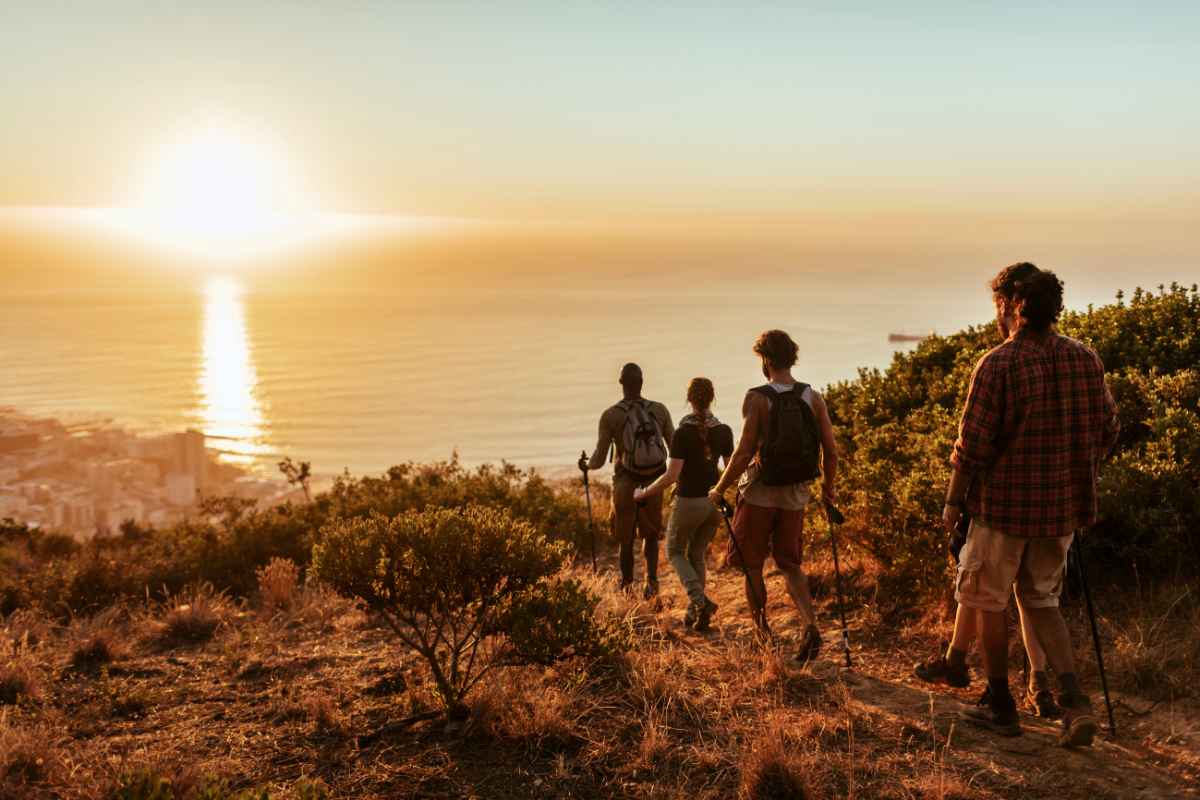
Deciding between hiking alone or with a group depends on your personal preferences, goals, and the specific circumstances of your hike.
Here are some considerations to help you make the best choice:
Evaluate the Trail and Conditions: Consider the difficulty, remoteness, and length of the trail. For challenging or remote hikes, a group might be safer.
For well-marked, shorter trails, solo hiking could be a rewarding experience.
Assess Your Skills and Experience: If you are an experienced hiker with strong navigation and survival skills, hiking alone might be feasible.
Beginners or those less confident in their abilities may benefit from the support of a group.
Consider Your Social Needs: Reflect on whether you crave solitude or social interaction.
If you seek mental clarity and personal reflection, solo hiking is ideal. If you enjoy sharing experiences and building relationships, group hiking is the way to go.
Plan for Safety: Regardless of your choice, safety should be a top priority.
For solo hikes, ensure you have the necessary gear, inform someone of your plans, and know basic first aid.
For group hikes, establish clear communication, stick together, and respect each member’s capabilities.
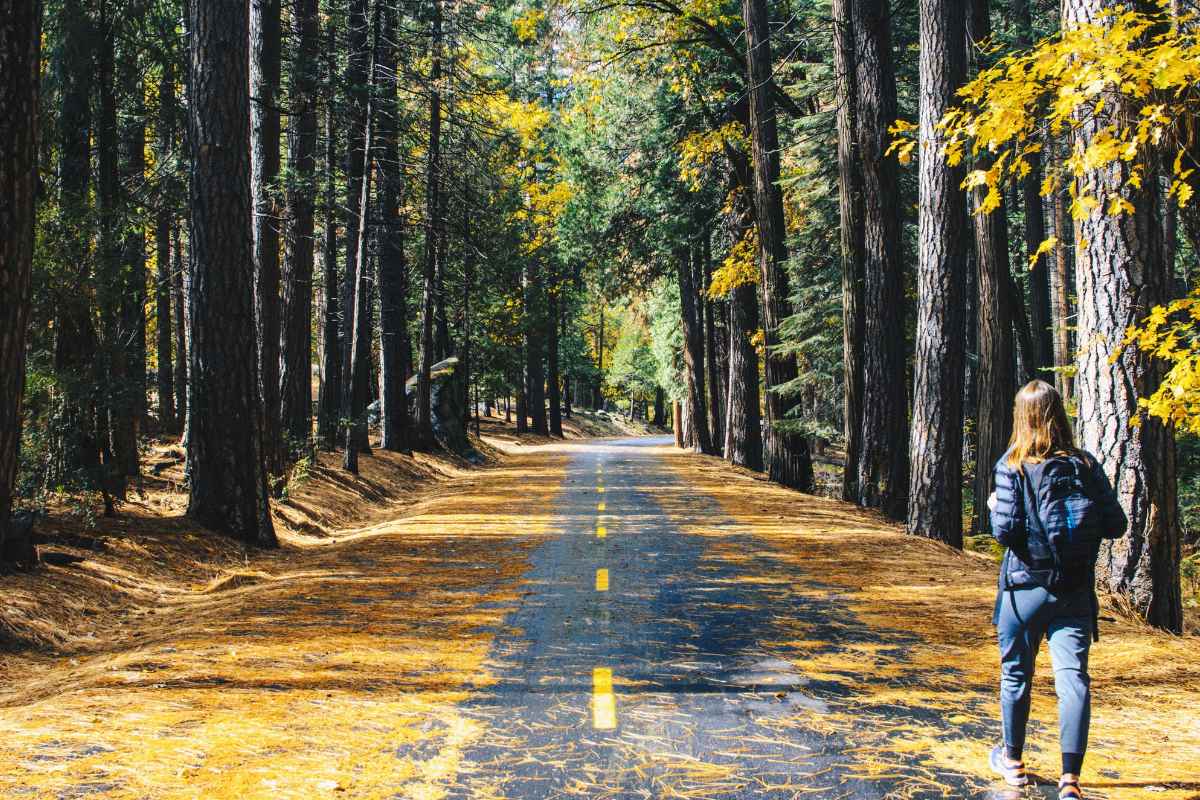
Conclusion
Both solo and group hiking offer unique experiences and benefits. Solo hiking provides independence, personal growth, and a deeper connection with nature, while group hiking enhances safety, social interaction, and shared responsibilities.
Weighing the pros and cons of each can help you choose what works best for your next adventure. Whether you hike alone or with others, the most important thing is to enjoy the hike, respect nature, and stay safe.
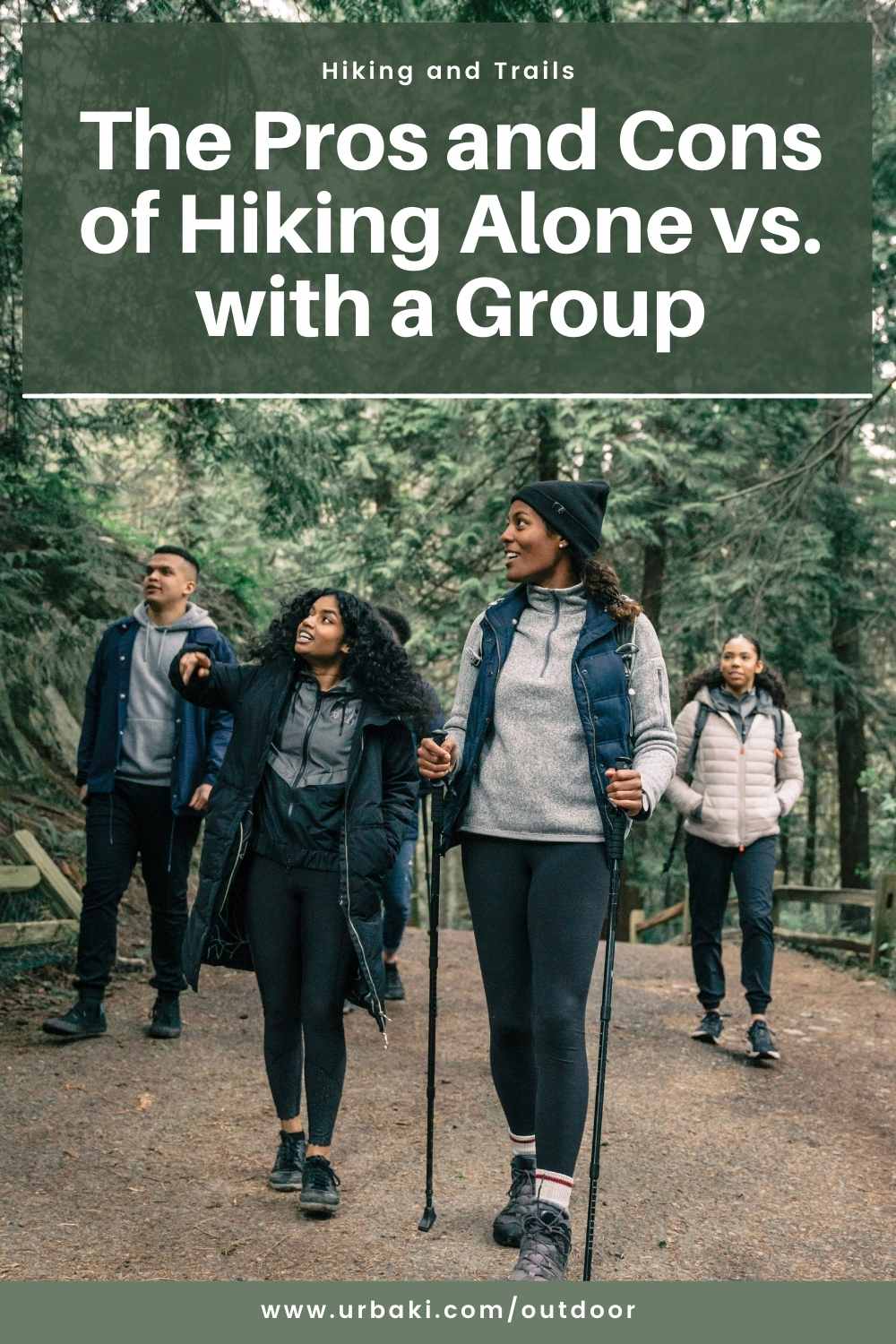
Did you find this post useful or inspiring? Save THIS PIN for later in your Outdoor Board on Pinterest! 😊

Explore these outdoor tips too