
How Can You Ensure Safety While Solo Camping?
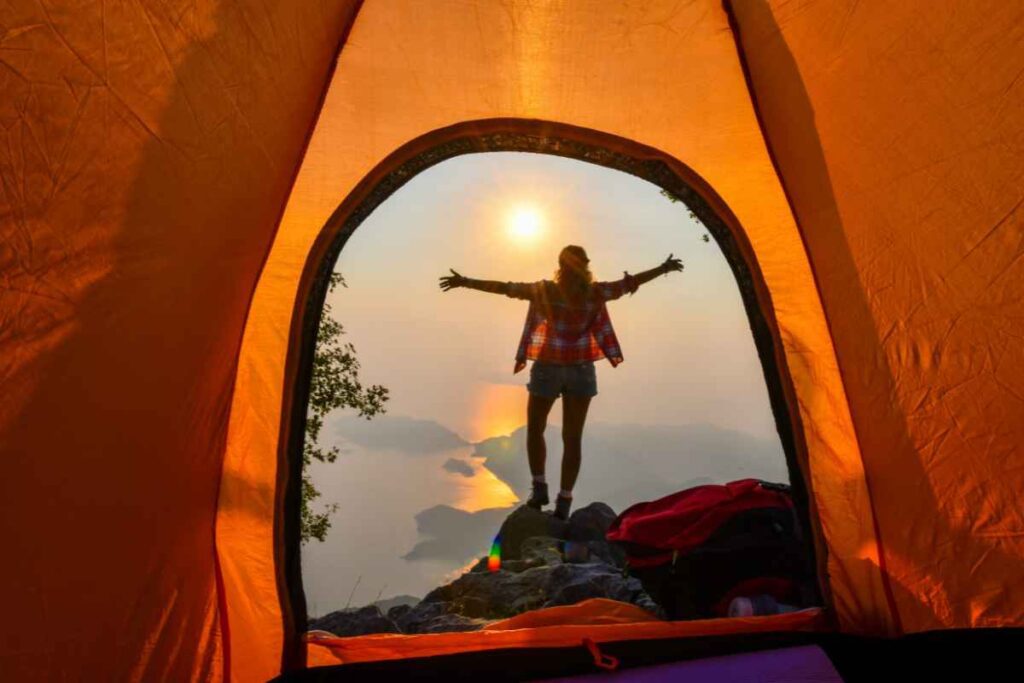
Being alone in the wilderness also comes with certain risks that require careful planning and preparation. The question is: how can you ensure safety while solo camping?
Solo camping can be a rewarding experience, offering you the chance to reconnect with nature, find solitude, and challenge yourself in new ways.
By following key safety guidelines, packing the right gear, and staying aware of your surroundings, you can minimize risks and fully enjoy your adventure.
In this article, we'll explore important tips and strategies to help you stay safe while camping solo.
How Can You Ensure Safety While Solo Camping?
When embarking on a solo camping trip, there are several essential steps to ensure that you are well-prepared and secure. Whether you're an experienced camper or it's your first solo outing, understanding the basics of solo camping safety is crucial. Let's dive into the best ways to safeguard yourself while exploring the outdoors on your own.
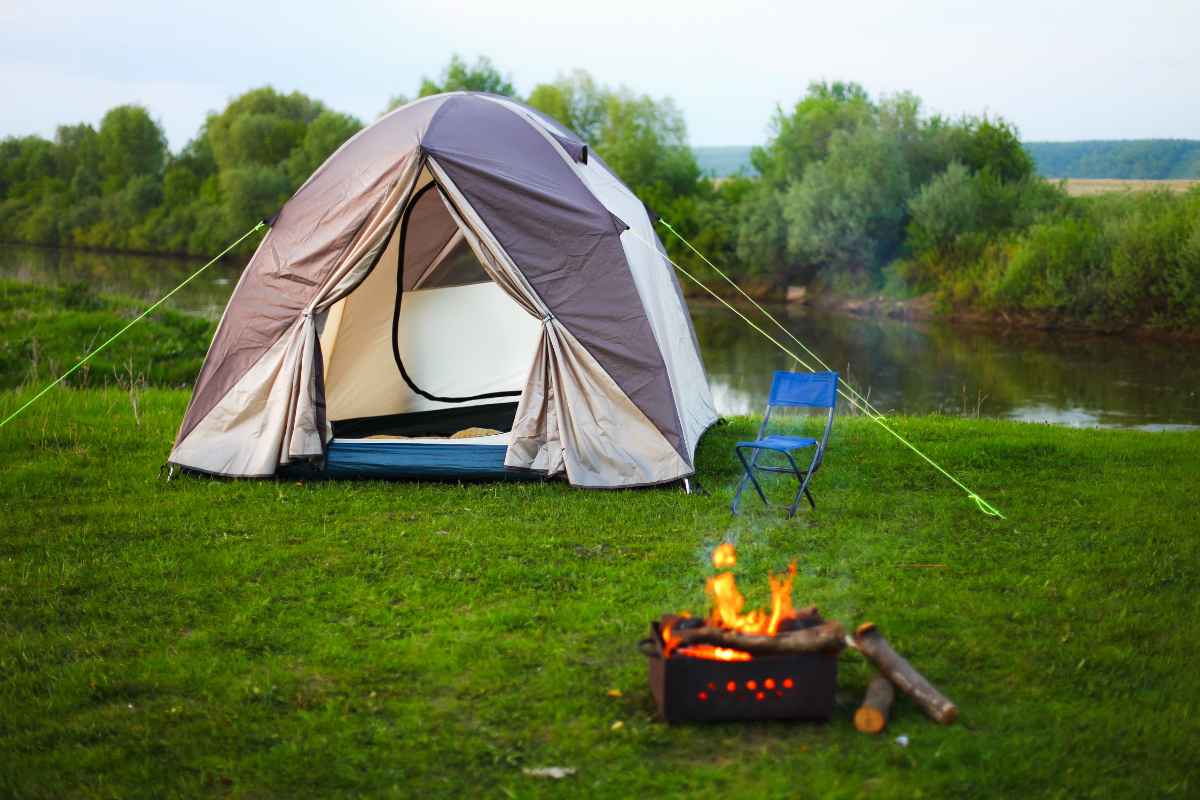
1. Plan Your Trip Thoroughly
The foundation of a safe solo camping experience starts with thorough planning. Before you set off, make sure you’ve done your homework on the area where you plan to camp. This includes:
- Researching the terrain and weather: Check the forecast and become familiar with the types of terrain you'll encounter, whether it's rocky, forested, or near water. Understanding the weather and environment will help you pack appropriately and avoid any surprises.
- Choose a safe and established campsite: Opt for campsites that are known for being safe, especially if it's your first time camping solo. Established campsites often have well-marked trails, access to water, and are monitored by park rangers.
- Familiarize yourself with local wildlife: Learn about the animals that inhabit the area you're visiting. For example, if there are bears, you’ll want to bring bear-proof storage for your food. Understanding the local wildlife will help you prepare for any encounters.
By planning your trip thoroughly, you can anticipate potential challenges and ensure that you're prepared for the environment you're heading into.
2. Inform Someone About Your Plans
One of the most important safety precautions when solo camping is to let someone know your itinerary. This could be a family member, friend, or even a park ranger. Provide them with details such as:
- Where you're going: Give them the exact location or trailhead you'll be using and the area where you plan to camp.
- Your estimated return time: Let them know when you expect to return from your trip. If they don’t hear from you by that time, they can notify authorities.
- Any specific routes or stops along the way: If you plan on hiking to different spots, make sure to provide that information as well.
This simple step ensures that someone knows where you are in case you encounter any issues, making it easier for help to reach you if necessary.
3. Pack the Right Gear for Safety
Solo camping requires being fully self-sufficient, which means packing the right gear to handle any situation that may arise. Essential items for solo camping safety include:
- First-aid kit: A compact first-aid kit with bandages, antiseptic, pain relievers, and any personal medications is a must.
- Navigation tools: Even if you’re familiar with the area, bring a map, compass, and GPS device. Don’t rely solely on your smartphone, as reception can be spotty in remote areas.
- Fire-starting materials: Carry waterproof matches, a lighter, and tinder to ensure you can start a fire for warmth or cooking if needed.
- Multi-tool or knife: A multi-tool can help with a variety of tasks, from cutting rope to preparing food.
- Flashlight or headlamp: Nights in the wilderness can be pitch dark, so having a reliable light source is critical for navigating around camp or signaling for help.
- Emergency shelter: Even if you’re bringing a tent, pack an emergency blanket or tarp in case you need extra shelter.
Packing the right gear can mean the difference between a minor inconvenience and a dangerous situation. Make sure your pack includes all of the essentials to keep you safe and comfortable.
4. Stay Aware of Your Surroundings
One of the most important aspects of solo camping safety is staying aware of your surroundings at all times. This includes:
- Pitching your tent in a safe location: Avoid setting up camp in areas prone to flooding, near cliffs, or under dead tree branches that could fall. Ideally, you want to camp on flat, elevated ground.
- Keep an eye on the weather: Weather conditions can change quickly in the wilderness. Regularly check for updates, and be prepared to pack up and leave if a storm or other severe weather is approaching.
- Be mindful of wildlife: While solo camping, you’ll need to be extra cautious about wildlife. Store food in secure containers, keep a safe distance from animals, and know what to do in case of an encounter with larger wildlife such as bears or mountain lions.
By staying aware of your surroundings and being cautious, you can significantly reduce the likelihood of accidents or unwanted encounters with wildlife.
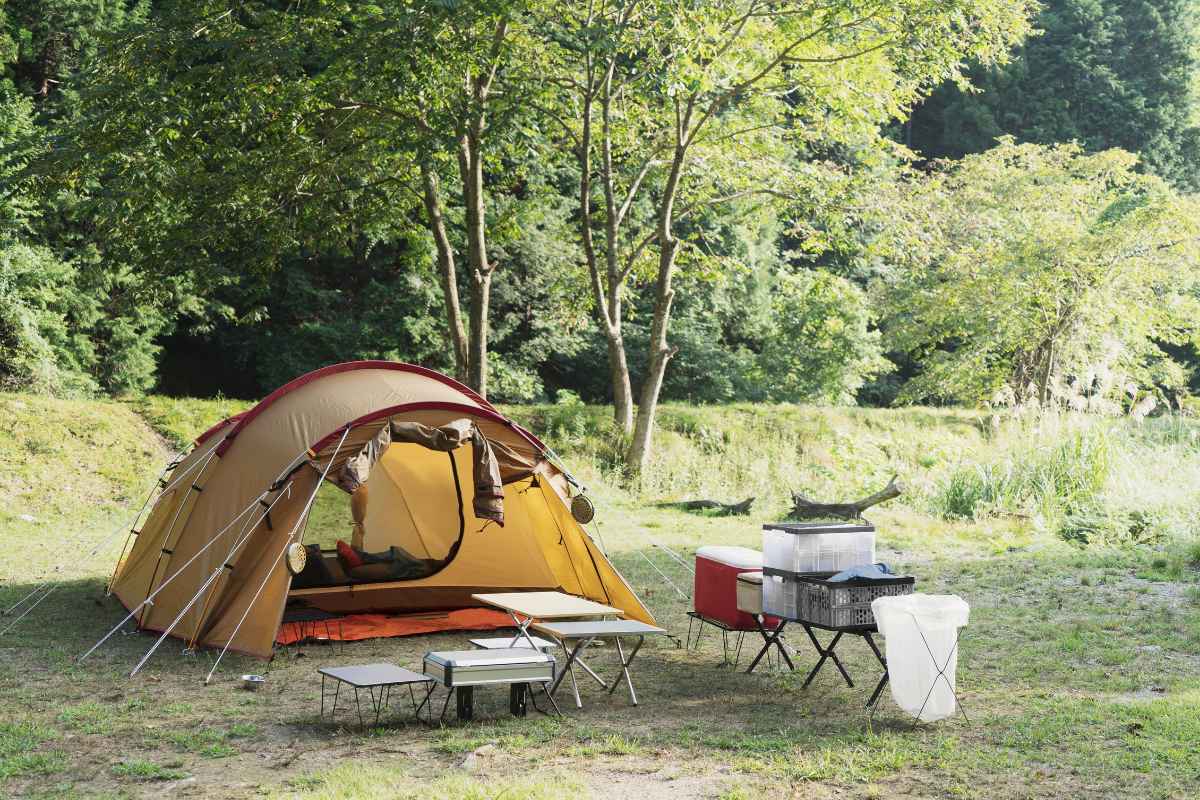
5. Practice Fire Safety
Campfires are essential for warmth and cooking, but they can also be dangerous if not managed properly. Follow these guidelines to ensure your fire doesn’t pose a risk:
- Build your fire in a designated fire pit: If you're at an established campsite, use the fire pit provided. In more remote locations, clear the area of debris and keep your fire contained.
- Keep water nearby: Always have a bucket of water or sand on hand to quickly extinguish the fire if it starts to spread.
- Extinguish completely before sleeping: Never leave your campfire unattended and make sure it is fully extinguished before going to sleep.
By practicing fire safety, you can enjoy the benefits of a campfire without risking a forest fire or injury.
6. Trust Your Instincts and Know When to Turn Back
When camping solo, it’s essential to trust your instincts. If something feels off—whether it's an approaching storm, unfamiliar noises, or a gut feeling about the location—it’s better to play it safe. Don’t hesitate to:
- Move camp: If the spot you’ve chosen doesn’t feel secure or comfortable, find a new location.
- Turn back: If you're hiking and feel tired, lost, or notice worsening weather conditions, turn back early rather than pushing yourself too far.
Knowing your limits and listening to your intuition can prevent accidents and ensure you stay safe during your solo camping adventure.
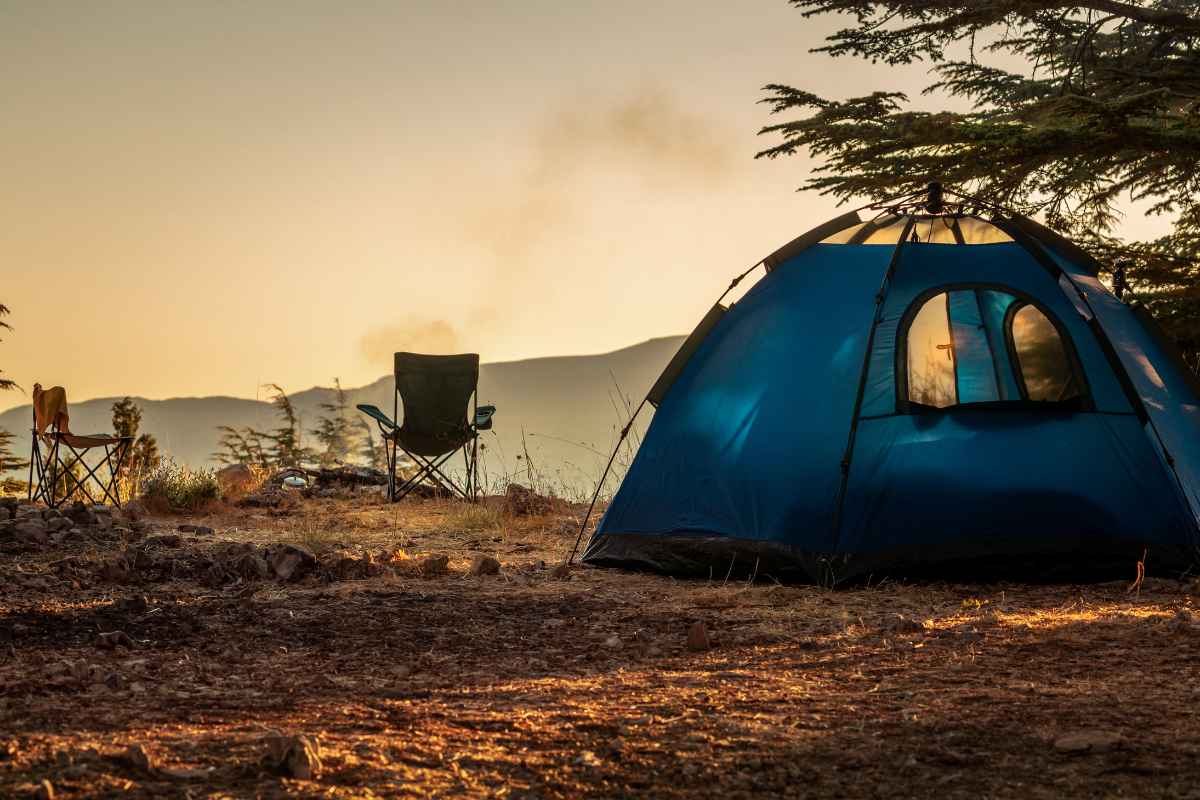
How Can You Ensure Safety While Solo Camping and Make the Most of Your Experience
Solo camping offers an unparalleled sense of freedom and self-reliance, but safety must always come first.
By thoroughly planning your trip, informing someone of your whereabouts, packing the right gear, and staying aware of your surroundings, you can ensure safety while solo camping.
Additionally, practicing fire safety and trusting your instincts will help keep you out of harm’s way. Solo camping can be an enriching and empowering experience when done safely, allowing you to connect with nature and yourself in meaningful ways.
With these tips, you’ll be ready to take on your next solo adventure with confidence and peace of mind.
Did you find this post useful or inspiring? Save THIS PIN for later in your Outdoor Board on Pinterest! 😊
Explore these outdoor tips too