
How Can You Make Camping More Comfortable?

Camping is a fantastic way to connect with nature and escape the hustle and bustle of everyday life. However, the idea of roughing it can be a deterrent for some.
The good news is that with a little preparation and the right gear, you can significantly enhance your camping experience.
Here, we explore various tips and tricks to make camping more comfortable, ensuring that your outdoor adventure is both enjoyable and relaxing.
Your Camping More Comfortable
Achieving a comfortable camping experience involves thoughtful planning, investing in quality gear, and adopting a few clever hacks.
Whether you're a seasoned camper or a novice, these strategies will help you make the most of your time in the great outdoors.
Choose the Right Tent

1. Size Matters: One of the most critical aspects of camping comfort is having enough space. Opt for a tent that provides more room than the number of occupants. For example, if two people are camping, a three-person tent will offer additional space for gear and movement.
2. Ventilation is Key: A well-ventilated tent prevents condensation buildup and ensures a more comfortable sleeping environment. Look for tents with multiple windows and mesh panels to allow for airflow, especially during warm weather.
3. Easy Setup: Modern tents often come with features that make setup and takedown a breeze. Consider instant or pop-up tents that can be set up in minutes, reducing the hassle and giving you more time to relax and enjoy your surroundings.
Invest in a Quality Sleeping Bag

1. Temperature Rating: Your sleeping bag should be suitable for the temperatures you’ll be encountering. Choose a sleeping bag with an appropriate temperature rating to ensure you stay warm on chilly nights and cool on warmer ones.
2. Comfort and Fit: Ensure your sleeping bag fits your body comfortably. Mummy bags are great for warmth, while rectangular bags offer more space to move. Some sleeping bags also come with extra padding for added comfort.
3. Sleeping Pad or Air Mattress: A good sleeping pad or air mattress can make a significant difference in your sleep quality. Choose a pad with sufficient thickness and insulation to keep you comfortable and protect you from the cold ground.
Optimize Your Sleep Setup
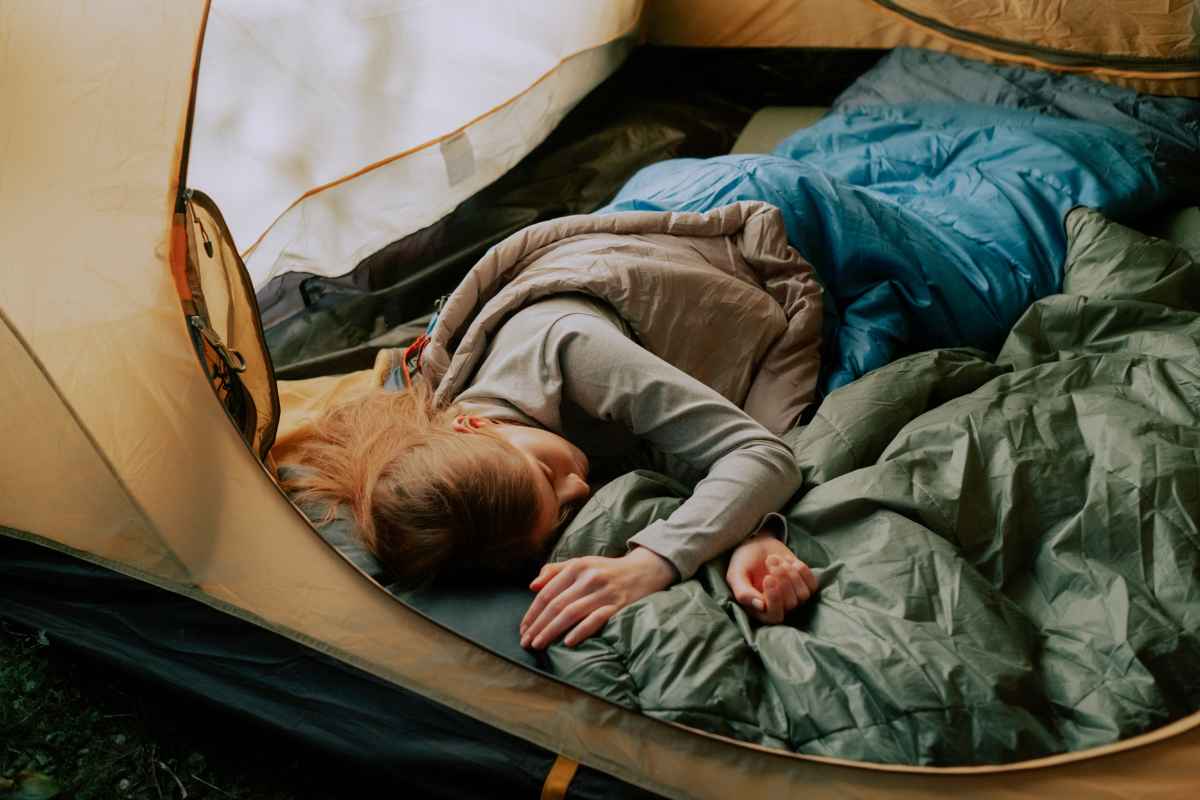
1. Use a Pillow: Bringing a pillow from home or investing in a camping pillow can drastically improve your sleep quality. A comfortable pillow provides the necessary neck support and adds a touch of home comfort.
2. Layer Up: Layering isn’t just for clothing. Use blankets or liners inside your sleeping bag for added warmth and coziness. Fleece blankets are lightweight and provide excellent insulation.
3. Noise and Light Management: Earplugs and an eye mask can help you block out noises and light, ensuring a restful night’s sleep. Nature can be noisy at night, and the early sunrise might disrupt your sleep.
Cooking and Food Comfort
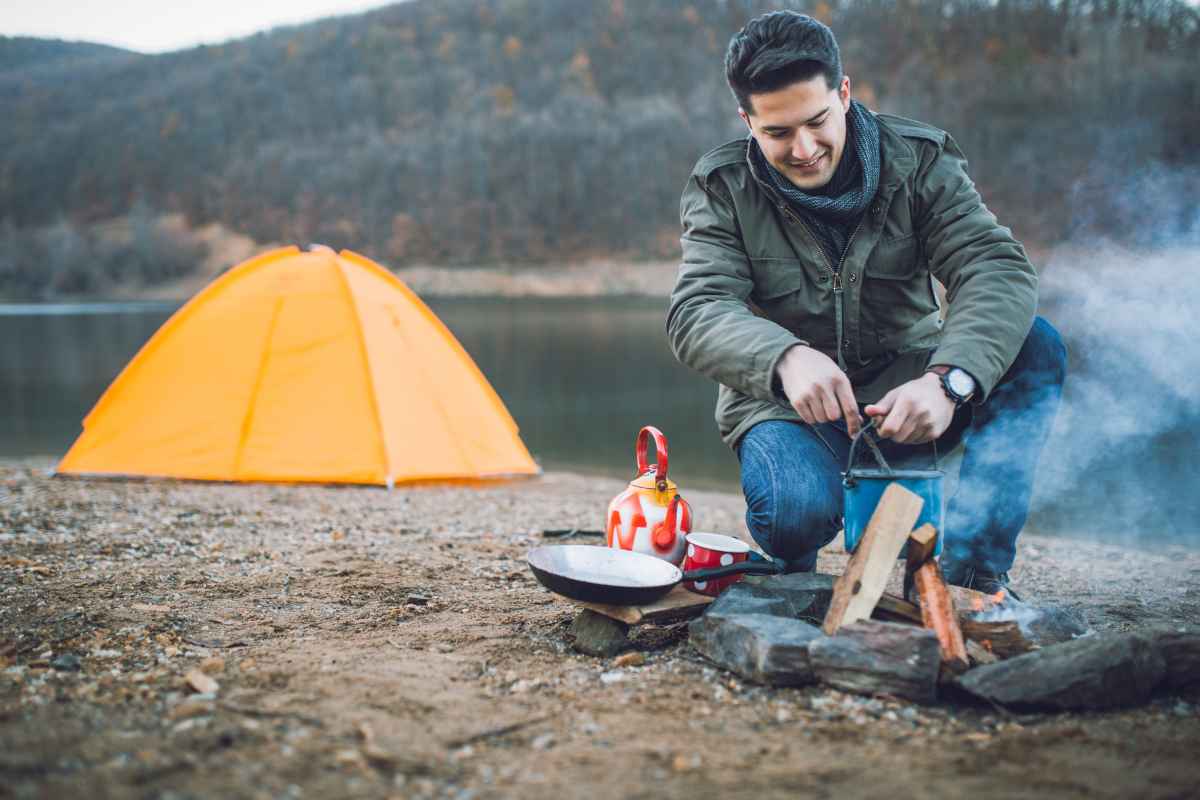
1. Portable Cooking Gear: Invest in lightweight and portable cooking gear. Camping stoves, portable grills, and compact cookware make meal preparation convenient and enjoyable. Ensure you have enough fuel for your trip.
2. Plan Easy Meals: Plan meals that are easy to prepare and clean up. One-pot meals, pre-made sandwiches, and ready-to-eat snacks can save time and reduce stress. Don’t forget to bring a few treats to enjoy by the campfire.
3. Keep Food Fresh: Use coolers with ice packs to keep perishable food fresh. Organize your cooler to make it easy to find items and prevent unnecessary opening and closing, which can lead to temperature fluctuations.
Stay Organized

1. Use Storage Solutions: Utilize storage bins and organizers to keep your camping gear and supplies tidy. Keeping things organized helps you find what you need quickly and reduces clutter in your tent and campsite.
2. Pack Smart: Make a checklist before you go to ensure you don’t forget any essentials. Pack items in categories (e.g., cooking gear, sleeping gear, clothing) to streamline setup and teardown.
3. Clean as You Go: Maintaining cleanliness at your campsite enhances comfort. Dispose of trash properly, wash dishes promptly, and keep your sleeping area free of dirt and debris.
Personal Comfort

1. Comfortable Clothing: Dress in layers to adapt to changing weather conditions. Moisture-wicking fabrics, insulated layers, and waterproof outerwear can help you stay comfortable throughout the day.
2. Footwear Matters: Invest in a good pair of hiking boots or shoes that provide support and protection. Comfortable, dry feet can make or break your camping experience.
3. Hygiene Essentials: Bring personal hygiene items like biodegradable soap, a toothbrush, toothpaste, and wet wipes. Staying clean and fresh can significantly boost your comfort level while camping.
Entertainment and Relaxation

1. Bring Entertainment: Pack books, games, or a portable music player to keep entertained during downtime. Enjoying your favorite activities can make the camping experience more enjoyable.
2. Comfortable Seating: Invest in a comfortable camping chair or hammock. Having a relaxing place to sit or lounge can make your campsite feel more like home.
3. Lighting: Ensure you have adequate lighting for evenings. Lanterns, headlamps, and string lights can create a cozy and functional atmosphere after the sun sets.
Prepare for the Elements

1. Weatherproof Your Gear: Ensure your gear is suitable for the weather conditions you’ll encounter. Waterproof tents, tarps, and rain gear can keep you dry and comfortable in wet conditions.
2. Sun Protection: Bring sunscreen, hats, and sunglasses to protect yourself from the sun. Staying protected from UV rays can prevent discomfort and health issues.
3. Insect Repellent: Keep bugs at bay with insect repellent and citronella candles. Bugs can be a significant annoyance, so taking steps to minimize their impact is essential.
Health and Safety
1. First Aid Kit: A well-stocked first aid kit is essential for treating minor injuries and ailments. Include bandages, antiseptics, pain relievers, and any personal medications you might need.
2. Stay Hydrated: Bring enough water or a reliable water filtration system. Staying hydrated is crucial for comfort and health during your camping trip.
3. Know the Area: Familiarize yourself with the area’s wildlife, plants, and weather patterns. Understanding potential hazards can help you prepare accordingly and stay safe.
Comfortable and Enjoyable Camping Experience
Camping can be an incredibly comfortable and enjoyable experience with the right preparation and mindset.
Choosing the right gear, staying organized, and preparing for the elements are key to enhancing your comfort in the great outdoors.
Whether you’re a novice camper or a seasoned outdoor enthusiast, these tips can help you make the most of your camping adventures, ensuring you return home refreshed and with wonderful memories.
Did you find this post useful or inspiring? Save THIS PIN for later in your Outdoor Board on Pinterest! 😊

Explore these outdoor tips too