
How Can You Stay Safe While Enjoying Water Activities?
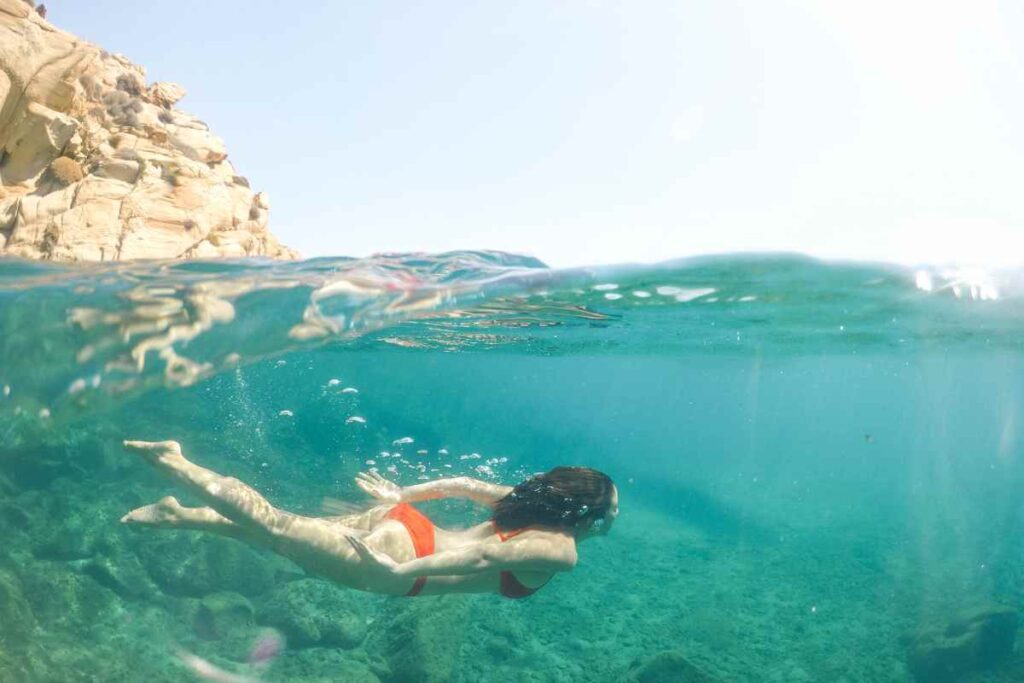
Water activities are a fantastic way to enjoy the great outdoors, get some exercise, and have fun with family and friends.
However, safety should always be a top priority to ensure that these activities remain enjoyable and incident-free.
Whether you're swimming, boating, kayaking, or engaging in any other water-based activity, it's crucial to take necessary precautions. This article will guide you on how to stay safe while enjoying water activities.
Essential Safety Tips for Water Activities
Water activities can be both thrilling and relaxing, but they also come with inherent risks.
To minimize these risks, follow these essential safety tips:
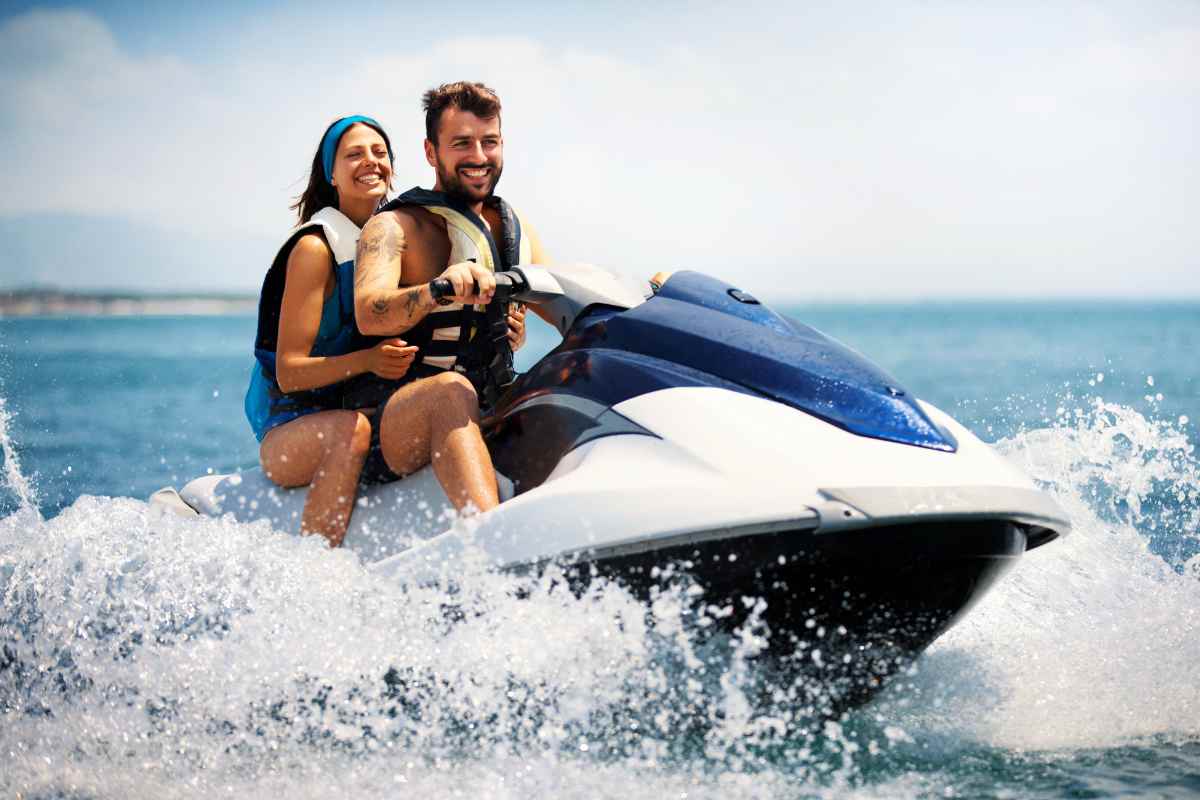
Always Wear a Life Jacket
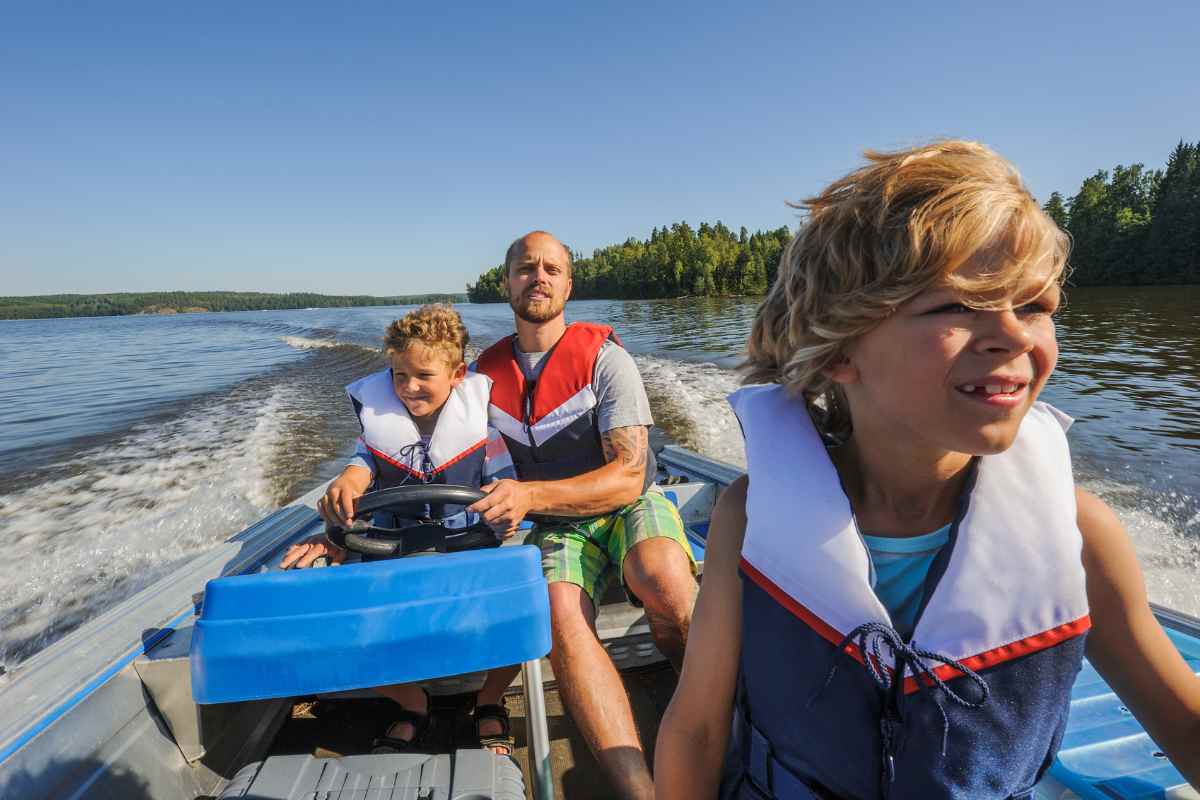
Regardless of your swimming abilities, wearing a life jacket is one of the most effective ways to stay safe during water activities.
Life jackets provide buoyancy and help keep you afloat in case you get tired or face unexpected situations like strong currents. Make sure your life jacket fits properly and is approved by safety standards.
Know Your Limits
Overestimating your abilities can lead to dangerous situations. Be honest with yourself about your swimming skills and physical fitness.
If you're not a strong swimmer, stick to shallow areas and avoid activities that require advanced swimming techniques. Always ensure that you're well-rested and hydrated before engaging in any water activities.
Supervise Children Closely
Children are particularly vulnerable to water-related accidents. Always keep a close eye on them when they're near water.
Designate a responsible adult to watch them at all times, and never leave them unattended, even for a moment. Teach children about water safety and ensure they understand the importance of following the rules.
Be Aware of Weather Conditions
Weather can change rapidly, and water conditions can become hazardous. Before heading out for water activities, check the weather forecast and be aware of any potential storms or strong winds.
If you notice sudden changes in weather while you're on the water, seek shelter immediately.
Use the Buddy System
Never go alone when engaging in water activities. Having a buddy ensures that someone is there to help in case of an emergency.
If you're going out on a boat or kayak, let someone on shore know your plans and expected return time. This way, if something goes wrong, someone will know where to look for you.
Stay Hydrated and Protect Yourself from the Sun
Spending time in the sun and water can lead to dehydration and sunburn. Drink plenty of water throughout the day and apply sunscreen with a high SPF to protect your skin.
Wear a hat and sunglasses to shield yourself from the sun's harmful rays.
Learn Basic First Aid and CPR
Knowing basic first aid and CPR can be life-saving in emergencies. Take a first aid and CPR course to learn how to respond to common water-related injuries and emergencies.
This knowledge can make a significant difference in the outcome of an accident.
Follow Local Safety Guidelines and Regulations
Different bodies of water have different safety regulations. Familiarize yourself with local guidelines and follow them diligently.
Pay attention to signs and warnings, and avoid restricted areas. Respecting these rules ensures that you and others stay safe.
Avoid Alcohol and Drugs
Alcohol and drugs impair judgment and coordination, increasing the risk of accidents during water activities. Stay sober to remain alert and capable of making sound decisions.
If you're hosting an event near water, encourage guests to drink responsibly and provide plenty of non-alcoholic options.
Inspect Your Equipment
Before heading out for water activities, inspect all your equipment for any signs of damage or wear.
This includes boats, kayaks, life jackets, and any other gear you plan to use. Properly maintained equipment is crucial for safety and performance.
Practice Proper Hygiene
Swimming in natural bodies of water exposes you to various bacteria and pathogens.
Avoid swallowing water and rinse off thoroughly after your water activities. If you have open wounds or cuts, keep them covered to prevent infections.
Staying Safe During Specific Water Activities
Different water activities have unique safety considerations. Here are some tips for staying safe during popular water activities:
Swimming
- Swim in designated areas supervised by lifeguards.
- Avoid swimming alone, especially in unfamiliar or deep waters.
- Be cautious of strong currents and undertows.
- Take breaks to avoid exhaustion.
Boating
- Ensure your boat is in good working condition before setting out.
- Carry essential safety equipment, including life jackets, flares, and a first aid kit.
- Follow navigation rules and be aware of other boaters.
- Avoid speeding and reckless maneuvers.
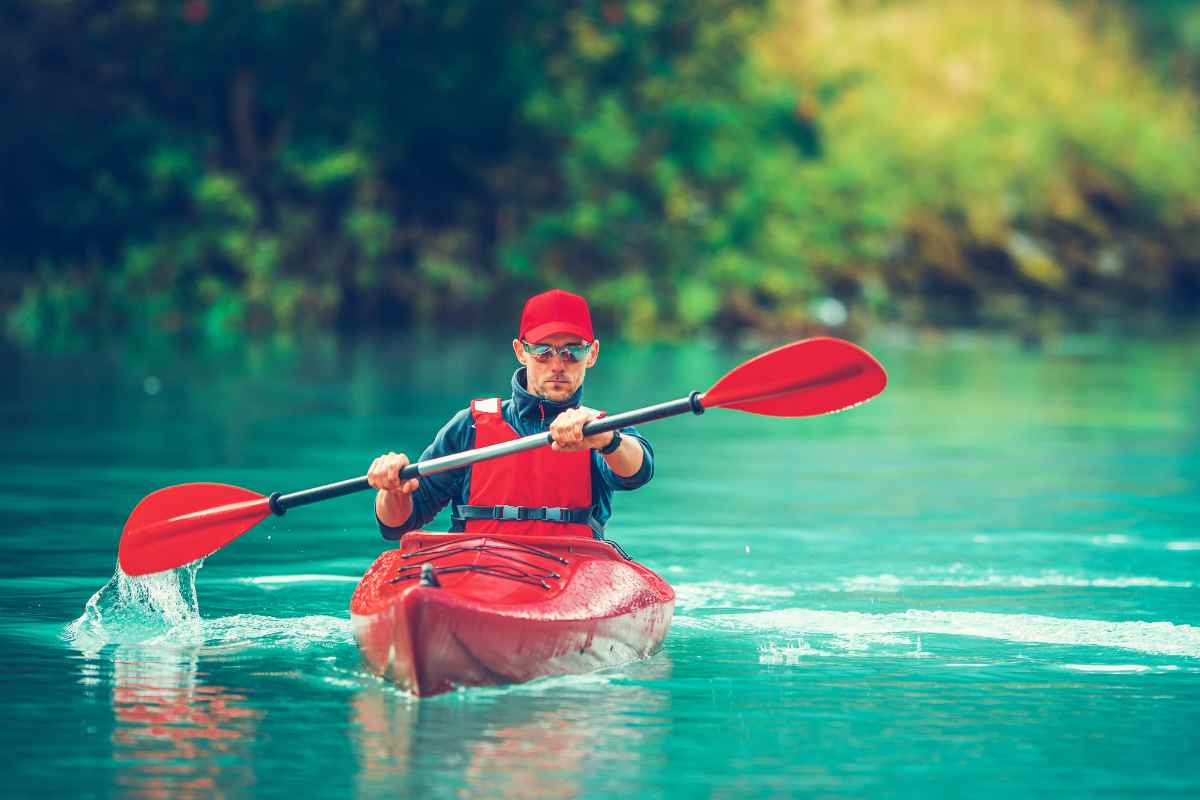
Kayaking and Canoeing
- Wear a helmet and a life jacket at all times.
- Learn how to perform self-rescue techniques.
- Stay close to shore and avoid rough waters.
- Inform someone of your route and expected return time.
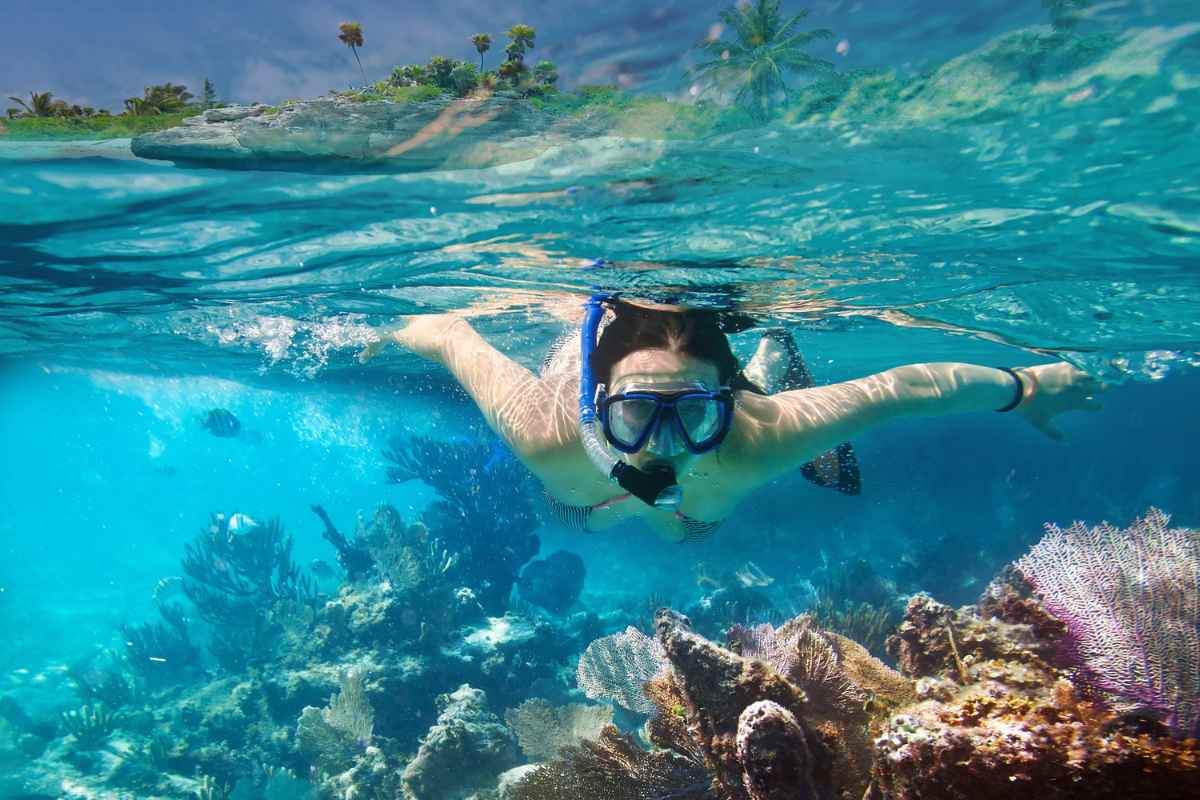
Snorkeling and Scuba Diving
- Get proper training and certification before diving.
- Check your equipment thoroughly before each dive.
- Never dive alone and always stay with your dive buddy.
- Be aware of your surroundings and avoid touching marine life.
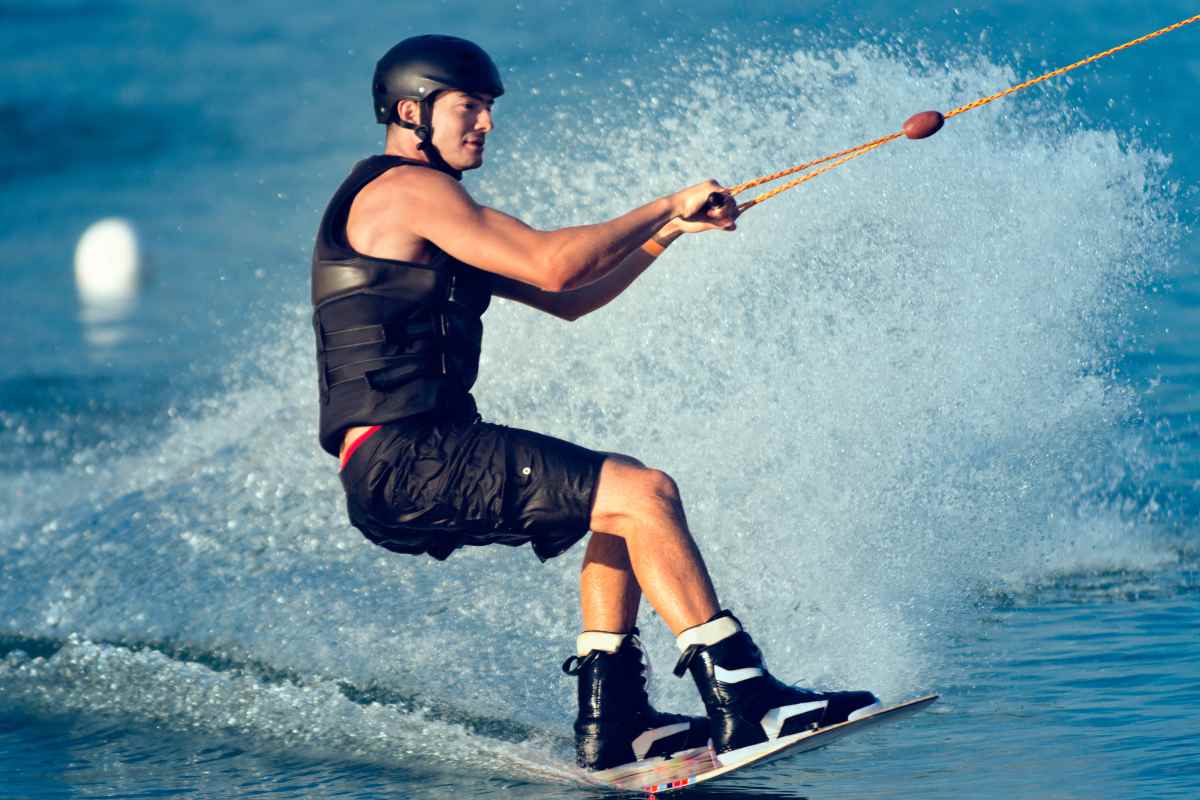
Water Skiing and Wakeboarding
- Wear a life jacket and other protective gear.
- Ensure the boat operator is experienced and follows safety protocols.
- Use a spotter to keep an eye on the skier or wakeboarder.
- Start in calm waters and gradually move to more challenging conditions.
Emergency Preparedness
Despite all precautions, emergencies can still happen. Being prepared can make a significant difference in the outcome.
Here are some emergency preparedness tips:
Have a Communication Plan
Ensure you have a reliable means of communication, such as a waterproof phone case or a marine radio.
Know the emergency contact numbers for local authorities and coast guards.
Know How to Signal for Help
Learn and practice distress signals, such as waving your arms, using a whistle, or deploying flares.
These signals can attract attention and bring help quickly.
Stay Calm and Act Quickly
In an emergency, staying calm is crucial. Panic can cloud judgment and hinder effective action.
Take a deep breath, assess the situation, and act quickly to get to safety or assist others.
Perform Regular Safety Drills
If you frequently engage in water activities, perform regular safety drills with your group.
Practice what to do in various emergency scenarios, such as capsizing, someone going overboard, or encountering a strong current.
Conclusion on Safety Tips for Water Activities
Water activities offer endless enjoyment and the opportunity to connect with nature. By following these safety tips and being prepared, you can ensure that your experiences remain positive and incident-free.
Always prioritize safety, respect the water, and make informed decisions to protect yourself and others.
With the right precautions, you can fully enjoy the beauty and excitement of water activities while staying safe.
Staying safe during water activities is a shared responsibility. Encourage others to follow safety guidelines and set a good example. Together, we can create a safer environment for everyone to enjoy the wonders of water.
Did you find this post useful or inspiring? Save THIS PIN for later in your Outdoor Board on Pinterest! 😊

Explore these outdoor tips too