
How Do Water Activities Compare to Land-Based Outdoor Adventures?

When it comes to outdoor fun, the debate between water activities and land-based outdoor adventures is a popular one.
Both offer unique experiences and benefits, catering to different interests and preferences.
In this article, we’ll explore the key differences, advantages, and drawbacks of water activities compared to land-based adventures, helping you decide which is best for your next adventure.
Choosing Your Adventure
When deciding between water activities and land-based outdoor adventures, it's important to consider what kind of experience you’re seeking.
Are you looking for the thrill of riding waves and the tranquility of floating on a serene lake? Or do you prefer the challenge of conquering rugged trails and the satisfaction of reaching a mountain summit?
Each type of adventure offers distinct experiences that cater to different tastes and physical requirements.
Understanding the unique aspects of both water activities and land-based adventures can help you make an informed choice and ensure that your outdoor experience is both enjoyable and fulfilling.
The Appeal of Water Activities
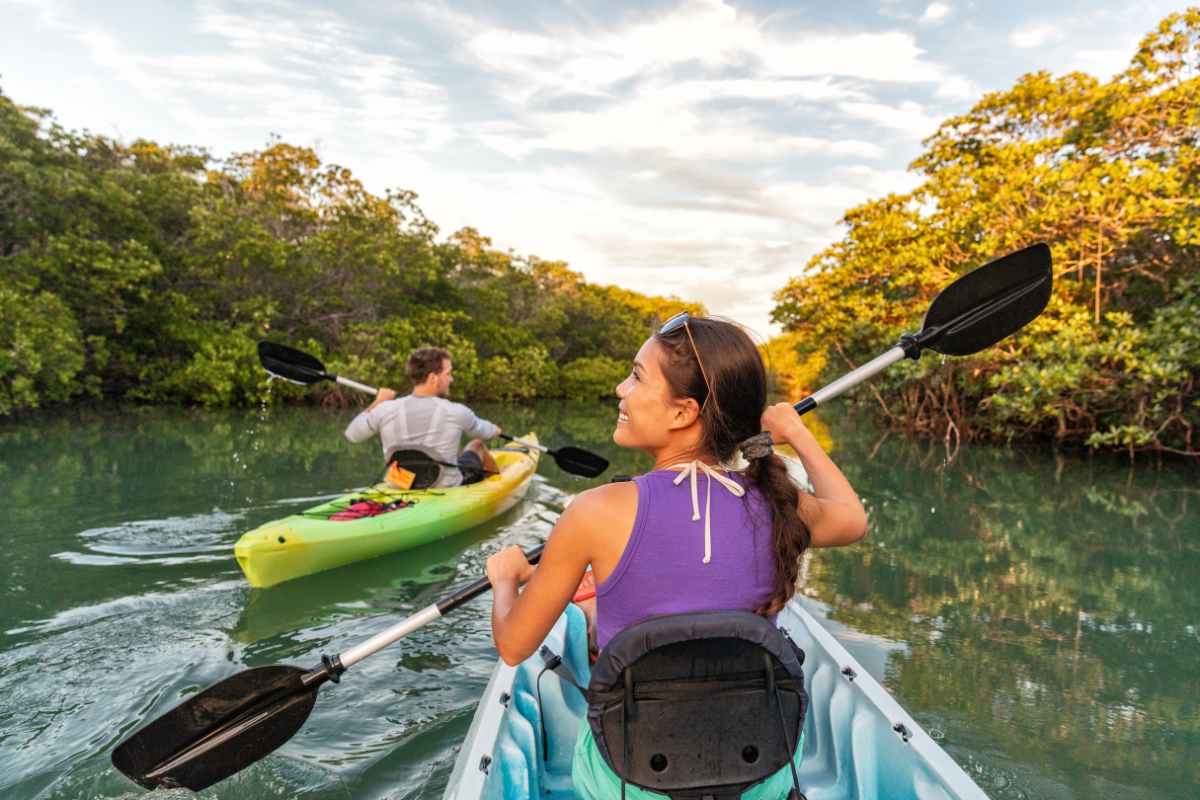
Water activities encompass a broad range of pursuits that take place on or in water. From swimming and surfing to kayaking and scuba diving, these activities are loved for their refreshing and often exhilarating nature.
Here’s why people are drawn to water activities:
Refreshing Experience
One of the most immediate benefits of water activities is the cooling effect of water. Whether you’re taking a dip in a lake, riding the waves, or kayaking on a river, water provides a natural way to beat the heat, especially during hot summer months.
The sensation of being immersed in water is not only invigorating but also relaxing, offering a welcome escape from the heat and stress of daily life.
Unique Challenges
Water activities often involve unique challenges that differ from those found on land. For instance, surfing requires balancing on a board while navigating dynamic waves, while scuba diving demands mastering underwater breathing techniques and understanding aquatic environments.
These challenges can be both physically and mentally stimulating, providing a sense of accomplishment and adventure.
Scenic Beauty
Many water activities take place in some of the most picturesque locations, such as crystal-clear lakes, sparkling rivers, and vast oceans.
Engaging in these activities often allows you to experience stunning natural beauty up close, enhancing the overall enjoyment of the adventure.
Advantages of Land-Based Outdoor Adventures

While water activities are thrilling, land-based outdoor adventures offer their own set of benefits.
Activities such as hiking, mountain biking, and rock climbing provide diverse experiences that cater to different interests. Here’s why land-based adventures are equally compelling:
Diverse Terrain
Land-based outdoor adventures can take you through various terrains, from lush forests and rugged mountains to rolling hills and serene meadows.
This diversity allows adventurers to experience a wide range of landscapes and natural features, each offering its own set of challenges and rewards.
Physical Fitness
Many land-based adventures are excellent for physical fitness. Hiking, for instance, provides a great cardiovascular workout while strengthening the lower body.
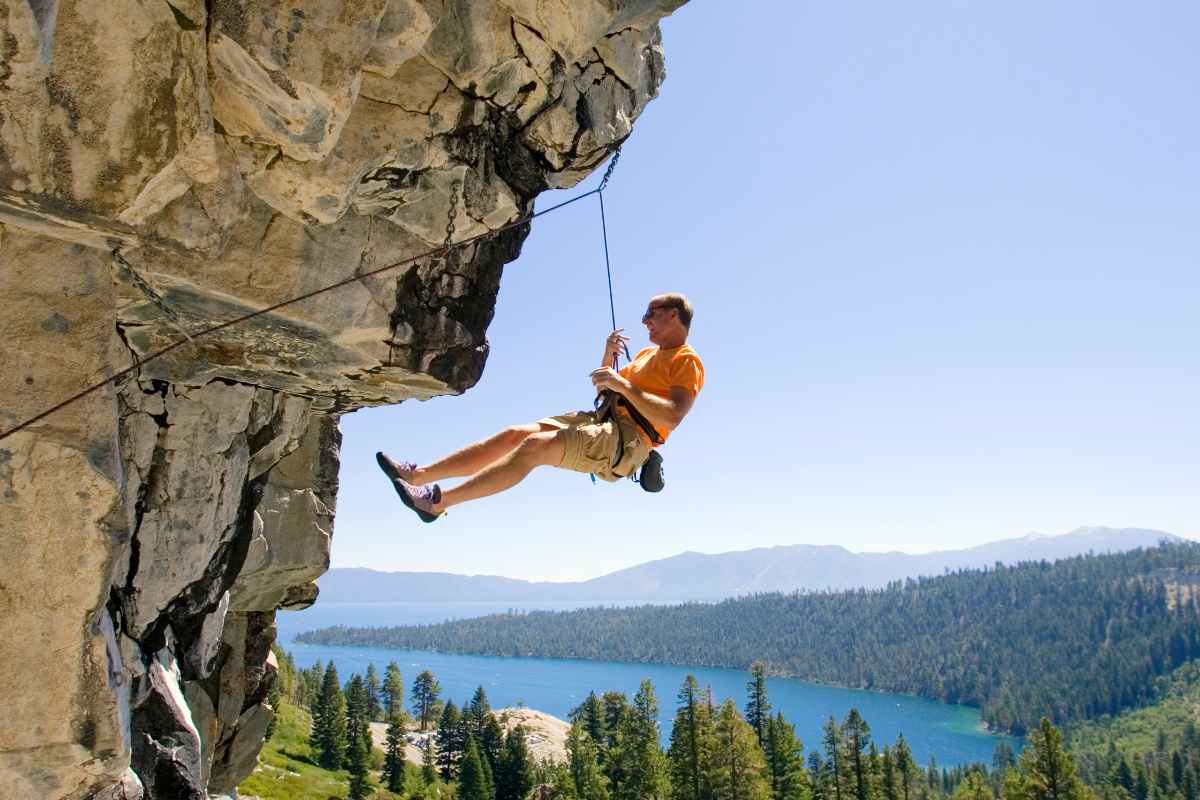
Similarly, mountain biking and rock climbing offer intense physical challenges that build strength, endurance, and flexibility.
These activities contribute to overall health and well-being, making them a popular choice for fitness enthusiasts.
Accessibility
Land-based adventures are often more accessible than water activities, particularly in areas where water bodies are scarce or difficult to access.
Trails for hiking or biking are widespread, and climbing spots are frequently found in mountainous regions.
This accessibility makes land-based adventures a viable option for a broader range of locations and skill levels.

Comparing Water Activities and Land-Based Outdoor Adventures
To better understand how water activities and land-based adventures stack up against each other, let’s compare them across several key factors:
Physical Demand
Both water activities and land-based adventures can be physically demanding but in different ways. Water activities often involve resistance from water, which can be both a challenge and a benefit.
For example, swimming provides a full-body workout due to the resistance of the water.
On the other hand, land-based adventures such as hiking and climbing typically require endurance and strength to navigate varied terrain and elevations.
Skill Requirements
The skill levels required for water activities and land-based adventures vary. Water activities might require learning specific techniques, such as paddling for kayaking or balancing for surfing.
Additionally, safety knowledge, such as understanding water currents or dealing with aquatic wildlife, is crucial.
Land-based adventures may also require skill development, like mastering climbing techniques or navigating trails, but generally involve fewer specialized skills compared to water activities.
Safety Considerations
Safety is a significant concern in both water activities and land-based adventures. Water activities come with risks such as drowning, hypothermia, and encounters with aquatic creatures.
Ensuring safety often involves wearing appropriate gear, such as life jackets or wetsuits, and being aware of water conditions.
Land-based adventures also pose risks like injuries from falls, encounters with wildlife, and exposure to harsh weather conditions.
Proper preparation, such as using safety equipment and understanding the environment, is essential for minimizing these risks.
Environmental Impact
The environmental impact of water activities and land-based adventures can vary. Water activities can affect aquatic ecosystems, particularly when they involve motorized boats or disturb wildlife.
Choosing eco-friendly practices, such as avoiding sensitive areas and minimizing pollution, can help mitigate these impacts.
Land-based adventures can also have environmental effects, such as soil erosion from hiking trails or damage to vegetation from off-road biking.
Adhering to established trails and practicing Leave No Trace principles are important for preserving natural habitats.
Water vs. Land: Choosing Your Ideal Outdoor Adventure
Choosing between water activities and land-based adventures largely depends on personal preferences and goals.
If you seek a refreshing escape and enjoy the challenge of navigating water, water activities might be your ideal choice.
On the other hand, if you prefer diverse terrains and a physically demanding experience, land-based adventures may be more suited to your interests.
Ultimately, both types of adventures offer unique experiences and benefits. Whether you’re splashing in the surf or trekking through the mountains, the key is to enjoy the great outdoors and embrace the adventure that suits you best.
So, next time you plan an outdoor excursion, consider what excites you the most and dive into your chosen adventure with enthusiasm.
Did you find this post useful or inspiring? Save THIS PIN for later in your Outdoor Board on Pinterest! 😊

Explore these outdoor tips too