
How Do You Stay Entertained While Solo Camping?
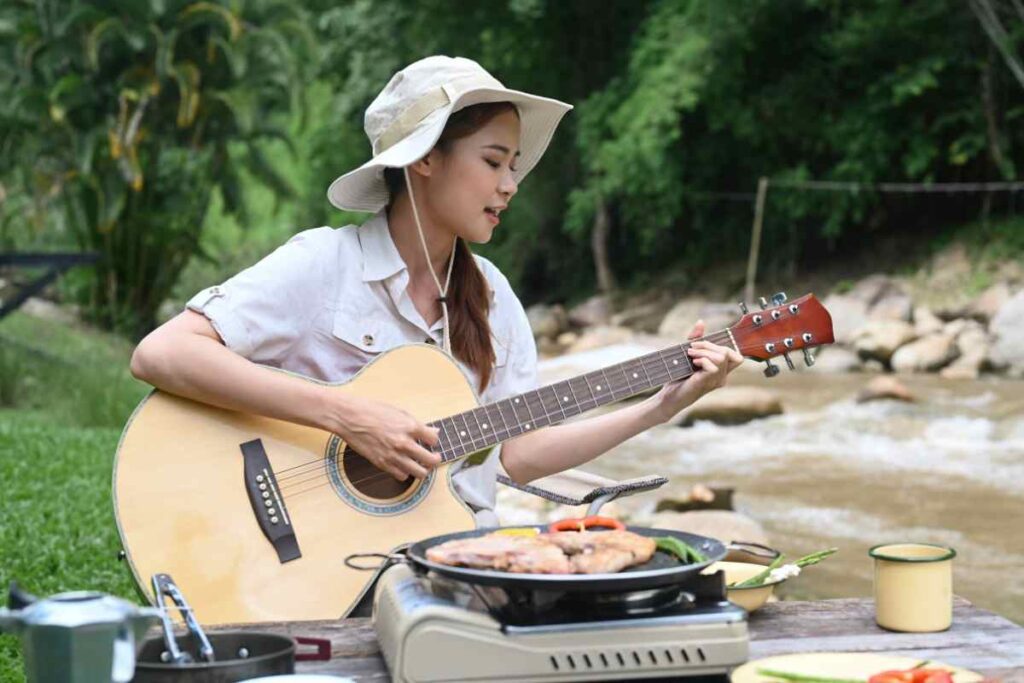
Solo camping offers a unique opportunity to connect with nature, escape the hustle and bustle of daily life, and find peace in solitude.
However, one of the biggest challenges for many solo campers is staying entertained. Without the company of friends or family, it's easy to feel bored or lonely in the wilderness.
But with a little planning and creativity, solo camping can be an incredibly fulfilling and enjoyable experience.
Staying Entertained While Solo Camping
When you’re out in the wild alone, it’s essential to find ways to keep your mind engaged.
Here are some tips to help you stay entertained and make the most of your solo camping adventure.
1. Embrace the Power of a Good Book
There’s something magical about reading in the great outdoors. Whether you’re sitting by the campfire, lying in your tent, or relaxing by a stream, a good book can transport you to another world.
Consider bringing a book that aligns with the nature of your trip—perhaps an adventure novel or a survival guide.
Reading not only entertains but also helps you unwind and connect more deeply with your surroundings.

2. Engage in Outdoor Activities
Solo camping is the perfect opportunity to engage in outdoor activities that you might not have time for in your everyday life.
Hiking, birdwatching, fishing, and stargazing are all excellent ways to pass the time and immerse yourself in nature.
Each of these activities offers a different form of entertainment, whether it’s the physical challenge of a hike, the patience required for fishing, or the awe-inspiring view of the night sky.
Hiking and Exploration
Hiking is a fantastic way to explore the area around your campsite. It allows you to discover new trails, spot wildlife, and enjoy the serenity of the forest.
Bring a map and compass, and perhaps set yourself a goal to reach a specific viewpoint or landmark.
The sense of achievement from reaching your destination can be incredibly rewarding.
Birdwatching and Nature Observation
If you’re interested in birdwatching or nature observation, solo camping provides the perfect setting.
Bring a pair of binoculars and a field guide to help you identify the different species you encounter.
You can also take notes or sketch the plants and animals you see, which can be a great way to pass the time and create a memorable record of your trip.
3. Practice Mindfulness and Meditation
One of the greatest benefits of solo camping is the opportunity it provides to practice mindfulness and meditation. With no distractions, you can fully immerse yourself in the present moment.
Mindfulness practices such as deep breathing, meditation, or simply sitting quietly and observing your surroundings can enhance your connection with nature and help you achieve a state of relaxation and inner peace.
Meditation Techniques
If you’re new to meditation, start with a simple technique like focusing on your breath.
Sit comfortably, close your eyes, and take slow, deep breaths, paying attention to the sensation of the air moving in and out of your lungs.
Gradually, you may notice a sense of calm and clarity washing over you. Meditation can be particularly powerful in the quiet, natural environment of a campsite.
4. Capture the Moment with Photography
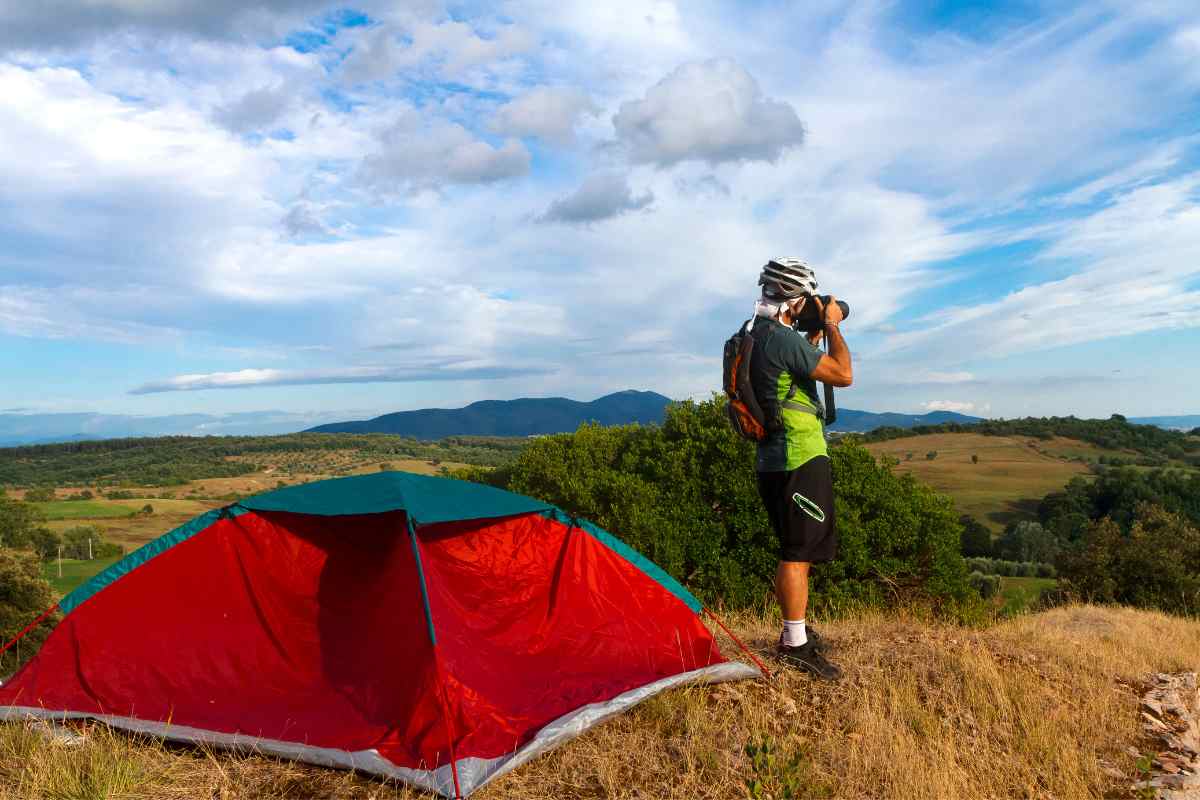
If you enjoy photography, solo camping is an excellent time to hone your skills.
The natural world offers endless subjects, from landscapes to wildlife to the changing light at different times of the day.
Bring a camera, or even just use your smartphone, and experiment with different angles and compositions. Photography not only keeps you occupied but also allows you to bring a piece of your experience home with you.
Tips for Outdoor Photography
When photographing nature, pay attention to the light and the time of day. Early morning and late afternoon, known as the golden hours, provide soft, warm light that’s perfect for landscape photography.
Don’t be afraid to experiment with different settings on your camera or try capturing close-ups of flowers, insects, or textures in the landscape.
Photography can be a deeply rewarding way to engage with your surroundings and create lasting memories.
5. Learn New Skills
Solo camping is an ideal time to learn or practice new skills. Whether it’s improving your fire-starting techniques, mastering the art of cooking over an open flame, or learning how to tie different knots, there’s always something new to learn in the wilderness.
These skills not only entertain you but also enhance your self-sufficiency and confidence as a camper.
Cooking Over a Campfire
Cooking over a campfire can be both fun and challenging. Try your hand at preparing a full meal, from building the fire to cooking and enjoying your food.
You might experiment with different recipes, such as foil-wrapped meals or Dutch oven dishes. Cooking outdoors can be a rewarding experience, and the results are often delicious.
6. Keep a Journal or Sketchbook
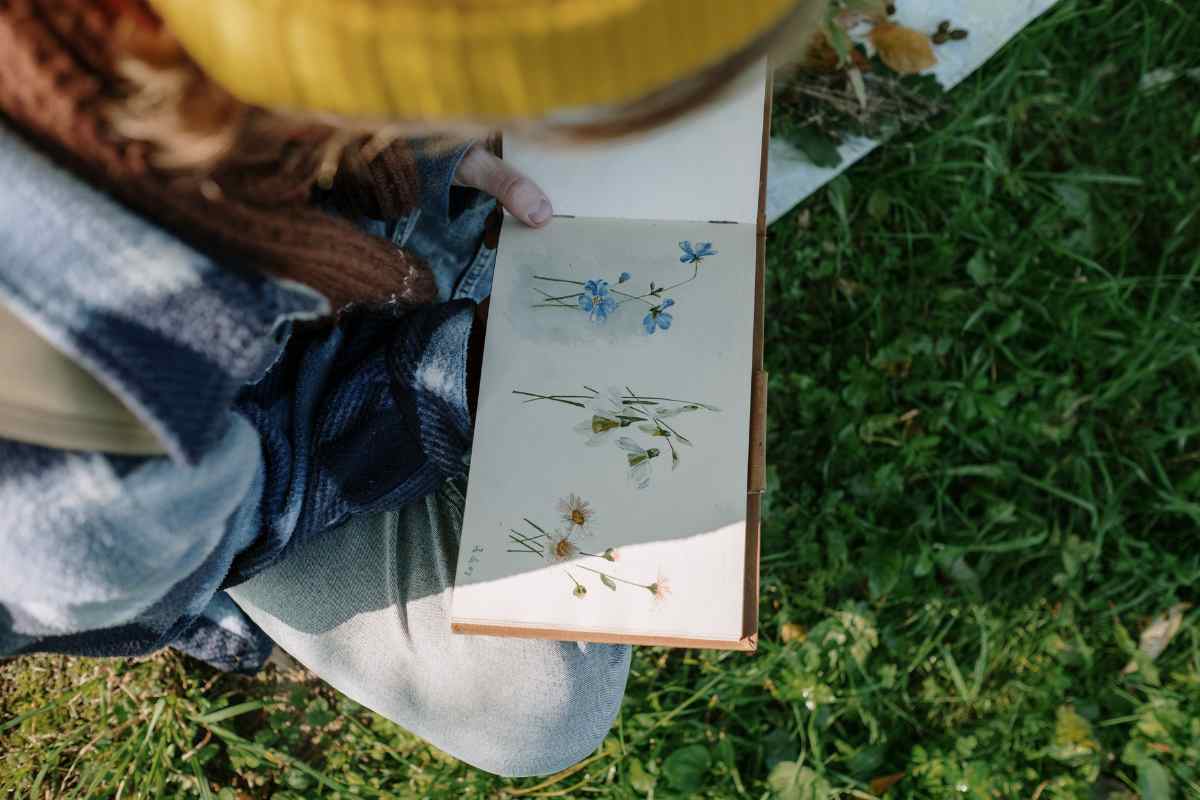
Keeping a journal or sketchbook is a wonderful way to document your solo camping experience.
Writing about your thoughts, observations, and experiences can help you process your emotions and reflect on your journey.
Similarly, sketching the landscapes, wildlife, or even the view from your tent can be a relaxing and creative way to pass the time.
Reflective Writing
Use your journal to reflect on your thoughts and feelings throughout your trip.
What have you noticed about yourself? How has the solitude affected you? What lessons have you learned from your time in nature? Reflective writing can be a powerful tool for self-discovery and growth.
7. Enjoy the Sounds of Nature
One of the simplest yet most profound ways to stay entertained while solo camping is to listen to the sounds of nature.
The rustle of leaves, the chirping of birds, the crackling of the campfire—these sounds create a natural symphony that can be both soothing and mesmerizing.
Take the time to sit quietly and just listen, letting the sounds of the wilderness wash over you.
Soundscapes and Relaxation
Listening to the natural soundscape can also enhance your relaxation. Close your eyes and focus on the different sounds you hear.
Try to identify each one, from the distant call of a bird to the wind rustling through the trees. This practice can deepen your connection with nature and create a sense of peace and tranquility.
8. Plan for Future Adventures
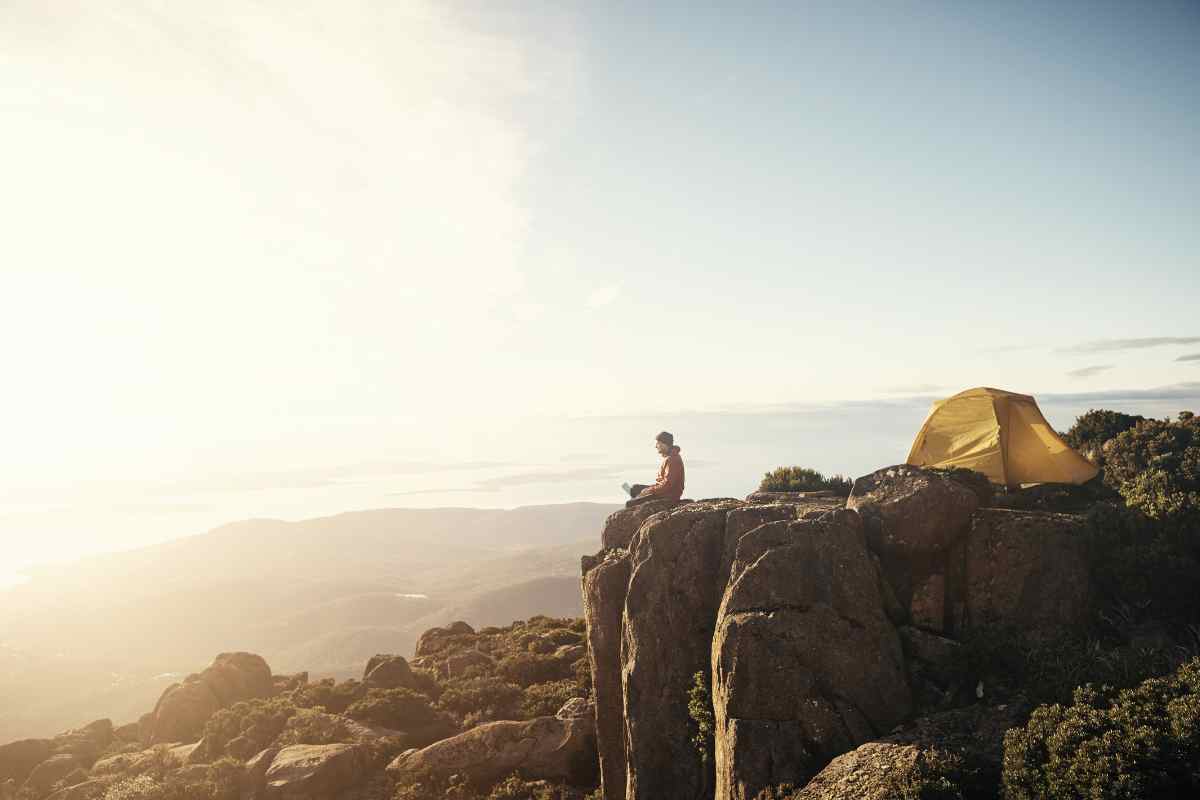
When you’re alone in the wilderness, it’s a great time to plan your next adventure.
Whether it’s another solo camping trip or a different outdoor activity, take the time to research new locations, gather inspiration, and make notes for future trips.
Planning can be exciting and gives you something to look forward to once your current adventure is over.
Research and Map Out New Destinations
Use the quiet time to research new camping spots, trails, or activities you’d like to try. Look up maps, read reviews, and make a list of places you want to explore.
Planning your next adventure can help you stay motivated and excited about your outdoor pursuits.
Conclusion
Solo camping is a unique and rewarding experience that offers countless opportunities for entertainment and self-discovery.
By embracing the solitude and finding creative ways to engage with your surroundings, you can make your solo camping trip not just enjoyable but unforgettable.
Whether through reading, exploring, learning new skills, or simply soaking in the natural world, there’s no shortage of ways to stay entertained and fully immerse yourself in the beauty of nature.
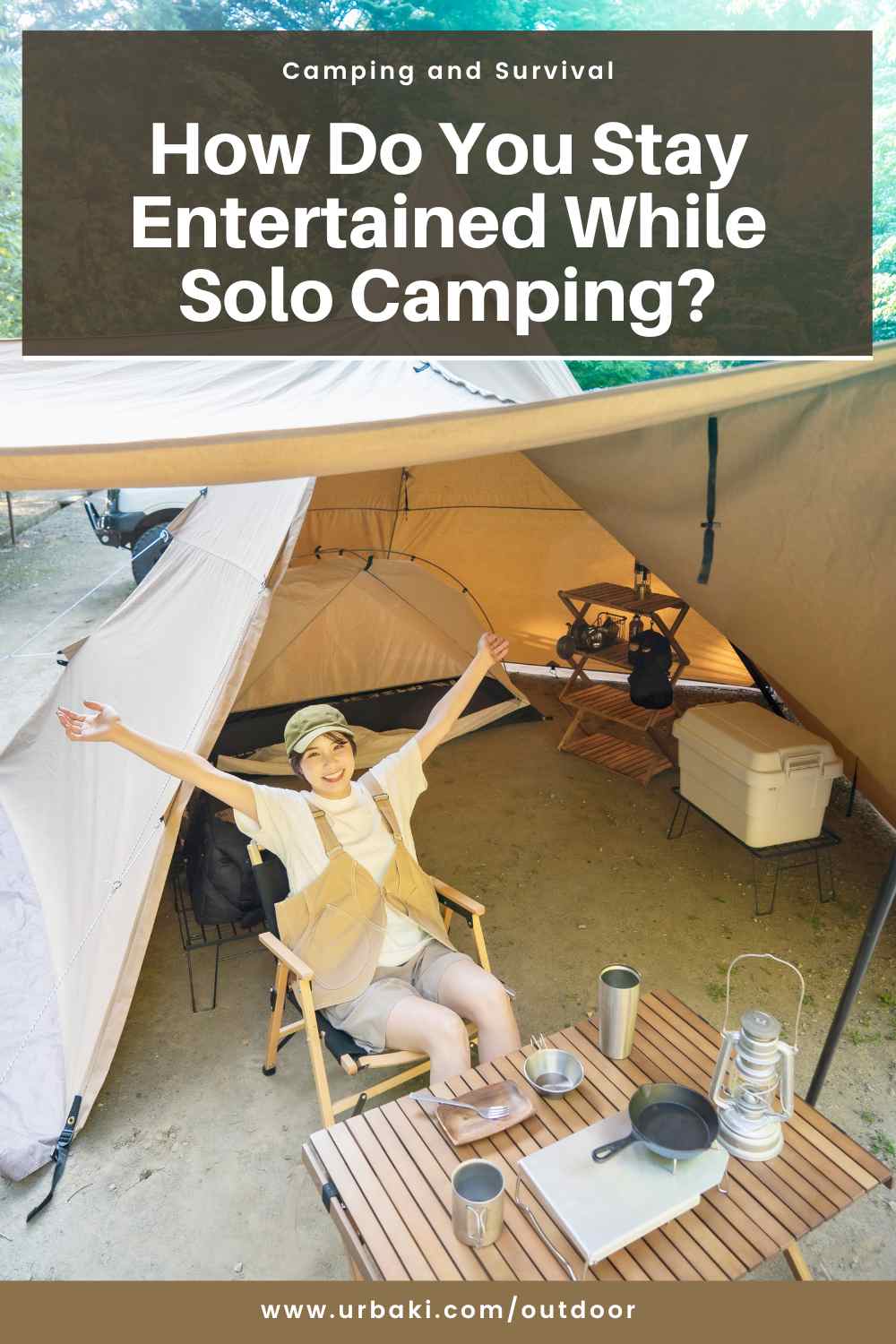
Did you find this post useful or inspiring? Save THIS PIN for later in your Outdoor Board on Pinterest! 😊
Explore these outdoor tips too