
How Safe is Solo Camping in Remote Areas?
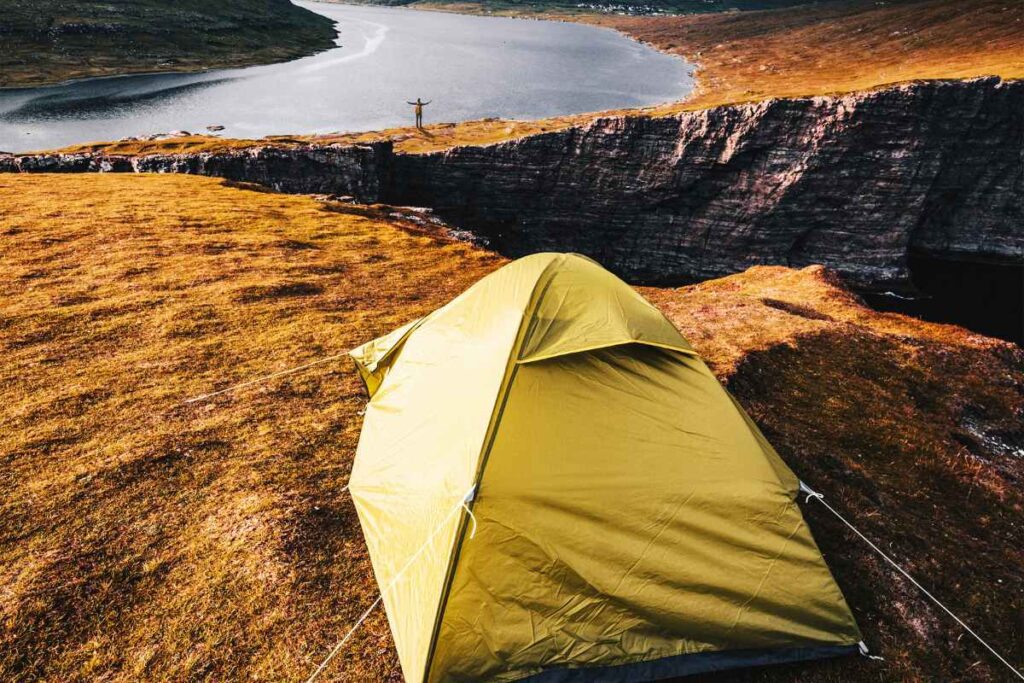
Camping in remote areas offers an unparalleled sense of freedom and connection with nature. However, the allure of isolation also brings a set of unique challenges and safety concerns.
Solo camping in remote areas can be an exhilarating experience, but it requires careful preparation and a strong awareness of potential risks.
In this article, we will explore the safety aspects of solo camping, discuss essential precautions, and provide tips to ensure a safe and enjoyable adventure.
The Appeal and Challenges of Solitude
The appeal of solitude in remote camping is undeniable. The chance to escape the hustle and bustle of daily life, immerse oneself in pristine nature, and experience tranquility is a powerful draw.
For many, the idea of being alone in a vast, untouched landscape provides a sense of adventure and personal accomplishment.
However, this same solitude can amplify the challenges. The lack of immediate help and the unpredictability of nature can make solo camping in remote areas both thrilling and daunting.
It's crucial to weigh these factors carefully and prepare thoroughly to ensure a safe and enjoyable experience.
Understanding the Risks
When considering solo camping in remote areas, it is crucial to recognize and understand the potential risks involved.
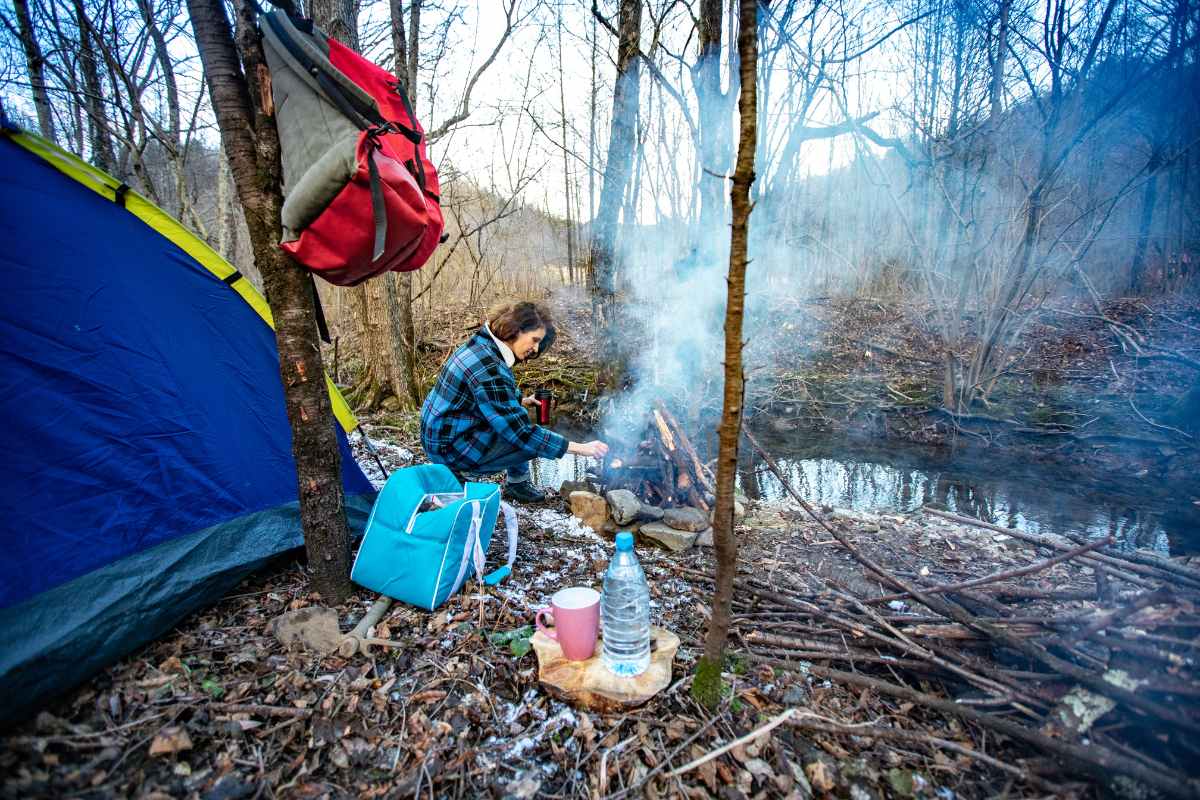
Unlike more frequented campsites, remote locations often lack the infrastructure and support systems that can make camping safer. Key risks include:
- Wildlife Encounters: Remote areas may be home to various wildlife, including potentially dangerous animals like bears, mountain lions, or snakes. Understanding their behavior and how to minimize encounters is essential.
- Weather Conditions: Extreme weather can be unpredictable in remote areas. Severe storms, sudden temperature drops, and heavy snowfall can pose significant challenges to a solo camper.
- Medical Emergencies: In case of an injury or illness, access to medical help may be limited. Preparing for emergencies and knowing how to manage injuries or illnesses on your own is crucial.
- Navigation Challenges: Remote areas often lack clear trails or landmarks. Navigational errors can lead to getting lost, making it vital to have reliable navigation tools and skills.
Preparation is Key
Proper preparation can significantly enhance safety when camping solo in remote areas. Here are some essential steps to take before setting out:
1. Research and Planning
Thoroughly research the area you plan to camp in. Understand the terrain, weather patterns, and potential hazards. Inform yourself about:
- Local Wildlife: Learn about the types of animals in the area and how to store food safely to avoid attracting them.
- Weather Conditions: Check weather forecasts and historical weather data to prepare for possible conditions.
- Emergency Services: Know the location of the nearest ranger station or emergency services and how to contact them.
2. Gear and Equipment
Investing in the right gear is essential for a safe solo camping experience. Key equipment includes:
- Shelter: A durable, weather-appropriate tent is crucial. Consider a tent designed for extreme conditions if you expect harsh weather.
- Navigation Tools: Bring a GPS device, a map, and a compass. Ensure you know how to use them effectively.
- First Aid Kit: A comprehensive first aid kit should include supplies for treating wounds, managing illness, and handling emergencies.
- Food and Water: Pack enough non-perishable food and carry a water purification method. In remote areas, clean water sources may be scarce.
3. Skills and Training
Acquiring certain skills can greatly improve your safety:
- Survival Skills: Learn basic survival skills, such as building a fire, purifying water, and creating shelter from natural materials.
- First Aid Training: Take a first aid course to be prepared for medical emergencies.
- Navigation Skills: Practice using a compass and map, and familiarize yourself with GPS technology.
On the Trail: Staying Safe
Once you are out camping solo, maintaining safety involves vigilance and adherence to best practices:
1. Inform Others
Always inform a trusted friend or family member of your itinerary and expected return date. This way, someone will know if you are overdue and can alert authorities if needed.
2. Follow Safety Protocols
- Wildlife Safety: Store food securely and follow guidelines for avoiding wildlife encounters. Bear-proof containers or hanging food from a tree can help.
- Weather Awareness: Monitor weather conditions regularly. Seek shelter if severe weather is approaching.
- Navigation: Stay on marked trails if available and use your navigation tools frequently to ensure you are on the right path.
3. Emergency Preparedness
- Know Your Location: Keep track of your location using your GPS device or map. If you get lost, retrace your steps to a known point.
- First Aid: Be ready to administer first aid if needed. Knowing how to treat common injuries and illnesses can be a lifesaver.
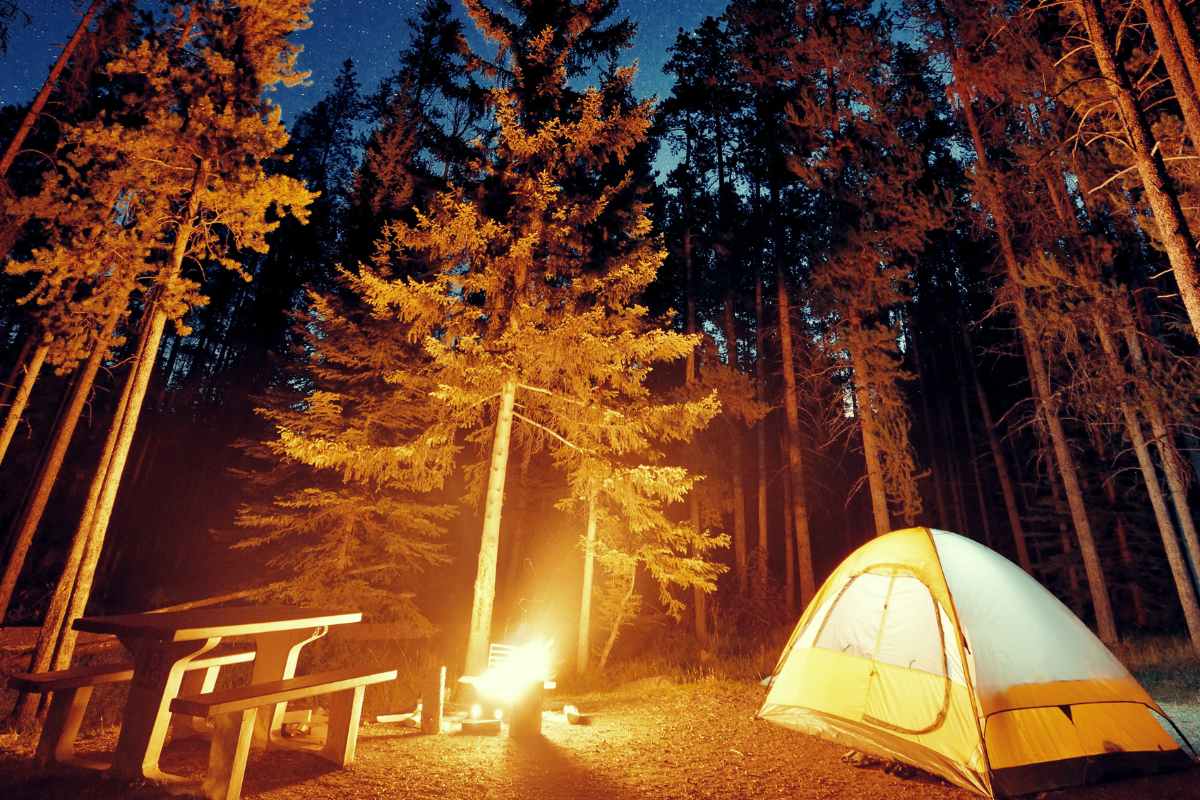
Safe and Fulfilling Solo Camping in Remote Areas
Solo camping in remote areas can be a rewarding and transformative experience, but it comes with inherent risks that require thorough preparation and awareness.
By understanding potential hazards, preparing adequately, and following best practices on the trail, you can significantly enhance your safety and enjoyment.
Solo camping offers a unique opportunity to connect deeply with nature and oneself. However, ensuring a safe adventure demands respect for the wilderness, careful planning, and a proactive approach to potential risks.
With the right mindset and preparation, solo camping in remote areas can be both safe and immensely fulfilling.
Did you find this post useful or inspiring? Save THIS PIN for later in your Outdoor Board on Pinterest! 😊
Explore these outdoor tips too