
How to Avoid This 10 Common Camping Mistakes
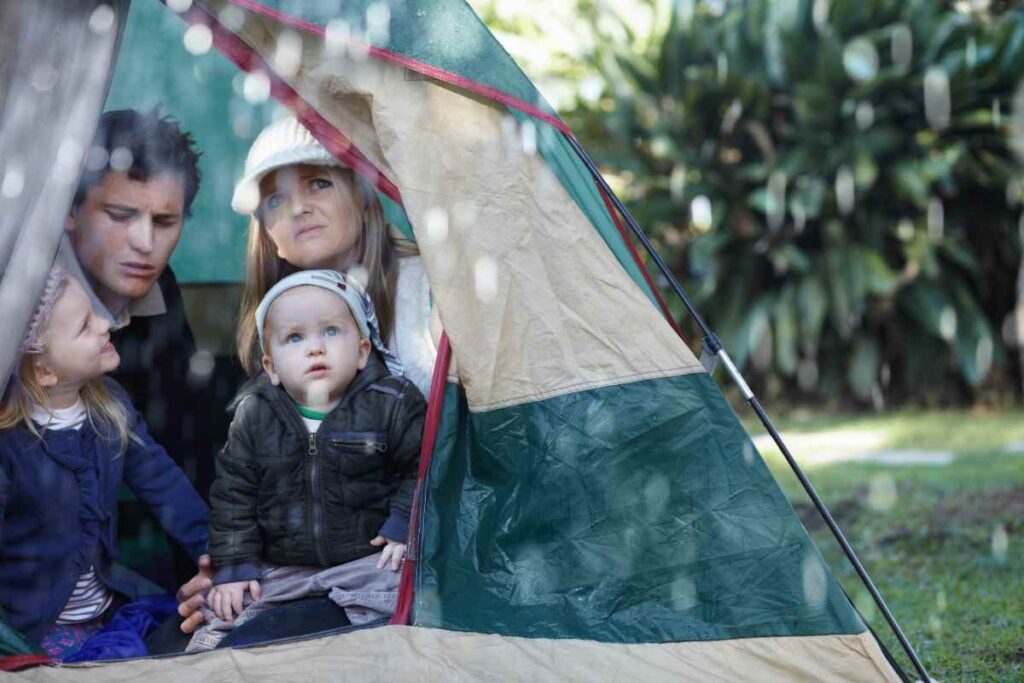
Camping is a fantastic way to reconnect with nature, escape the hustle and bustle of daily life, and enjoy quality time with family and friends.
However, even seasoned campers can fall victim to common camping mistakes that can turn a delightful adventure into a challenging experience.
Whether you’re a novice or an experienced camper, it’s important to be aware of these pitfalls to ensure a safe and enjoyable trip.
In this article, provide tips on how to avoid them, ensuring your next camping trip is nothing short of spectacular.
Mistakes and How to Avoid Them
1. Not Researching the Campground
One of the biggest you can make is not researching the campground before you arrive. Every campground has different amenities, rules, and regulations.
Some may require reservations months in advance, while others operate on a first-come, first-served basis.
Make sure you know what to expect by checking the campground’s website, reading reviews, and understanding the facilities available.
This will help you avoid arriving at a full campground or one that doesn’t meet your needs.
Tip: Always have a backup plan in case your chosen campground is full or closed due to unforeseen circumstances.
2. Overpacking or Underpacking
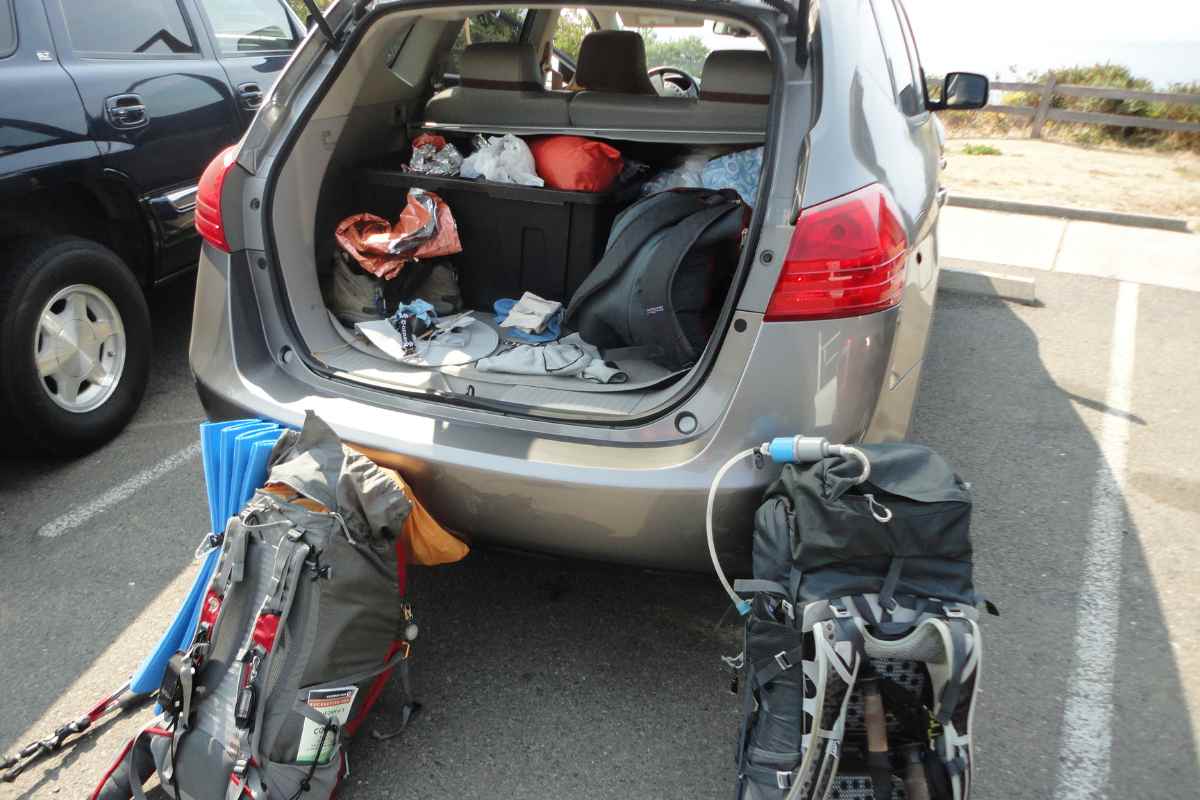
Packing for a camping trip can be tricky. Overpacking can lead to a cluttered campsite and unnecessary weight, while underpacking can leave you without essential items.
The key is to find a balance by packing only what you need, based on the length of your trip and the activities you plan to do.
Tip: Create a checklist of essentials such as a tent, sleeping bag, cooking supplies, and appropriate clothing. Stick to the list to avoid both overpacking and underpacking.
3. Ignoring Weather Reports
Ignoring the weather forecast is another common camping mistake that can lead to a miserable experience.
Weather conditions can change rapidly, especially in mountainous or coastal areas. Make sure to check the weather report for your destination before you leave and pack accordingly.
Tip: Pack layers and rain gear, even if the forecast is clear, to be prepared for unexpected weather changes.
4. Setting Up Camp in the Wrong Spot
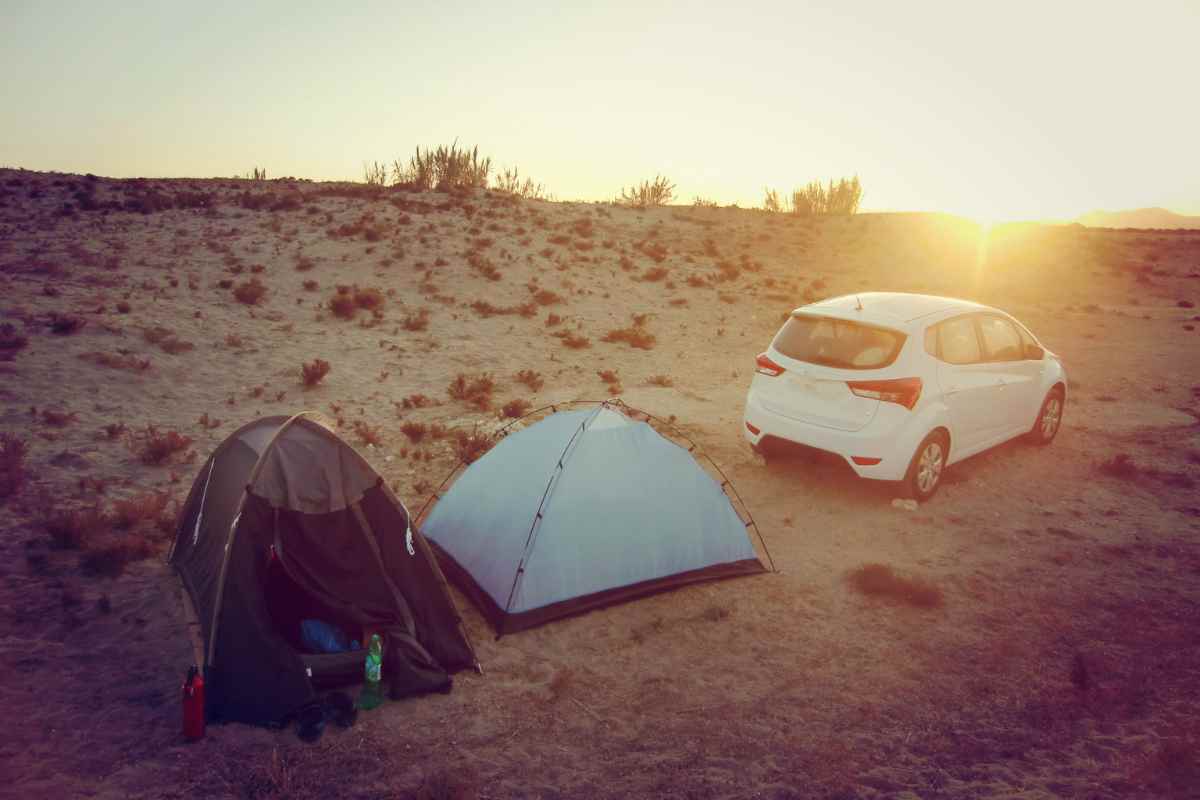
Choosing the right campsite is crucial for a successful camping trip. Setting up camp in a low-lying area can lead to flooding if it rains while pitching your tent too close to the fire pit can be a fire hazard.
Additionally, setting up under dead trees, known as widow-makers, can be dangerous.
Tip: Look for a flat, elevated area away from potential hazards like rivers, cliffs, and dead trees. Ensure your tent is placed on a durable surface to minimize your impact on the environment.
5. Not Practicing Fire Safety
Fire is an essential part of camping, but it’s also a major risk if not handled properly. Failing to build a fire safely, leaving it unattended, or not extinguishing it completely are all commonmistakes that can lead to accidents or wildfires.
Tip: Always build your fire in a designated fire pit or ring. Keep a bucket of water or sand nearby, never leave the fire unattended, and fully extinguish it before going to bed or leaving the campsite.
6. Poor Food Storage
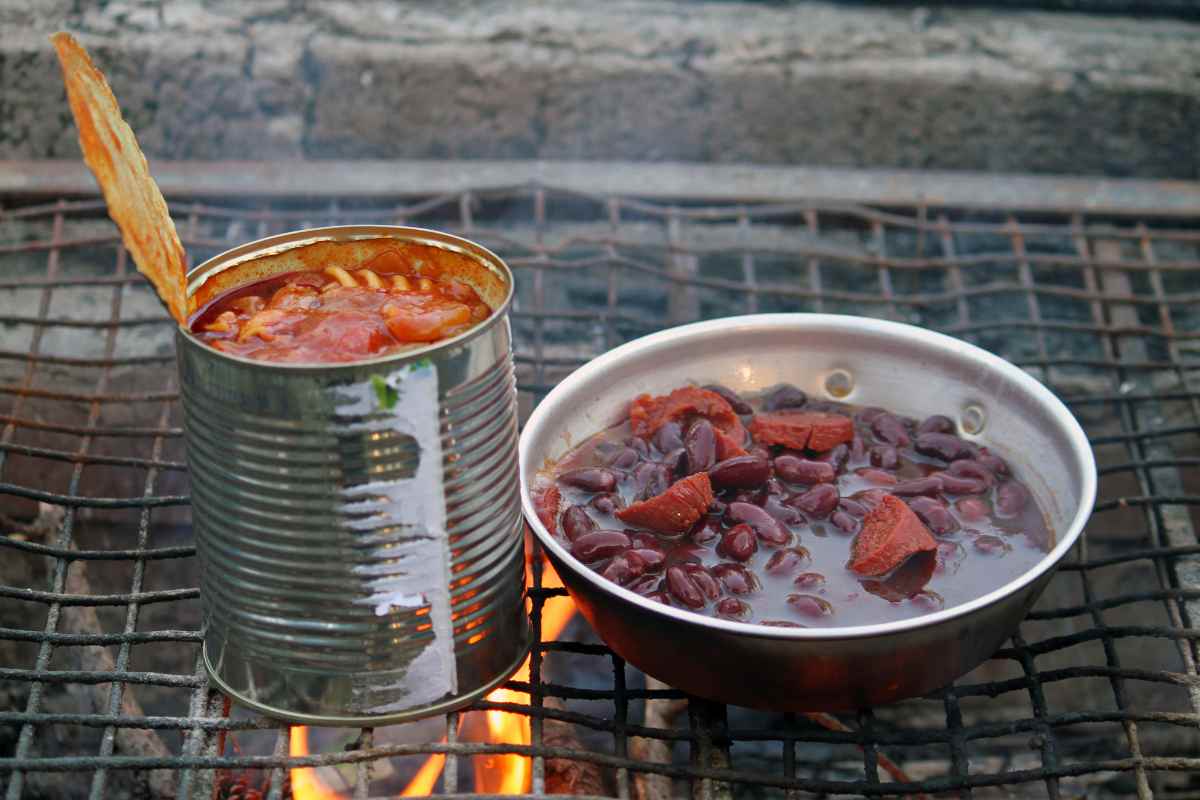
Improper food storage is a mistake that can attract unwanted wildlife to your campsite. Bears, raccoons, and other animals have a keen sense of smell and can easily access food left out or improperly stored.
Tip: Store food in airtight containers or bear-proof canisters, and hang it from a tree if necessary. Never leave food out in the open or your tent.
7. Neglecting to Test Equipment
One of the most frustrating mistakes is discovering that your gear is faulty or incomplete after arriving at the campsite.
Whether it’s a tent with missing poles, a stove that won’t light, or a sleeping bag with a broken zipper, faulty equipment can ruin your trip.
Tip: Test all your equipment at home before you leave. Set up your tent, light your stove, and make sure everything is in working order. This will save you time and stress at the campsite.
8. Underestimating the Importance of a First Aid Kit

Accidents can happen even on the most well-planned camping trips. Cuts, burns, insect bites, and other minor injuries are common in the outdoors.
Not having a first aid kit on hand is a serious mistake that can turn a minor injury into a major issue.
Tip: Pack a well-stocked first aid kit that includes bandages, antiseptic wipes, pain relievers, tweezers, and any personal medications you may need. Make sure everyone in your group knows where the kit is located and how to use it.
9. Disregarding Leave No Trace Principles
Disrespecting nature by leaving trash behind, damaging vegetation, or disturbing wildlife is a significant camping mistake that harms the environment and spoils the experience for others.
Practicing Leave No Trace principles is essential for preserving the beauty and integrity of natural areas.
Tip: Pack out all trash, avoid picking plants or disturbing wildlife, and camp on durable surfaces. Leave your campsite better than you found it.
10. Not Having an Emergency Plan
Failing to have an emergency plan is a common oversight that can have serious consequences.
Whether it’s getting lost, encountering dangerous wildlife, or facing extreme weather, being unprepared for emergencies is a major mistake.
Tip: Share your itinerary with a friend or family member who is not on the trip. Familiarize yourself with the area, including the location of the nearest ranger station or emergency services. Carry a map, compass, and a charged cell phone or GPS device.
Conclusion
Avoiding these common camping mistakes can make the difference between a memorable adventure and a trip you’d rather forget.
By researching your campground, packing wisely, practicing fire safety, and respecting nature, you’ll set yourself up for success on your next camping trip.
Remember, preparation and awareness are key to enjoying the great outdoors safely and responsibly.
So the next time you head out into the wilderness, keep these tips in mind and enjoy all the beauty and serenity that camping has to offer.
Did you find this post useful or inspiring? Save THIS PIN for later in your Outdoor Board on Pinterest! 😊
Explore these outdoor tips too