
- Urbaki Outdoor
- Water Activities
- How to Choose the Right Snorkeling Gear
How to Choose the Right Snorkeling Gear
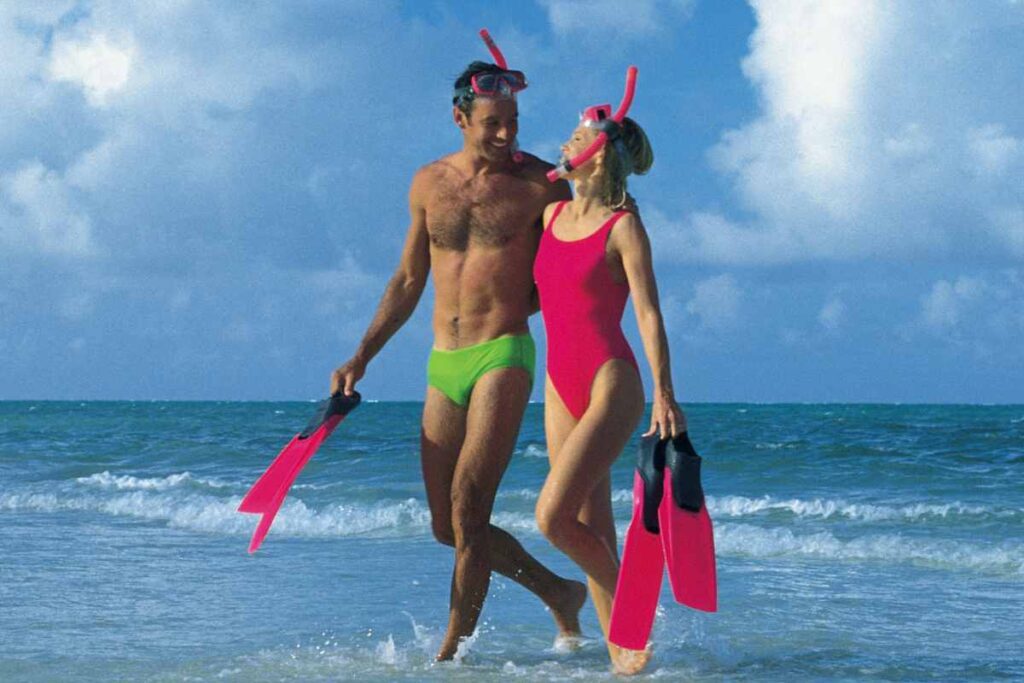
Snorkeling is an incredible way to explore the underwater world, allowing you to get up close with marine life and vibrant coral reefs.
However, to fully enjoy the experience, it's crucial to choose the right snorkeling gear. The right gear will not only enhance your comfort and safety but also ensure that you make the most of your time in the water.
In this article, we’ll guide you through the process of selecting the best snorkeling gear, from masks and snorkels to fins and wetsuits, so you can confidently embark on your next underwater adventure.
Understanding the Basics to Choose the Right Snorkeling Gear
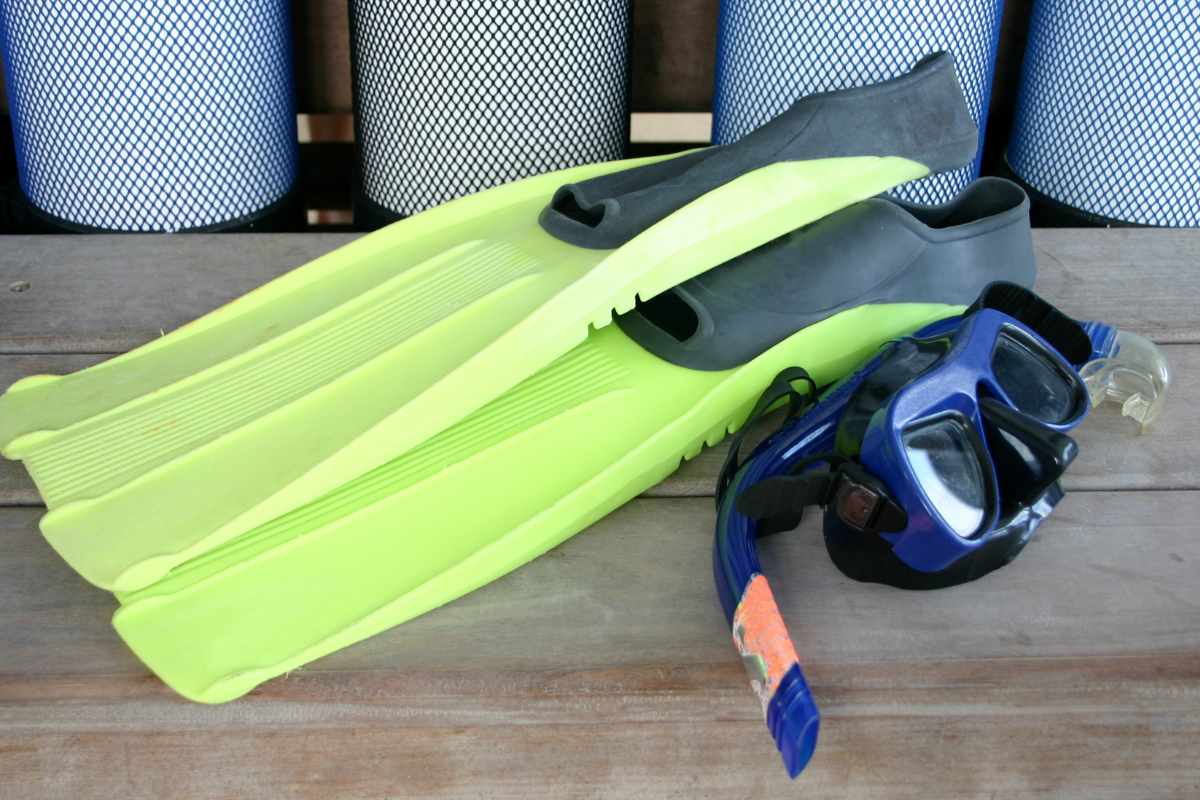
Before diving into specific gear recommendations, it's essential to understand what each piece of snorkeling equipment does and why it’s important to choose the right snorkeling gear.
Mask
The snorkeling mask is perhaps the most critical piece of equipment. It allows you to see clearly underwater by creating an air pocket in front of your eyes. A good mask should provide a snug fit, be comfortable, and offer a wide field of view.
Snorkel
The snorkel is a breathing tube that allows you to breathe while floating face down in the water. It should be comfortable to hold in your mouth and have features that prevent water from entering the tube.
Fins
Fins help you move efficiently through the water, allowing you to cover more ground with less effort. The right fins should fit well, be easy to use, and match your swimming strength and style.
Wetsuit or Rash Guard
Depending on the water temperature, you might need a wetsuit or a rash guard. These garments provide thermal insulation, protect your skin from the sun, and offer some protection against jellyfish stings or scrapes from rocks.
How to Choose the Right Snorkeling Mask
When selecting a snorkeling mask, comfort and visibility are paramount. Here’s what to look for:
Fit and Seal
The most important aspect of a mask is how well it fits your face. A poor fit can lead to leaks, which will make your snorkeling experience uncomfortable. To check the fit:
- Place the mask on your face without using the strap.
- Inhale slightly through your nose. The mask should create a seal and stay on your face without falling off.
- Make sure there are no gaps around the edges, especially around the nose and under the eyes.
Lens Type
Snorkeling masks come with either single or dual lenses. Single-lens masks provide an unobstructed view, while dual-lens masks can accommodate prescription lenses. If you need corrective lenses, consider a mask that allows for inserts or has prescription options.
Material
The skirt (the part of the mask that touches your face) should be made of high-quality silicone. Silicone provides a better seal and is more durable than rubber. The lens should be made from tempered glass, which is more resistant to scratches and breaks.
Field of View
A good snorkeling mask should offer a wide field of view. Some masks have a low-profile design, which brings the lens closer to your face, increasing your peripheral vision.
How to Choose the Right Snorkel
A snorkel is more than just a simple tube; it comes with features that can enhance your comfort and safety.
Type of Snorkel
There are three main types of snorkels:
- Classic snorkel: A simple tube with a mouthpiece. It's the most basic type and lacks special features like splash guards or purge valves.
- Dry snorkel: This snorkel has a valve at the top that closes when submerged, preventing water from entering. It's ideal for beginners or those who want to avoid inhaling water accidentally.
- Semi-dry snorkel: This type has a splash guard at the top that reduces the amount of water entering the tube, but it’s not fully sealed like a dry snorkel. It’s a good middle ground between a classic and a dry snorkel.
Mouthpiece
The mouthpiece should be comfortable and fit well in your mouth. Look for a silicone mouthpiece as it is soft, flexible, and durable. Some snorkels also offer replaceable mouthpieces, which can extend the life of your gear.
Purge Valve
A purge valve at the bottom of the snorkel allows you to easily expel water that may have entered the tube. This feature is particularly useful for beginners or in choppy water conditions.
Flexibility
A snorkel with a flexible lower section is beneficial because it allows the mouthpiece to drop away from your face when not in use, making it more comfortable when you switch to breathing normally.
How to Choose the Right Fins
Fins are essential for efficient movement in the water, but choosing the right pair can be challenging. Here’s what to consider:
Fit
Fins should fit snugly but not too tight. A good fit prevents blisters and ensures that your fins don’t slip off while swimming. Adjustable fins with straps offer more flexibility in fit, especially if you’re wearing booties.
Blade Type
The blade design of the fins affects your speed and maneuverability in the water:
- Full-foot fins: These cover your entire foot and are generally more comfortable and easier to wear. They are ideal for warm water and light snorkeling.
- Open-heel fins: These are worn with booties and are better for colder water. They provide more power and are adjustable, making them suitable for various foot sizes.
- Split fins: These have a split down the middle of the blade, which reduces drag and makes kicking easier. They are great for long snorkeling sessions as they require less effort.
- Paddle fins: These are more traditional fins that offer more power but require more effort to use. They are suitable for strong swimmers who need to cover more distance.
Length
The length of the fins can affect your maneuverability and power in the water. Shorter fins are easier to control and are ideal for beginners or for use in confined areas like reefs.
Longer fins provide more propulsion but can be more challenging to use, especially in strong currents.
How to Choose the Right Wetsuit or Rash Guard
Depending on the water temperature and your personal comfort level, you might need a wetsuit or a rash guard for your snorkeling adventures.
Water Temperature
- Warm Water (75°F and above): A rash guard or swim shirt is usually sufficient. These provide protection against the sun and minor scrapes without adding much insulation.
- Cool Water (60°F - 75°F): A shorty wetsuit (a wetsuit with short sleeves and legs) or a full wetsuit with a thickness of 2-3mm will help keep you warm without restricting your movement.
- Cold Water (Below 60°F): A full wetsuit with a thickness of 5mm or more is necessary. In extremely cold conditions, consider a wetsuit with a hood, gloves, and booties for added protection.
Fit
A wetsuit should fit snugly without being too tight. It should be form-fitting to trap a thin layer of water between your body and the suit, which your body heats to keep you warm.
Try on the wetsuit before purchasing to ensure there are no gaps or areas that feel too restrictive.
Material
Wetsuits are typically made from neoprene, which provides insulation and flexibility. Higher-quality neoprene will be more comfortable and durable. Rash guards, on the other hand, are made from spandex or lycra and are primarily for sun protection.
Additional Gear Considerations
Snorkeling Vest
For added safety, especially for beginners, consider using a snorkeling vest. These vests provide buoyancy and can be inflated or deflated according to your comfort level. They are particularly useful in deeper waters or for those who may tire easily.
Defogging Solution
To keep your mask clear and prevent fogging, use a defogging solution or anti-fog spray. You can also use natural remedies like a mixture of water and baby shampoo or simply spit into your mask and rinse it out before putting it on.
Mesh Bag
A mesh gear bag is handy for carrying all your snorkeling equipment. It allows your gear to dry quickly and keeps everything organized.
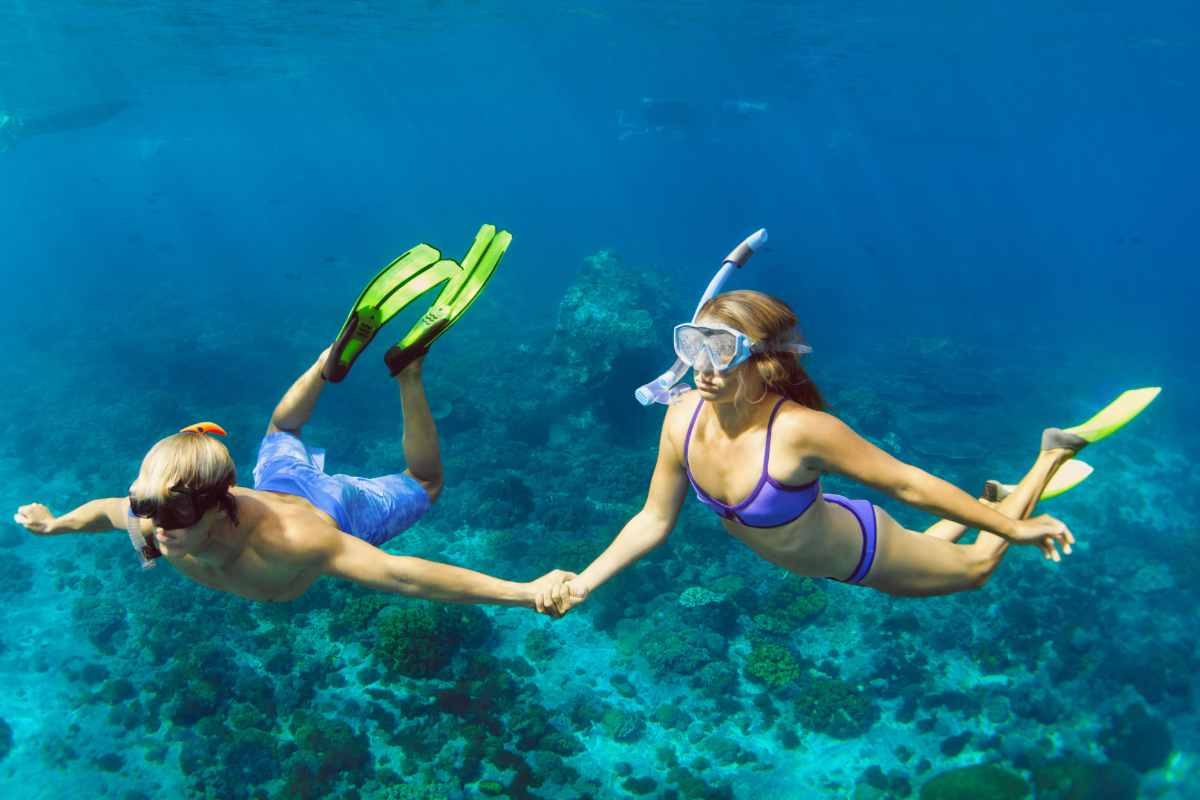
Choosing the right snorkeling gear is essential to ensure a comfortable, enjoyable, and safe experience in the water. By paying attention to the fit, quality, and specific features of each piece of equipment, you can tailor your gear to meet your needs and preferences.
Whether you're a beginner or an experienced snorkeler, taking the time to choose the right snorkeling gear will enhance your underwater adventures, allowing you to focus on the beauty of the marine world rather than worrying about your equipment.
So, gear up and get ready to explore the wonders beneath the waves with confidence and ease!
Did you find this post useful or inspiring? Save THIS PIN for later in your Outdoor Board on Pinterest! 😊
Explore these outdoor tips too