
How to Choose the Right Water Activity for Your Skill Level
Choosing the right water activity for your skill level is essential for both safety and enjoyment.
Whether you're a seasoned swimmer or a novice looking to explore new aquatic adventures, understanding your abilities and matching them with the appropriate activity can make all the difference.
From serene paddling in calm waters to tackling exhilarating rapids, there's a water activity suitable for everyone.
Right Water Activity for Your Skill Level: Assessing Your Abilities
Before diving into the various water activities available, it's crucial to honestly assess your current skill level. This assessment includes your swimming proficiency, physical fitness, and comfort level in water.
Swimming Proficiency
Your ability to swim is a fundamental factor in determining the right water activity for your skill level. If you're a strong swimmer, you might feel comfortable taking on more challenging activities.
Conversely, if you are a beginner or non-swimmer, you'll want to start with safer, more controlled environments.
Physical Fitness
Consider your overall physical fitness. Some water activities, like surfing or kayaking, require a good deal of strength and stamina, while others, like paddleboarding or snorkeling, might be less physically demanding but still require balance and endurance.
Comfort Level
Your comfort level in the water can significantly impact your enjoyment and safety. If you feel anxious or uneasy in open water, you might prefer activities that keep you closer to shore or in more controlled environments, such as pools or calm lakes.
Beginner-Level Water Activities
For those just starting out or with limited swimming skills, there are several water activities that are safe, enjoyable, and relatively easy to learn.
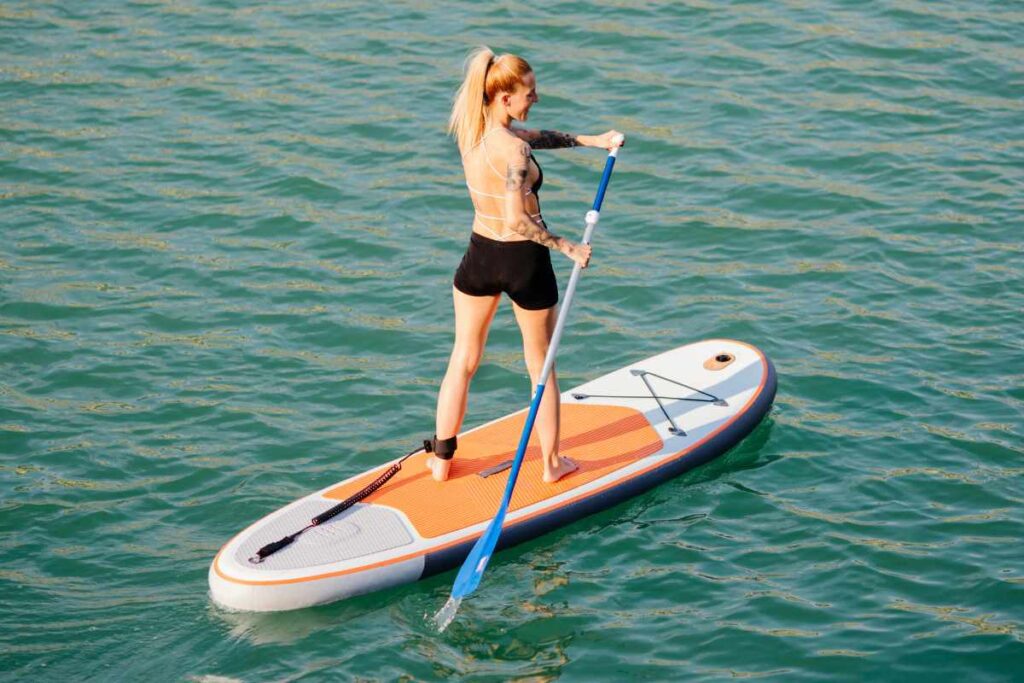
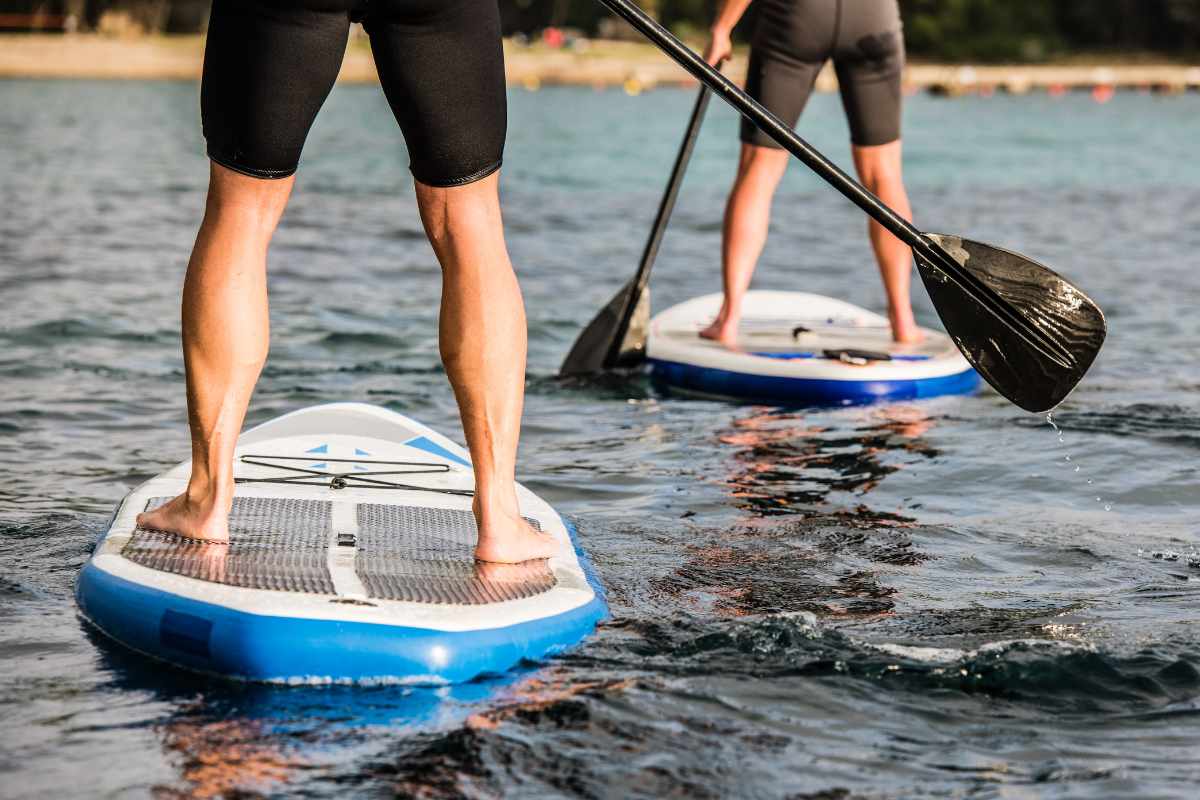
Paddleboarding
Paddleboarding is an excellent choice for beginners. It involves standing or kneeling on a large board and using a paddle to move across the water.
Paddleboarding is suitable for calm lakes or slow-moving rivers and provides a great workout while allowing you to enjoy the scenery at a leisurely pace.
Snorkeling
Snorkeling is another beginner-friendly activity. It involves swimming on the surface of the water while using a mask and snorkel to breathe.
Snorkeling allows you to explore underwater life in shallow waters without the need for extensive training. Clear, calm waters such as those found in tropical regions are ideal for this activity.
Canoeing
Canoeing is perfect for those looking to enjoy a relaxed water activity. Canoes are stable and easy to maneuver, making them suitable for calm lakes and gentle rivers.
This activity can be enjoyed solo or with a partner, making it a great way to experience nature from the water.
Intermediate-Level Water Activities
If you have a bit more experience and confidence in the water, you might be ready to try some intermediate-level activities that offer a bit more excitement and challenge.
Kayaking
Kayaking offers more adventure compared to canoeing. There are various types of kayaking, from calm lake kayaking to more challenging sea kayaking and whitewater kayaking.
Depending on your skill level, you can choose the environment that matches your abilities. Sea kayaking, for example, requires navigating waves and currents, while whitewater kayaking involves maneuvering through rapids.
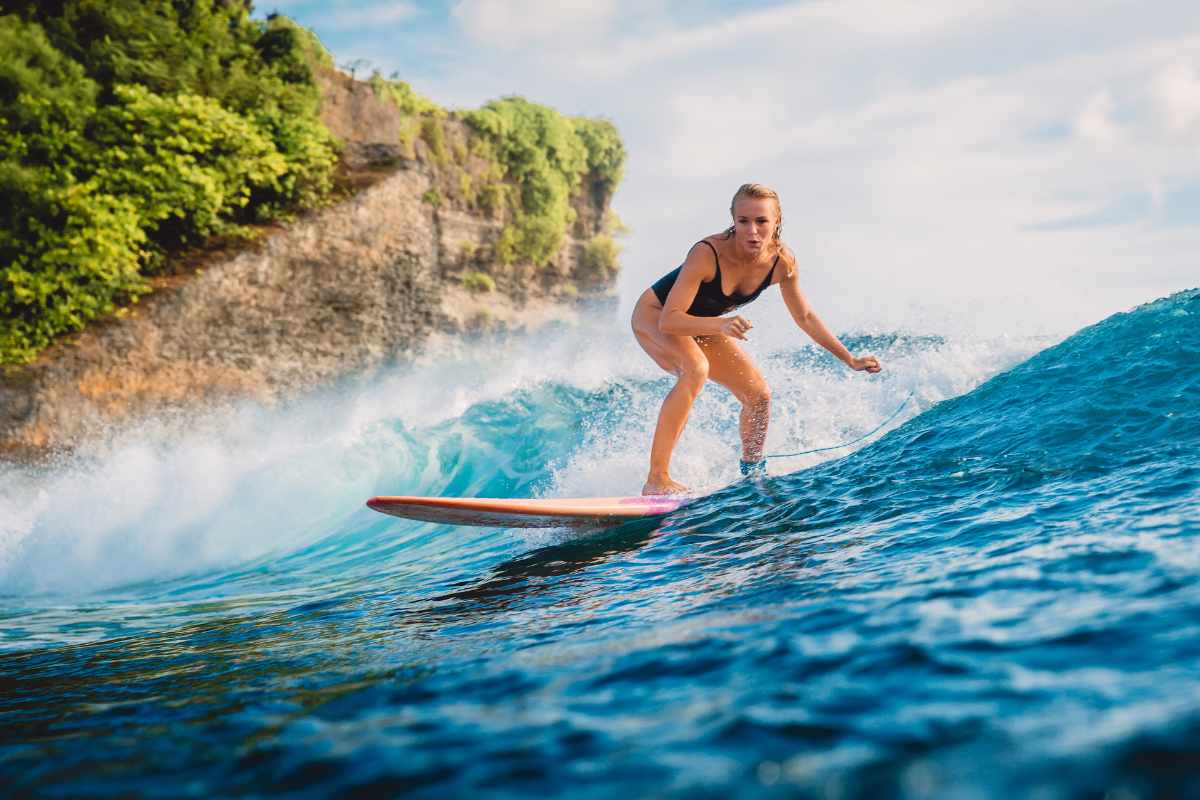
Surfing
Surfing is a popular water sport that requires balance, strength, and coordination. Beginners can start with larger, more stable boards in gentle waves, while more experienced surfers can tackle bigger waves and more challenging conditions.
Surf schools often offer lessons that cater to various skill levels, providing a safe and structured way to learn.
Stand-Up Paddleboarding (SUP) Yoga
SUP Yoga combines traditional yoga poses with paddleboarding. It requires a moderate level of fitness and balance but is suitable for those who are comfortable on a paddleboard.
This activity is typically done in calm waters, making it a serene and challenging way to practice yoga.

Advanced-Level Water Activities
For those with high confidence and proficiency in the water, advanced-level activities provide thrilling experiences that test your skills and endurance.
Scuba Diving
Scuba diving opens up an entirely new world beneath the waves. It requires certification and training to ensure safety, but the rewards are immense.
Divers can explore coral reefs, shipwrecks, and deep-sea environments, experiencing marine life up close. This activity demands strong swimming skills and comfort with breathing underwater using scuba gear.
Whitewater Rafting
Whitewater rafting is a high-adrenaline activity that involves navigating a river's rapids in an inflatable raft. It requires teamwork, strength, and quick reflexes.
Different rivers have varying levels of difficulty, so it's important to choose a river that matches your skill level. Beginners should start with lower-class rapids, while advanced rafters can tackle more challenging waters.
Windsurfing
Windsurfing combines elements of surfing and sailing. It requires a significant amount of balance, coordination, and understanding of wind patterns.
Beginners can start with larger boards and lighter winds, gradually progressing to smaller boards and stronger winds as their skills improve.
Safety Considerations
No matter your skill level, safety should always be a top priority when engaging in water activities. Here are some essential safety tips to keep in mind:
Wear a Life Jacket
Always wear a life jacket or personal flotation device (PFD) when participating in water activities, especially if you are not a strong swimmer or if the activity involves potentially hazardous conditions.
Check the Weather
Always check the weather forecast before heading out. Sudden changes in weather can turn a pleasant outing into a dangerous situation. Avoid water activities during storms or high winds.
Understand the Water Conditions
Whether you're swimming in the ocean, a river, or a lake, it's crucial to understand the water conditions. Be aware of currents, tides, and underwater hazards. If you're unsure about the conditions, seek advice from locals or experts.
Take Lessons
For activities that require specific skills, such as scuba diving or surfing, taking lessons from certified instructors can greatly improve your safety and enjoyment. They can provide valuable tips, techniques, and safety protocols.
Go with a Buddy
Whenever possible, participate in water activities with a buddy. Having someone with you can provide assistance in case of an emergency and make the experience more enjoyable.

Choosing the Right Gear
Having the appropriate gear for your chosen activity is essential for both safety and performance.
Wetsuits and Drysuits
For activities in cold water, wearing a wetsuit or drysuit can help maintain your body temperature and prevent hypothermia.
Wetsuits are made of neoprene and allow a small amount of water to enter, which is then warmed by your body heat. Drysuits keep you completely dry and are typically used in colder conditions.
Footwear
Water shoes or sandals can protect your feet from sharp rocks, shells, and other hazards. They also provide better traction on slippery surfaces.
Protective Gear
For activities like whitewater rafting or windsurfing, wearing helmets and other protective gear can prevent injuries. Always choose gear that fits properly and is designed for the specific activity.
Right Water Activity for Your Skill Level
Choosing the right water activity for your skill level is crucial for ensuring both safety and enjoyment. By assessing your swimming proficiency, physical fitness, and comfort level in the water, you can find activities that match your abilities.
From beginner-friendly options like paddleboarding and snorkeling to advanced pursuits like scuba diving and whitewater rafting, there's a water activity for everyone.
Prioritize safety, choose the right gear, and take lessons if needed to enhance your experience. Embrace the water, challenge yourself, and most importantly, have fun exploring the diverse world of water activities.
Did you find this post useful or inspiring? Save THIS PIN for later in your Outdoor Board on Pinterest! 😊
Explore these outdoor tips too