
How to Create a Camp Perimeter for Wildlife Safety
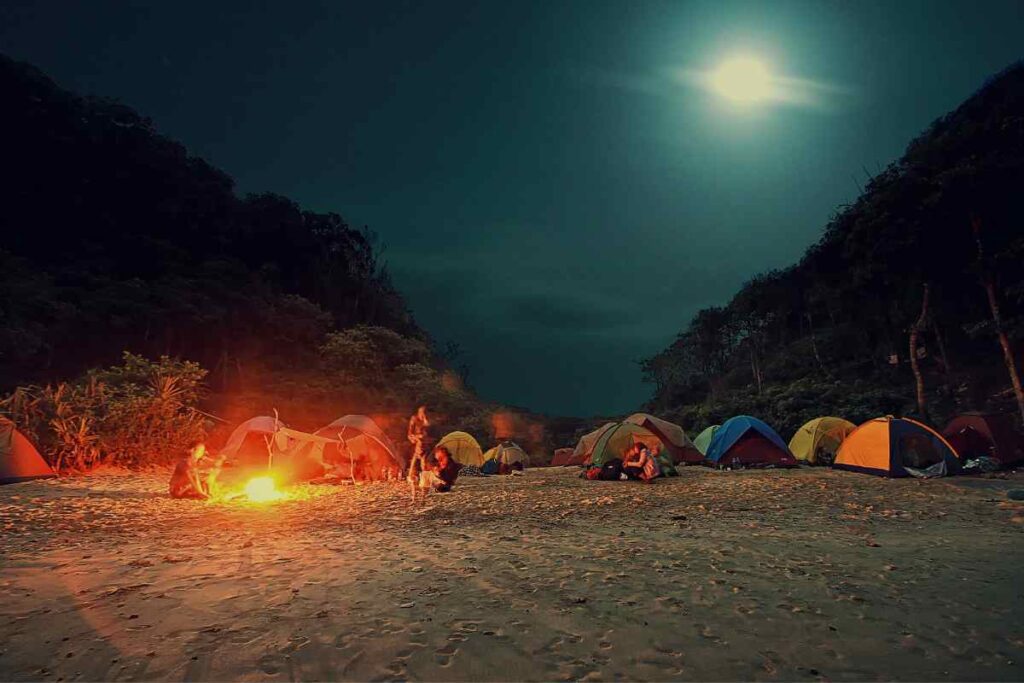
Camping in the wild can be an exhilarating experience, allowing you to connect with nature and escape the hustle and bustle of daily life.
However, ensuring safety while camping is paramount, especially when it comes to protecting yourself from wildlife.
One of the most effective strategies is to establish a camp perimeter. A well-defined camp perimeter not only deters animals but also provides a clear boundary for campers, enhancing overall safety.
Understanding the Importance of a Camp Perimeter
A camp perimeter serves as a protective boundary that helps to keep wildlife at a distance.
By creating a designated area where food, waste, and scented items are carefully managed, you minimize the risk of attracting animals.
This is crucial for avoiding unwanted encounters with wildlife, which can range from annoying to downright dangerous.
Camp Perimeter: The Basics
Establishing a camp perimeter involves selecting the right location, setting up barriers, and maintaining cleanliness.
A well-thought-out perimeter keeps wildlife at bay and reduces the chances of animals wandering into your campsite.
Choosing the Right Location
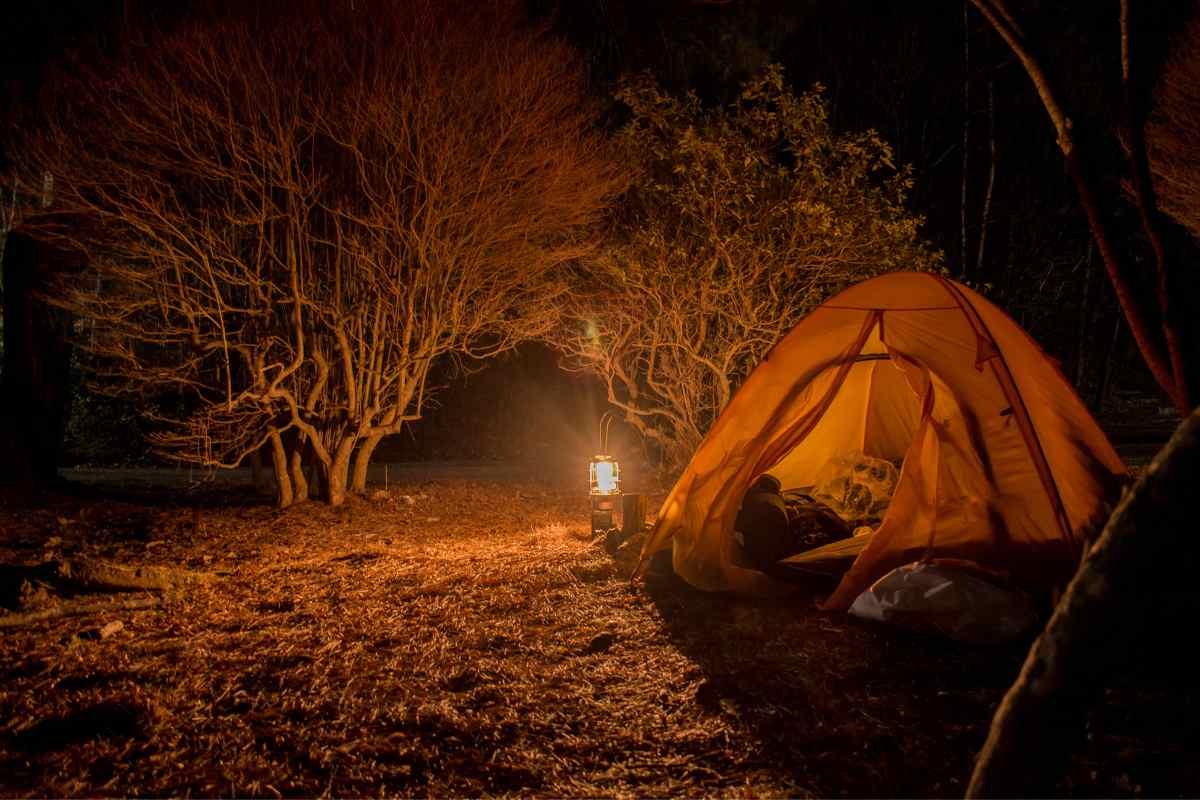
When selecting a location for your campsite, it's essential to choose a naturally defensible area.
Look for spots that are not close to animal trails, water sources, or dense vegetation, as these areas are often frequented by wildlife.
Consider Natural Barriers
Natural barriers such as rock formations, dense shrubbery, or bodies of water can act as additional defenses against wildlife.
These barriers make it more difficult for animals to enter your campsite, enhancing your safety.
Animals often use specific trails to move through their territory and may visit water sources frequently.
By avoiding these areas, you reduce the likelihood of crossing paths with wildlife. Setting up camp at least 200 feet away from these areas is generally recommended.
Setting Up a Physical Barrier
Once you've chosen a safe location, the next step is to create a physical barrier around your camp.
This could include using natural materials like rocks and fallen branches or setting up makeshift fences.
Using Natural Materials
Rocks, logs, and branches can be arranged around the perimeter of your campsite to create a natural barrier.
These materials are readily available and blend in with the environment, making them an eco-friendly option.
Stringing Up a Warning System
Consider setting up a tripwire system using lightweight string and bells around the camp perimeter. This can alert you to any approaching wildlife, giving you time to react appropriately.

Keeping Your Camp Clean
One of the most critical aspects of maintaining a safe camp perimeter is keeping the area clean.
Food and garbage attract animals, so it's essential to follow best practices for managing these items.
Proper Food Storage
Store all food in bear-proof containers or hang it from a tree at least 10-15 feet above the ground and 4 feet away from the trunk.
This keeps food out of reach from bears and other animals that might be tempted to enter your camp.
Bear canisters and bear bags are specifically designed to keep animals from accessing your food.
These containers are made of durable materials that bears can't open, ensuring that your food supply remains safe.
Managing Waste
Dispose of waste properly by using designated trash bags and storing them in bear-proof containers.
Avoid burying food scraps, as this can attract animals. Pack out all waste, including used hygiene products, to maintain a clean camp environment.
Creating a Safe Cooking Area
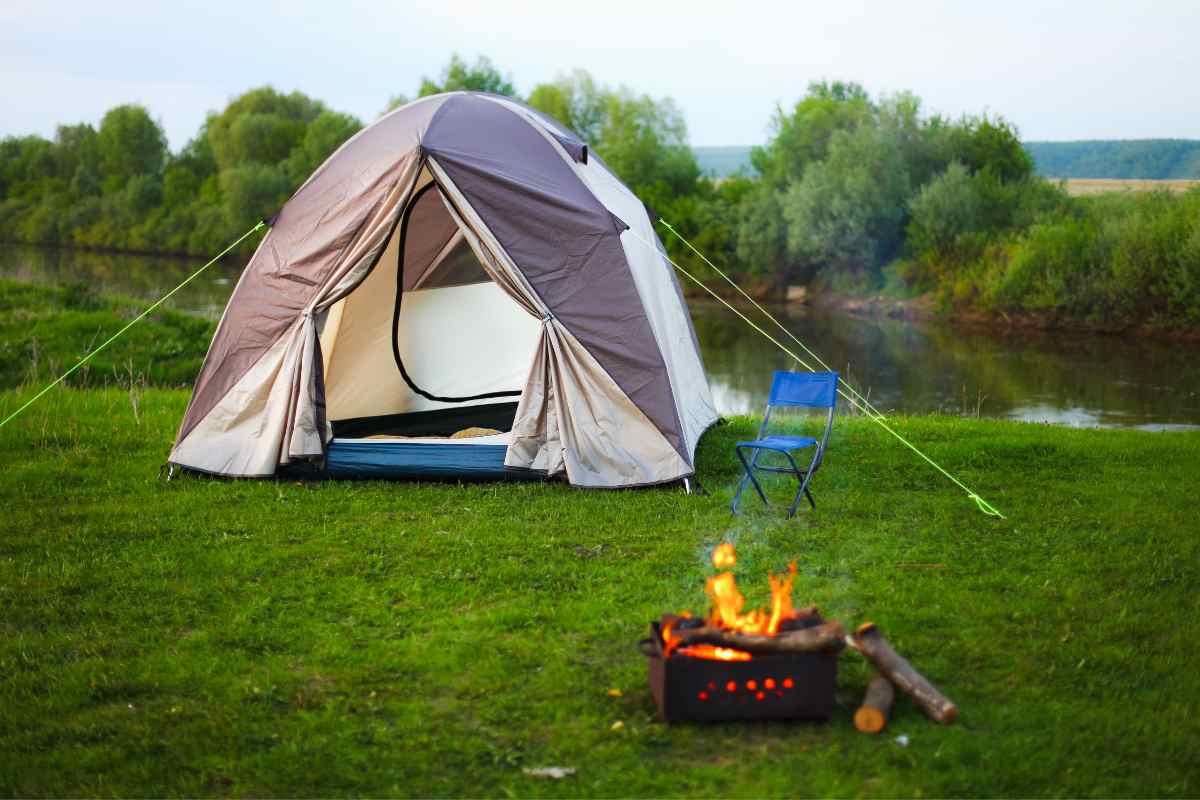
Designate a specific area for cooking that is at least 100 feet away from your sleeping area.
This minimizes the risk of food odors attracting animals to where you sleep.
Cooking Practices for Wildlife Safety
When cooking, use portable stoves rather than open flames, as the smell of burning wood can attract animals.
Clean all cooking equipment immediately after use and store it in bear-proof containers.
Avoid using strongly scented products, such as lotions, perfumes, or detergents, while camping. These scents can attract animals, especially in bear country.
Staying Vigilant
Even with a well-established camp perimeter, it's essential to remain vigilant. Regularly check your perimeter for any signs of animal activity, such as tracks or droppings.
This can help you take proactive measures to ensure your safety.
Monitoring Wildlife Activity
Pay attention to any signs of wildlife activity in the area, such as fresh tracks or scat. If you notice increased activity, it might be wise to relocate your camp to a safer area.
Consider using motion-activated cameras or other wildlife monitoring tools to stay informed about the presence of animals near your campsite.

Educating Your Camping Group
Ensure that everyone in your camping group understands the importance of maintaining the camp perimeter and adhering to safety practices.
Educating others can help reinforce the measures you've put in place.
Sharing Safety Responsibilities
Assign specific roles, such as monitoring the perimeter, managing food storage, and waste disposal, to ensure that everyone contributes to maintaining a safe campsite.
Consider conducting safety drills to practice how to respond if wildlife enters your camp. This can help everyone stay calm and react appropriately in a real-life situation.
Final Thoughts
Creating a camp perimeter is an essential part of camping in wildlife-rich areas. By choosing the right location, setting up barriers, keeping your camp clean, and staying vigilant, you can significantly reduce the chances of an encounter with wildlife.
Remember, a well-maintained perimeter not only protects you but also helps preserve the natural behavior and habitat of the animals around you.
When camping, your safety and the safety of wildlife should be a top priority. Always follow local guidelines and regulations regarding camping in wildlife areas, and be prepared to adapt your strategies based on the specific environment you are in.
A well-established camp perimeter is your first line of defense in ensuring a safe and enjoyable camping experience.
Did you find this post useful or inspiring? Save THIS PIN for later in your Outdoor Board on Pinterest! 😊
Explore these outdoor tips too