
How to Pack Light Without Sacrificing Comfort While Camping
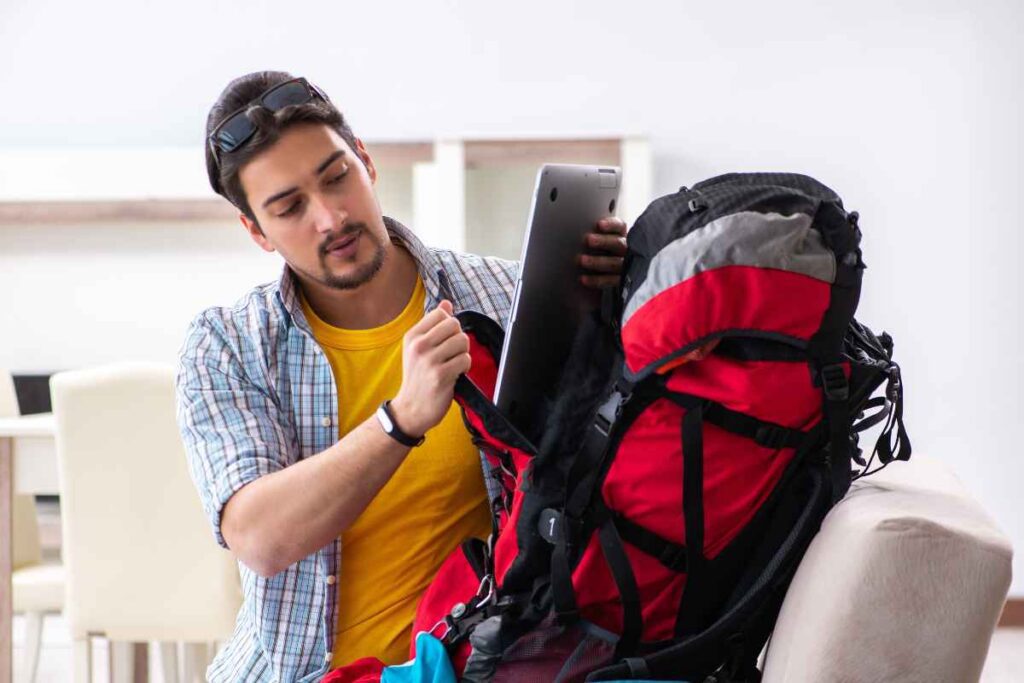
Camping offers an incredible opportunity to reconnect with nature and escape the hustle and bustle of everyday life. However, one of the biggest challenges for many campers is figuring out how to pack light without sacrificing comfort while camping.
The good news is that it’s entirely possible to minimize your gear without compromising on a good night’s sleep or the essentials that make your trip enjoyable.
In this guide, we’ll share tips and strategies to help you pack efficiently, ensuring that you have everything you need for a comfortable and lightweight camping experience.
Pack Light Without Sacrificing Comfort While Camping: Key Strategies
Achieving the perfect balance between packing light and staying comfortable can seem like a daunting task, but with a little planning and the right approach, it’s easier than you think.
Let’s explore the essential steps to ensure you pack light while still enjoying all the comforts of a great camping trip.
1. Prioritize Multi-Use Gear
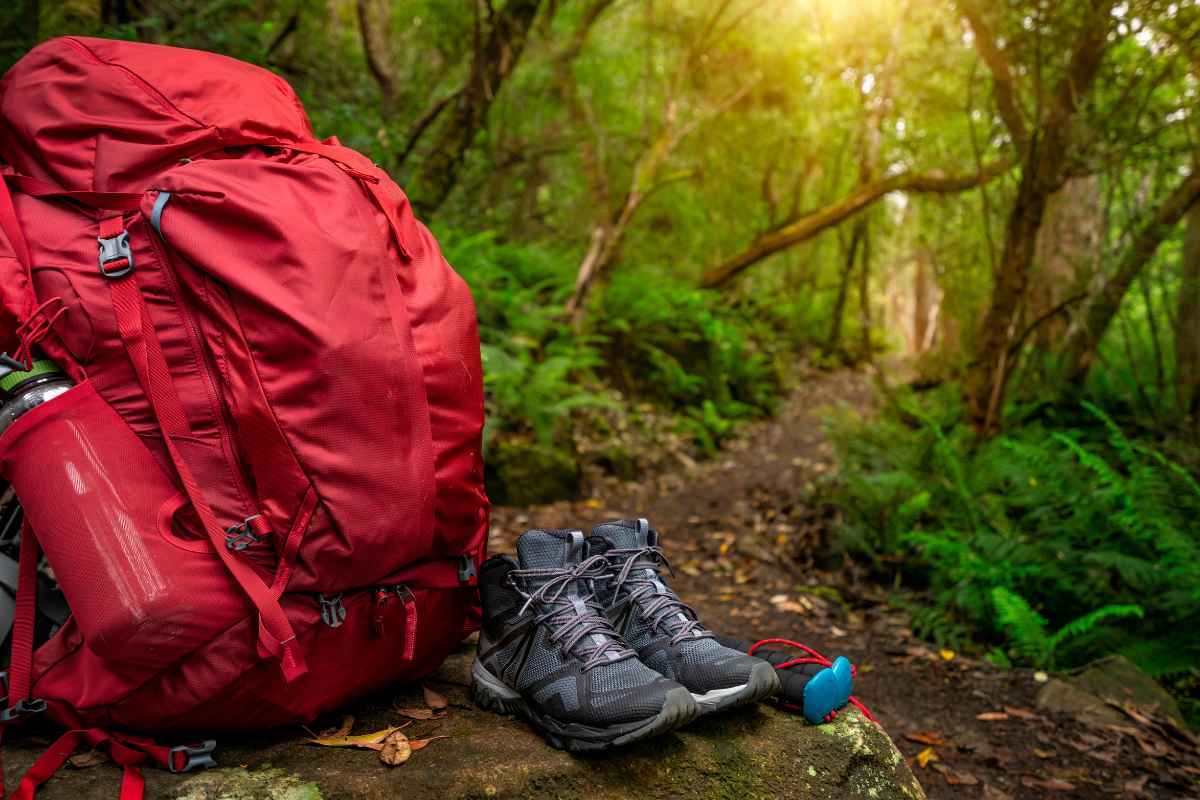
One of the most effective ways to reduce the weight of your pack is by choosing multi-use gear. Items that serve more than one purpose can significantly cut down the amount of equipment you need to bring. Here are some examples:
- Sleeping bags that double as blankets: Some modern sleeping bags can be unzipped and used as a blanket or wrap, making them versatile for both warm and cool weather.
- Convertible clothing: Pack clothing items like pants that convert into shorts, or jackets with removable linings for different weather conditions.
- Collapsible cookware: Look for compact, foldable cookware that can serve multiple purposes, such as a pot that can also be used as a bowl.
By bringing items that have multiple functions, you can save space and still be prepared for various situations without hauling extra gear.
2. Choose Lightweight Versions of Camping Essentials
Camping gear manufacturers have developed a wide range of lightweight gear designed specifically for reducing the load on your back. Look for these lighter options when packing:
- Tent: Opt for a backpacking tent that is both lightweight and easy to set up. Many tents on the market weigh as little as 2 to 3 pounds but still offer weather resistance and durability.
- Sleeping pad: A lightweight, inflatable sleeping pad is a must for comfort without the bulk. Foam pads can be lighter but take up more space, so inflatable models are often the better choice for lightweight packing.
- Cooking stove: Compact, portable stoves like canister stoves are lightweight and efficient, taking up minimal space in your pack.
Lightweight versions of essential camping gear can ensure that you don’t sacrifice comfort while also keeping your load manageable.
3. Limit Your Clothing
It’s easy to overpack when it comes to clothing, but with some strategic planning, you can pack light and still stay comfortable throughout your camping trip. Here are some tips:
- Choose moisture-wicking and quick-drying fabrics: Fabrics like merino wool or synthetic blends wick away sweat and dry quickly, reducing the need for multiple changes of clothing.
- Layering: Instead of packing bulky items, focus on layering. A lightweight base layer, a mid-layer like a fleece jacket, and a waterproof outer shell will keep you warm and dry without taking up too much space.
- Rewear your clothes: Don’t be afraid to rewear items like hiking pants or jackets. Since you’ll be spending most of your time outdoors, no one expects you to wear a fresh outfit every day.
By limiting your clothing to the essentials and choosing the right fabrics, you can keep your pack light and still be prepared for different weather conditions.
4. Pack Efficient Food Supplies
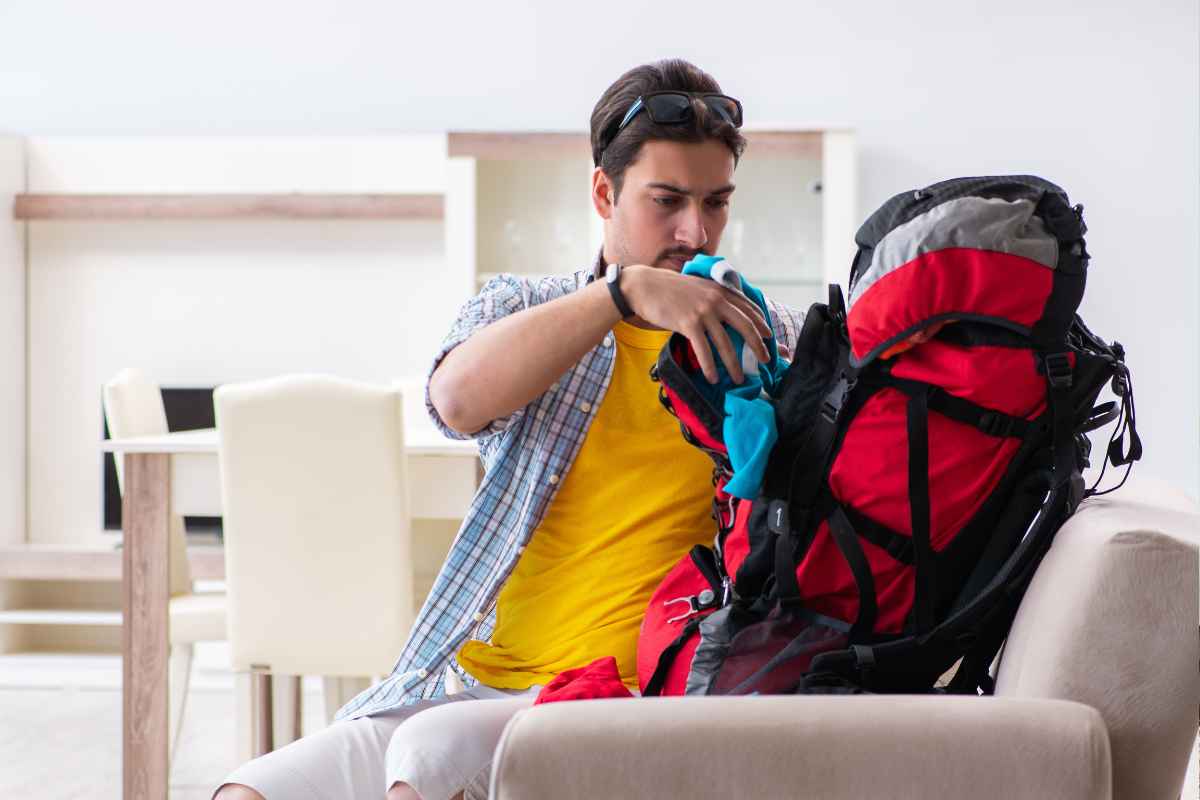
Food can take up a lot of space and weight if not planned carefully, but you can still enjoy delicious meals without carrying excessive supplies. Here’s how:
- Dehydrated meals: These are lightweight and easy to prepare with boiling water. Brands like Mountain House or Backpacker’s Pantry offer a wide range of meals that are compact and convenient.
- Snacks like nuts, dried fruits, and energy bars: These are high in calories and nutrients, making them great for fueling your body while hiking without adding too much weight to your pack.
- Plan meals in advance: Create a meal plan for each day and pack only what you need. This will prevent you from overpacking food and ensure that you have enough for your trip.
By choosing lightweight, non-perishable food items, you can pack efficiently without sacrificing the quality of your meals.
5. Use a Compact and Well-Organized Backpack
Your backpack is the cornerstone of packing light. Choose a backpacking bag that is designed to be compact and offers smart storage solutions. Here are some features to look for:
- Compression straps: These allow you to cinch down your gear and minimize bulk, making it easier to carry.
- Multiple compartments: A well-organized backpack with various compartments can help distribute the weight evenly and make it easier to access your gear quickly.
- External loops or straps: Use external loops or straps to attach items like a sleeping bag or tent to the outside of your pack, freeing up internal space.
By packing your items in an organized way and using a bag that supports efficient packing, you can reduce the weight and bulk of your gear.
6. Keep Your First-Aid Kit Simple but Complete
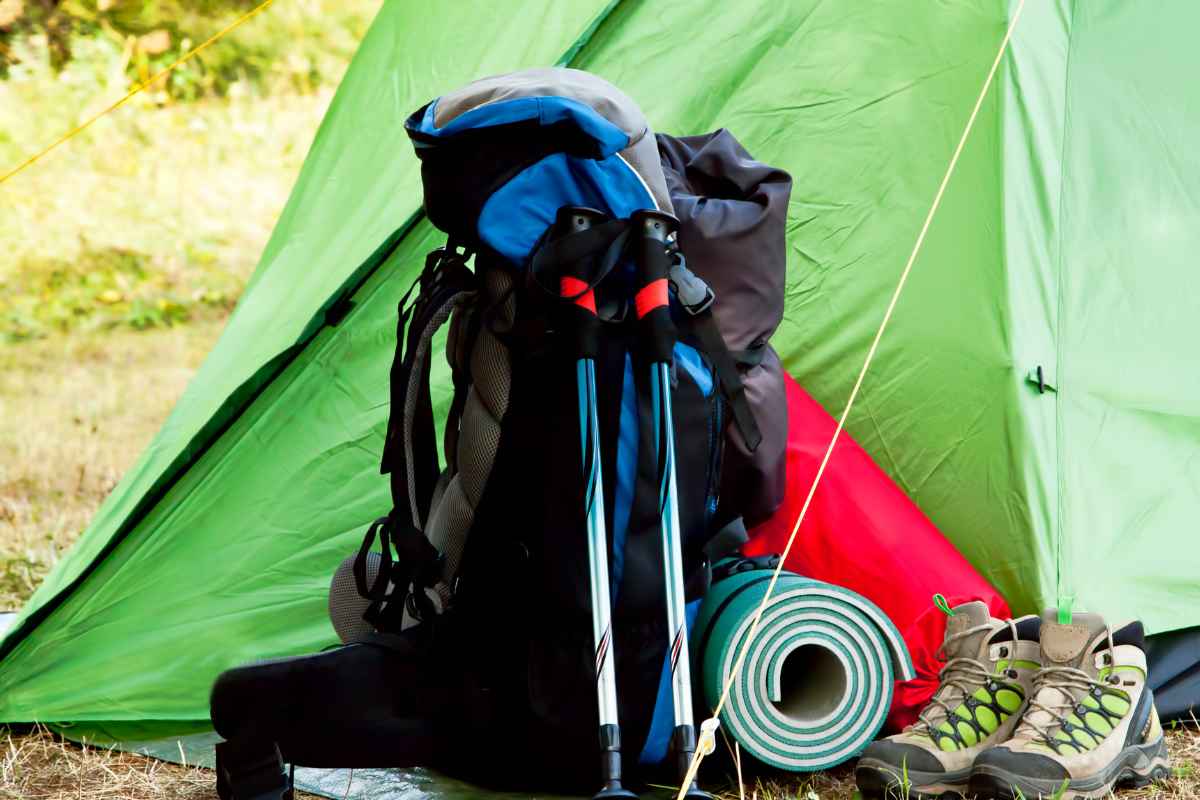
A first-aid kit is essential for any camping trip, but it doesn’t need to be overly bulky. Stick to the basics while ensuring that you have everything you need for minor injuries:
- Bandages and antiseptic wipes: These are small and lightweight but essential for treating cuts and scrapes.
- Pain relievers and anti-inflammatory medications: Pack a small supply of medications that can help with common camping ailments like headaches, muscle aches, or allergies.
- Tweezers and safety pins: These are small but useful tools for removing splinters or fixing gear on the go.
By keeping your first-aid kit compact and focusing on the essentials, you can ensure safety without adding unnecessary weight to your pack.
Additional Tips for Comfort While Packing Light
Packing light doesn’t mean you have to sacrifice comfort. Here are a few extra tips to ensure your camping trip is both light and enjoyable:
- Pack a small inflatable pillow: These weigh almost nothing and provide excellent comfort at night.
- Bring a lightweight camping chair: If sitting on the ground isn't comfortable, opt for a compact, foldable chair that doesn’t take up much space.
- Invest in compact toiletries: Many companies offer travel-sized toiletries that are perfect for camping trips, helping you stay clean without the extra weight.
With these additional items, you can enjoy added comfort while still adhering to a minimalist packing philosophy.
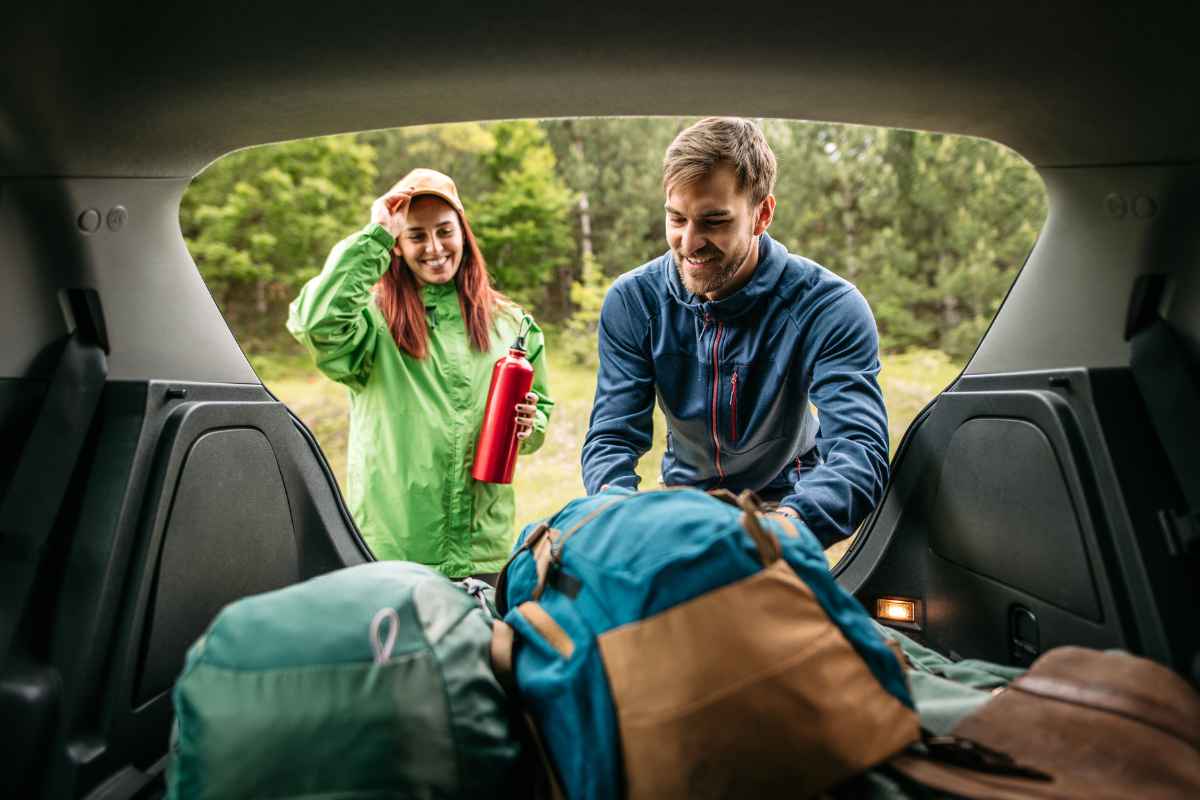
Pack Light Without Sacrificing Comfort While Camping to Enhance Your Experience
When you pack light without sacrificing comfort while camping, you create a more enjoyable and hassle-free experience. A lighter pack means less strain on your body, allowing you to explore further and for longer.
By prioritizing multi-use gear, selecting lightweight essentials, and planning your clothing, food, and organization carefully, you can have a comfortable camping trip without the burden of unnecessary items.
With a little thought and preparation, your next camping adventure can be both lightweight and luxurious—so you can focus on enjoying the beauty of the outdoors.
Did you find this post useful or inspiring? Save THIS PIN for later in your Outdoor Board on Pinterest! 😊
Explore these outdoor tips too