
How to Plan a Solo Camping Trip
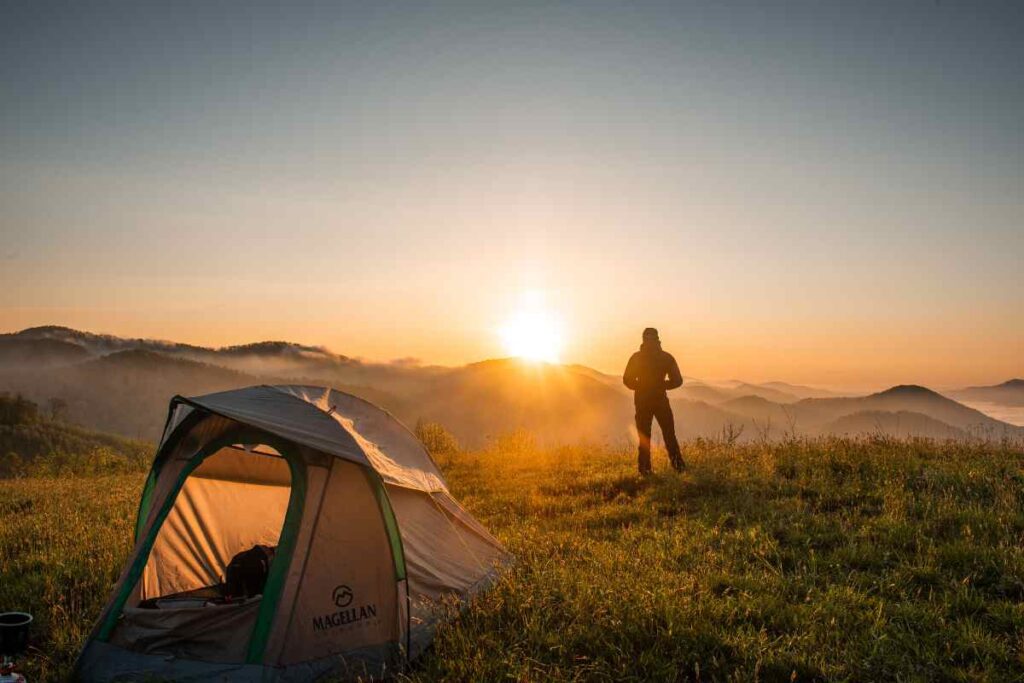
Planning a solo camping trip can be an exhilarating experience, offering a unique opportunity for solitude and self-discovery.
Whether you're a seasoned camper or a first-timer, embarking on a solo adventure requires careful preparation to ensure a safe and enjoyable experience.
In this guide, we will walk you through the essential steps to plan a successful solo camping trip.
Choosing the Right Location for Solo Camping
Selecting the perfect camping location is crucial when you're heading out alone. Consider destinations that are known for their safety and have well-maintained facilities.
National parks, state parks, and established campgrounds are excellent choices for solo campers.
These areas typically offer amenities such as clean water, restrooms, and designated campsites, which can provide a sense of security.
When choosing a location, research the terrain and weather conditions. Make sure to check if the area is prone to sudden weather changes or if it has challenging landscapes that might be difficult to navigate alone.
Opt for a location that matches your skill level and comfort zone.
Essential Gear and Equipment
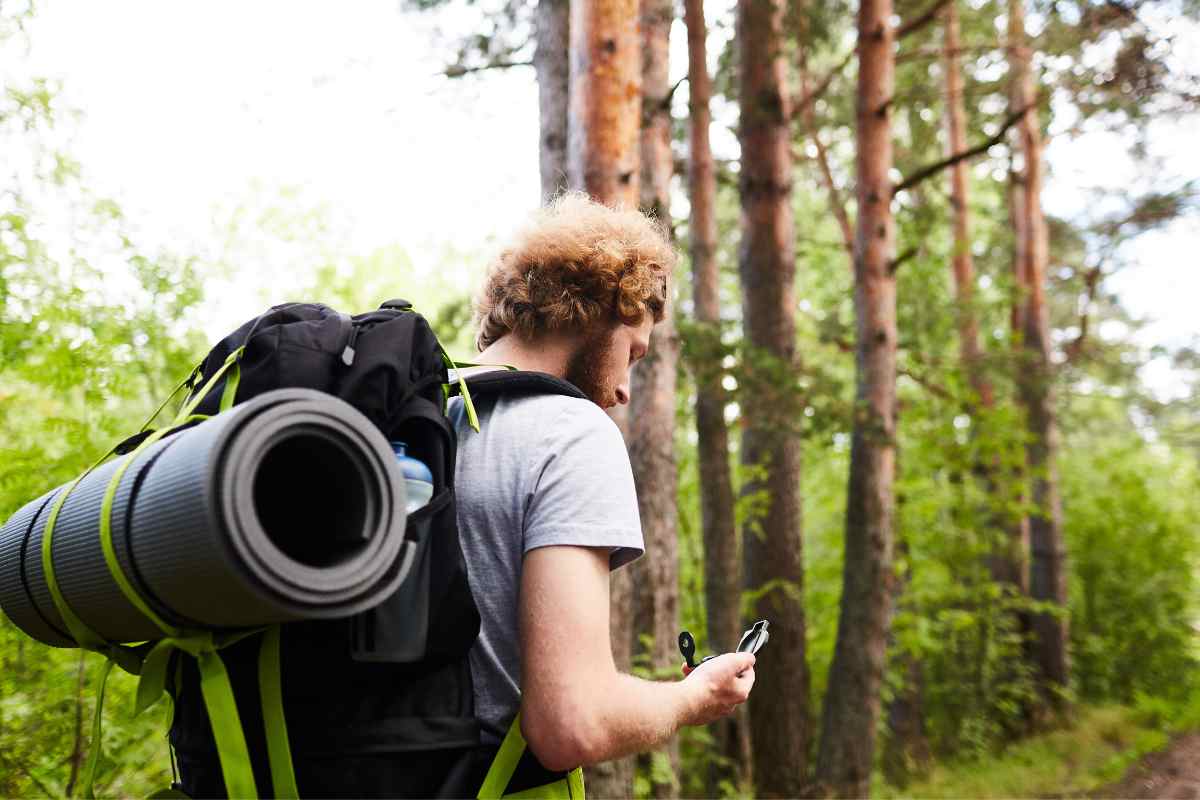
Packing the right gear and equipment is vital for a successful solo camping trip. Here's a list of must-have items:
- Tent: Choose a lightweight and easy-to-set-up tent. A one-person tent is ideal for solo camping.
- Sleeping Bag and Pad: Ensure your sleeping bag is suitable for the weather conditions, and use a sleeping pad for added comfort and insulation.
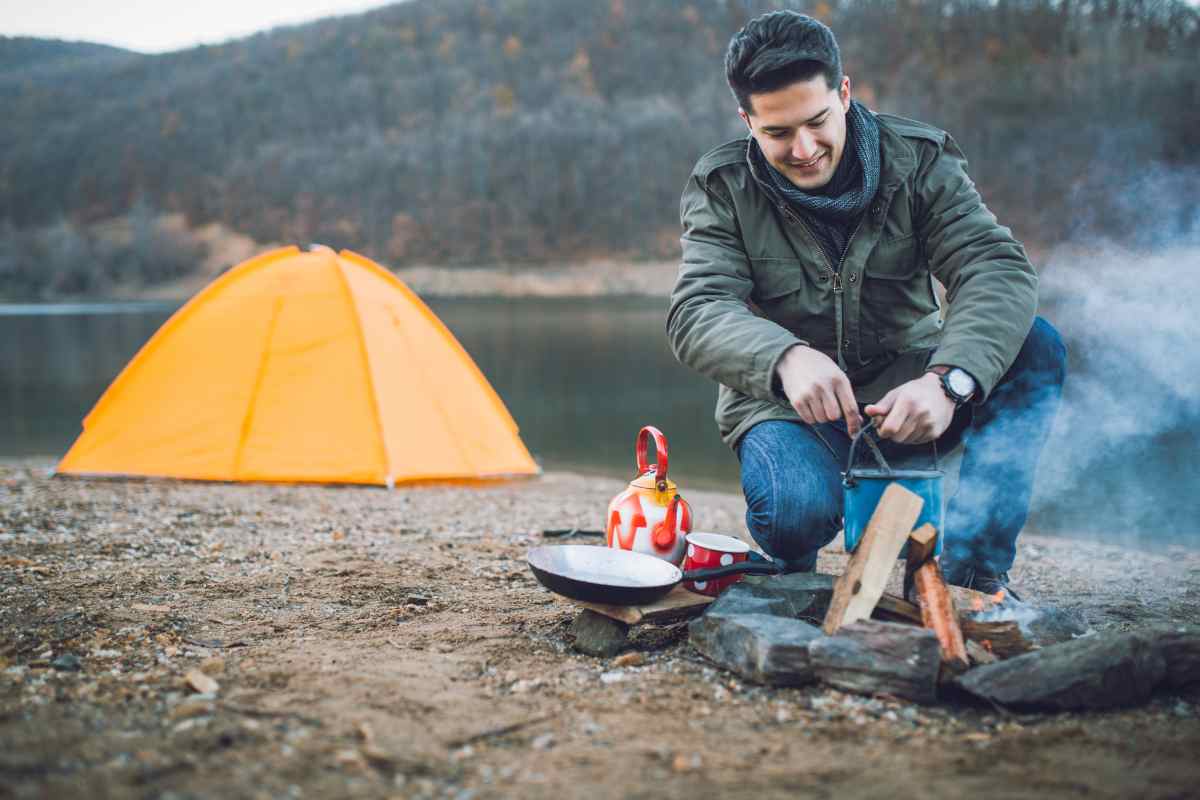
- Cooking Supplies: A portable stove, lightweight cookware, and a reliable lighter or matches are essential for preparing meals.
- Navigation Tools: A map, compass, and GPS device will help you stay on track.
- First Aid Kit: A comprehensive first aid kit is crucial for handling minor injuries and emergencies.
- Lighting: Pack a headlamp or flashlight with extra batteries.
- Clothing: Dress in layers and bring weather-appropriate clothing, including rain gear.
- Food and Water: Plan your meals and bring enough food and water for the duration of your trip.
- Safety Items: A whistle, multi-tool, and bear spray (if in bear country) are essential for safety.
Planning Your Itinerary
Having a well-thought-out itinerary can make your solo camping trip more enjoyable and stress-free. Start by determining the number of days you will be camping and create a daily schedule.
Include activities such as hiking, exploring nearby attractions, and relaxing by the campfire.
Inform someone you trust about your itinerary, including your planned route, camping location, and expected return date. Regularly check in with them, especially if you change your plans.
Solo Camping Safety Tips
Safety should be your top priority when camping alone. Here are some essential safety tips:
- Know Your Limits: Be realistic about your camping and hiking skills. Avoid taking unnecessary risks.
- Stay Aware: Keep an eye on your surroundings and be aware of any potential hazards.
- Emergency Plan: Have a plan for emergencies and know the location of the nearest medical facilities.
- Wildlife Awareness: Familiarize yourself with the wildlife in the area and learn how to store food properly to avoid attracting animals.
- Fire Safety: Follow fire safety guidelines and never leave a campfire unattended.
Preparing Meals for Solo Camping
Cooking for one can be simple and enjoyable. Plan your meals and opt for easy-to-cook recipes.
Consider freeze-dried meals, which are lightweight and require minimal preparation. Don't forget to pack snacks like nuts, dried fruit, and energy bars to keep your energy levels up.
When cooking, always follow Leave No Trace principles. Use a portable stove instead of an open fire when possible and pack out all your trash.
Navigating and Exploring
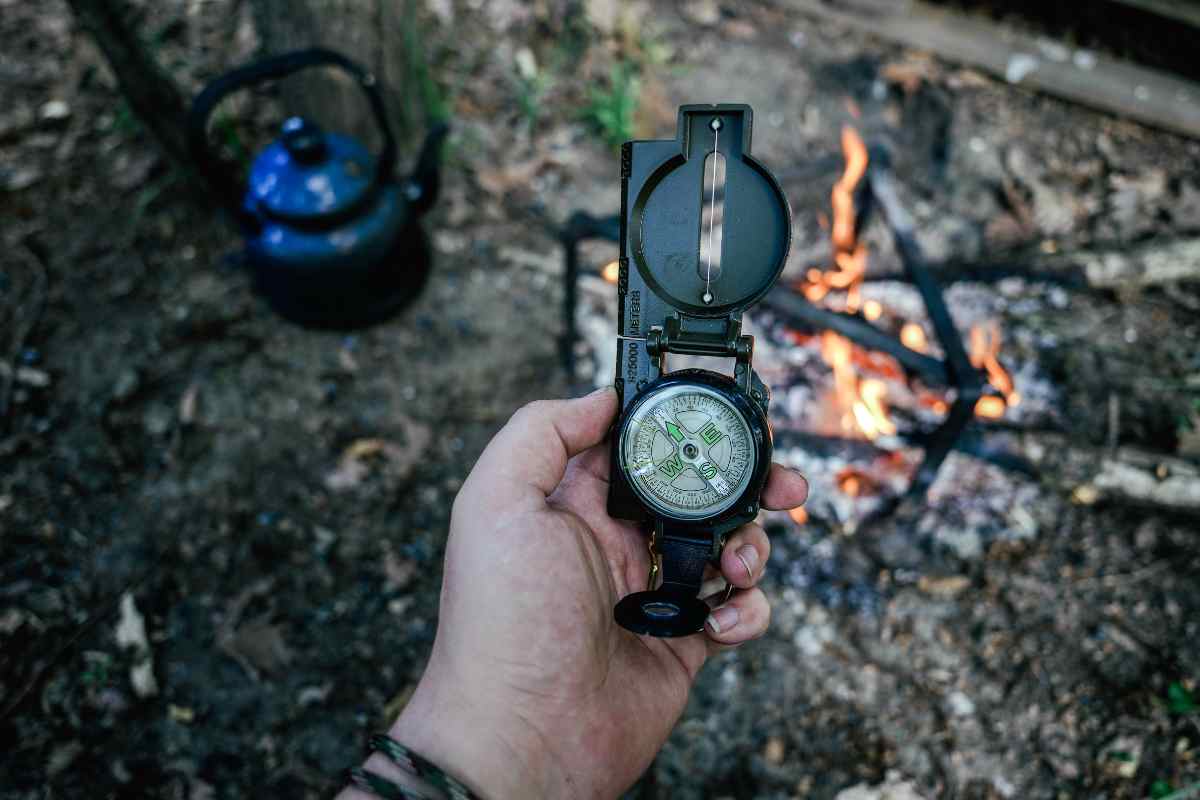
Exploring the great outdoors is one of the best parts of solo camping. However, navigating unfamiliar terrain can be challenging. Here are some tips:
- Stay on Trails: Stick to established trails to avoid getting lost.
- Use a Map and Compass: Even if you have a GPS device, knowing how to read a map and use a compass is essential.
- Mark Your Campsite: Make note of landmarks around your campsite to help you find your way back.
Dealing with Loneliness
Spending time alone in nature can be incredibly rewarding, but it can also lead to feelings of loneliness. Here are some ways to combat loneliness:
- Stay Busy: Keep yourself occupied with activities like hiking, reading, or journaling.
- Embrace Solitude: Use this time to reflect and connect with nature.
- Stay Connected: Bring a book or music for entertainment, and consider journaling your experiences.
Nighttime Considerations

Nighttime can feel different when you're camping alone. Here are some tips to stay comfortable and safe:
- Set Up Early: Set up your campsite before dark to avoid any mishaps.
- Stay Warm: Ensure you have enough layers to stay warm through the night.
- Keep a Light Handy: Always have a light source within reach.
Leave No Trace Principles
Adhering to Leave No Trace principles is essential to preserve the environment for future campers. This means packing out all trash, minimizing campfire impact, respecting wildlife, and being considerate of other visitors.
By following these principles, you help protect natural habitats and ensure that others can enjoy the beauty of the outdoors.
Handling Emergencies
Even with careful planning, emergencies can happen. Here are steps to handle them:
- Stay Calm: Keeping a clear head is crucial in an emergency.
- First Aid: Use your first aid kit to address minor injuries.
- Emergency Contacts: Know the emergency contact numbers for the area you're in.
- Signal for Help: Use a whistle or signal mirror to attract attention if needed.
Enjoying the Experience
Finally, the most important aspect of a solo camping trip is to enjoy the experience. Take in the beauty of your surroundings, savor the peace, and relish the sense of accomplishment that comes with venturing out on your own.
Planning and executing a solo camping trip can be a life-changing experience. It offers the opportunity to connect with nature, build self-reliance, and create lasting memories.
By following these tips and guidelines, you'll be well-prepared to embark on a safe and fulfilling solo adventure.
Remember, the key to a successful solo camping trip is preparation, awareness, and a positive attitude. So pack your gear, plan your itinerary, and get ready to embrace the wilderness on your terms. Happy camping!
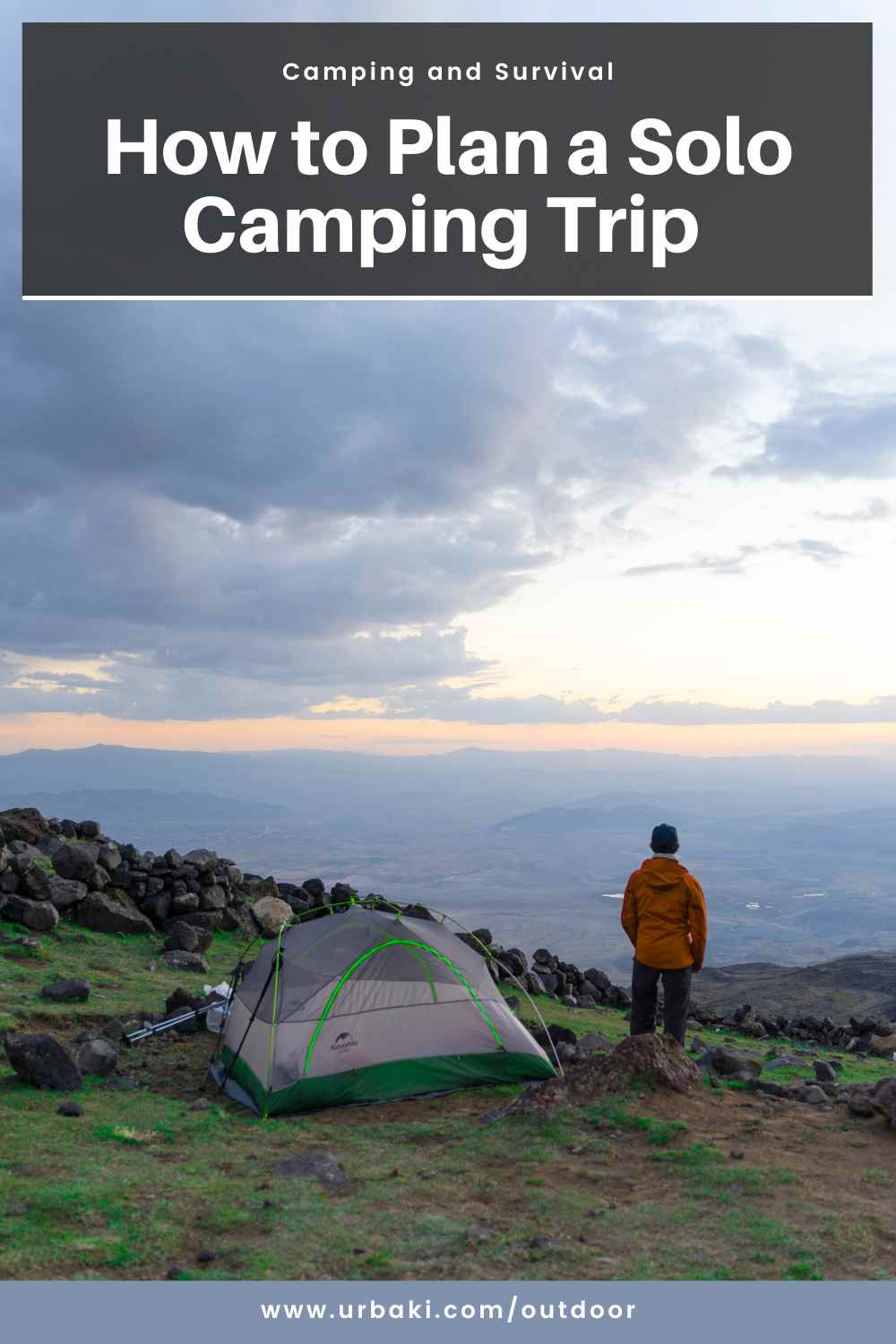
Did you find this post useful or inspiring? Save THIS PIN for later in your Outdoor Board on Pinterest! 😊
Explore these outdoor tips too