
How to Plan an Outdoor Adventure Without a Car

Planning an outdoor adventure can be an exhilarating experience, but what if you don’t have access to a car? For many, this might seem like a significant hurdle.
However, with some creativity and resourcefulness, you can still embark on an exciting outdoor adventure without needing to drive.
This guide will show you how to plan your trip, utilizing public transportation, cycling, and even walking to explore nature.
Benefits of Planning an Outdoor Adventure Without a Car
Before diving into the logistics, it’s worth noting the benefits of embarking on an outdoor adventure without a car.
Not only will you reduce your carbon footprint, but you’ll also save money on gas, parking, and car maintenance.
Additionally, relying on alternative transportation methods can make your journey more engaging and immersive, allowing you to connect with your surroundings on a deeper level.
Research Your Destination
The first step in planning your outdoor adventure without a car is to research your destination thoroughly.
Consider the following factors:
Accessibility
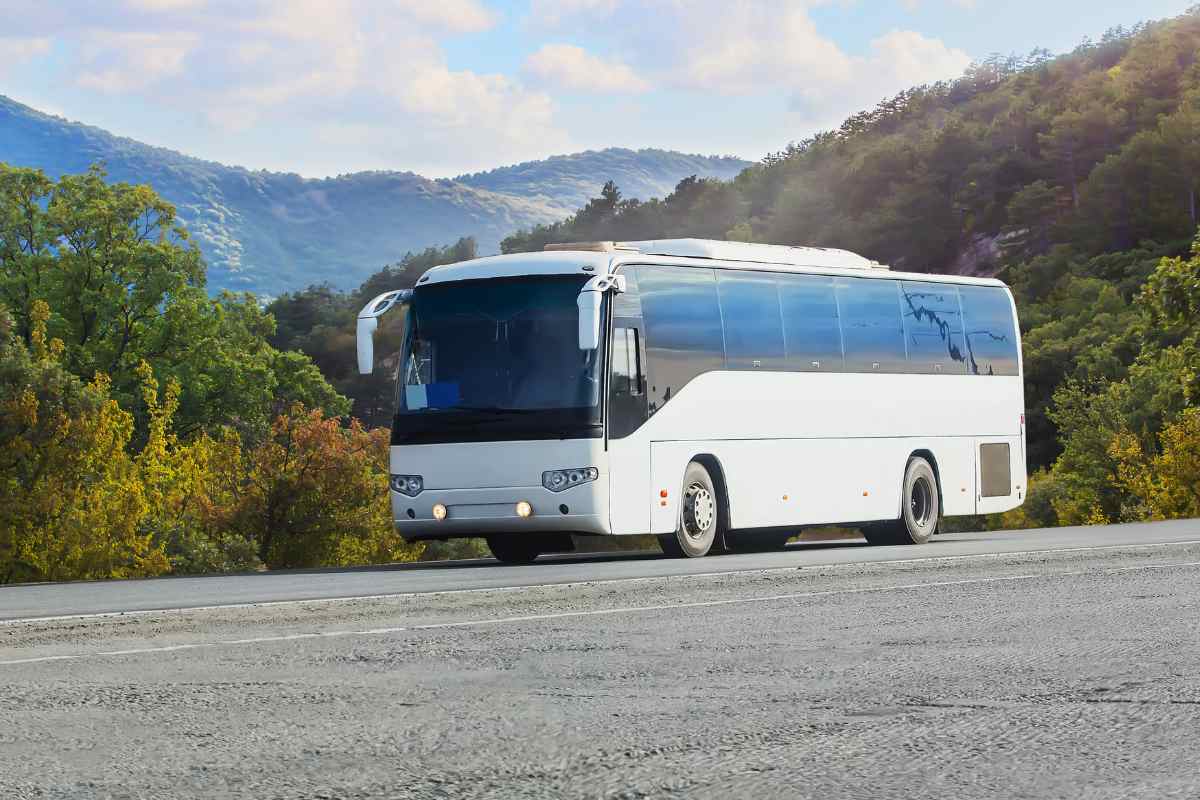
Ensure that your chosen destination is accessible by public transportation, bike, or on foot.
National parks, nature reserves, and local trails often have bus or train routes that stop nearby. Look up schedules and routes ahead of time to plan your trip efficiently.
Distance and Duration
Consider how far your destination is and how long it will take to get there.
While a three-hour bus ride might be doable, a ten-hour journey may require more planning, such as booking accommodations or finding stops along the way.
Alternative Transportation Options
Explore other transportation options, such as bike rentals or shuttle services, that can get you closer to your destination if public transit doesn’t reach all the way.
Packing Essentials for a Car-Free Adventure
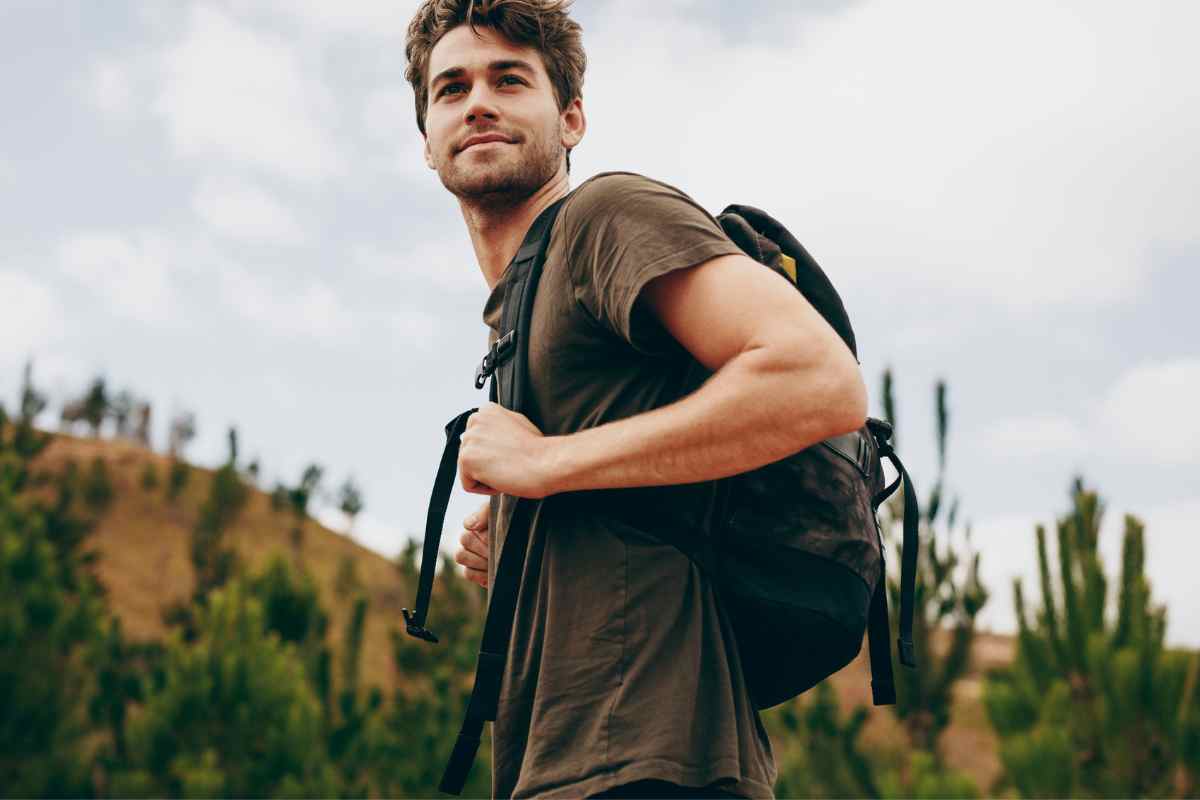
Packing for a car-free outdoor adventure requires some extra thought. Since you won’t have the luxury of a vehicle to store your gear, you’ll need to pack light and efficiently.
Lightweight Gear
Invest in lightweight gear that is easy to carry. Items like compact tents, sleeping bags, and portable stoves are essential.
Remember, the less you carry, the easier it will be to navigate without a car.
Multi-Purpose Items
Pack multi-purpose items to save space. For example, a sarong can serve as a towel, blanket, or even a makeshift tent cover.
Convertible clothing that can be worn in various weather conditions is also a great choice.
Sustainable Supplies
Since you’re aiming to minimize your environmental impact, consider packing sustainable supplies.
Reusable water bottles, eco-friendly toiletries, and biodegradable soap are excellent choices for your trip.
Mapping Out Your Route
Once you’ve selected your destination and packed your gear, it’s time to map out your route.
This step is crucial to ensure you reach your destination efficiently and safely.
Public Transportation
If you’re relying on public transportation, create a detailed itinerary with all the necessary bus or train schedules.
Keep in mind that public transport may not always run on time, so plan for buffer time.
Cycling
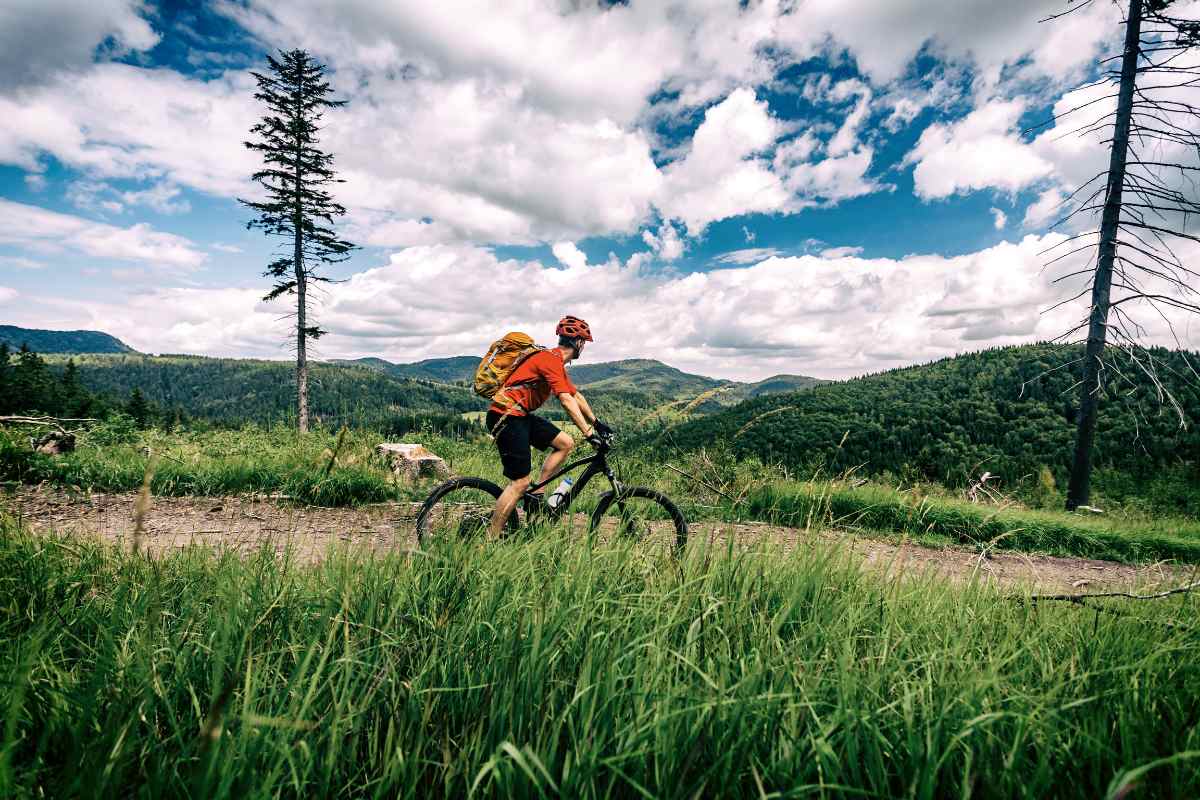
For those planning to cycle to their destination, map out the most scenic and bike-friendly routes.
Apps like Google Maps or Komoot can help you find the best cycling paths.
Don’t forget to check the elevation and terrain to avoid challenging routes that might be difficult to navigate with heavy gear.
Walking and Hiking
If your outdoor adventure involves significant amounts of walking or hiking, ensure you have a detailed map or GPS device.
Plan your rest stops and know where you can find water sources along the way. Remember, the journey is just as important as the destination.
Accommodation Options

Without a car, you’ll need to think creatively about accommodation options. Consider the following:
Camping
If you’re planning to camp, research campsites that are accessible by public transportation or bike.
Some campsites offer shuttle services from nearby bus or train stations. Make sure to book your spot in advance, especially during peak seasons.
Hostels and B&Bs
Hostels and Bed & Breakfasts are often located in or near popular outdoor destinations.
Many of these establishments cater to travelers without cars and can offer valuable local advice on nearby trails and activities.
Staying with Locals
Consider using platforms like Couchsurfing or Airbnb to stay with locals who might be able to provide insider tips on the best places to explore without a car.
Exploring Once You Arrive
After arriving at your destination, you’ll want to maximize your outdoor adventure experience. Here’s how to explore without a car:
Hiking
Many outdoor destinations offer extensive hiking trails that can be accessed directly from your accommodation or public transportation drop-off points.
Hiking is one of the best ways to immerse yourself in nature without needing any transportation.
Biking
Rent a bike if you didn’t bring your own. Many national parks and nature reserves offer bike rentals, allowing you to cover more ground in less time.
Cycling also lets you access areas that might be too far to walk to but not reachable by public transport.
Public Transit and Shuttles
Some outdoor destinations have internal shuttle services or public transit that can take you to different trailheads, viewpoints, or activity centers.
Utilize these services to explore different areas without the need for a car.
Safety Considerations
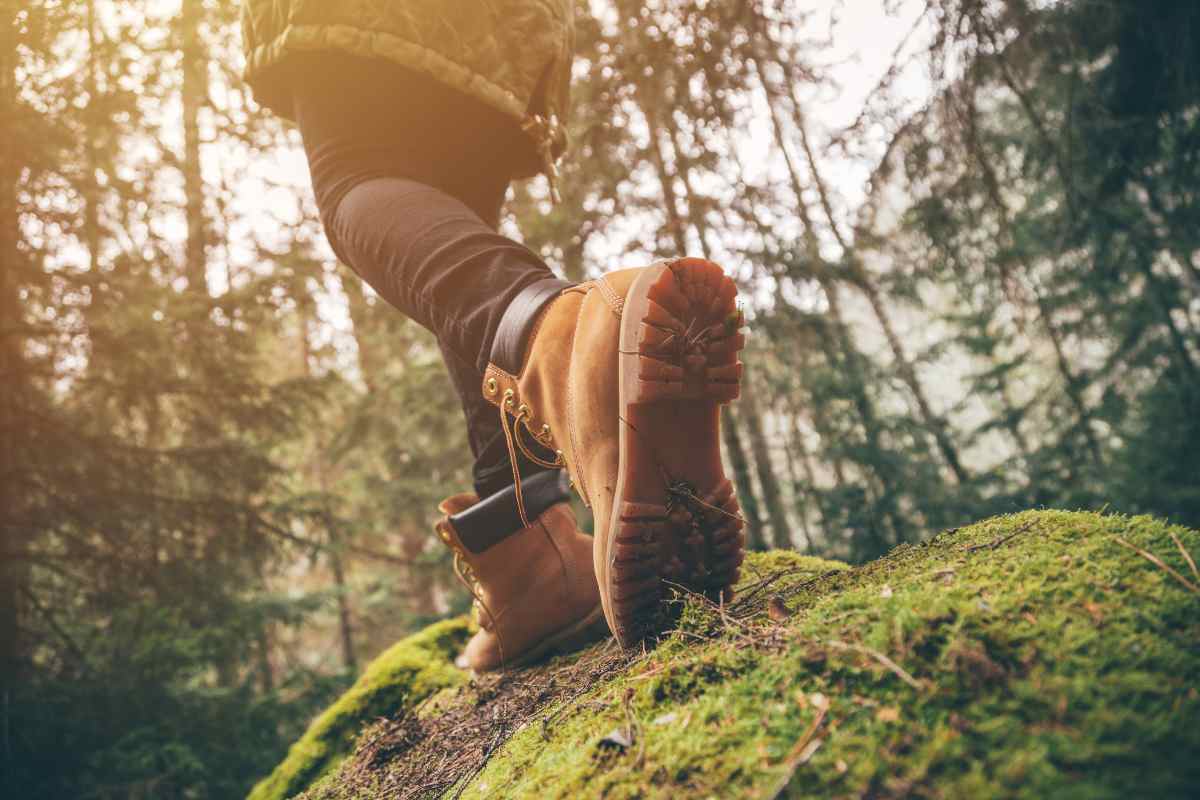
Safety should always be a top priority when planning any outdoor adventure, especially when you’re without a car.
Emergency Plan
Have a plan in case of an emergency. Know the location of the nearest hospital, ranger station, or emergency services.
Carry a fully charged phone, a portable charger, and a first-aid kit.
Weather Awareness
Check the weather forecast regularly, and be prepared for sudden changes.
Pack weather-appropriate clothing and know your limits. If the weather turns severe, it’s better to postpone your adventure than risk getting stranded.
Staying Connected
Ensure you have a way to stay connected with the outside world.
Whether through a GPS device, a mobile phone, or even a satellite communicator, staying connected is crucial for your safety.
Enjoying the Journey
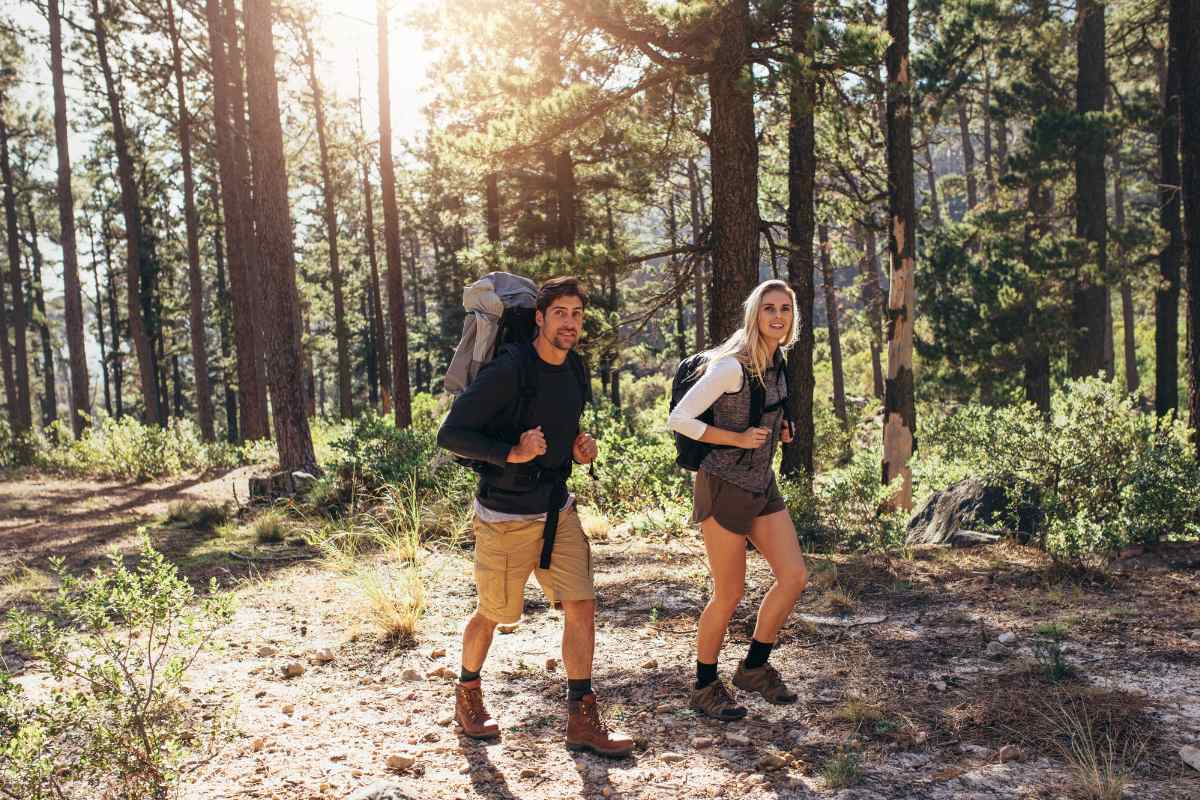
Lastly, remember that the essence of an outdoor adventure lies in the journey itself.
Without the convenience of a car, you’ll have the opportunity to slow down, connect more deeply with nature, and discover hidden gems that might otherwise be overlooked.
Take It Slow
Without a car, you might not cover as much ground, but that’s okay.
Slow travel allows you to savor every moment, take in the scenery, and engage more deeply with the environment around you.
Connect with Others
You might find yourself meeting fellow travelers along the way. Whether it’s on a bus, at a campsite, or on a trail, take the time to connect with others who share your love for the outdoors.
These connections can enrich your experience and provide valuable insights or tips.
Embrace the Unexpected
Finally, be open to the unexpected. Sometimes, the best adventures happen when things don’t go exactly as planned.
Whether it’s a missed bus or a detour on a hike, embrace these moments as part of your journey.
Conclusion
Planning an outdoor adventure without a car may require more effort and creativity, but the rewards are well worth it.
By carefully researching your destination, packing efficiently, and mapping out your route, you can enjoy a fulfilling and environmentally friendly adventure.
So, don’t let the lack of a car hold you back—get out there and explore the great outdoors in a way that’s both exciting and sustainable!
Did you find this post useful or inspiring? Save THIS PIN for later in your Outdoor Board on Pinterest! 😊

Explore these outdoor tips too