
How to Practice Yoga on a Paddleboard
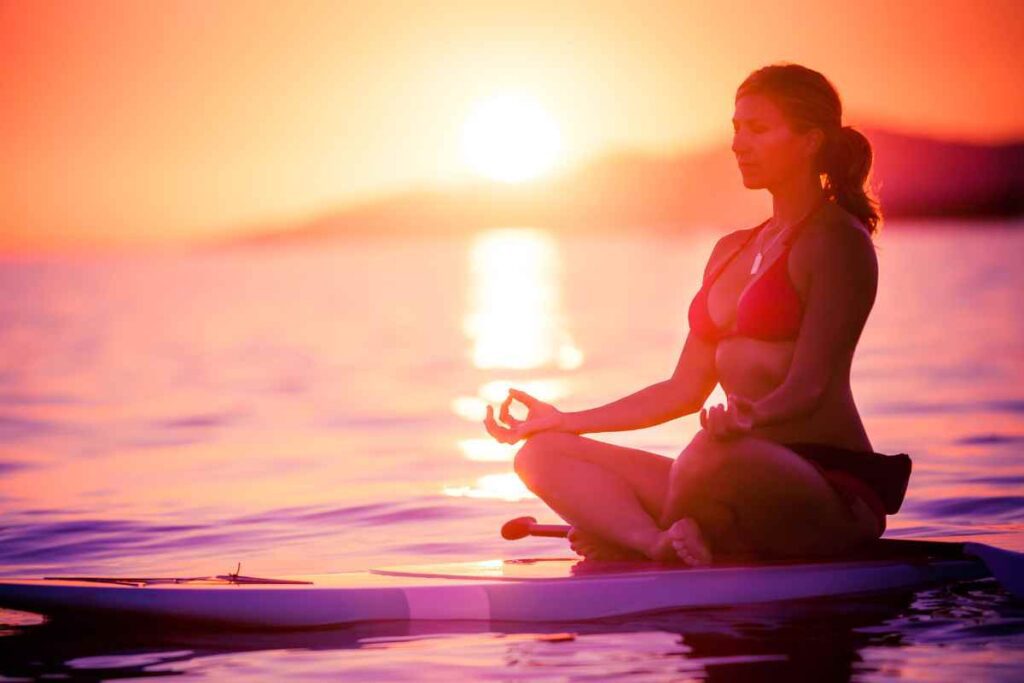
Paddleboard yoga, often referred to as SUP (Stand Up Paddleboard) yoga, is a unique and invigorating way to blend the serenity of yoga with the thrill of being on the water.
This fusion offers not only a fantastic workout but also an opportunity to connect with nature in a tranquil setting.
Might seem daunting at first, but with the right approach, it can become a deeply rewarding experience.
Whether you're a seasoned yogi or a beginner looking to challenge yourself, this guide will help you understand how to practice yoga on a paddleboard and enjoy every moment of it.
A Unique Experience
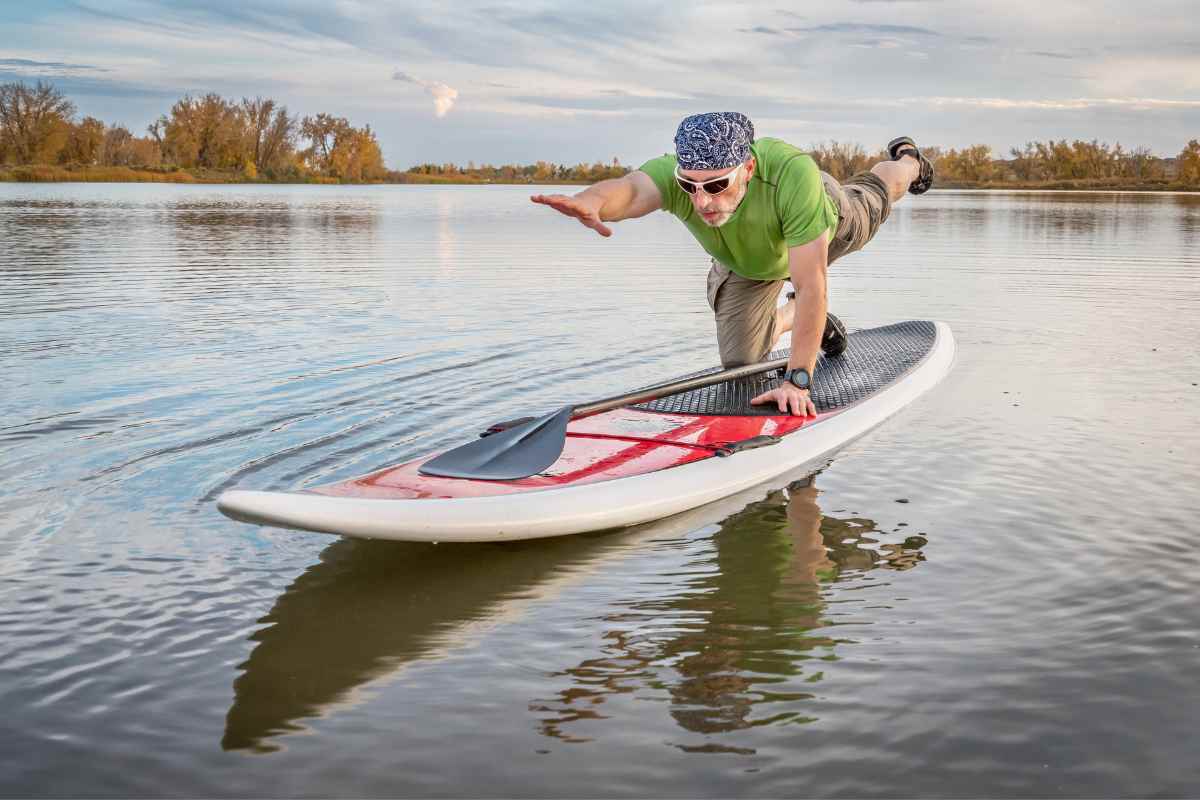
Practicing yoga on a paddleboard is unlike any other yoga experience. The constantly shifting surface of the water requires you to engage your core muscles more than you would on a stable mat.
This engagement helps to build strength, improve balance, and increase mindfulness as you need to focus intently on each movement.
The gentle rocking of the water adds a calming effect, enhancing the meditative aspects of yoga.
Before you start, it’s essential to understand that SUP yoga requires a different approach compared to traditional yoga on land.
You'll need to be more aware of your body alignment, breath control, and the environment around you. However, with practice, you'll find that perfect blend of challenge and relaxation.
Choosing the Right Paddleboard
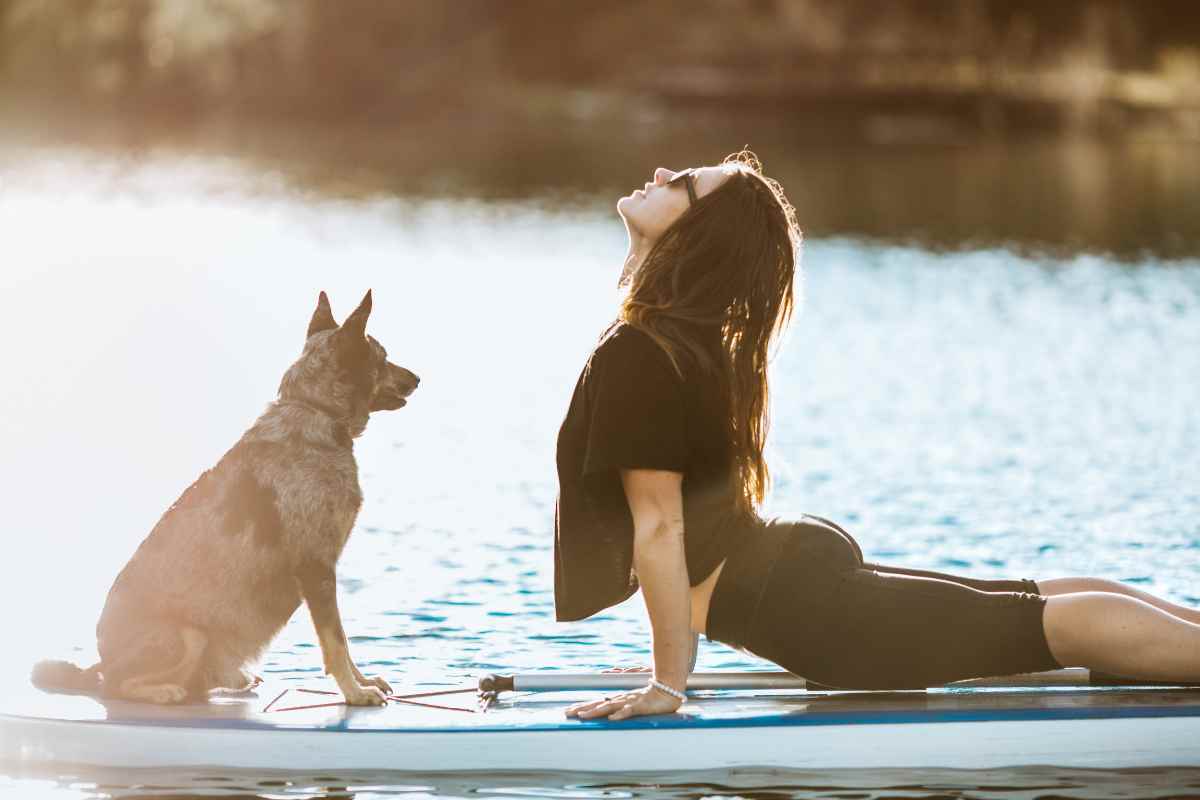
Selecting the right paddleboard is crucial for a successful yoga practice on the water. When choosing a paddleboard for yoga, look for the following features:
- Stability: A wide and thick paddleboard is ideal for yoga as it offers better stability. Most yoga-specific paddleboards are around 32 inches wide and 5 inches thick. The added stability allows you to focus on your poses without worrying too much about balance.
- Non-Slip Surface: The paddleboard should have a non-slip deck pad that provides grip, even when wet. This is essential for maintaining poses and preventing slips during your practice.
- Length and Volume: A longer board (about 10-12 feet) with ample volume will help keep you afloat and stable, especially during transitions between poses.
- Portability: If you plan on traveling with your paddleboard, consider an inflatable option. These are easy to transport and store while still providing excellent stability for yoga.
Preparing
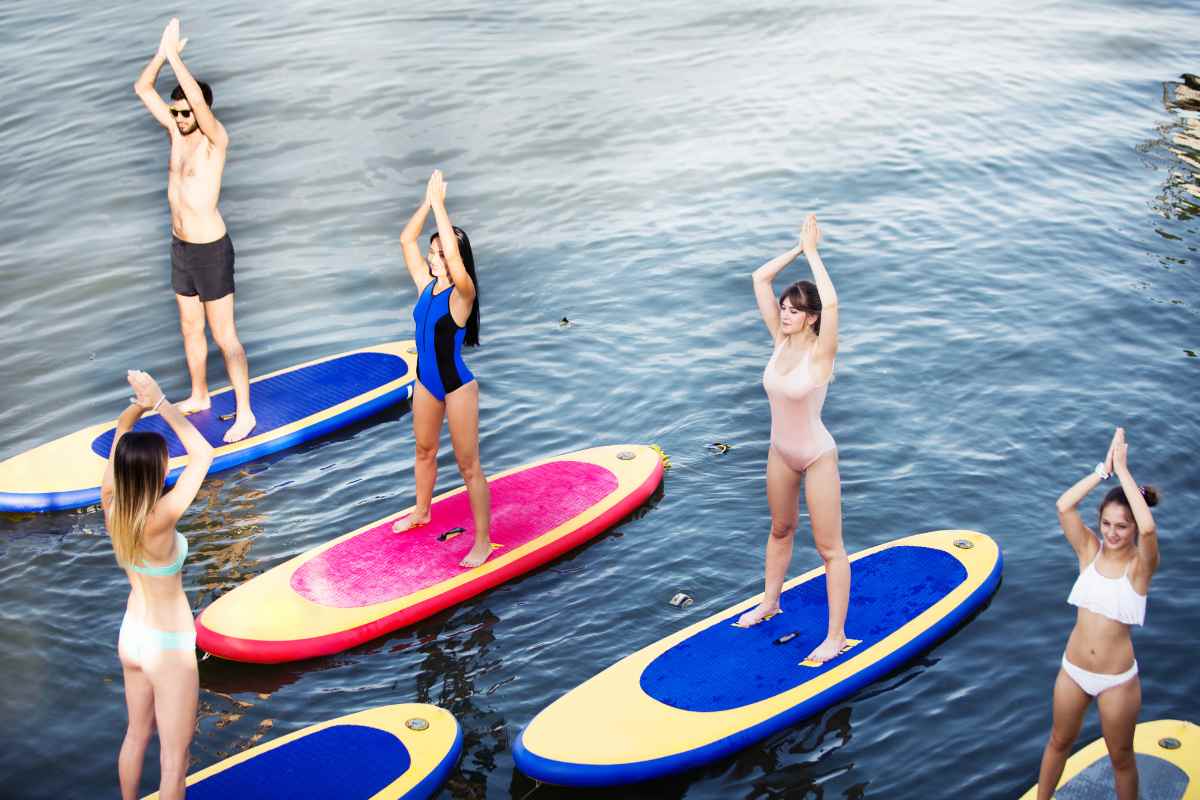
Preparation is key when it comes to paddleboard yoga. Here are some tips to ensure you're ready for your session:
- Practice on Land First: If you're new to yoga or paddleboarding, it’s helpful to practice your poses on land before taking them to the water. This will help you understand the mechanics of each pose and build the necessary strength and balance.
- Check the Weather and Water Conditions: Calm, flat water is ideal for paddleboard yoga. Check the weather forecast and water conditions before heading out. Windy or choppy conditions can make it challenging to maintain balance.
- Wear Appropriate Clothing: Opt for comfortable, moisture-wicking clothing that allows you to move freely. A swimsuit or quick-drying yoga attire is ideal. Remember that you may get wet, so dress accordingly.
- Bring the Essentials: Aside from your paddleboard, bring a paddle, leash, sunscreen, and water. It's also a good idea to have a waterproof bag for your belongings.
- Anchor Your Board: Using an anchor can help keep your board stable and in place, preventing you from drifting away during your practice.
Basic Paddleboard Yoga Poses
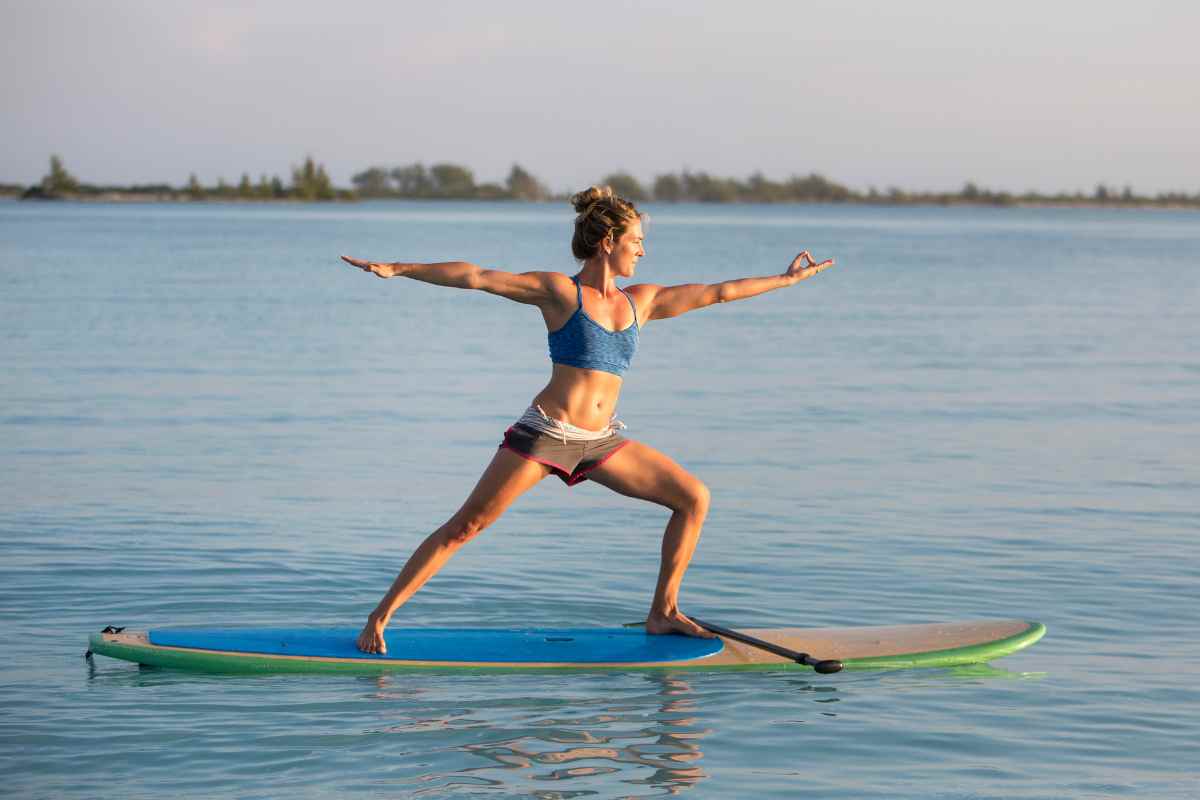
Starting with basic poses will help you get comfortable with paddleboard yoga. Here are a few beginner-friendly poses to try:
- Child's Pose (Balasana): Begin in a kneeling position, then sit back on your heels and extend your arms forward on the board. This pose is a great way to ground yourself and connect with your breath.
- Downward-Facing Dog (Adho Mukha Svanasana): From the child's pose, lift your hips and straighten your legs, forming an inverted V-shape. This pose helps stretch the entire body and build strength in the arms and legs.
- Cat-Cow Pose (Marjaryasana-Bitilasana): Transition to your hands and knees, then alternate between arching your back and rounding it. This flow helps improve spinal flexibility and warms up the body.
- Warrior II (Virabhadrasana II): Step one foot forward into a lunge position, with the back foot turned out slightly. Extend your arms out to the sides and hold the pose, focusing on your balance. Warrior II is excellent for building strength and stability.
- Tree Pose (Vrksasana): Start by standing tall on the board, then lift one foot to rest against the opposite inner thigh or calf. Find a focal point to help with balance and bring your hands to your heart or overhead.
- Seated Forward Bend (Paschimottanasana): Sit on your board with your legs extended in front of you. Reach forward towards your feet, keeping your spine long. This pose provides a deep stretch for the hamstrings and lower back.
Advanced

Once you’re comfortable with the basics, you can move on to more advanced paddleboard yoga poses.
These require greater strength, balance, and concentration:
- Crow Pose (Bakasana): Begin in a squat position with your hands on the board. Lean forward, shifting your weight onto your hands, and try to lift your feet off the board. This arm balance challenges your core and arm strength.
- Headstand (Sirsasana): Only attempt this pose if you're confident in your balance. Start in a kneeling position, place your forearms on the board, and interlace your fingers. Rest the crown of your head on the board and slowly lift your legs into the air.
- Wheel Pose (Urdhva Dhanurasana): Lie on your back with your knees bent and feet flat on the board. Place your hands under your shoulders and press into your hands and feet to lift your body into an arch. This backbend requires flexibility and strength.
- King Pigeon Pose (Eka Pada Rajakapotasana): From a low lunge position, slide one leg back and bend the back knee. Reach back with your hand to grasp your foot, opening your chest. This pose is excellent for deepening your hip flexibility and chest opening.
Breathing and Mindfulness
Breathing and mindfulness are essential components. The gentle rocking of the water can enhance your breath awareness and help you stay present in the moment.
Here’s how to incorporate these elements into your practice:
- Focus on Your Breath: Maintain a steady and calm breath throughout your practice. The natural movement of the water can help you synchronize your breath with your movements, creating a flow that feels effortless.
- Embrace the Imperfection: can be challenging, especially when you first start. Embrace the wobbles and occasional falls as part of the learning process. Every time you fall, you have the opportunity to get back up and try again.
- Connect with Nature: One of the most beautiful aspects of paddleboard yoga is the connection to nature. Take a moment to appreciate the sounds of the water, the feel of the breeze, and the warmth of the sun. Let these elements enhance your practice.
Tips for a Safe
Safety is paramount when practicing yoga on a paddleboard. Here are some tips to ensure your practice is both safe and enjoyable:
- Practice in Shallow Water: If you’re new, start in shallow water where you can easily stand if you fall. This will help build your confidence and reduce the fear of falling.
- Use a Leash: Always use a leash to attach yourself to your paddle board. This ensures that your board stays close by if you fall into the water.
- Start Slowly: Don’t rush into advanced poses. Take your time to build your strength, balance, and confidence on the board. Gradually progress to more challenging poses as you become more comfortable.
- Listen to Your Body: Pay attention to how your body feels during your practice. If a pose feels too challenging or uncomfortable, modify it or skip it altogether. The goal is to enjoy the practice and stay safe.
- Stay Hydrated: Being on the water, especially under the sun, can be dehydrating. Bring plenty of water and take breaks as needed to stay hydrated.
Conclusion
Is a unique and rewarding way to practice yoga while connecting with nature. It offers a full-body workout that challenges your balance, strength, and mindfulness.
By choosing the right paddleboard, preparing adequately, and starting with basic poses, you can enjoy a safe and fulfilling yoga practice on a paddleboard.
Remember to focus on your breath, embrace the imperfections, and appreciate the beauty of the natural surroundings. With patience and practice, paddleboard yoga can become a cherished part of your fitness and wellness routine.
Did you find this post useful or inspiring? Save THIS PIN for later in your Outdoor Board on Pinterest! 😊


Explore these outdoor tips too