
How to Prepare for Unexpected Weather Changes During Your Camping Trip

Camping is a wonderful way to connect with nature and escape the hustle and bustle of daily life. However, the outdoors can be unpredictable, and the weather can change quickly.
Knowing how to prepare for unexpected weather changes during your camping trip is crucial to ensure your safety and enjoyment.
Whether you’re a seasoned camper or a beginner, understanding how to handle sudden weather changes can make all the difference between a great adventure and a challenging experience.
This article will guide you through essential tips and strategies to help you prepare for and adapt to unexpected weather changes while camping.

Prepare for Unexpected Weather Changes During Your Camping Trip: Essential Tips
When planning a camping trip, being prepared for all types of weather conditions is essential. Here are some key steps to help you prepare for unexpected weather changes during your camping trip:
1. Check the Weather Forecast Before You Go
Before heading out on your camping trip, it's important to check the weather forecast for the area you'll be visiting. While forecasts are not always 100% accurate, they provide a good indication of what to expect.
Look for extended forecasts and be aware of potential weather fronts or storms. Keep in mind that weather can change rapidly, especially in mountainous regions, so it's vital to be prepared for various conditions even if the forecast looks clear.
2. Pack Versatile Clothing and Gear
One of the best ways to prepare for unexpected weather changes is to pack versatile clothing that can be layered. Layering is essential because it allows you to adjust your clothing to stay comfortable as the weather changes.
Pack a mix of moisture-wicking base layers, insulating mid-layers, and waterproof outer layers. This setup will help you stay warm, dry, and comfortable, no matter the weather. Additionally, don’t forget essentials like a rain jacket, hat, gloves, and extra socks.
3. Choose the Right Camping Gear
Having the right camping gear is crucial for dealing with unexpected weather changes. Invest in a high-quality, four-season tent that can withstand heavy rain and strong winds. Make sure your tent has a sturdy rainfly and is well-ventilated to prevent condensation.
A good sleeping bag rated for the lowest temperatures you might encounter is also essential. Don’t forget a sleeping pad for insulation from the cold ground and an extra tarp that can be used as a ground cover or additional shelter.
4. Set Up Camp Strategically
The location and setup of your campsite can significantly impact how well you handle sudden weather changes. When choosing a campsite, look for an area that is elevated and not prone to flooding.
Avoid setting up camp near rivers or streams, which can rise quickly during heavy rain. Position your tent away from tall trees or branches that could fall during strong winds. Stake your tent securely and use guy lines to provide additional stability.
5. Stay Informed and Have a Backup Plan
Once at your campsite, stay informed about the weather conditions. Bring a battery-operated or hand-crank weather radio to receive weather updates.
If you have a smartphone, you can use weather apps, but remember that signal can be unreliable in remote areas.
Always have a backup plan in case of severe weather. Know the closest shelter or safe area and have an evacuation route in mind if you need to leave the campsite quickly.
How to Handle Sudden Weather Changes During Your Camping Trip
Even with the best preparation, you may still encounter sudden weather changes during your camping trip. Here are some strategies to handle these situations effectively:
1. Dealing with Rain and Thunderstorms
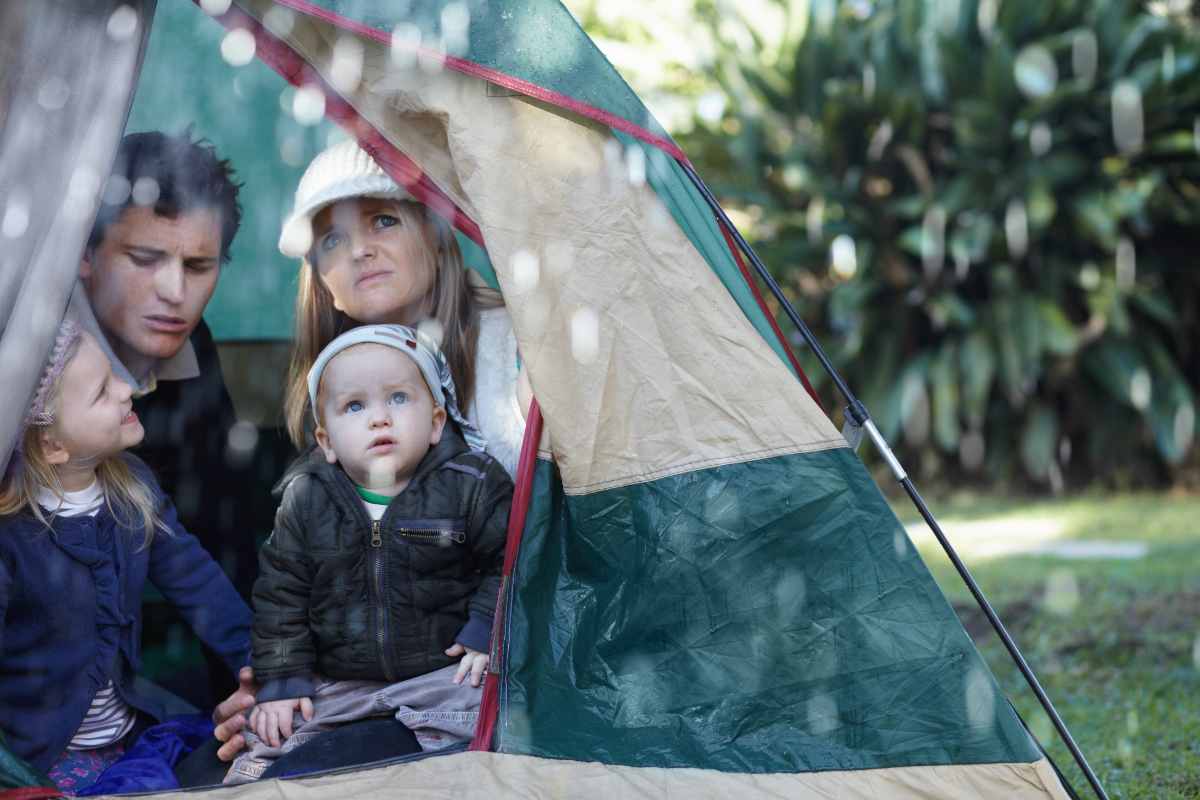
Rain and thunderstorms are common unexpected weather changes that campers face. If you see dark clouds forming or hear thunder, take immediate action.
Ensure all your gear is stored in waterproof bags or containers and move to a sheltered area away from tall trees or isolated structures, which are more likely to be struck by lightning.
If lightning is nearby, crouch down on the balls of your feet to minimize your contact with the ground. Avoid using electronic devices and metal objects until the storm passes.
2. Managing Cold Weather and Hypothermia Risk
Unexpected drops in temperature can pose a serious risk, especially if you're not prepared. Layer up immediately if you start feeling cold and add more insulation to your clothing.
Keep moving to maintain body heat but avoid overexertion, which can lead to sweating and increased heat loss. Stay dry by changing out of wet clothes as soon as possible.
Hypothermia can set in quickly, so it's crucial to recognize the signs early, such as uncontrollable shivering, confusion, and slurred speech. If someone shows symptoms of hypothermia, warm them gradually with blankets and warm drinks, and seek medical help if possible.
3. Preparing for Heat and Sun Exposure
Hot weather can be just as challenging as cold, especially if you're not accustomed to it. Stay hydrated by drinking plenty of water and take breaks in the shade to avoid overheating. Wear a hat, sunglasses, and sunscreen to protect yourself from sunburn.
Be aware of the signs of heat exhaustion, such as dizziness, nausea, and rapid heartbeat. If you or someone in your group experiences these symptoms, move to a cooler place, hydrate, and rest until symptoms subside.
4. Coping with Wind and Dust Storms
Strong winds can be more than just an inconvenience; they can pose a serious threat to your safety and your gear. Secure all loose items around your campsite and ensure your tent is properly staked down with all guy lines in use.
Protect your eyes and face with a bandana or scarf if you encounter a dust storm. If the wind becomes too strong, consider taking shelter in your vehicle or another sturdy structure until it subsides.
5. Responding to Unpredictable Situations
Sometimes, weather changes can lead to unpredictable situations, such as falling trees, flash floods, or extreme temperature changes. It's essential to remain calm and assess the situation quickly.
Follow your emergency plan, and prioritize safety over the convenience of staying in your original campsite. In the case of a flash flood, move to higher ground immediately. If a tree falls near your campsite, check for injuries and move to a safer location.

Safety Tips for Unexpected Weather Conditions
Here are some additional safety tips to help you prepare for and handle unexpected weather changes during your camping trip:
1. Always Carry Emergency Supplies
Having a well-stocked emergency kit can be a lifesaver in unpredictable weather conditions.
Your kit should include a first aid kit, fire starters, extra food and water, a multi-tool, a whistle, and an emergency blanket. These items can help you stay warm, nourished, and safe if the weather takes a turn for the worse.
2. Know the Signs of Severe Weather
Understanding the signs of approaching severe weather can give you valuable time to prepare or evacuate.
Learn to recognize cloud formations that indicate storms, such as cumulonimbus clouds, and be aware of sudden drops in temperature or changes in wind patterns. Listening for distant thunder or noticing increasing wind speeds can also be early signs of a storm.
3. Practice Setting Up Camp in Different Conditions
Before you head out, practice setting up your tent and other gear in various weather conditions. This practice will help you become more familiar with your equipment and ensure you know how to use it properly when needed.
It's also a great way to test your gear's durability and make any necessary adjustments before you’re in a challenging situation.
4. Stay Calm and Adapt
Unexpected weather changes can be stressful, but staying calm is essential for making sound decisions. Adapt your plans as needed and be flexible with your itinerary.
Remember that the primary goal is to stay safe and enjoy your time outdoors, even if it means adjusting your plans to accommodate the weather.
5. Learn from Each Experience
Every camping trip is a learning opportunity. After your trip, take some time to reflect on what went well and what could be improved regarding weather preparedness.
Adjust your strategies and gear accordingly for future trips to enhance your ability to handle unexpected weather.

Preparing for unexpected weather changes during your camping trip is about being proactive and adaptable.
By checking the forecast, packing the right gear, setting up camp wisely, and staying informed, you can better handle any weather conditions that come your way.
Remember, the key to a successful camping experience is preparation, flexibility, and respect for nature's unpredictability. With these strategies in mind, you'll be ready to enjoy your adventure, rain or shine.
Did you find this post useful or inspiring? Save THIS PIN for later in your Outdoor Board on Pinterest! 😊
Explore these outdoor tips too