
How to Read Tides and Currents for Safe and Enjoyable Water Adventures
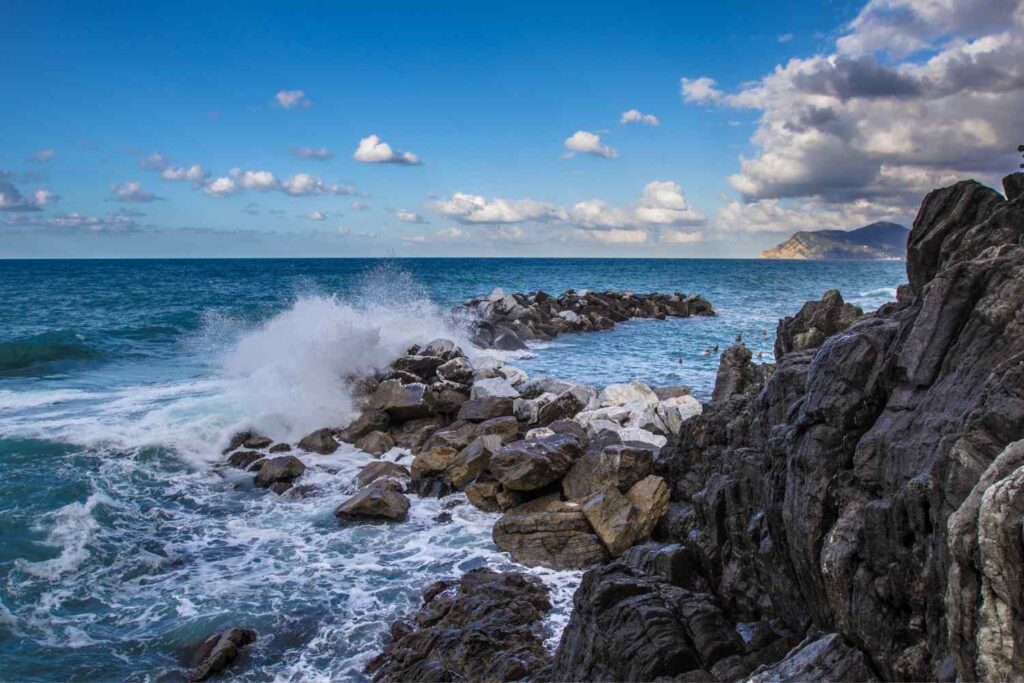
When it comes to water adventures, understanding how to read tides and currents is crucial for ensuring safety and maximizing enjoyment.
Whether you're planning a day of surfing, kayaking, or simply swimming in the ocean, being aware of the movements of the water can make the difference between an exciting day and a dangerous one.
Understanding the Basics of Tides
Tides are the rise and fall of sea levels caused by the gravitational forces of the moon and the sun, combined with the Earth's rotation.
They occur in a predictable pattern, typically with two high tides and two low tides each day.
What Are High and Low Tides?
- High Tide: This occurs when the water level is at its highest point.
- Low Tide: This occurs when the water level is at its lowest point.
Understanding the timing of high and low tides is essential for planning your water adventures.
For example, some beaches may become completely submerged during high tide, making certain areas inaccessible, while low tide might expose hazards like rocks or reefs.
Spring Tides vs. Neap Tides
Tides are further categorized into spring tides and neap tides:
- Spring Tides: These occur when the Earth, moon, and sun are in alignment, leading to higher high tides and lower low tides. Spring tides occur during the full moon and new moon phases.
- Neap Tides: These occur when the Earth, moon, and sun form a right angle, leading to less extreme tidal conditions. Neap tides happen during the first and third quarters of the moon.
Knowing the difference between spring and neap tides can help you anticipate the conditions you'll face during your water adventures.
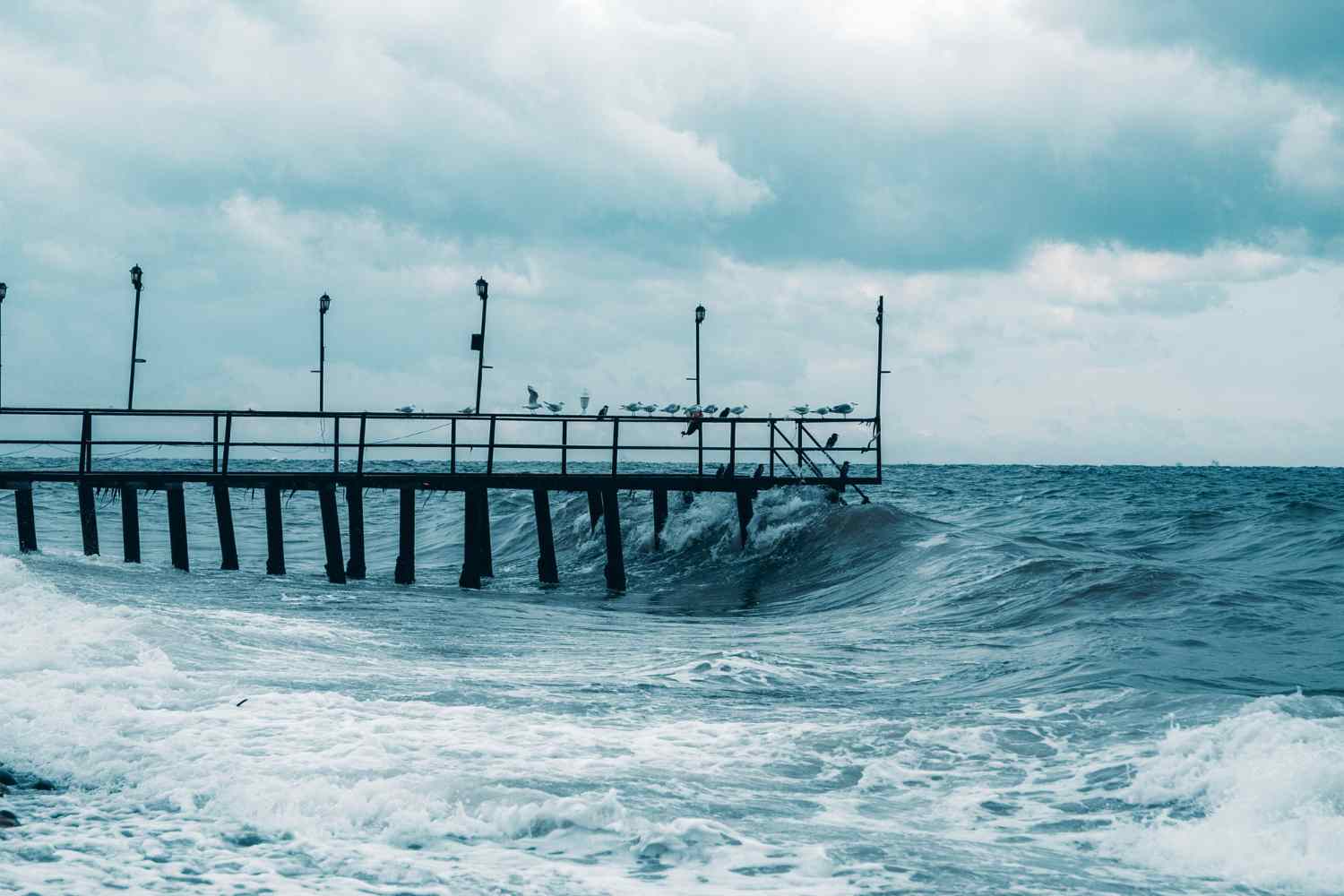
Water Adventures and Understanding Currents
Currents are the horizontal movement of water and can be influenced by various factors, including tides, wind, and the topography of the ocean floor.
Currents can either assist or hinder your water activities, depending on their direction and strength.
Types of Currents
There are several types of currents that you should be aware of before embarking on your water adventure:
- Tidal Currents: These currents are directly caused by the rising and falling of tides. They can be strong, especially during spring tides, and can change direction as the tide changes.
- Rip Currents: These are strong, narrow currents that flow from the shore out to sea. They can be dangerous for swimmers, as they can quickly pull someone out to deeper water.
- Longshore Currents: These occur parallel to the shoreline and are created by waves hitting the coast at an angle. Longshore currents can affect your position if you're swimming or kayaking near the shore.
How to Identify and Navigate Currents
Being able to identify and navigate currents is key to staying safe during your water adventures.
Here are some tips:
- Observe the Water: Before entering the water, take a moment to observe the waves and any visible signs of currents. Look for areas where waves seem to break unevenly or where there is a noticeable difference in water color, as these can indicate the presence of a current.
- Use Landmarks: When swimming or kayaking, use fixed landmarks on the shore to gauge whether you're being pulled by a current. If you notice that you're drifting, it might be best to exit the water and reassess the conditions.
- Stay Calm in Rip Currents: If caught in a rip current, don't panic. Swim parallel to the shore until you escape the current, then head back to land.
How to Plan Your Water Adventures Around Tides and Currents
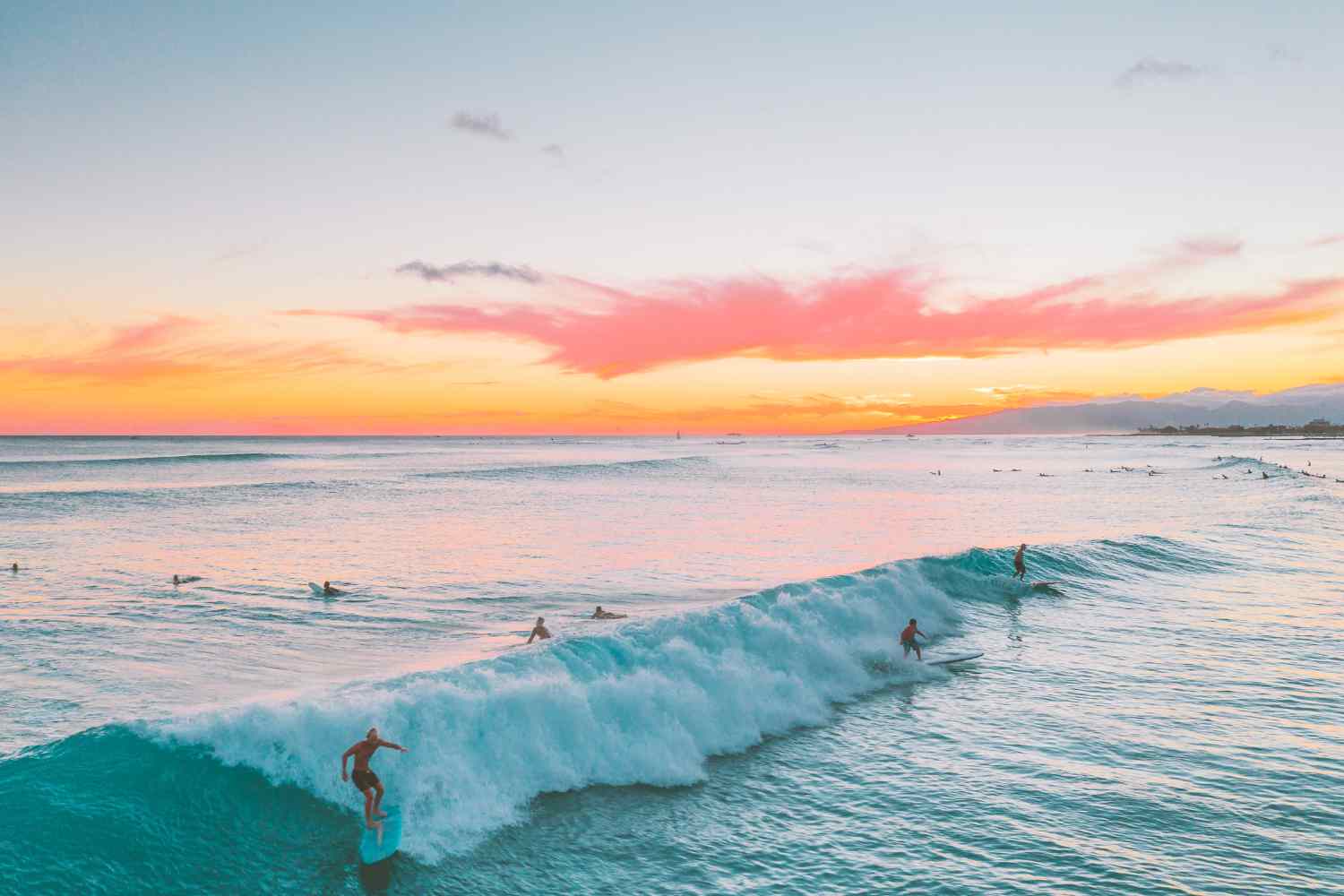
Planning your water adventures with tides and currents in mind will help you avoid potential hazards and ensure a more enjoyable experience.
Check Tidal Charts
Tidal charts are essential tools for anyone planning a day on the water. These charts provide information on the timing of high and low tides, as well as the predicted water levels.
Most coastal areas have tidal charts available online or in local shops.
- Find the Best Time: Plan your activities around the tides. For example, if you're going surfing, you might want to aim for a time when the tide is rising, as this can produce better waves. If you're beachcombing, low tide might expose more interesting marine life and shells.
- Consider the Environment: Some areas, like estuaries or tidal rivers, can have more complex tidal patterns. In these cases, it's important to understand how the water flows in and out with the tide, as this can affect the safety and enjoyment of your adventure.
Use Tide and Current Prediction Apps
In today's digital age, there are numerous apps available that can help you predict tides and currents.
These apps often use real-time data and can provide more accurate predictions than traditional tidal charts.
- Real-Time Updates: Some apps offer real-time updates on tide and current conditions, which can be especially useful if you're planning a longer water adventure.
- Customization: Many apps allow you to customize the information you receive based on your location and the type of activity you're planning.
Safety Tips for Water Adventures

Even with the best preparation, it's important to remember that the ocean is a powerful and unpredictable force.
Here are some safety tips to keep in mind:
Never Go Alone
Always bring a friend when heading out on a water adventure. Having someone with you can be crucial in case of an emergency.
Wear a Life Jacket
Whether you're kayaking, surfing, or even swimming in areas with strong currents, wearing a life jacket can provide an extra layer of safety.
Understand the Weather
Weather conditions can greatly impact tides and currents. Strong winds, for example, can create more intense waves and currents.
Always check the weather forecast before heading out and be prepared to change your plans if conditions look unfavorable.
Conclusion: Enjoying Water Adventures Safely
Water adventures offer a thrilling way to connect with nature, but they also come with risks.
By learning how to read tides and currents, you can minimize these risks and focus on enjoying your time in the water.
Always remember to plan, stay informed, and respect the power of the ocean. With the right knowledge and preparation, your water adventures can be both safe and unforgettable.
In conclusion, understanding tides and currents is not just about safety; it's also about making the most of your time in the water.
Whether you're catching waves, exploring coastal caves, or simply enjoying a swim, knowing how the water moves will enhance your experience and keep you coming back for more.
Did you find this post useful or inspiring? Save THIS PIN for later in your Outdoor Board on Pinterest! 😊

Explore these outdoor tips too