
How to Scuba Dive Safely: Essential Tips

Scuba diving offers an extraordinary way to explore the underwater world, but it also comes with its own set of risks. To scuba dive safely, it's crucial to be well-prepared and aware of the potential dangers.
Whether you're a novice or a seasoned diver, understanding and adhering to safety protocols can make all the difference in ensuring a fun and secure dive.

Scuba Dive Safely: Preparing for the Dive
Preparation is the cornerstone of a safe scuba diving experience. Before plunging into the depths, several important steps must be taken to minimize risks and ensure a successful dive.
The first step in learning how to scuba dive safely is receiving proper training. A certified diving course, such as those offered by PADI or NAUI, provides you with the essential skills and knowledge needed for safe diving.
These courses cover everything from understanding the equipment and underwater communication to managing potential emergencies. Proper training is non-negotiable for anyone serious about scuba diving.
Physical fitness is another critical component of safe diving. Scuba diving can be physically demanding, requiring stamina and strength, especially in challenging conditions.
Regular cardiovascular and strength training can help you build the endurance needed to handle the demands of diving.
Being physically fit not only enhances your diving experience but also ensures that you're better prepared to deal with unexpected situations underwater.
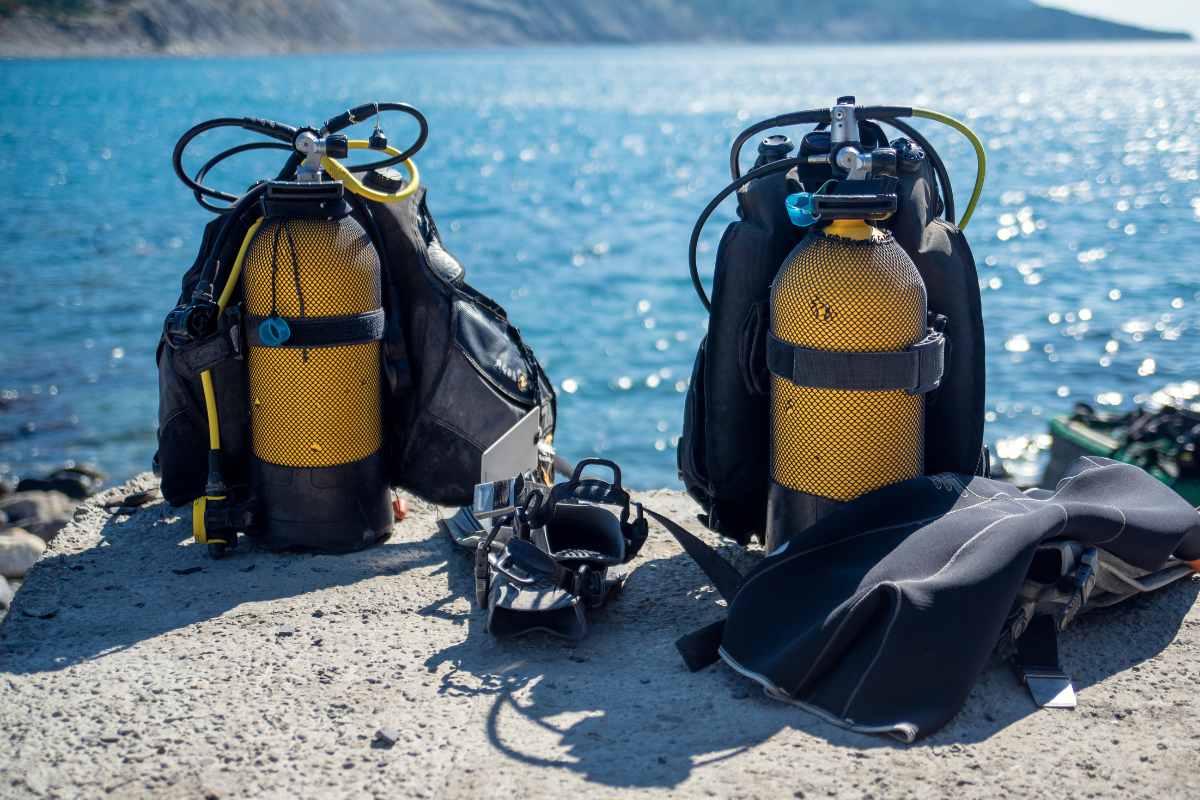
Understanding your equipment is equally vital. Familiarity with your diving gear, such as your mask, fins, regulator, buoyancy control device (BCD), and tank, is essential for a safe scuba diving experience.
Before every dive, it's important to thoroughly inspect your equipment to ensure everything is in working order. If you're using rented gear, take the time to get to know it, practicing assembly and disassembly until you're confident.
Diving safely also involves meticulous planning. Always plan your dive in advance, discussing the dive site, depth, time, and specific objectives with your buddy before entering the water.
This planning includes understanding the layout of the dive site, potential hazards, and the location of emergency exits or ascent points. By having a clear plan, you can anticipate and avoid potential dangers, ensuring a smoother dive.
Monitoring weather and water conditions is a must before any dive. Adverse conditions such as strong currents, poor visibility, or bad weather can turn a routine dive into a dangerous situation.
It's essential to check the forecast and water conditions beforehand and be prepared to postpone the dive if conditions are not favorable. This caution can prevent accidents and ensure that you scuba dive safely.
Ensuring Safety During the Dive
Once you're underwater, maintaining safety requires constant vigilance and adherence to best practices. One of the fundamental rules of scuba diving is the buddy system.
Diving with a buddy ensures that you have someone to assist in case of an emergency. It's crucial to stay close to your buddy throughout the dive, maintaining regular communication through hand signals and keeping an eye on each other. This partnership can be a lifesaver in critical situations.
Monitoring your air supply is another critical aspect of diving safely. Running out of air is a diver's worst nightmare, so it's important to regularly check your air gauge and be aware of your consumption rate.
A good rule of thumb is to begin your ascent when you've used one-third of your air supply, leaving the remainder for the ascent and any potential emergencies. This cautious approach helps prevent accidents and ensures you have enough air to complete your dive safely.
Buoyancy control is an essential skill that contributes significantly to diving safety. Proper buoyancy allows you to move effortlessly through the water, conserving energy and avoiding accidental contact with the reef or other underwater hazards.
By mastering the use of your BCD and fine-tuning your breathing, you can achieve neutral buoyancy, making your dive more enjoyable and safe.
Being mindful of your surroundings is also key to scuba diving safely. Underwater environments can be unpredictable, with various hazards such as sharp corals, marine life, and currents.
By staying alert and aware of your environment, you can avoid these dangers and protect yourself from harm. It's also important to respect marine life and avoid disturbing their natural habitat, both for your safety and the preservation of the underwater ecosystem.
As you approach the end of your dive, it's crucial to manage your ascent carefully. Ascending too quickly can lead to decompression sickness, also known as "the bends." To prevent this, ascend slowly and make a safety stop at around 15 feet for three to five minutes.
This pause allows your body to safely eliminate excess nitrogen, reducing the risk of decompression sickness. A controlled and gradual ascent is a vital part of ensuring that you scuba dive safely.
Post-Dive Safety Considerations
Even after surfacing, there are important safety considerations to keep in mind. After a dive, it's important to monitor your body for any signs of decompression sickness, such as joint pain, dizziness, or extreme fatigue.
If you experience any symptoms, seek medical attention immediately. Decompression sickness can be serious, but early treatment significantly improves outcomes.
Staying hydrated is another key post-dive practice. Diving can be dehydrating, particularly in warm water or when wearing a wetsuit. Drinking plenty of fluids after a dive helps your body recover and reduces the risk of dehydration-related complications.
Lastly, it's essential to allow adequate surface interval time before your next dive or before flying. After a dive, your body needs time to eliminate the nitrogen absorbed during the dive.
The recommended surface interval varies depending on the depth and duration of the dive, but as a general rule, waiting at least 12-24 hours before flying is advised to prevent decompression sickness.

Scuba diving is an exhilarating activity that allows you to explore the wonders of the underwater world.
However, to scuba dive safely, it’s essential to be well-prepared, stay physically fit, understand your equipment, plan meticulously, and maintain vigilance during and after the dive.
By following these guidelines, you can minimize risks and fully enjoy the beauty of the underwater realm, making every dive a safe and unforgettable experience.
Did you find this post useful or inspiring? Save THIS PIN for later in your Outdoor Board on Pinterest! 😊

Explore these outdoor tips too