
How to Set Up a Perfect Campsite: Essential Tips

Camping is a wonderful way to escape the hustle and bustle of daily life and reconnect with nature. However, to fully enjoy the experience, it's crucial to set up a perfect campsite.
A well-planned campsite not only enhances your comfort but also ensures your safety and helps you minimize your impact on the environment.
Whether you're a seasoned camper or new to the outdoors, learning how to set up a perfect campsite can make all the difference in your outdoor adventure.
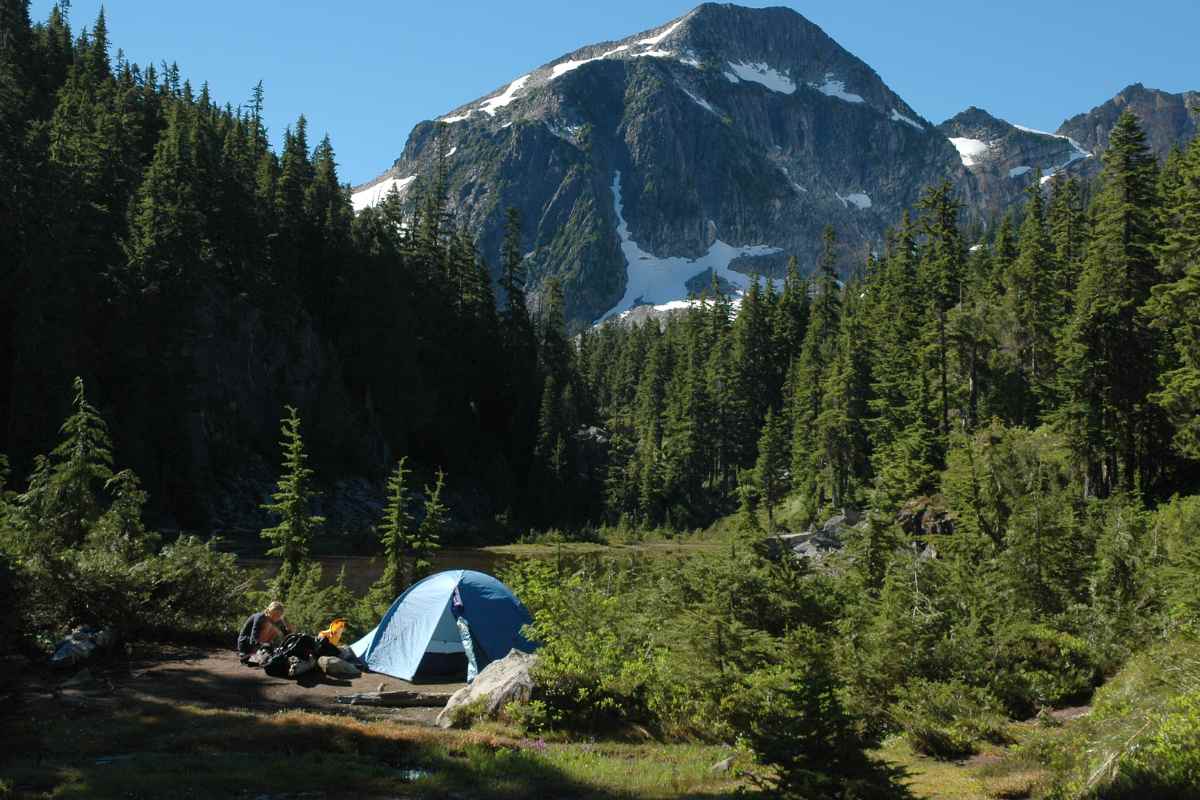
Set Up a Perfect Campsite: Choosing the Right Location
The first step in setting up a perfect campsite is selecting the right location. The site you choose will significantly influence your camping experience, so it's essential to consider several factors before pitching your tent.
Look for Flat Ground
When choosing a campsite, it's important to find flat ground. A level surface makes sleeping more comfortable and prevents your tent from sliding or pooling water if it rains.
If possible, avoid areas with a lot of rocks, roots, or uneven terrain, as these can make it difficult to set up your tent properly and can be uncomfortable to sleep on.
Consider Proximity to Water
Another key factor in setting up a perfect campsite is proximity to a water source. Having access to water for drinking, cooking, and cleaning is crucial, but it's also important to be mindful of the environment.
Camp at least 200 feet away from lakes, rivers, or streams to protect these natural resources from contamination. Additionally, consider the potential for flooding if camping near a river or stream, especially during rainy seasons.
Assess the Wind Direction
Wind direction is another consideration when selecting your campsite. Setting up your tent with the door facing away from the prevailing wind will help reduce the amount of wind entering your tent, keeping you warmer and more comfortable.
Additionally, setting up behind natural windbreaks such as trees or large rocks can provide extra protection from the wind.
Check for Hazards
Before you start setting up your campsite, take a few minutes to assess the area for potential hazards. Look up to ensure there are no dead branches or large rocks that could fall on your tent.
Also, be aware of your surroundings and avoid setting up camp in low-lying areas that could flood in heavy rain or near cliffs where there's a risk of falling rocks.
Respect Wildlife
When setting up a perfect campsite, it's important to respect local wildlife. Avoid setting up your tent near animal trails, nesting sites, or food sources.
Not only does this help protect wildlife, but it also reduces the risk of unwanted animal encounters during your stay.
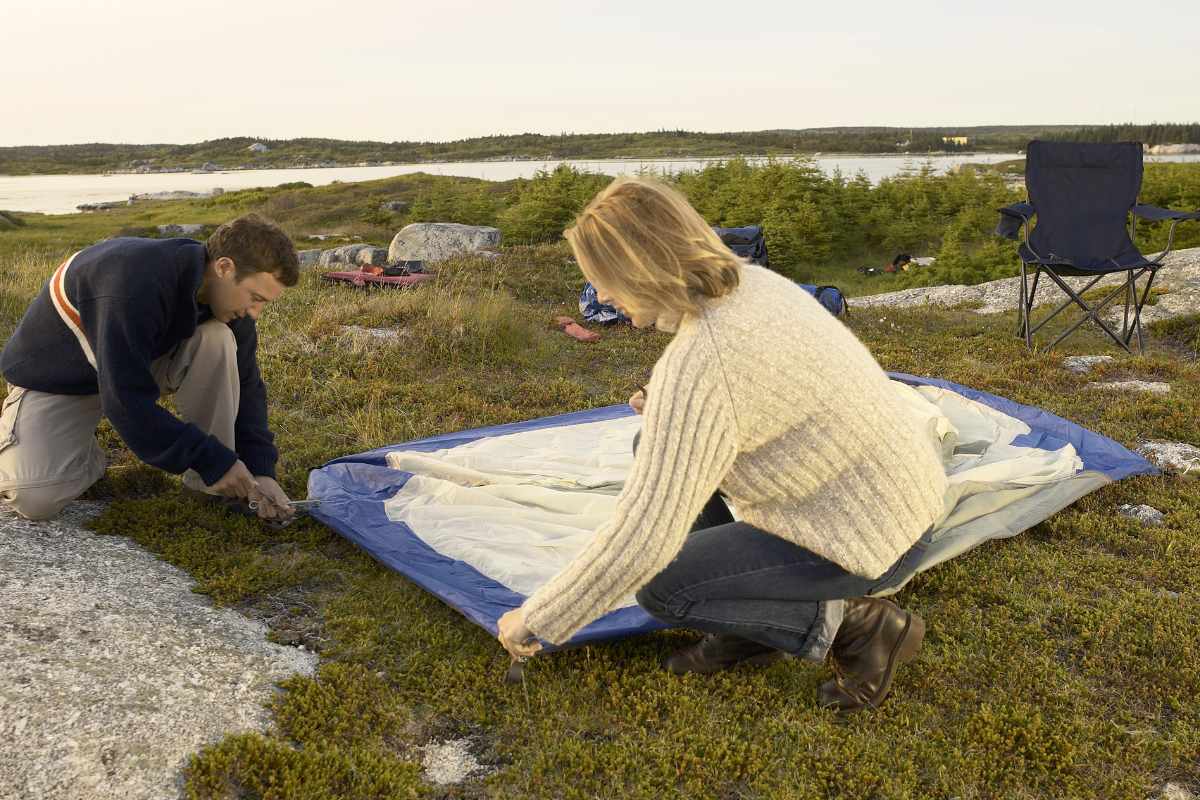
Setting Up Your Tent
Once you've chosen the ideal location, the next step in setting up a perfect campsite is pitching your tent. Properly setting up your tent will ensure it provides shelter and protection from the elements.
Clear the Area
Before pitching your tent, clear the area of debris such as sticks, rocks, and leaves. This will not only make the ground more comfortable to sleep on but also help protect your tent from punctures or tears.
It's also a good idea to lay down a footprint or groundsheet to provide an additional layer of protection between your tent and the ground.
Set Up Your Tent Properly
When setting up a perfect campsite, it's essential to pitch your tent correctly. Follow the manufacturer's instructions for your specific tent model, paying attention to details like staking out the tent corners, attaching the rainfly, and securing guy lines.
A well-pitched tent will be stable, weatherproof, and comfortable, making your camping experience much more enjoyable.
Organize Your Gear Inside the Tent
After setting up your tent, take some time to organize your gear inside. Keep your sleeping area clean and clutter-free by storing your backpack, shoes, and other gear in the tent vestibule or at the foot of your sleeping bag.
This will give you more space to sleep comfortably and help you find your belongings quickly when you need them.
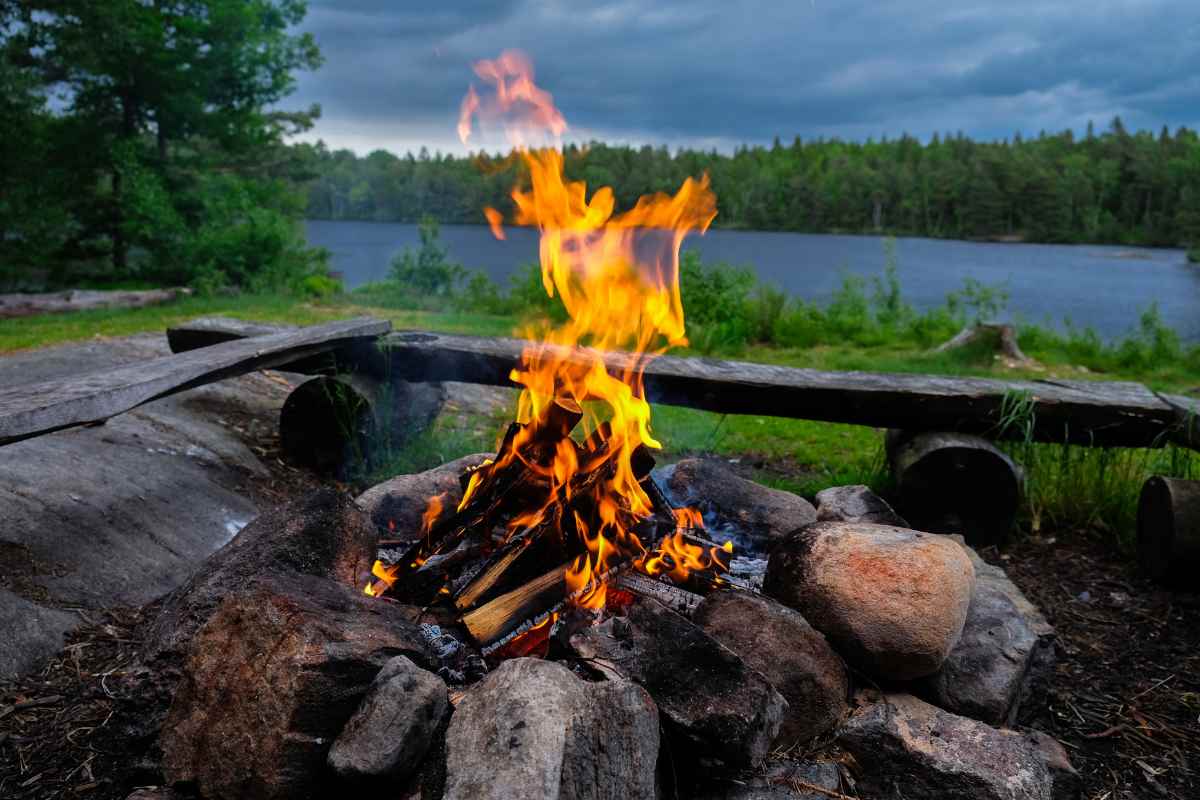
Campfire Safety and Cooking
A campfire can be the heart of your campsite, providing warmth, light, and a place to cook meals. However, it's essential to practice campfire safety and follow local regulations to protect yourself and the environment.
Build Your Fire Safely
When setting up a perfect campsite, make sure you build your campfire in a safe and appropriate location. Use established fire rings or pits whenever possible, and keep your fire small and manageable.
Clear the area around the fire pit of flammable materials such as leaves and grass, and never leave your fire unattended. Always have a bucket of water or sand nearby to extinguish the fire completely before you go to bed or leave the campsite.
Cook Your Meals Efficiently
Cooking outdoors is one of the joys of camping, but it's important to do it efficiently and safely. Use a portable stove or grill for cooking whenever possible, as it reduces the impact on the environment and minimizes the risk of wildfires.
If you do cook over a campfire, make sure to use appropriate cookware and avoid cooking directly on the flames. Plan your meals ahead of time and pack lightweight, easy-to-prepare foods to make cooking at the campsite a breeze.
Store Food Properly
To set up a perfect campsite, it's crucial to store your food properly to avoid attracting wildlife. Use bear-resistant containers or hang your food in a tree at least 10 feet off the ground and 4 feet away from the trunk.
This will keep your food safe from animals and reduce the risk of unwanted visitors at your campsite.

Leave No Trace Principles
One of the most important aspects of setting up a perfect campsite is minimizing your impact on the environment.
The Leave No Trace principles are a set of guidelines that help campers protect the natural world and ensure that future generations can enjoy the outdoors.
Pack Out What You Pack In
A key principle of Leave No Trace is to pack out all of your trash. This includes not only food wrappers and cans but also biodegradable items such as fruit peels and coffee grounds.
Even small bits of trash can harm wildlife and spoil the natural beauty of the area. Always carry a trash bag with you and dispose of your waste properly when you leave the campsite.
Minimize Campfire Impact
As mentioned earlier, minimizing your campfire impact is crucial to protecting the environment. Use a stove for cooking, and only build a fire if it's absolutely necessary.
When you do have a fire, keep it small and contained, and make sure to burn all wood completely to ash. Scatter the cool ashes after thoroughly extinguishing the fire to minimize your impact on the campsite.
Respect Wildlife and Other Campers
When setting up a perfect campsite, it's essential to respect the local wildlife and other campers. Keep noise to a minimum, avoid disturbing animals, and give other campers plenty of space.
This not only ensures a peaceful and enjoyable experience for everyone but also helps protect the natural habitat and its inhabitants.
Leave the Campsite Better Than You Found It
Before leaving your campsite, take a few moments to clean up and restore the area to its natural state. Remove any traces of your stay, such as campfire remnants, tent imprints, and gear storage areas.
If you find trash left behind by others, pick it up and pack it out. Leaving the campsite better than you found it is a simple but powerful way to protect the environment and ensure that the area remains beautiful and pristine for future visitors.

Knowing how to set up a perfect campsite is an essential skill for any camper.
By carefully choosing your campsite, properly setting up your tent, practicing campfire safety, and following Leave No Trace principles, you can create a comfortable, safe, and environmentally friendly outdoor experience.
Whether you're camping in the mountains, by a lake, or in the forest, these tips will help you make the most of your time in nature and ensure that your campsite is a perfect retreat.
Did you find this post useful or inspiring? Save THIS PIN for later in your Outdoor Board on Pinterest! 😊
Explore these outdoor tips too