
Is Solo Camping Right for You? Take This Quiz to Find Out
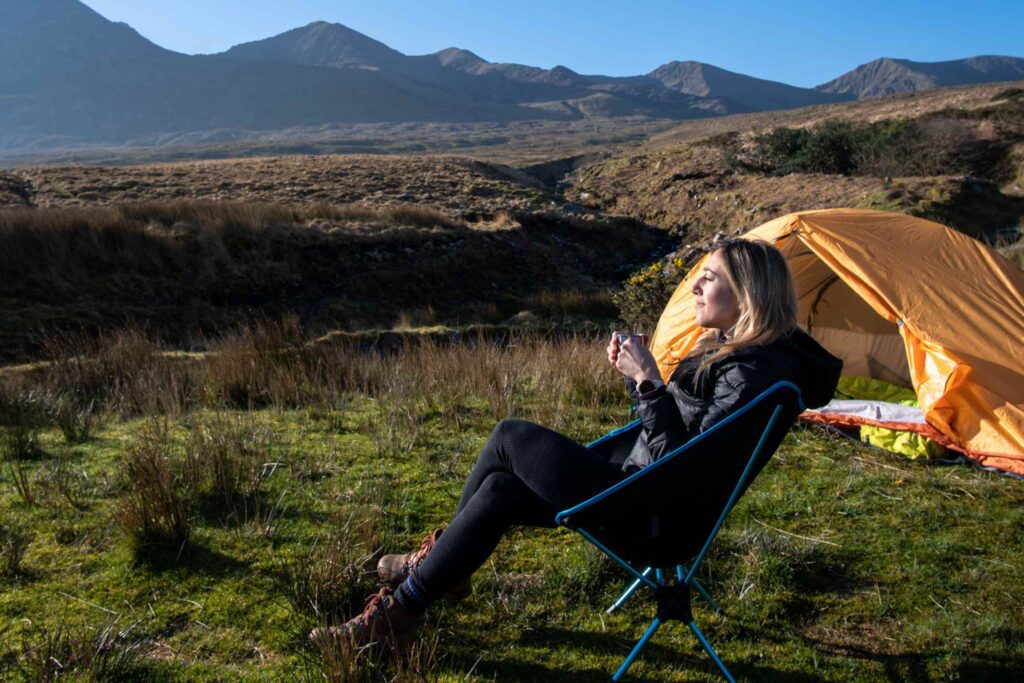
Are you considering Solo Camping but aren’t sure if it’s the right adventure for you? Solo Camping has become increasingly popular as people seek solitude, self-discovery, and a deeper connection with nature.
However, camping alone isn’t for everyone. It requires a certain mindset, preparation, and awareness to ensure it’s a safe and enjoyable experience.
Before you pack your backpack and head out on your own, take this quiz to find out if Solo Camping is right for you.
What is Solo Camping?
Solo Camping means going on a camping trip by yourself, without friends, family, or other companions.
This type of adventure allows for complete independence, giving you the freedom to explore at your own pace, make your own decisions, and truly immerse yourself in the natural environment.
But with this independence comes responsibility. Solo Camping requires you to be entirely self-sufficient, from setting up camp to preparing meals and handling emergencies.
Quiz: Is Solo Camping Right for You?
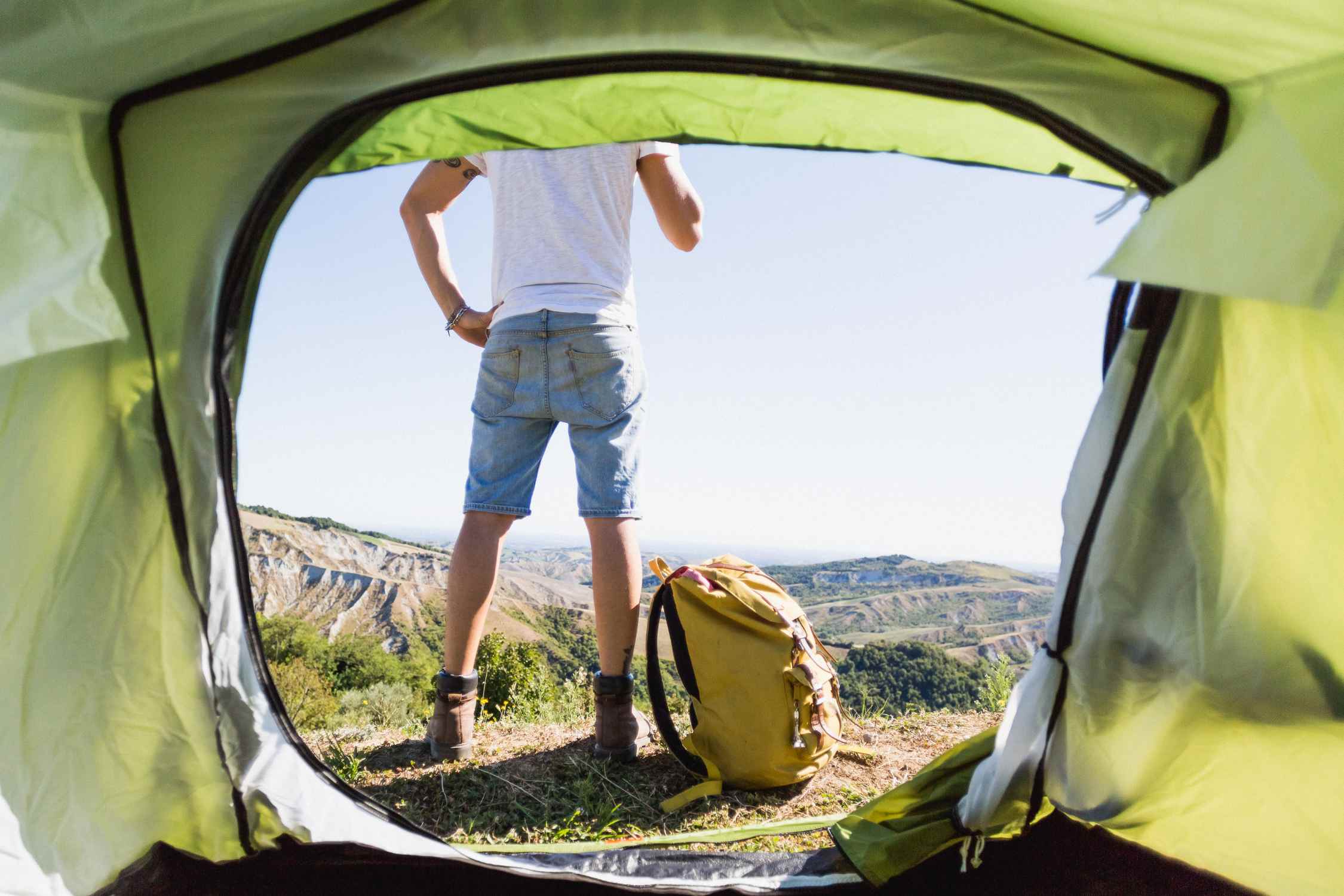
Take the following quiz to assess whether Solo Camping is a good fit for your personality, skills, and comfort level.
Answer each question honestly to get the most accurate result.
1. Do you enjoy spending time alone?
- Yes, I love my own company and often seek out solitude.
- Sometimes, but I also enjoy the company of others.
- No, I prefer to be around people and feel uncomfortable when I’m alone for too long.
2. How comfortable are you with outdoor survival skills?
- Very comfortable. I’m experienced with camping, hiking, and basic survival skills like starting a fire, purifying water, and reading a map.
- Somewhat comfortable. I know the basics but would need to brush up on certain skills.
- Not comfortable at all. I rely on others to handle the survival aspects of camping.
3. How do you handle unexpected situations or emergencies?
- I stay calm under pressure and can think clearly to solve problems.
- I can manage, but I tend to get anxious in stressful situations.
- I struggle with staying calm and often panic when things go wrong.
4. Are you familiar with the area where you plan to camp?
- Yes, I’ve researched the area extensively and know the terrain, weather patterns, and potential hazards.
- Somewhat. I have a general idea but haven’t done extensive research.
- Not at all. I’m planning to figure things out as I go.
5. How do you feel about the possibility of encountering wildlife?
- I’m excited about the possibility and know how to handle wildlife encounters safely.
- I’m nervous but willing to learn how to manage these situations.
- I’m terrified of wildlife and would feel very unsafe.
6. Are you prepared for the mental challenges of Solo Camping?
- Yes, I’m mentally strong and can handle loneliness, fear, and unexpected challenges.
- I’m not sure. I’ve never been alone for extended periods in the wilderness.
- No, I would struggle with the mental aspects of Solo Camping.
Evaluating Your Results
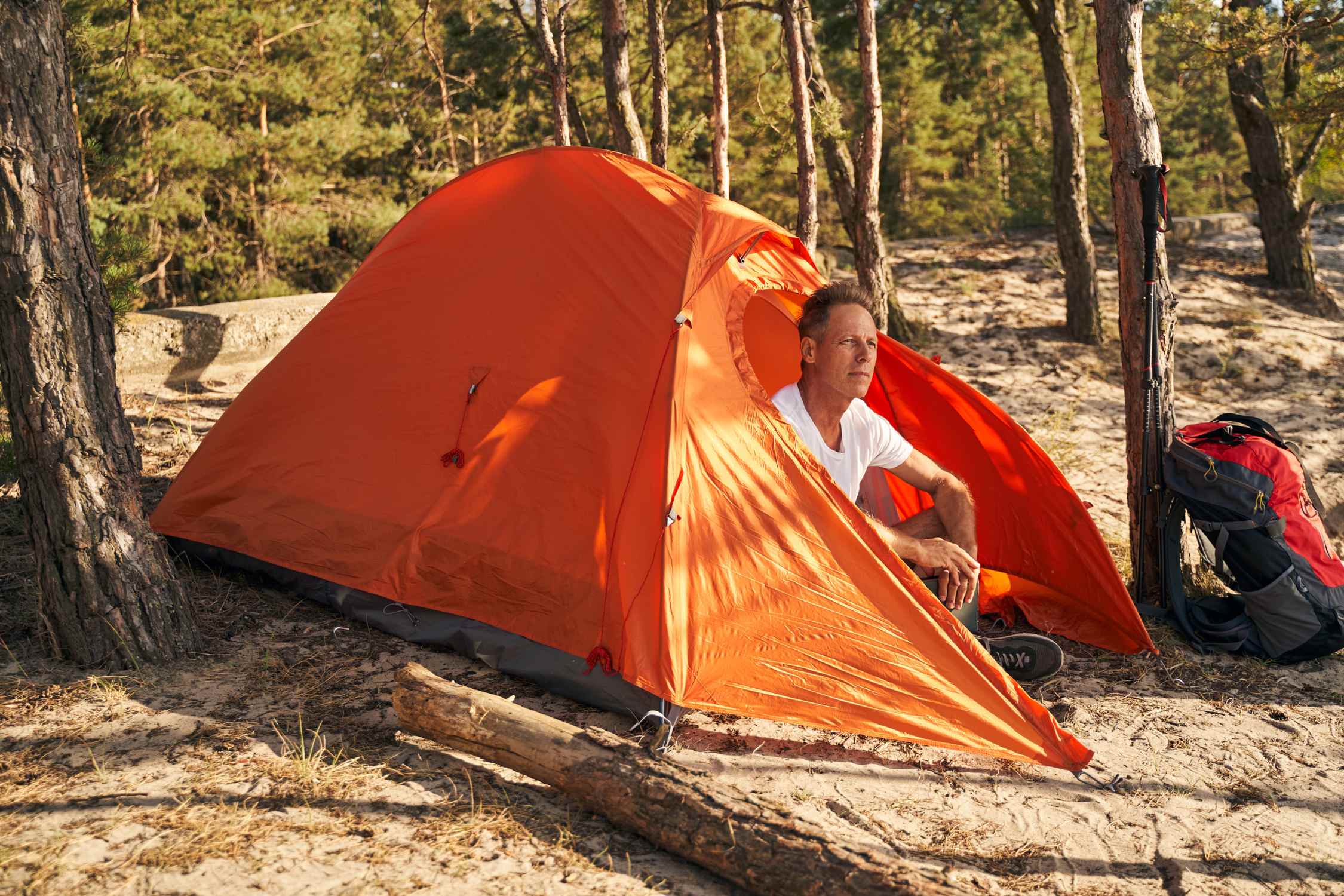
Now that you’ve answered the questions, let’s evaluate your readiness for Solo Camping.
- Mostly A’s: You’re a natural for Solo Camping. Your comfort with solitude, outdoor skills, and ability to stay calm in emergencies make you well-suited for a solo adventure. You’re likely to thrive in the solitude and enjoy the challenges that come with camping alone.
- Mostly B’s: You might be ready for Solo Camping, but some areas need attention. Consider improving your survival skills, doing more research on your destination, and mentally preparing yourself for the challenges ahead. A short solo trip close to home could be a good starting point.
- Mostly C’s: Solo Camping might not be the best option for you at this time. Your discomfort with solitude and lack of outdoor experience could make the trip more stressful than enjoyable. Consider going with a group or gaining more experience with day hikes or group camping before attempting to camp alone.
Preparing for Solo Camping

If you’re determined to try Solo Camping, preparation is key. Here are some tips to ensure your solo adventure is safe and enjoyable.
1. Gain Experience: Start with day hikes or short camping trips where you’re alone for part of the day. This will help you get used to being by yourself in nature and build your confidence.
2. Learn Essential Skills: Make sure you’re proficient in essential outdoor skills such as navigation, fire-building, and first aid. Take a wilderness survival course if necessary.
3. Plan Your Trip Carefully: Research your destination thoroughly. Know the terrain, weather conditions, and any potential dangers like wildlife or difficult trails. Share your itinerary with someone you trust and check-in regularly.
4. Pack Smart: Bring only what you need, but make sure you have all the essentials. A well-stocked first aid kit, extra food, and a reliable map are crucial. Remember that you’ll be carrying everything yourself, so pack light but efficiently.
5. Stay Safe: Always be aware of your surroundings. Trust your instincts, and if something feels off, don’t hesitate to move to a safer location or end the trip early. Safety should always be your top priority.
Mental and Emotional Preparation for Solo Camping
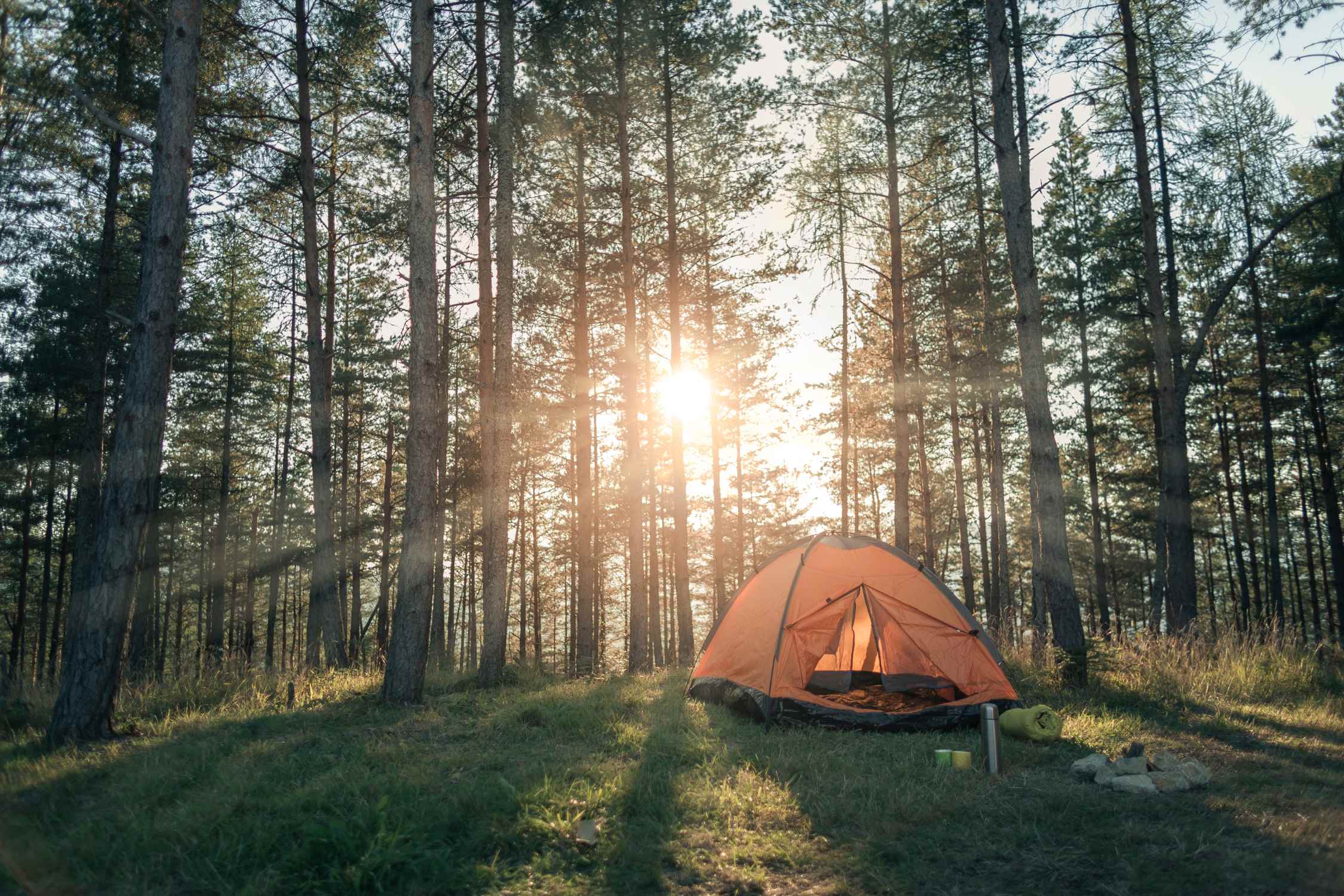
Solo Camping isn’t just a physical challenge; it’s a mental one too. Being alone in the wilderness can bring up feelings of fear, loneliness, and even doubt. Here are some ways to mentally prepare:
1. Embrace Solitude: Learn to enjoy your own company. Use the time alone to reflect, meditate, or simply take in the beauty around you. Solitude can be incredibly rewarding if you’re open to it.
2. Stay Positive: Challenges will arise, but maintaining a positive attitude can make a big difference. Remember why you chose to go on this adventure and focus on the benefits, like self-discovery and personal growth.
3. Manage Fear: It’s natural to feel afraid at times, especially at night or when you hear strange noises. Prepare yourself by learning about the wildlife in the area and understanding that most animals are more afraid of you than you are of them.
4. Stay Connected: Even though you’re alone, you don’t have to be completely isolated. Bring a communication device like a satellite phone or GPS tracker to stay in touch with loved ones.
Final Thoughts on Solo Camping
Solo Camping can be an incredibly rewarding experience, offering you the chance to connect with nature on a deeper level, build self-reliance, and enjoy a peaceful retreat from the everyday world.
However, it’s not for everyone. It requires careful planning, a good understanding of your own abilities, and a willingness to face challenges head-on.
If you’ve taken the quiz and feel ready, then Solo Camping might be the perfect adventure for you.
Just remember that the key to a successful solo trip is preparation, both physically and mentally.
Start small, build your confidence, and who knows? You might discover a new passion for solo adventures.
Whether you decide to go for it or stick with group camping, the most important thing is that you enjoy your time in nature, stay safe, and create memories that will last a lifetime.
Solo Camping isn’t just about surviving alone; it’s about thriving in solitude.
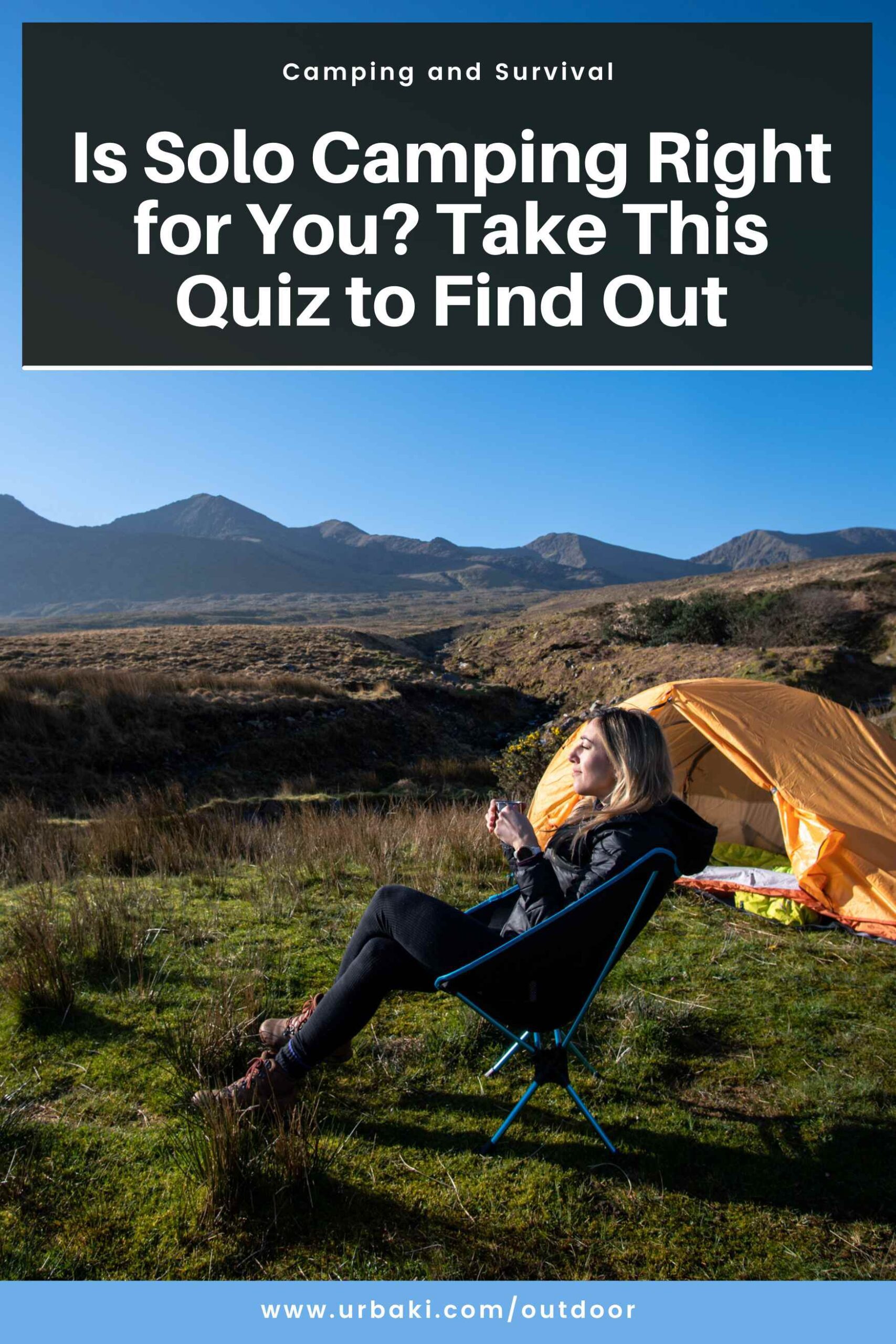
Did you find this post useful or inspiring? Save THIS PIN for later in your Outdoor Board on Pinterest! 😊

Explore these outdoor tips too