
Kitesurfing for Beginners: Your Guide to Starting Out Right
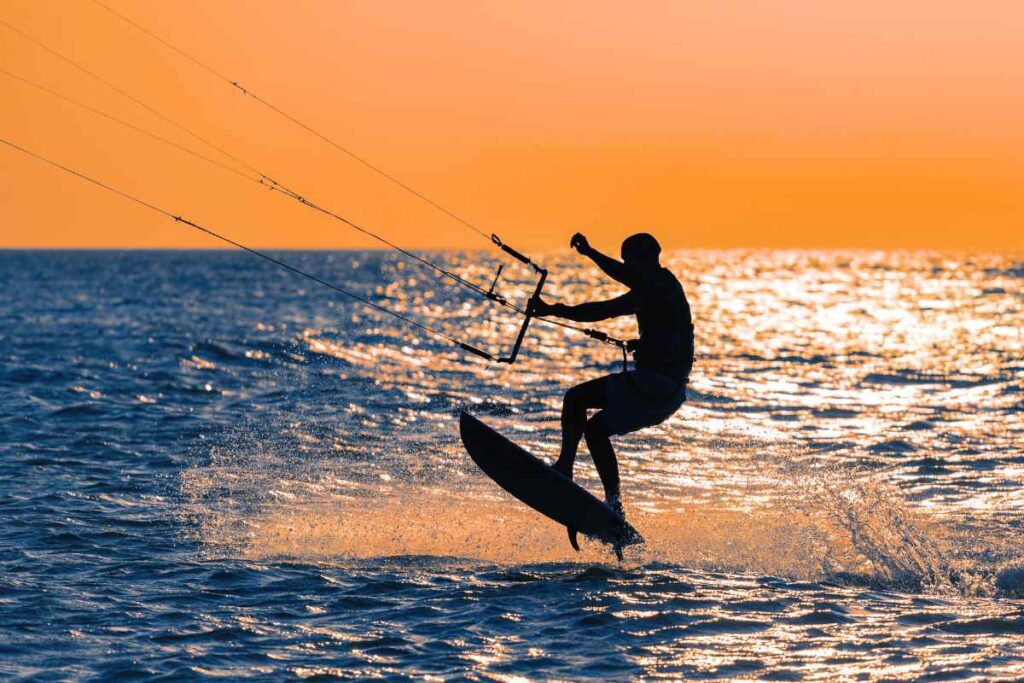
If you've ever watched kitesurfers gliding effortlessly across the water and thought, "I want to do that," you're not alone.
Kitesurfing is an exhilarating sport that combines aspects of surfing, windsurfing, and paragliding.
It offers a unique way to enjoy the ocean, the wind, and the thrill of speed. But before you dive in, it's essential to understand the basics to ensure you start safely and effectively.
Understanding Kitesurfing Basics
Before you grab your kite and board, it's crucial to understand what kitesurfing is all about.
At its core, kitesurfing involves using a large, controllable kite to pull yourself across the water on a board.
The power of the wind is harnessed through the kite, which is connected to your body by a harness, allowing you to ride and perform tricks on the water.
Why Start with Kitesurfing Lessons?
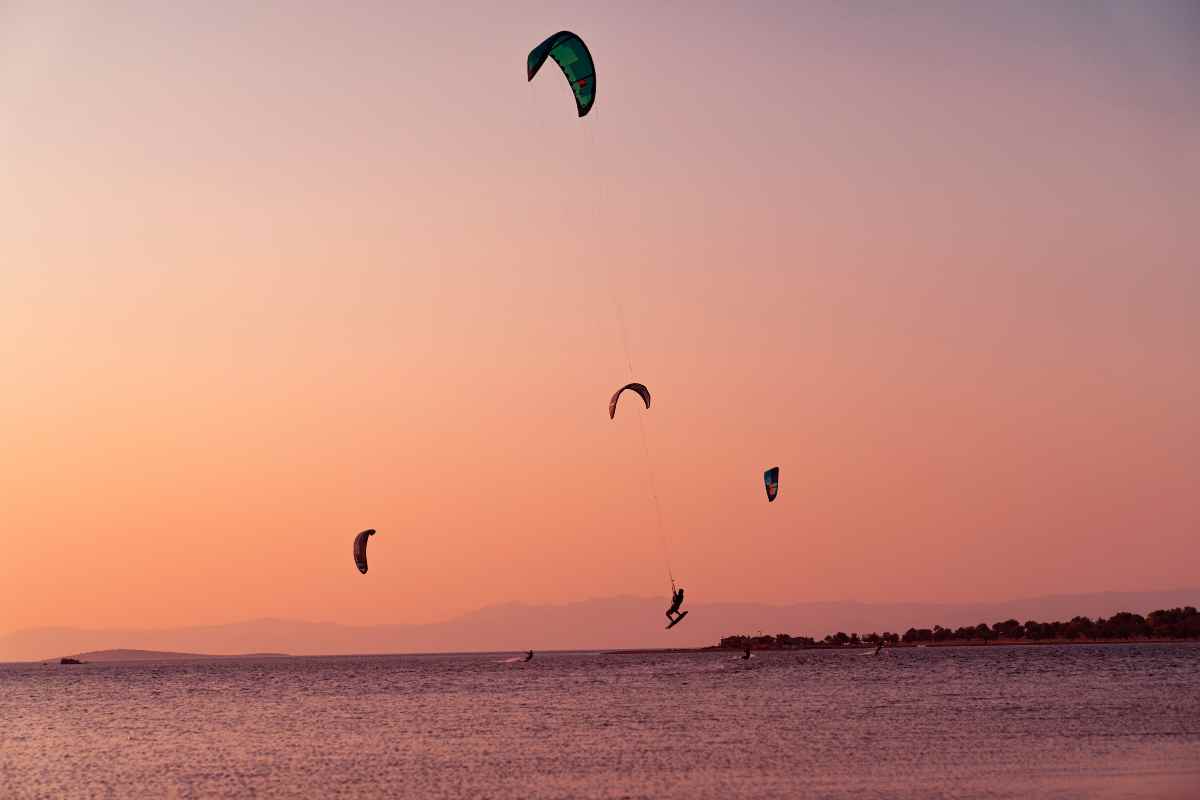
One of the first steps for any beginner is to take kitesurfing lessons from a certified instructor.
While the sport might look easy, there’s a lot of technique involved, and a professional can teach you how to control the kite, understand wind patterns, and maintain your balance on the board.
Lessons also emphasize safety, teaching you what to do in case of an emergency, how to avoid accidents, and how to respect the natural elements around you.
Choosing the Right Equipment
As a beginner, selecting the right equipment is essential for your success in kitesurfing. Your gear will include a kite, board, harness, and safety equipment like a helmet and impact vest.
Here’s a quick rundown:
- Kite: There are different types of kites, such as inflatable kites and foil kites. Beginners typically start with a smaller kite, which is easier to control. The size of the kite you choose should match the wind conditions and your body weight.
- Board: A larger board is ideal for beginners as it provides more stability and is easier to balance on. Look for a board with a flatter shape and soft pads for comfort.
- Harness: There are waist and seat harnesses. Waist harnesses offer more freedom of movement, while seat harnesses provide more support for your lower back. Beginners often prefer seat harnesses.
- Safety Gear: Always wear a helmet and an impact vest. These will protect you from injuries in case of falls or collisions.

Understanding Wind and Weather Conditions
Wind is the most critical factor in kitesurfing. As a beginner, you need to understand how wind conditions affect your ride.
Ideal wind conditions for beginners range from 12 to 25 knots. Too little wind and you won’t have enough power to ride; too much, and you may lose control of your kite.
Always check the weather forecast before heading out. Avoid stormy conditions, as these can create dangerous situations.
Learning how to read the wind direction and speed is crucial for your safety and enjoyment of the sport.
Kitesurfing Techniques for Beginners
Once you've got your equipment and understand the wind, it’s time to start practicing kitesurfing techniques. The first step is to get comfortable with your kite on land before moving into the water.
Kite Control
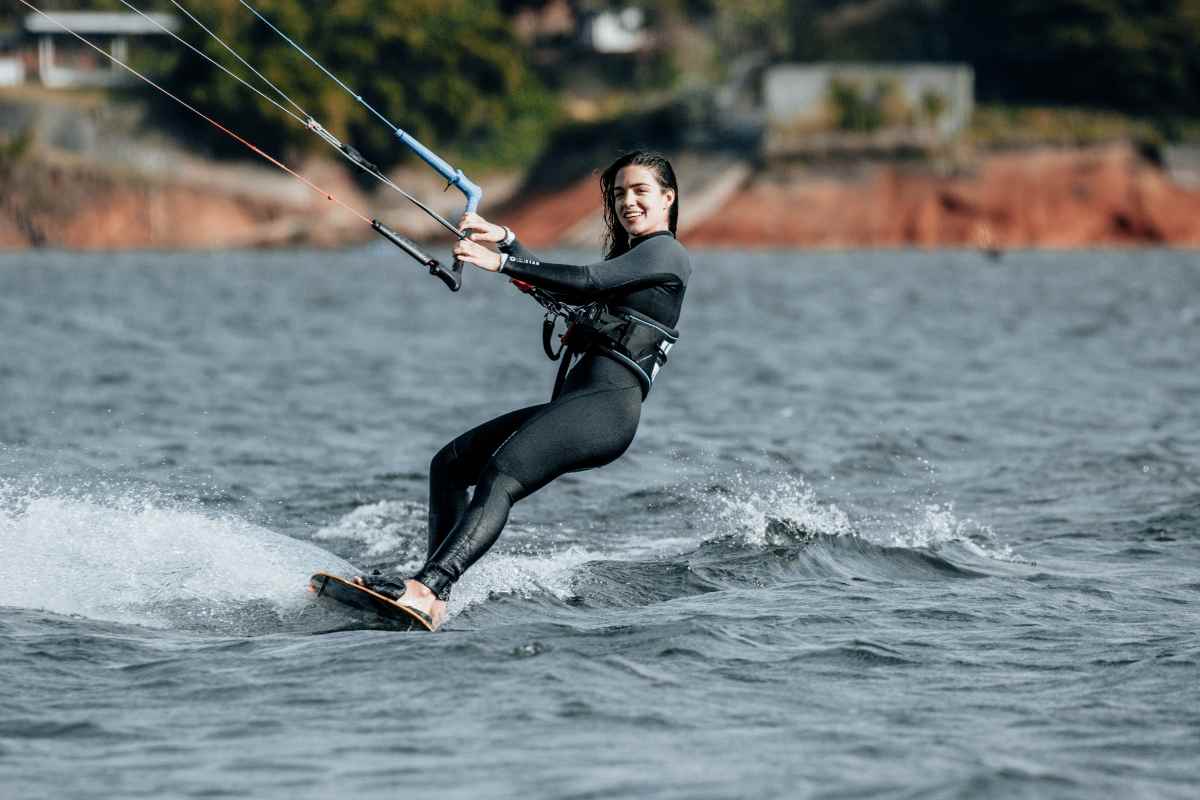
Kite control is the foundation of kitesurfing. Start by practicing how to fly the kite on the beach. Learn how to steer it, generate power, and bring it to a stop.
The key is to develop muscle memory, so you can control the kite without thinking too much about it when you're on the water.
Body Dragging
Before you start using the board, you’ll need to master body dragging. This technique involves letting the kite pull you through the water while you lie on your stomach.
Body dragging is essential for retrieving your board if you fall off and for understanding how the kite affects your movement in the water.
Water Start
The water start is one of the most challenging parts for beginners. This technique involves getting up on your board from a floating position in the water.
Start by positioning the board perpendicular to the wind, then use the power of the kite to pull yourself up onto the board.
It takes practice to get the timing and balance right, so don’t get discouraged if you don’t succeed right away.
Riding and Turning
Once you’re up on the board, it’s time to start riding. Keep your knees bent and your weight centered. As you gain confidence, you can start practicing turns.
Turning involves changing the direction of both the kite and the board simultaneously, which requires coordination and timing.

Safety Tips for Beginner Kitesurfers
Safety should be your top priority as a beginner kitesurfer. Here are some essential safety tips:
Learn Self-Rescue Techniques
Even with the best preparation, things can go wrong. That’s why it’s crucial to learn self-rescue techniques.
This involves knowing how to detach yourself from the kite, how to swim back to shore, and how to signal for help if needed.
Never Kite Alone
Always go kitesurfing with a buddy, especially when you’re starting. If you get into trouble, having someone nearby can make all the difference.
Avoid Crowded Areas
Crowded beaches or areas with many other kitesurfers can be dangerous for beginners. Stick to open spaces where you have plenty of room to practice and maneuver.
Respect the Environment
As you enjoy the thrill of kitesurfing, remember to respect the environment. Avoid disturbing wildlife, and always clean up after yourself.
Many popular kitesurfing spots are in delicate ecosystems, so it’s essential to be mindful of your impact.
Progressing in Kitesurfing
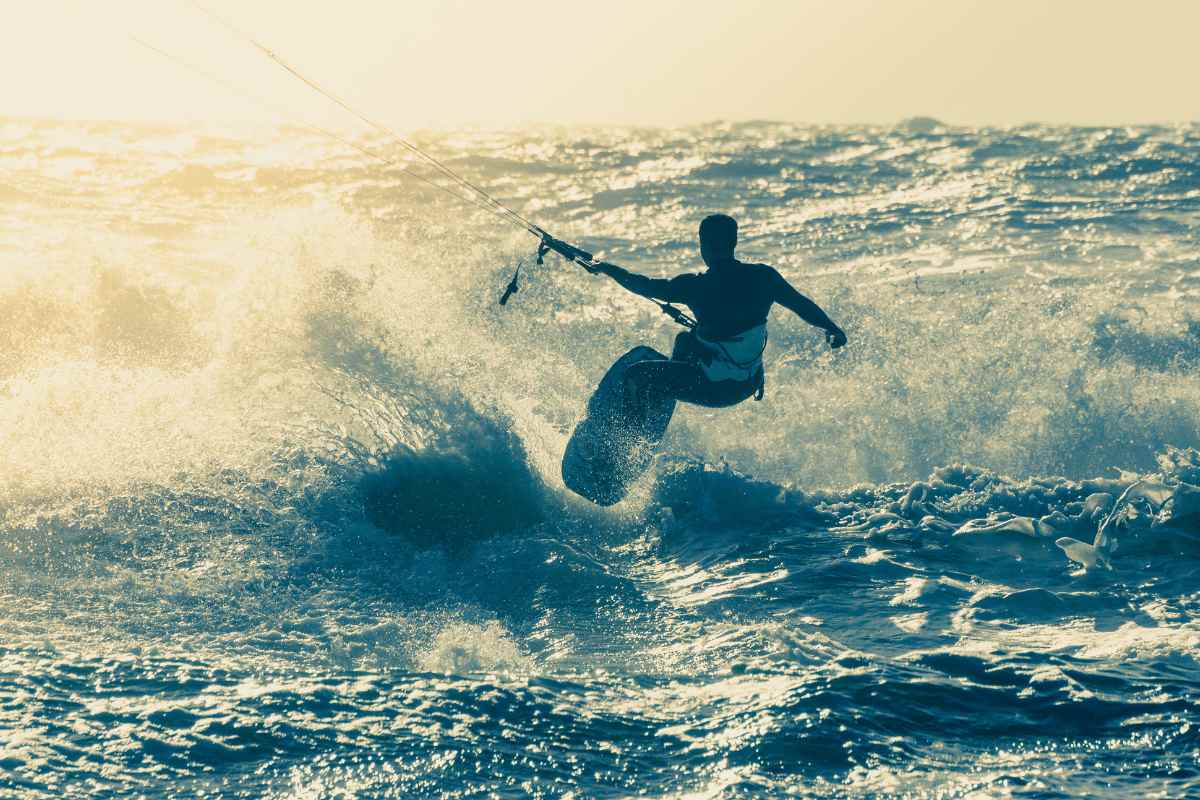
As you gain experience and confidence, you’ll want to start challenging yourself with new tricks and techniques.
But remember, progression in kitesurfing should be gradual. Don’t rush into advanced maneuvers until you’re comfortable with the basics.
Join a Kitesurfing Community
One of the best ways to progress in kitesurfing is to join a community. Whether it’s an online forum or a local club, connecting with other kitesurfers can provide valuable tips, motivation, and camaraderie.
You can learn a lot by watching more experienced riders and asking questions.
Experiment with Different Conditions
As you become more proficient, try kitesurfing in different wind conditions and on various types of water, such as waves or flat water.
Each environment presents unique challenges and learning opportunities.
Take Advanced Lessons
When you’re ready, consider taking advanced kitesurfing lessons. These can help you refine your technique, learn new tricks, and improve your overall performance.
Even experienced kitesurfers continue to take lessons to enhance their skills.
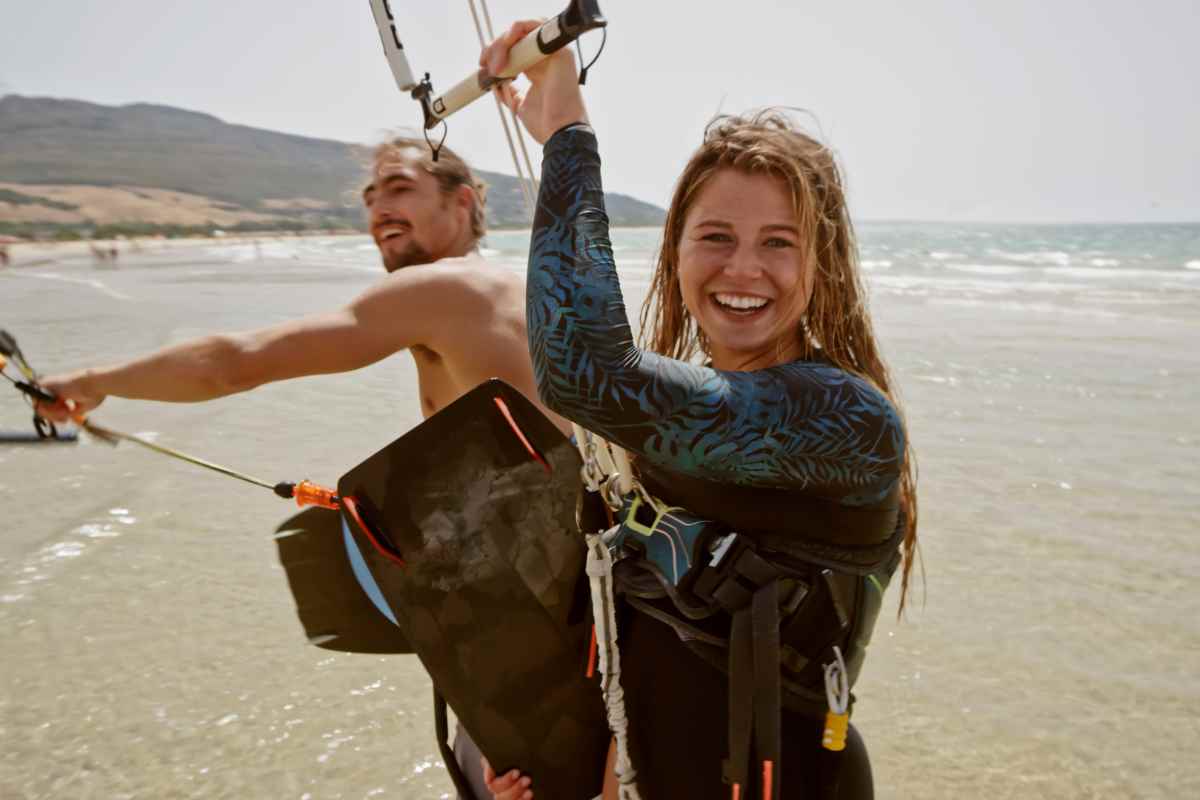
Conclusion: Enjoy the Ride
Kitesurfing is a sport that offers endless possibilities for adventure and excitement. By taking the time to learn the basics, practicing regularly, and prioritizing safety, you can enjoy this thrilling activity for years to come.
Remember, every expert was once a beginner, so be patient with yourself as you progress. With each session on the water, you’ll find your confidence growing, and before you know it, you’ll be gliding across the waves like a pro.
So grab your gear, head to the beach, and enjoy the ride!
Did you find this post useful or inspiring? Save THIS PIN for later in your Outdoor Board on Pinterest! 😊
Explore these outdoor tips too