
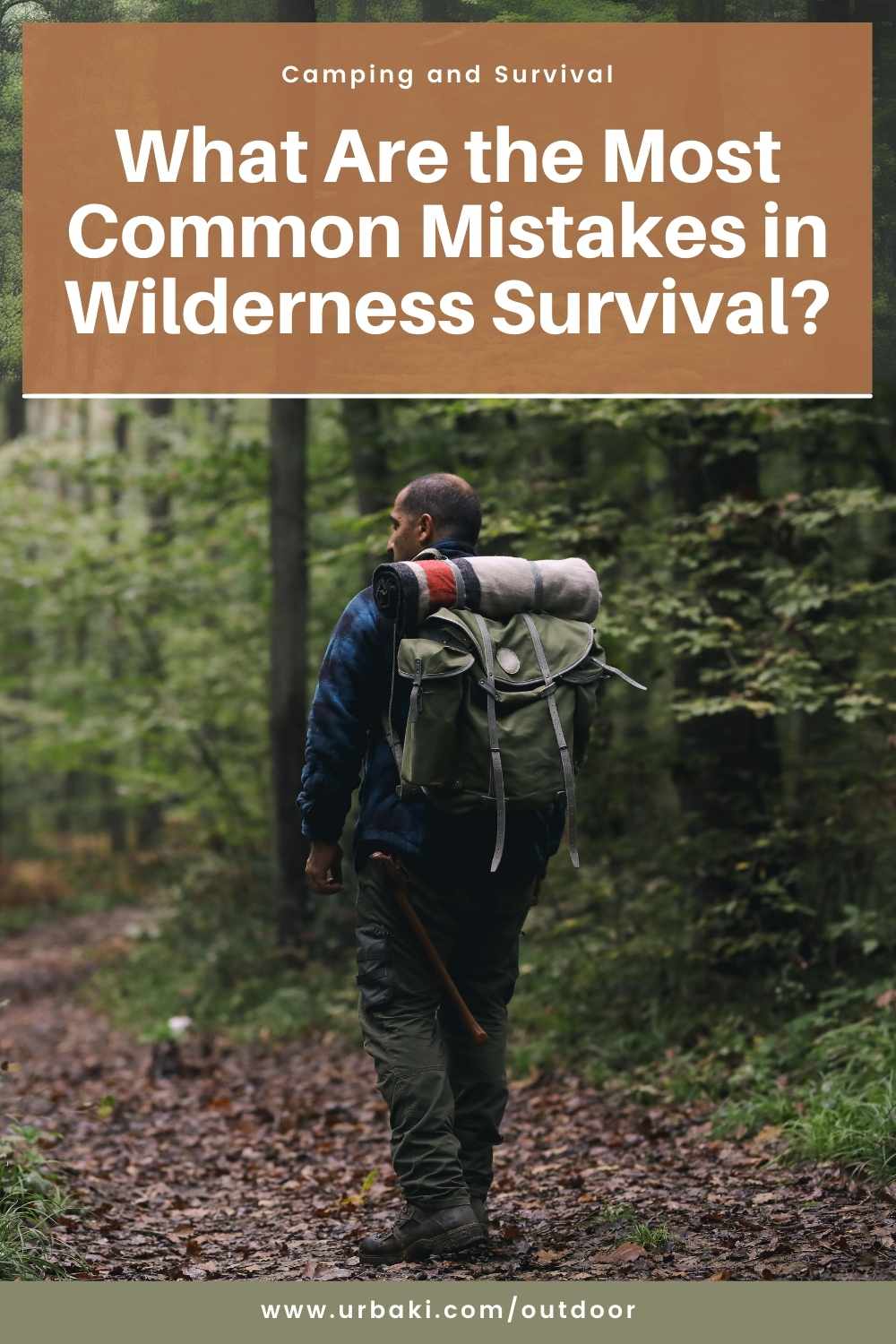
What Are the Most Common Mistakes in Wilderness Survival?
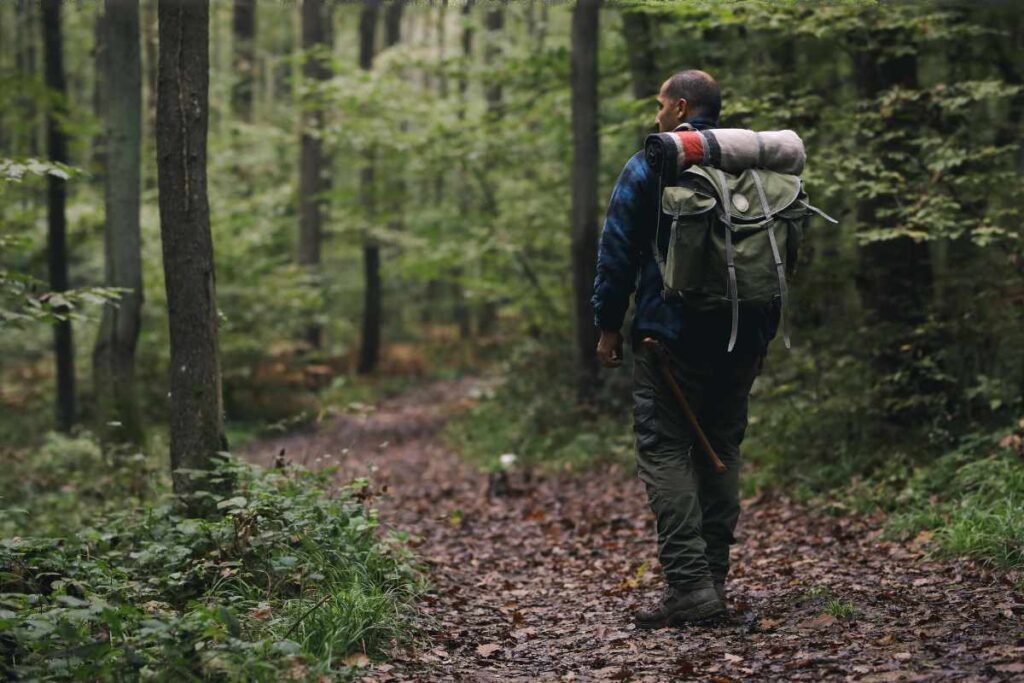
Wilderness survival is a crucial skill for anyone who ventures into the great outdoors. Whether you're an avid hiker, camper, or someone who simply enjoys nature, understanding how to survive in the wilderness is essential.
However, many people make common mistakes that can jeopardize their safety. This article will explore the most frequent errors in wilderness survival and offer tips on how to avoid them.
Common Mistakes in Wilderness Survival
Lack of Proper Preparation
One of the most significant mistakes people make in wilderness survival is failing to prepare adequately. This encompasses several errors, such as not bringing the right equipment, underestimating the conditions, and lacking the necessary skills. Preparation is the cornerstone of survival; without it, even a minor mishap can turn into a life-threatening situation.
Inadequate Gear
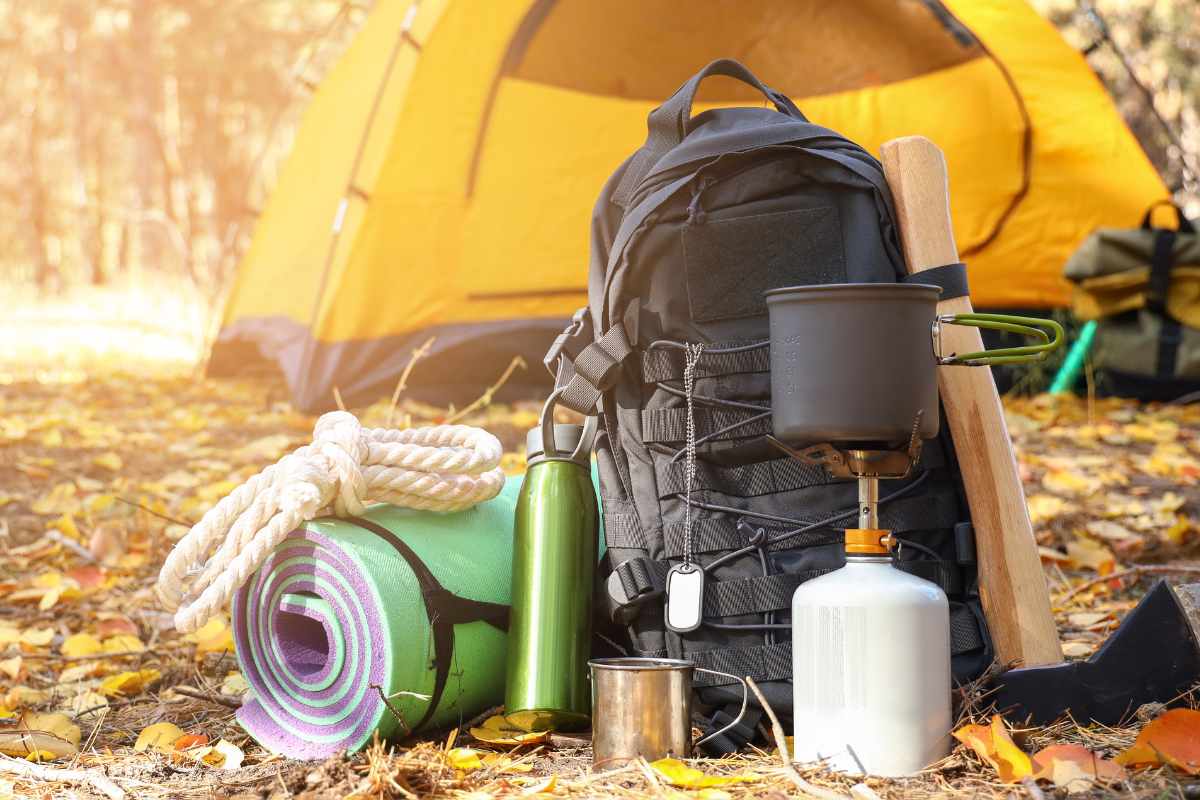
Not having the right equipment is a common oversight. Essential items like a first aid kit, map and compass, and adequate clothing are often neglected. In the wilderness, conditions can change rapidly, and being unprepared can lead to serious consequences. For example, exposure to the elements can cause hypothermia or heatstroke, depending on the weather conditions.
Poor Navigation Skills
Getting lost is one of the most common and dangerous situations in the wilderness. Many rely solely on GPS devices, which can fail due to battery loss or signal issues. Knowing how to read a map and use a compass is a vital skill that can prevent you from losing your way. Additionally, understanding the terrain and having a plan for emergencies can be lifesaving.

Underestimating the Environment
Another common mistake in wilderness survival is underestimating the environment. This includes not being aware of the local wildlife, weather patterns, and natural hazards.
Wildlife Encounters
Failing to understand and respect the wildlife in an area can lead to dangerous encounters. For example, not storing food properly can attract bears or other predators to your campsite. It’s important to research the animals that inhabit the area you’ll be visiting and learn how to avoid attracting them.
Weather Conditions
Weather can be unpredictable, and failing to prepare for sudden changes can have dire consequences. Always check the weather forecast before heading out and pack accordingly. This means bringing layers for warmth, rain gear, and protection from the sun.
Inadequate Shelter and Fire Skills
Building a proper shelter and being able to start a fire are critical skills in wilderness survival. Many people overestimate their ability to quickly create a shelter or start a fire under adverse conditions.
Shelter Construction
Creating a sturdy shelter is essential to protect yourself from the elements. Common mistakes include choosing the wrong location, such as a low-lying area prone to flooding, or not insulating the shelter adequately against the cold.
Fire Starting
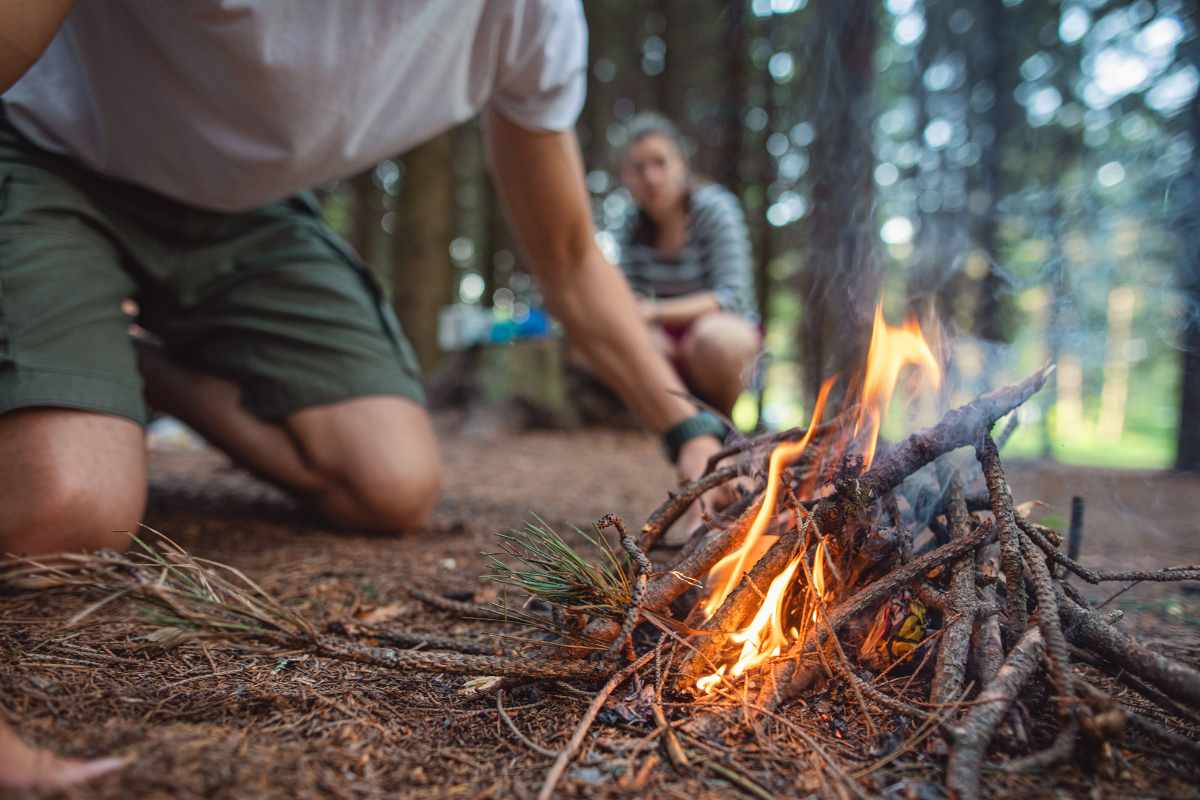
Being able to start a fire is crucial for warmth, cooking, and signaling for help. Relying solely on lighters or matches, which can become wet or malfunction, is a mistake. Knowing multiple fire-starting methods, such as using a fire steel or bow drill, and practicing them before you need them can make all the difference.
Lack of Water and Food Management
Proper management of water and food is vital in wilderness survival. Dehydration and starvation can weaken you quickly, making other survival tasks much harder.
Finding and Purifying Water
Many people don’t realize how quickly dehydration can set in, especially in hot or dry climates. Always carry more water than you think you’ll need and know how to find and purify water in the wilderness. This includes understanding how to use a water filter, boiling water, or using purification tablets.
Food Procurement
While you can survive longer without food than water, it’s still essential to know how to procure food in the wild. Mistakes include relying on foraging without proper knowledge of edible plants or assuming you can easily hunt or fish without the necessary skills or equipment.
Overestimating Physical Abilities
Many people overestimate their physical abilities and underestimate the strain that the wilderness can place on their bodies. This can lead to exhaustion, injury, or worse.
Physical Conditioning
Being in good physical shape is important, but so is understanding your limits. Overexertion can lead to injuries or severe fatigue, making it difficult to continue on your journey or handle emergencies.
Pace and Rest
Maintaining a steady pace and allowing for regular rest is crucial. Pushing too hard can lead to exhaustion and reduce your ability to make sound decisions or perform necessary survival tasks.
Ignoring Mental and Emotional Health
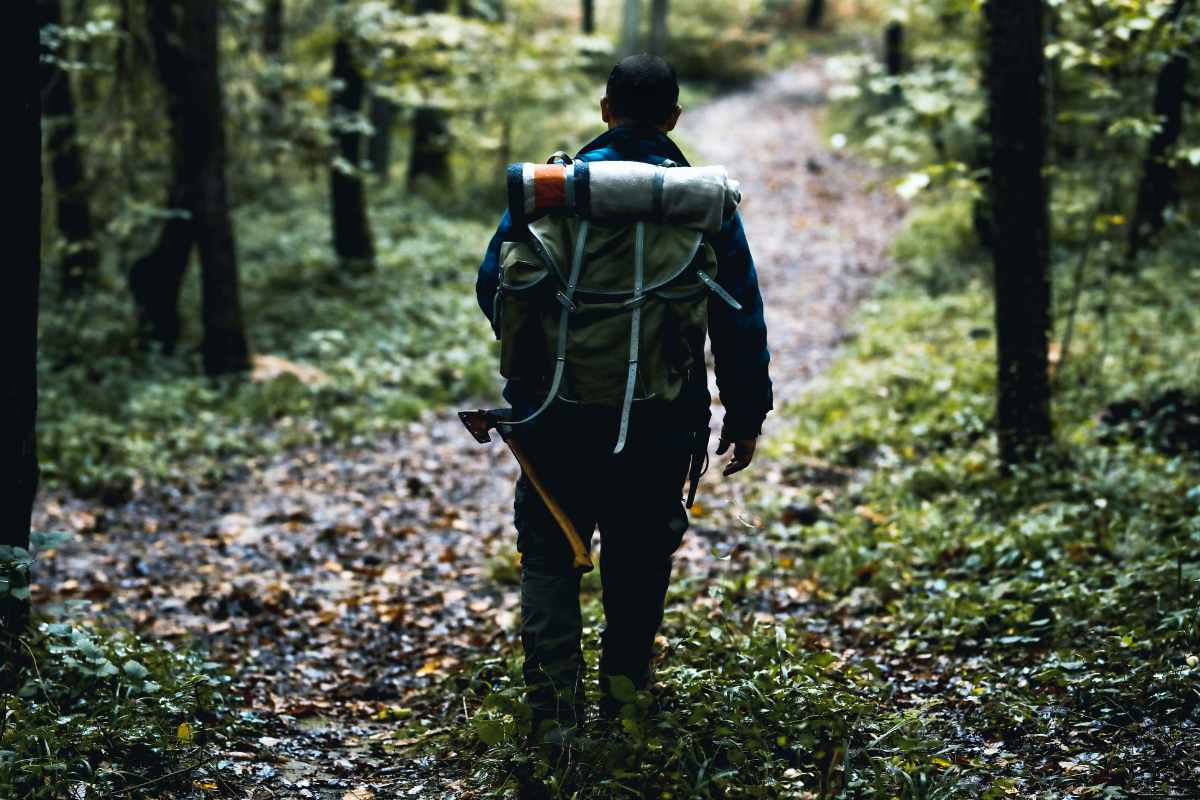
Mental and emotional resilience are often overlooked aspects of wilderness survival. Staying calm and focused can be just as important as physical skills.
Panic and Anxiety
Panic can quickly escalate a bad situation. Techniques such as deep breathing, mindfulness, and having a clear action plan can help manage anxiety and keep you focused on survival tasks.
Loneliness and Isolation
Survival situations can be mentally taxing, especially if you are alone. Maintaining a positive attitude and having mental strategies to combat feelings of isolation can significantly improve your chances of survival.
Failing to Signal for Help
If you find yourself in a survival situation, being able to signal for help is crucial. Many people fail to carry or know how to use signaling devices.
Signaling Techniques
Simple techniques like using a signal mirror, whistle, or creating visible signs with rocks or branches can attract rescuers' attention.
Understanding the international distress signals, such as three fires in a triangle or three blasts on a whistle, is also important.
Modern Technology
While it’s essential to know traditional signaling methods, carrying a modern device like a personal locator beacon (PLB) or satellite phone can dramatically increase your chances of being found quickly.
Most Common Mistakes in Wilderness Survival
Survival in the wilderness requires a combination of preparation, knowledge, physical ability, and mental resilience.
By avoiding these common mistakes and honing your wilderness survival skills, you can greatly increase your chances of staying safe and making it back to civilization.
Remember, the key to wilderness survival is not just about having the right gear but also about having the right mindset and knowledge to use that gear effectively. Always respect nature and be prepared for the unexpected.
Did you find this post useful or inspiring? Save THIS PIN for later in your Outdoor Board on Pinterest! 😊
Explore these outdoor tips too