
5 Tips for Navigating the Wilderness Without a GPS
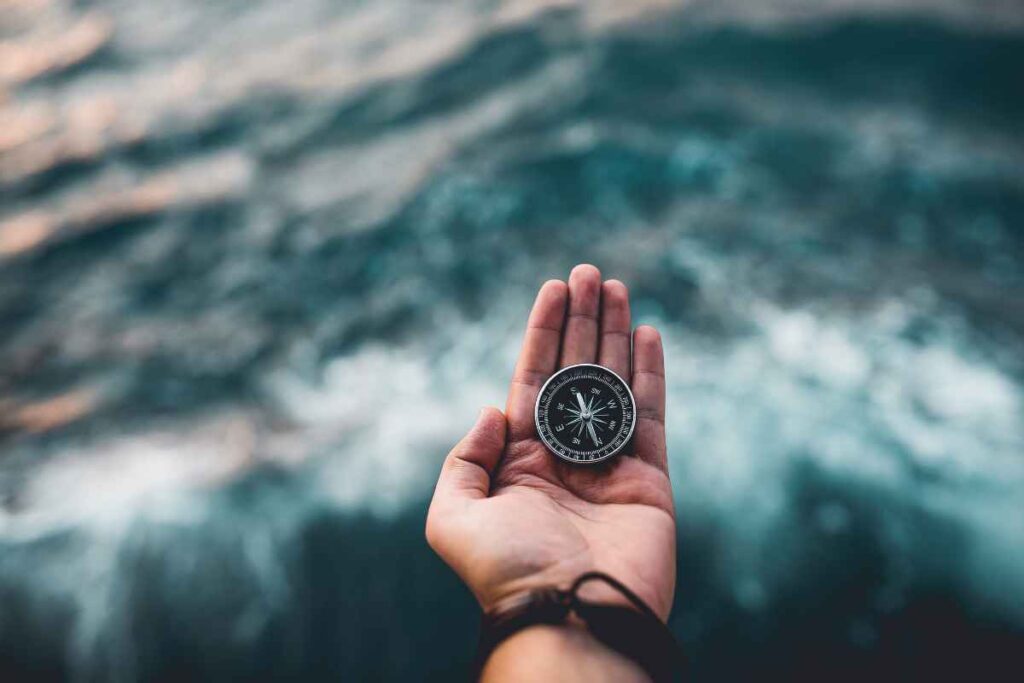
Discover essential tips for navigating the wilderness without a GPS. Learn how to use natural landmarks, maps, and compass skills to stay on course during your next outdoor adventure.
Stay safe and confident with these practical navigation tips!
In today's tech-heavy world, we often rely on gadgets like GPS devices and smartphones to find our way.
But what happens if your device fails, or you simply want to embrace the adventure of navigating the wilderness without any tech? Learning how to navigate the wilderness without a GPS is a crucial skill for any outdoor enthusiast.
With these five tips, you’ll gain the confidence to explore the wild safely and effectively.
1. Master Map and Compass Skills
One of the most reliable ways to navigate without a GPS is by mastering the map and compass. These two tools have been the backbone of wilderness exploration for centuries. Here’s how to get started:
- Practice using a topographic map: A topo map shows the terrain, elevations, and natural features, making it an essential tool. Familiarize yourself with reading contour lines and identifying key landmarks like mountains, rivers, and valleys.
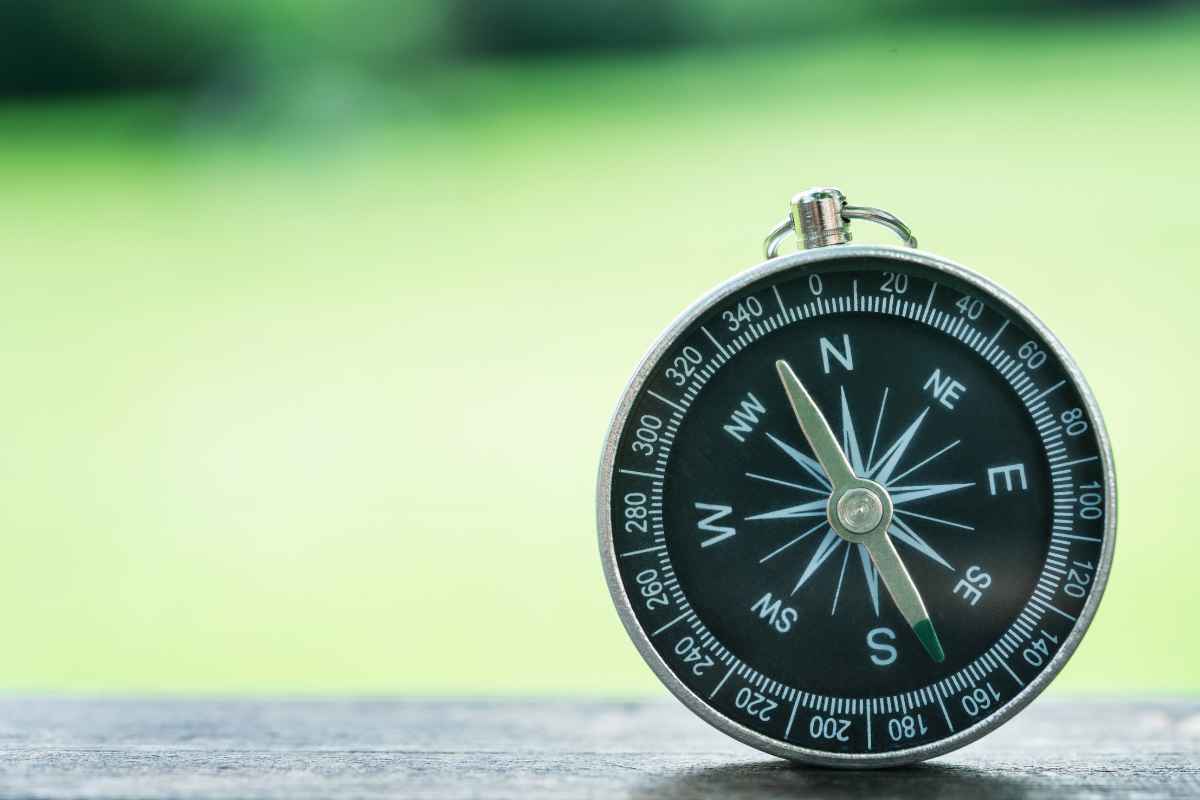
- Learn how to use a compass: Understanding basic compass skills, like taking bearings and orienting your map, will keep you on track even in dense forests or wide-open spaces. Practice using the compass alongside your map to ensure you’re comfortable with the process.
By combining map and compass skills, you'll always have a reliable method to find your way, even if all tech fails.
2. Use Natural Landmarks
When you're out in the wild, natural landmarks can be your best friend. Features like mountains, rivers, large rock formations, and unique trees can serve as guides. Here’s how to make the most of them:
- Identify prominent landmarks before you start your hike and keep them in sight whenever possible.
- Use large features like rivers or mountain ranges to orient yourself if you get turned around.
- Take note of the sun’s position during different times of the day, which can also help you determine direction.
Natural landmarks offer reliable and recognizable points of reference, helping you stay oriented in the wilderness.
3. Follow Waterways
If you're lost or unsure of your location, one of the safest strategies is to follow a waterway. Streams and rivers usually flow downhill and eventually lead to larger bodies of water, roads, or settlements. Here's how this technique works:
- Find a stream or river and follow it downstream. In most cases, water sources flow towards civilization or more navigable areas.
- Avoid walking directly in the water to preserve energy and stay dry. Instead, follow along the edge.
Waterways not only guide you to safety but can also provide fresh drinking water, a critical resource when you're in the wilderness.
4. Pay Attention to Your Surroundings
A huge part of navigating without a GPS is developing a keen sense of awareness of your surroundings. While walking through nature, it’s important to:
- Make mental notes of unique features, like oddly shaped trees, rock formations, or changes in terrain.
- Turn around occasionally to view the landscape from the opposite direction. This will help you recognize landmarks on your way back.
- Be aware of subtle changes in the environment, like shifts in vegetation or slope, as these can indicate proximity to water or changes in elevation.
By staying mindful and observant, you’ll improve your natural navigation skills and avoid getting lost.
5. Understand Basic Celestial Navigation
In case you don’t have any tools or clear landmarks, learning the basics of celestial navigation can help you find your way. Using the position of the sun, moon, and stars is an ancient and time-tested technique for wilderness navigation. Here’s how to get started:
- Use the sun: The sun rises in the east and sets in the west. During the day, you can use its position to estimate direction.
- At night, use the stars: The North Star, located near the Big Dipper, is a reliable guide in the northern hemisphere. It always points true north, making it a great tool for nighttime navigation.
Though celestial navigation may seem challenging at first, it’s a valuable skill that can come in handy when other methods fail.
Learning how to navigate the wilderness without a GPS is a rewarding and empowering skill. It allows you to rely on the natural world around you and to be more in tune with your surroundings.
By mastering map and compass skills, using natural landmarks, following waterways, staying aware of your surroundings, and understanding basic celestial navigation, you’ll be prepared to take on any wilderness adventure with confidence.
For even more outdoor tips, check out our other guides on how to stay safe and prepared in the wild. Happy exploring!
Did you find this post useful or inspiring? Save THIS PIN for later in your Outdoor Board on Pinterest! 😊

Explore these outdoor tips too