
Solo vs. Group Camping: Finding Your Comfort Zone
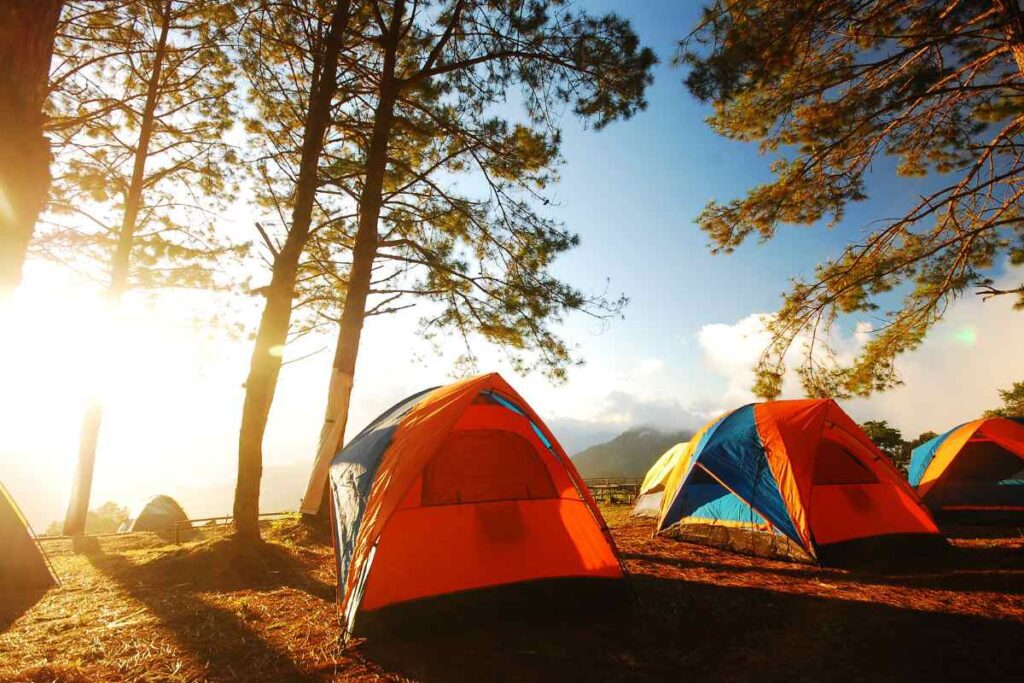
Camping is a cherished activity that allows people to reconnect with nature, unwind from the stresses of daily life, and explore the great outdoors.
Whether you prefer the solitude of solo camping or the camaraderie of group camping, each experience offers unique benefits and challenges.
Understanding the differences between these two approaches can help you determine which style best suits your comfort zone.
Camping: An Overview of Solo and Group Experiences
Camping in any form is about immersing yourself in nature, but the dynamics of the experience can vary significantly depending on whether you choose to go solo or with a group.
Solo camping is often favored by those seeking peace, introspection, and a deep connection with the environment.
On the other hand, group camping appeals to those who enjoy sharing the adventure, making memories with friends or family, and benefiting from the support of others.
The Appeal of Solo Camping
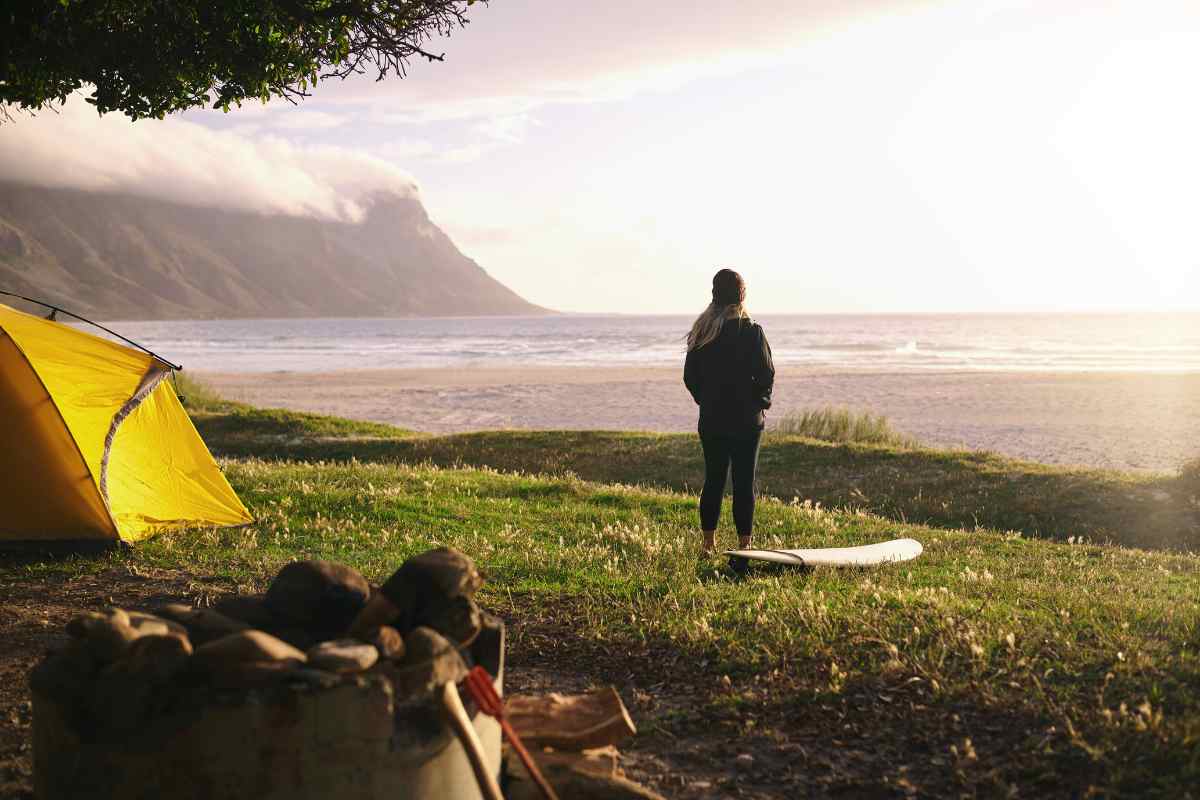
One of the most compelling reasons to choose solo camping is the opportunity for deep personal reflection.
Being alone in nature allows you to disconnect from the distractions of everyday life and focus on your thoughts, emotions, and personal growth.
The silence and solitude provide a perfect environment for introspection, creativity, and mental clarity.
Freedom and Flexibility
Solo camping offers unparalleled freedom and flexibility. Without the need to coordinate with others, you can set your own pace, choose your campsite, and make spontaneous decisions about your activities.
This autonomy allows you to fully immerse yourself in the experience and tailor your trip to your preferences.
Building Self-Reliance
Camping alone is a test of self-reliance. With no one else to depend on, you must take full responsibility for your safety, navigation, and survival.
This can be both challenging and rewarding, as it builds confidence and hone your outdoor skills.
Successfully navigating the wilderness on your own can be a powerful experience that boosts your self-esteem and independence.
The Appeal of Group Camping
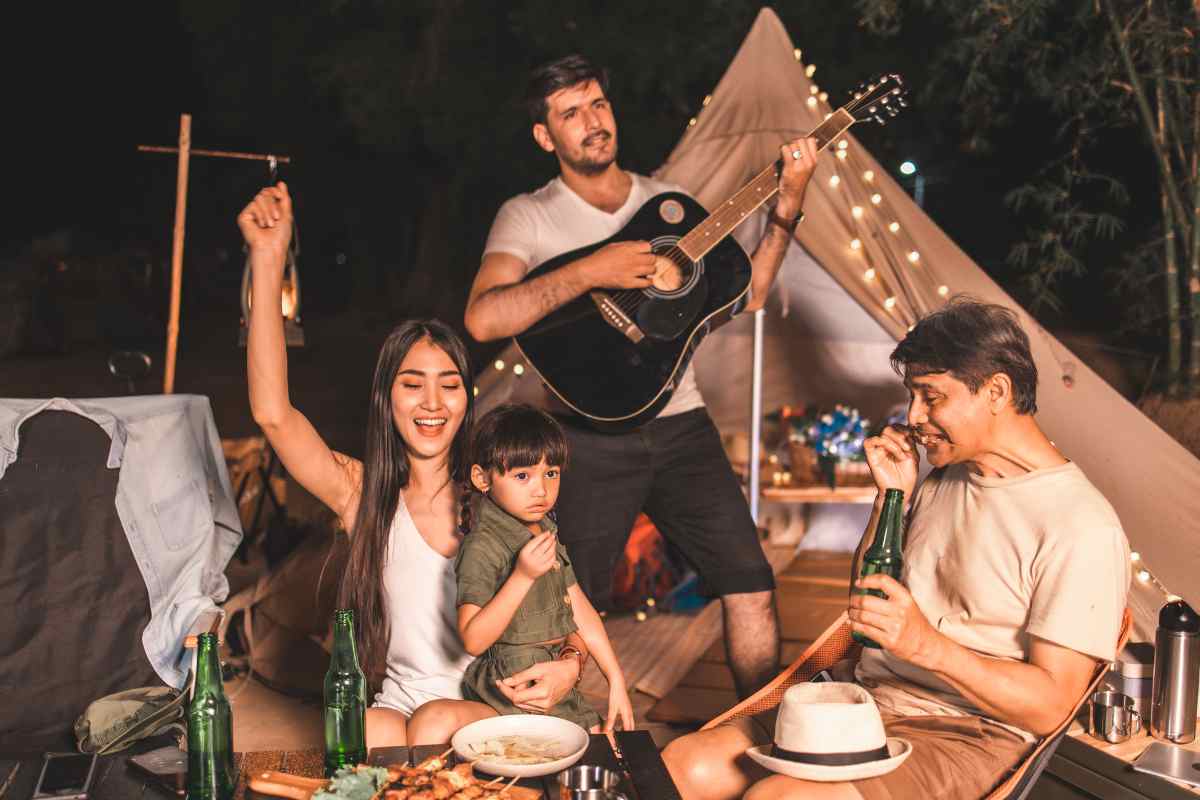
Group camping is all about creating and sharing memories with others. Whether you’re camping with family, friends, or a group of like-minded adventurers, the camaraderie and social interaction enhance the experience.
Campfire stories, group hikes, and shared meals foster strong bonds and create lasting memories that are often cherished for years to come.
Safety in Numbers
One of the key advantages of group camping is the added layer of safety. In the wilderness, there’s always strength in numbers.
Having multiple people around reduces the risk of accidents and increases your ability to handle emergencies.
Whether it’s helping each other set up camp, navigating difficult terrain, or dealing with unexpected situations, having a group can provide a sense of security and support.
Shared Responsibilities
In a group setting, the workload can be shared among participants. Tasks such as cooking, setting up tents, and gathering firewood can be divided, making the camping experience more enjoyable and less strenuous for everyone.
This collaborative effort allows you to focus more on enjoying the outdoors and less on the practicalities of camping.
Challenges of Solo Camping
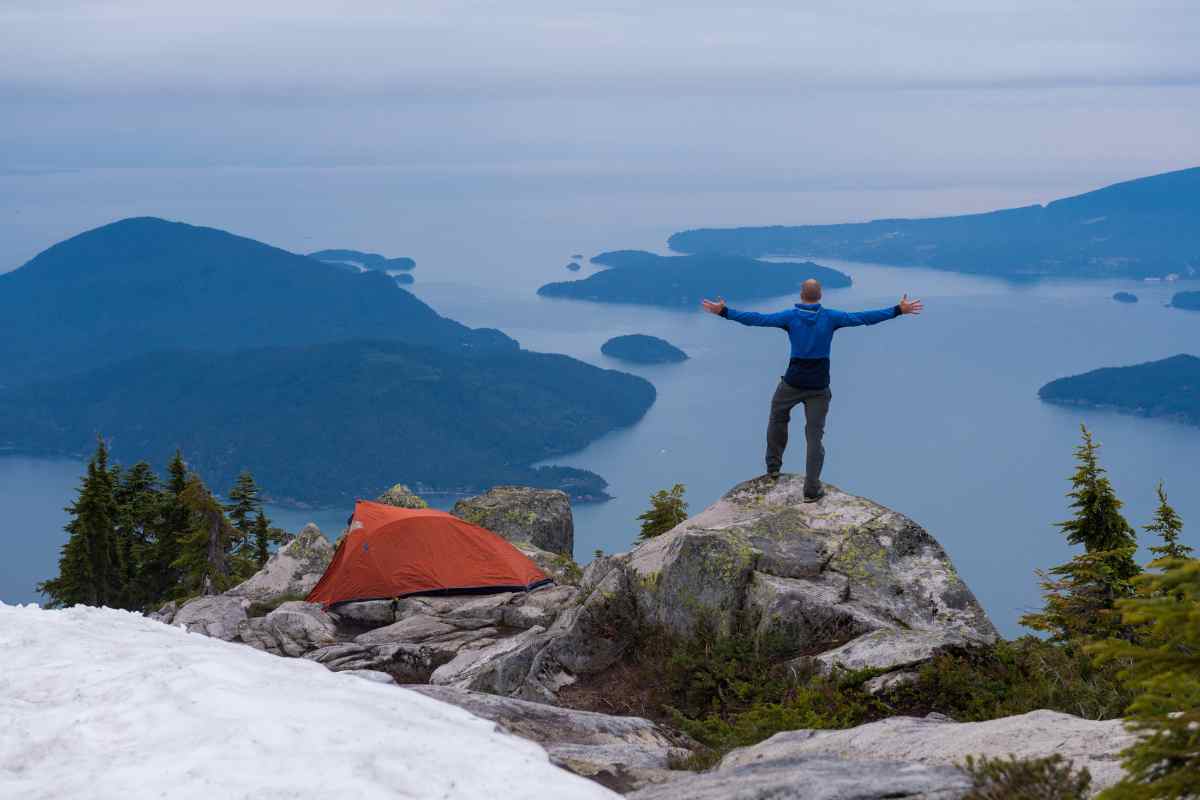
While solo camping offers solitude, it can also lead to feelings of loneliness and isolation, especially on longer trips.
Being alone in the wilderness can be emotionally challenging, particularly if you encounter difficulties or experience anxiety about your surroundings.
For some, the silence can be unsettling, and the absence of human interaction may lead to a sense of disconnection.
Increased Risk and Responsibility
When you camp alone, you are solely responsible for your well-being. This increases the risk factor, as there’s no one to assist you in case of an injury, illness, or unexpected challenge.
Navigating unfamiliar terrain, setting up camp, and cooking meals all fall on your shoulders, which can be physically and mentally demanding.
Limited Social Interaction
For those who thrive on social interaction, solo camping may feel isolating. Without companions to share the experience, you might miss the laughter, conversations, and shared adventures that come with group camping.
The absence of social support can make the trip feel less enjoyable for those who prefer company.
Challenges of Group Camping
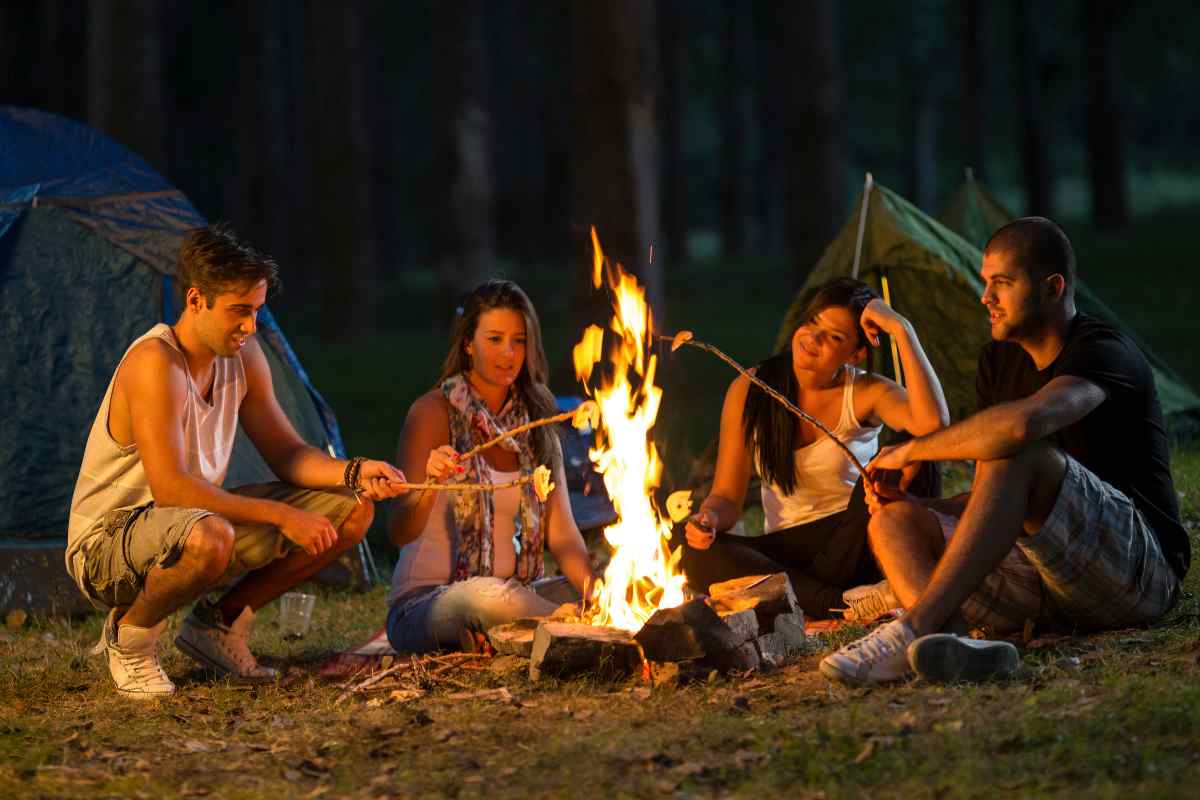
Group camping isn’t always smooth sailing. Managing group dynamics can be challenging, especially if there are differences in opinions, preferences, or camping styles.
Conflicts can arise over decisions like campsite selection, meal planning, or activity choices. Navigating these challenges requires patience, compromise, and effective communication.
Less Personal Freedom
In a group setting, decisions often need to be made collectively, which can limit your freedom. You may have to compromise on your preferred pace, activities, or campsite.
The need to accommodate others can sometimes detract from the sense of spontaneity and personal exploration that solo camping offers.
Logistical Complexity
Organizing a group camping trip can be more logistically complex than camping alone. Coordinating schedules, transportation, and gear for multiple people requires careful planning and organization.
Additionally, group camping may involve larger campsites and more equipment, which can add to the overall effort and cost.
Finding Your Comfort Zone
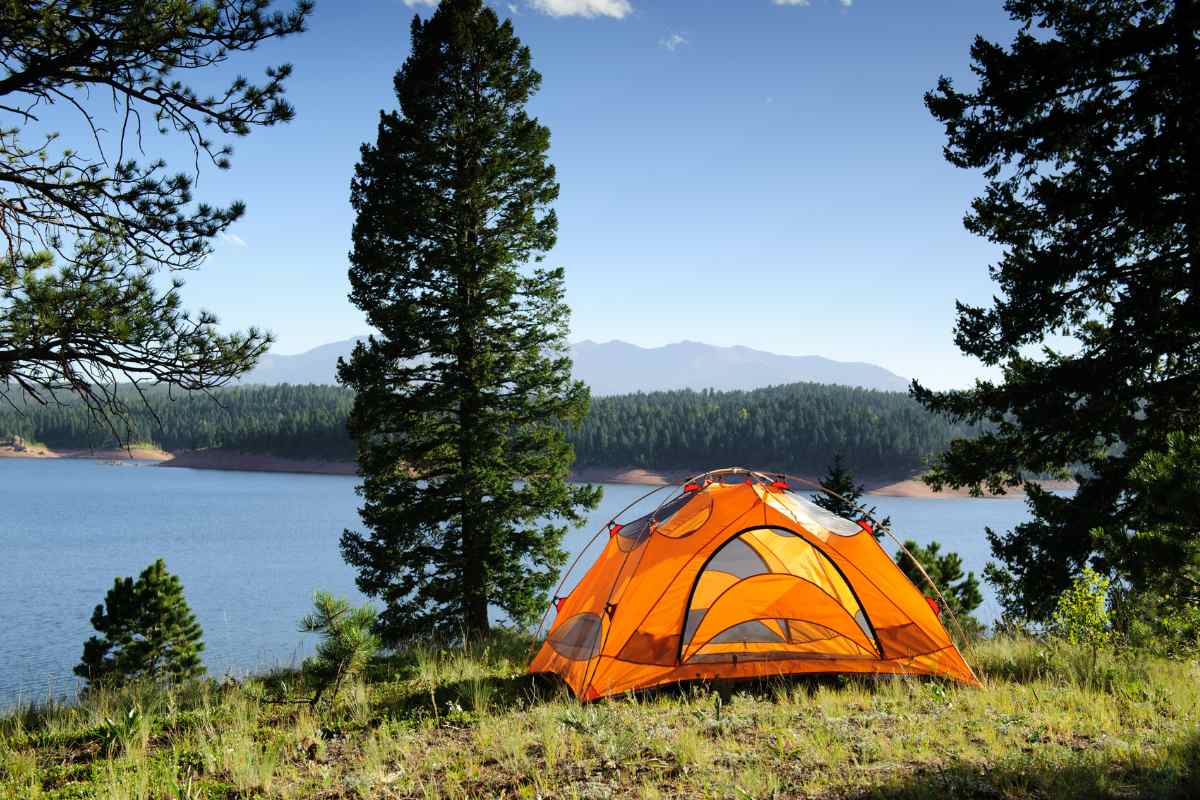
When deciding between solo camping and group camping, it’s important to assess your personal preferences and comfort level.
Consider whether you thrive in solitude or enjoy the company of others. Reflect on your outdoor skills, confidence in navigating the wilderness, and your desire for social interaction versus personal reflection.
Considering the Environment
The environment you plan to camp in can also influence your decision. Solo camping might be more appealing in peaceful, less challenging environments where safety concerns are minimal.
Conversely, group camping could be more suitable for remote, rugged terrains where the support and safety of others are beneficial.
Balancing Both Experiences
You don’t have to choose one over the other. Many outdoor enthusiasts enjoy both solo camping and group camping at different times, depending on their mood, goals, and the nature of the trip.
Balancing both experiences allows you to enjoy the best of both worlds and adapt your camping style to suit different situations.
Embracing Your Camping Style
Camping is a deeply personal experience, and whether you choose to go solo or with a group, the key is to find what makes you feel most comfortable and fulfilled.
Both solo camping and group camping offer unique advantages and challenges, and there’s no right or wrong way to enjoy the great outdoors.
By understanding your preferences and being open to trying both styles, you can discover the joys of camping in a way that resonates with you.
In the end, camping is about connecting with nature, whether you’re seeking solitude or sharing the experience with others.
Finding your comfort zone will ensure that your time outdoors is enjoyable, safe, and memorable, no matter how you choose to experience it.
Did you find this post useful or inspiring? Save THIS PIN for later in your Outdoor Board on Pinterest! 😊

Explore these outdoor tips too