
The Best Techniques for Catching Waves While Surfing
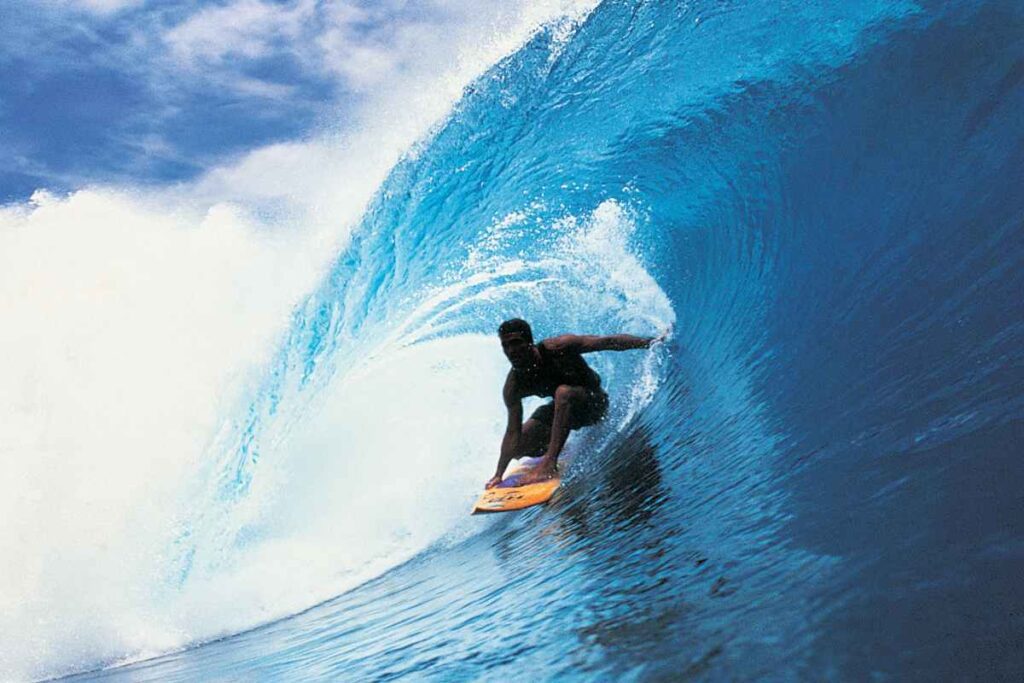
Catching waves while surfing is the fundamental skill that every surfer must master to fully enjoy the sport. It’s not just about paddling out and waiting for the right wave; it involves a combination of timing, positioning, and technique.
Whether you are a beginner looking to catch your first wave or an experienced surfer aiming to refine your skills, understanding the best techniques for catching waves can make a significant difference in your performance and overall surfing experience.

Catching Waves While Surfing: The Basics
To excel at catching waves while surfing, it's crucial to understand the basics. The key is to position yourself correctly on your surfboard and use efficient paddling techniques to match the speed of the wave.
Proper timing and reading the ocean conditions also play a vital role. By mastering these elements, you'll increase your chances of successfully catching waves and riding them with confidence.
1. Positioning Yourself Correctly
The foundation of catching waves while surfing begins with proper positioning. This involves not only where you are on your surfboard but also where you position yourself in the water relative to the waves.
Key tips for positioning:
- Find the Sweet Spot on Your Board: Lying too far back or too far forward on your board can throw off your balance and decrease your paddling efficiency. The sweet spot is typically where the board feels balanced and glides smoothly over the water without the nose tipping up or down too much.
- Stay in the Impact Zone: Position yourself in the impact zone where the waves are breaking. This area is crucial for catching waves, but be mindful of the conditions and choose a spot where waves are consistently breaking.
- Angle Your Board Toward the Shore: When a wave approaches, make sure your board is angled toward the shore and in line with the direction you want to ride. This helps in catching the wave smoothly and maintaining balance.
2. Timing is Everything
Timing is one of the most crucial aspects of catching waves while surfing. Even if you’re in the right position, failing to time your paddle correctly can result in missing the wave or wiping out.
How to improve your timing:
- Watch the Waves: Before you paddle out, spend time observing the waves. Notice the patterns, size, and speed of the sets. This will help you anticipate when and where the waves will break.
- Start Paddling Early: Begin paddling as soon as you see a potential wave forming behind you. It’s better to start paddling early and adjust your speed rather than starting too late and missing the wave entirely.
- Match the Speed of the Wave: As the wave gets closer, increase your paddling speed to match the wave’s speed. This will help you catch the wave more effectively and maintain control as you pop up.
3. Mastering the Paddle Technique
Your paddle technique is directly linked to your ability to catch waves. A strong, efficient paddle helps you gain the necessary speed and power to match the wave’s momentum.
Effective paddle techniques:
- Use Your Whole Body: Engage your core, back, and shoulders in your paddling motion. This not only gives you more power but also reduces fatigue.
- Keep Your Fingers Together: Paddling with your fingers together increases the surface area of your hand, allowing you to push more water with each stroke.
- Stay Relaxed but Focused: Maintain a relaxed upper body to reduce fatigue, but stay focused and ready to accelerate your paddling when needed.
4. Popping Up with Precision
The pop-up is the transition from lying on your board to standing up. A smooth and quick pop-up is essential for catching waves and riding them effectively.
Steps for a successful pop-up:
- Get into Position: As you feel the wave lift the tail of your board, position your hands near your ribcage, ready to push up.
- Push Up Quickly: Use a quick, explosive motion to push your upper body off the board, bringing your front foot forward.
- Land with Bent Knees: Aim to land with your knees slightly bent, keeping your center of gravity low to maintain balance and absorb any shocks from the wave.
5. Reading the Waves
Reading the waves is a skill that separates good surfers from great surfers. Understanding how waves break and their patterns can help you position yourself correctly and anticipate the best time to catch them.
Tips for reading waves:
- Identify Different Types of Waves: Know the difference between closeouts (waves that break all at once), barrels (hollow waves), and peeling waves (waves that break gradually). Each type requires a different approach.
- Look for A-Frames: A-frames are waves that peak in the middle and break both ways. These waves are ideal for catching because they offer more riding options.
- Observe the Swell Direction and Tides: Waves are affected by the direction of the swell and the tides. Understanding how these factors influence wave formation can help you predict where the best waves will break.

6. Utilizing the Duck Dive or Turtle Roll
When paddling out to catch waves, you need to navigate through breaking waves. Mastering the duck dive (for shortboards) or the turtle roll (for longboards) allows you to get through oncoming waves efficiently without getting pushed back.
How to perform these techniques:
- Duck Dive: Push down on the nose of your board with your hands while kicking up your feet. As the wave passes over, pull your body and board under the wave, using your foot to push the tail down deeper.
- Turtle Roll: For larger boards, grab the rails (sides) of your board and roll yourself and the board upside down as the wave approaches. Hold on tight and let the wave pass over you before flipping back over.
7. Staying Calm and Focused
Mental composure is an often overlooked but essential part of catching waves while surfing. Staying calm and focused helps you react quickly to changing conditions and maintain balance and control.
Ways to stay calm and focused:
- Practice Breath Control: Breathing steadily helps maintain calmness and focus, especially when waiting for waves or after a wipeout.
- Visualize Success: Visualize yourself successfully catching and riding waves. This mental preparation can increase confidence and reduce anxiety.
- Stay Positive: Surfing involves a lot of trial and error. Staying positive and learning from each attempt helps improve your skills over time.
8. Choosing the Right Equipment
Your choice of equipment can greatly impact your ability to catch waves.
Beginners should start with a larger, more buoyant board that offers stability, while more experienced surfers may prefer a smaller, more maneuverable board for sharper turns and faster rides.
Equipment considerations:
- Board Size and Shape: A longer board (like a longboard) is more stable and easier for beginners to learn on. Shortboards are better for advanced surfers looking to perform tricks and maneuvers.
- Leash and Fins: Ensure your board leash is the correct length and that your fins are appropriate for the type of waves you’ll be surfing. Larger fins offer more stability, while smaller fins provide better maneuverability.
- Wax and Traction Pad: Apply wax to your board to prevent slipping and consider using a traction pad for better grip.
9. Practice Makes Perfect
The most important technique for catching waves while surfing is consistent practice. Surfing is a sport that requires time and patience to master.
Regular practice helps you develop muscle memory and an intuitive understanding of wave patterns, making it easier to catch and ride waves.
Tips for effective practice:
- Set Realistic Goals: Start with small, achievable goals, such as catching a specific number of waves in a session or improving your pop-up technique.
- Learn from Others: Watch experienced surfers and learn from their techniques. Consider taking lessons from a professional instructor to get personalized feedback.
- Review and Reflect: After each surf session, take some time to reflect on what went well and what could be improved. This self-assessment is crucial for continuous improvement.
10. Safety First
While focusing on techniques for catching waves, never forget about safety. Always be aware of your surroundings, respect local surf etiquette, and know your limits to prevent accidents.
Safety tips:
- Know the Local Rules: Different beaches have different rules and etiquette. Always be respectful of other surfers and follow the local guidelines.
- Be Aware of Your Surroundings: Keep an eye out for other surfers, swimmers, and obstacles. Always look both ways before paddling into a wave.
- Understand Your Limits: Don’t push yourself beyond your skill level. If the conditions are too challenging, it’s okay to sit out and watch.

Catching waves while surfing is an art that takes physical skill, mental focus, and an understanding of the ocean.
By mastering the techniques outlined above—such as proper positioning, timing, paddling, and reading waves—you can improve your ability to catch waves and enjoy surfing to its fullest.
Remember, surfing is about having fun and connecting with nature, so keep practicing, stay safe, and enjoy the ride!
Did you find this post useful or inspiring? Save THIS PIN for later in your Outdoor Board on Pinterest! 😊


Explore these outdoor tips too