
The Best Ways to Purify Water While Camping
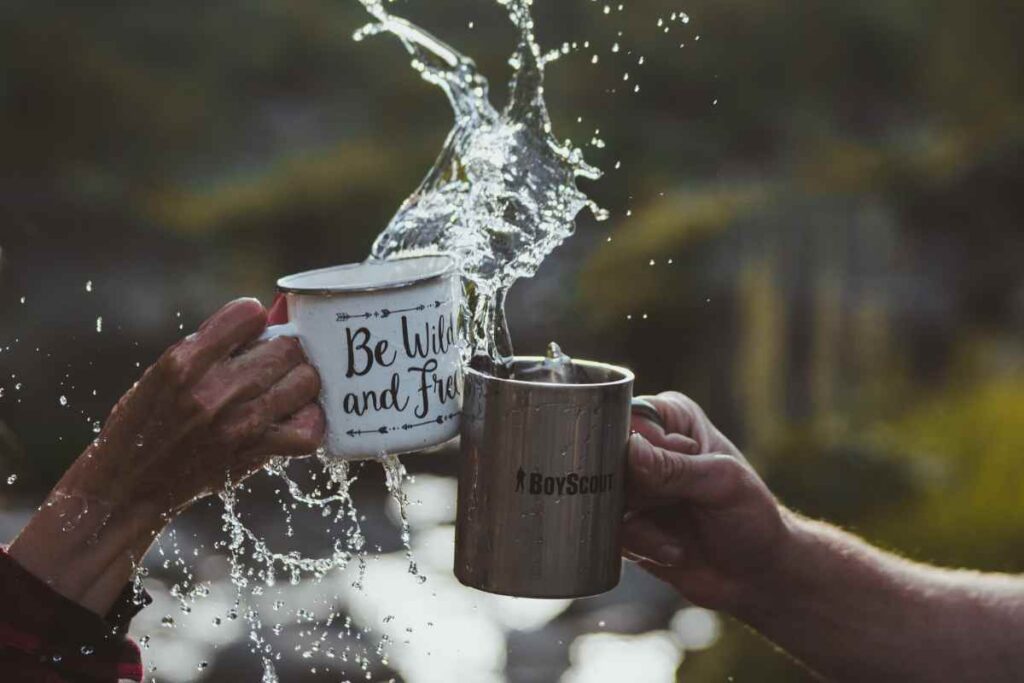
When you're out in the wild, one of the most critical survival skills is knowing how to purify water.
Clean drinking water is essential for staying healthy and hydrated, and when you're camping, you can't always rely on finding a safe water source.
Whether you're camping in a remote area or just want to be prepared for any situation, understanding how to purify water is a skill every camper should have.
How to Purify Water in the Wild
Purifying water in the wild is crucial because natural water sources can contain harmful bacteria, viruses, parasites, and chemicals that can make you sick.
Even crystal-clear mountain streams can harbor microorganisms that cause waterborne illnesses. Here are the best methods to ensure the water you drink is safe:
1. Boiling Water
Boiling is one of the most effective and simplest ways to purify water while camping.
By bringing water to a rolling boil for at least one minute (or three minutes at higher altitudes), you kill off most harmful organisms, including bacteria, viruses, and parasites.
Boiling does not remove chemical pollutants, but it is highly effective for biological contaminants.
How to Boil Water:
- Collect water from a stream, lake, or river.
- Pour the water into a pot or a metal container.
- Place the pot over a fire or a portable camping stove.
- Allow the water to reach a rolling boil and keep it boiling for at least one minute.
- Let the water cool before drinking.
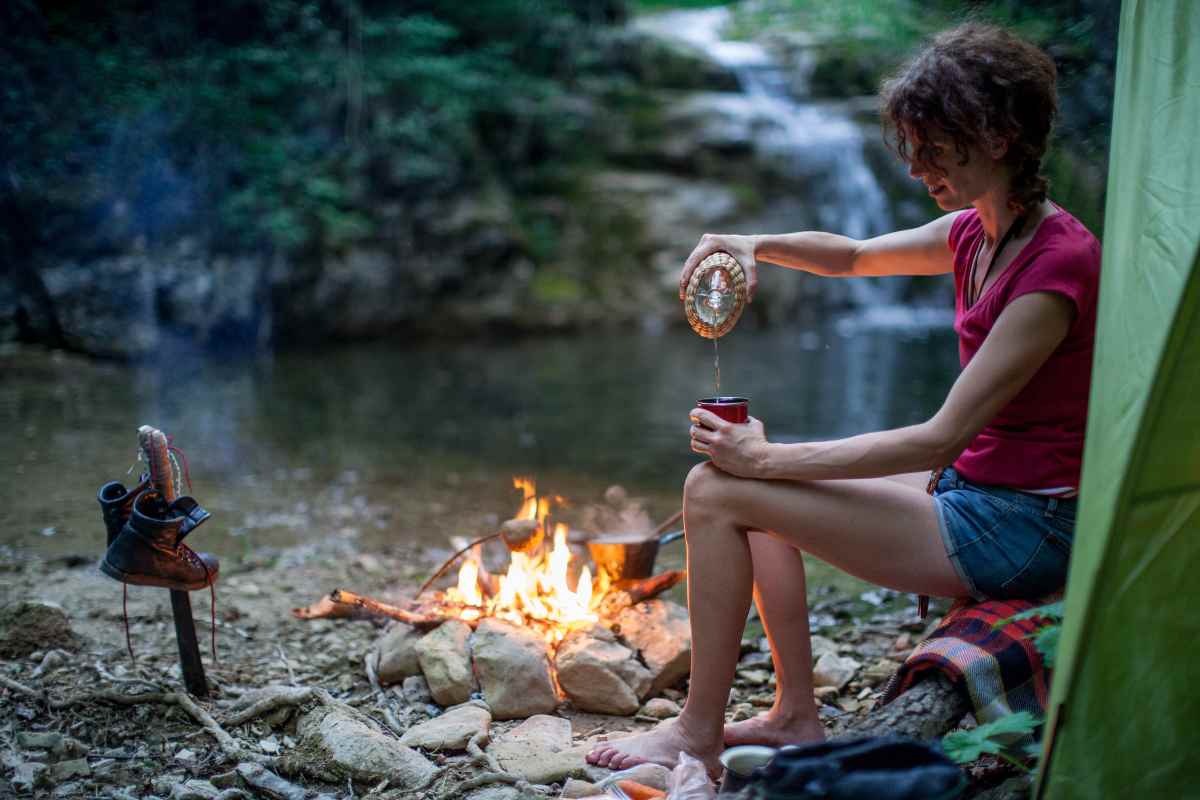
2. Water Filtration Systems
Portable water filters are an excellent way to purify water while camping. These devices typically use a pump or gravity system to push water through a filter that removes bacteria, protozoa, and sometimes even viruses.
There are different types of filters, including ceramic, carbon, and hollow fiber filters, each designed to target specific contaminants.
Advantages of Water Filtration:
- Filters are lightweight and easy to carry.
- Most filters remove bacteria, protozoa, and microplastics.
- Some advanced filters also remove viruses.
How to Use a Water Filter:
- Fill the filter's reservoir or attach it to a water bottle.
- Pump or let gravity pull the water through the filter.
- Drink directly from the filter or pour the purified water into another container.
3. Chemical Water Purification
Using chemical tablets or drops is another reliable method to purify water in the wild.
These chemicals, such as iodine or chlorine dioxide, kill bacteria, viruses, and protozoa, making the water safe to drink.
Chemical purification is especially useful when you're on the move and don't have time to set up a fire or filter.
Types of Chemical Purifiers:
- Iodine Tablets: Effective against bacteria and viruses but less effective against some protozoa.
- Chlorine Dioxide Drops/Tablets: Kills bacteria, viruses, and protozoa, including Giardia and Cryptosporidium.
How to Use Chemical Purifiers:
- Collect water from a source.
- Drop the recommended number of tablets or drops into the water.
- Shake or stir the water to ensure even distribution.
- Wait for the recommended time (usually 30 minutes to 4 hours, depending on the chemical and water temperature).
- The water is now safe to drink.
4. UV Light Purification
UV light purifiers are a modern and efficient way to purify water while camping. These devices use ultraviolet light to destroy the DNA of bacteria, viruses, and protozoa, rendering them harmless.
UV light purifiers are portable, easy to use, and effective, but they require batteries and clear water to work properly.
How UV Light Purification Works:
- Fill a water bottle with clear water.
- Turn on the UV light purifier and insert it into the bottle.
- Stir the water to ensure even exposure to the light.
- The water is safe to drink in about 90 seconds.
5. Solar Disinfection (SODIS)
Solar disinfection is an eco-friendly way to purify water using only sunlight. This method is ideal for sunny days and requires minimal equipment.
The UV rays from the sun kill harmful microorganisms, making the water safe to drink.
How to Perform Solar Disinfection:
- Fill a clear plastic or glass bottle with water.
- Place the bottle in direct sunlight for at least 6 hours (if the sky is partly cloudy, leave it for up to 48 hours).
- The UV rays and heat from the sun will kill most pathogens.
- The water is now ready to drink.
6. Distillation
Distillation is one of the most thorough methods to purify water, as it removes not only biological contaminants but also heavy metals and other impurities.
This method involves heating water to create steam, which is then collected and condensed back into liquid form, leaving impurities behind.
Steps for Distillation:
- Heat the water in a pot.
- Capture the steam using a clean cloth or another container.
- Allow the steam to condense back into water in a separate container.
- The resulting water is free of most contaminants and is safe to drink.
7. Improvised Water Purification
In an emergency, you may not have access to the usual water purification tools. Knowing a few improvised methods can save you in a pinch:
Creating a Basic Sand and Charcoal Filter:
- Gather fine sand, charcoal, and gravel.
- Layer these materials in a container with a small hole at the bottom.
- Pour the water through the filter; it will pass through the layers and come out cleaner at the bottom.
Using the Sun and Plastic Bags:
- Collect water in a clear plastic bag and place it in direct sunlight.
- This method relies on the sun’s UV rays to kill some bacteria, though it's less effective than other methods.
8. Water Purification Tips and Precautions
While the methods above are effective, there are some tips and precautions you should consider to ensure the water you drink is truly safe:
1. Choose the Cleanest Water Source:
- Always try to collect water from flowing sources like streams or rivers rather than stagnant ponds or lakes.
- Avoid water that looks murky, has an unusual color, or has a foul odor.
2. Be Mindful of Chemical Contaminants:
- If you suspect the water may be contaminated with chemicals (e.g., pesticides or industrial runoff), boiling and filtration may not be sufficient. Consider using a water filter specifically designed to remove chemicals or distill the water if possible.
3. Don’t Rely Solely on One Method:
- In some cases, using multiple water purification methods can provide additional safety. For example, you might filter the water first and then boil it to ensure that both biological and chemical contaminants are removed.
4. Test Your Water Purification Gear:
- Before heading out on a camping trip, test your water purification equipment to make sure it's functioning properly. Check the condition of your filters, batteries, and any other gear to avoid unpleasant surprises in the wild.
5. Consider the Environment:
- When using chemical treatments, be aware of the environmental impact. Dispose of any residual chemicals responsibly to avoid contaminating the natural environment.
Knowing how to purify water while camping is an essential skill that can keep you safe and healthy in the wild.
Whether you're boiling water over a campfire, using a portable filter, or employing a chemical treatment, each method has its advantages and limitations.
By understanding these methods and practicing them before your trip, you'll be well-prepared to ensure a safe and enjoyable camping experience.
Remember, clean water is the foundation of good health, so always prioritize water purification in your outdoor adventures.
Did you find this post useful or inspiring? Save THIS PIN for later in your Outdoor Board on Pinterest! 😊

Explore these outdoor tips too