
The Pros and Cons of Different Camping Shelters

When planning a camping trip, choosing the right shelter is crucial for comfort and safety.
Different Camping Shelters offer various advantages and disadvantages, depending on your destination, weather conditions, and personal preferences.
In this post, we'll explore the pros and cons of popular camping shelters, including tents, hammocks, tarps, and RVs, to help you decide which option best suits your next adventure.
Different Camping Shelters
Selecting a camping shelter involves more than just personal preference; it requires careful consideration of the environment, the type of camping you're doing, and your comfort needs.
For instance, a hiker looking for lightweight gear will have different requirements than a family seeking a comfortable, home-like experience in the great outdoors.
Understanding the strengths and limitations of each shelter type can help you make an informed decision, ensuring that your camping trip is both enjoyable and safe.
Let's dive into the details of each shelter option to see what might work best for your next outing.
Tents: The Classic Choice
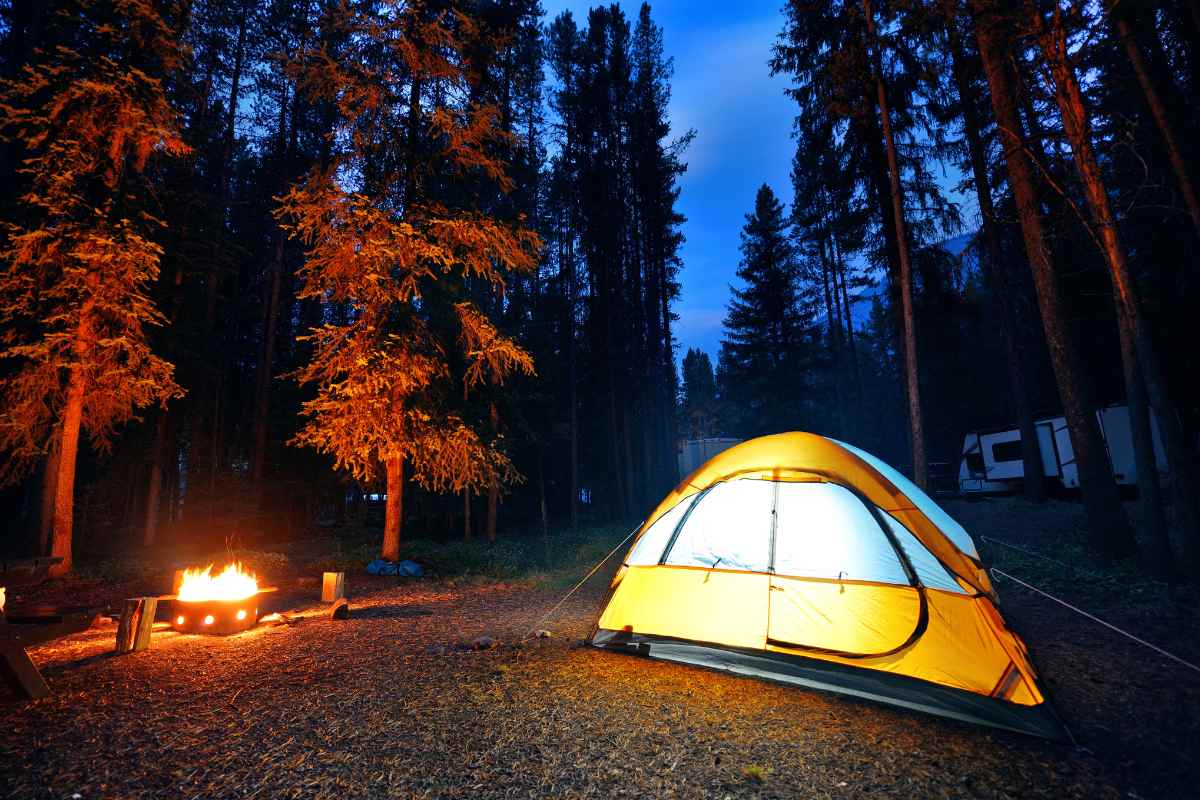
Tents are perhaps the most traditional and widely used type of camping shelter.
They come in various sizes and styles, from lightweight backpacking tents to spacious family tents.
Pros:
- Versatility: Tents can be set up in diverse environments, whether camping in the woods, mountains, or on a beach.
- Protection from Elements: Tents provide reliable protection against rain, wind, and insects. Many are designed with waterproof materials and come with additional rainfly covers.
- Privacy: Tents offer a level of privacy that's hard to find in more open shelters like tarps or hammocks.
Cons:
- Setup Time: Depending on the size and complexity, setting up a tent can be time-consuming and requires some skill.
- Weight and Bulk: Tents, especially larger ones, can be heavy and take up significant space in your pack.
- Ventilation Issues: In hot weather, tents can become stuffy and uncomfortable if not properly ventilated.
Hammocks: For the Minimalist Camper
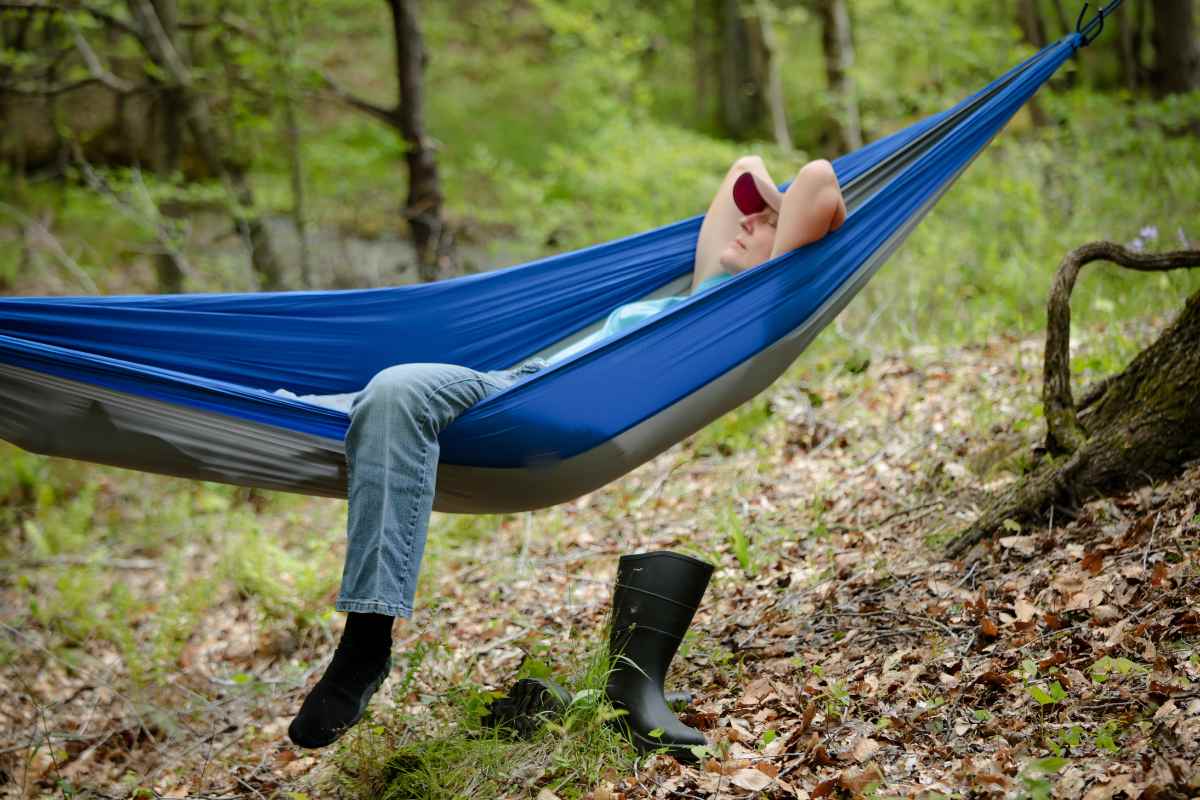
Hammocks have become increasingly popular among campers who prioritize lightweight and compact gear.
They are particularly favored by solo hikers and backpackers.
Pros:
- Lightweight and Portable: Hammocks are significantly lighter and more compact than tents, making them ideal for backpacking.
- Quick Setup: Setting up a hammock is generally faster and easier than pitching a tent, especially if you have the right straps and anchors.
- Comfort: Many campers find sleeping in a hammock more comfortable than sleeping on the ground, as it can alleviate pressure points and provide a gentle rocking motion.
Cons:
- Limited Shelter: Hammocks offer little protection from rain, wind, and insects without additional accessories like rainflys and bug nets.
- Tree Dependence: Hammocks require sturdy trees or other anchor points, limiting their use in areas without suitable trees.
- Solo Use: While double hammocks exist, they are not as comfortable for two people as a tent.
Tarps: The Ultimate in Flexibility
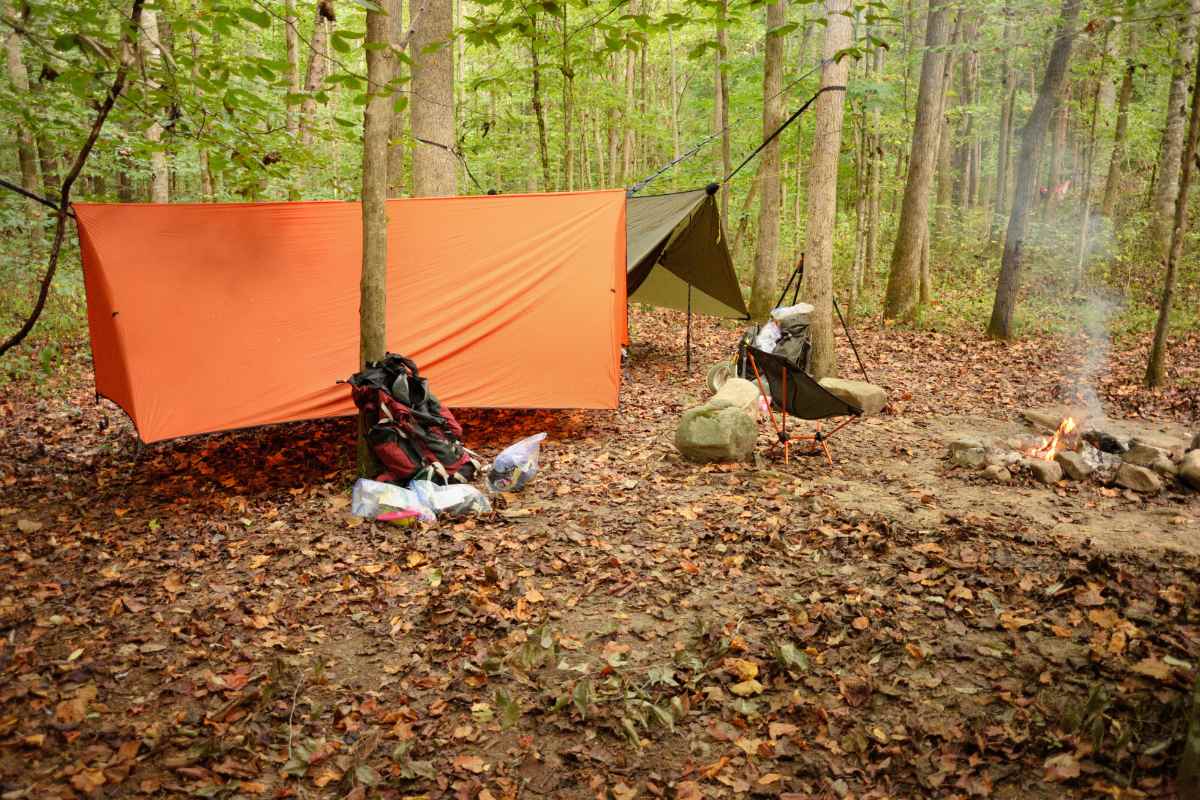
Tarps are the most versatile and minimalist shelter option, appealing to ultralight backpackers and survivalists.
Pros:
- Versatility: Tarps can be configured in numerous ways to suit different environments and weather conditions.
- Lightweight: They are among the lightest shelter options, adding minimal weight to your pack.
- Cost-Effective: Tarps are generally less expensive than tents and hammocks.
Cons:
- Skill Required: Properly setting up a tarp requires knowledge of various configurations and knots.
- Limited Protection: Tarps provide less protection from the elements compared to tents and may require additional gear like ground cloths and bug nets.
- Privacy Issues: Tarps offer minimal privacy, which can be a concern in crowded campgrounds.
RVs: Camping in Comfort
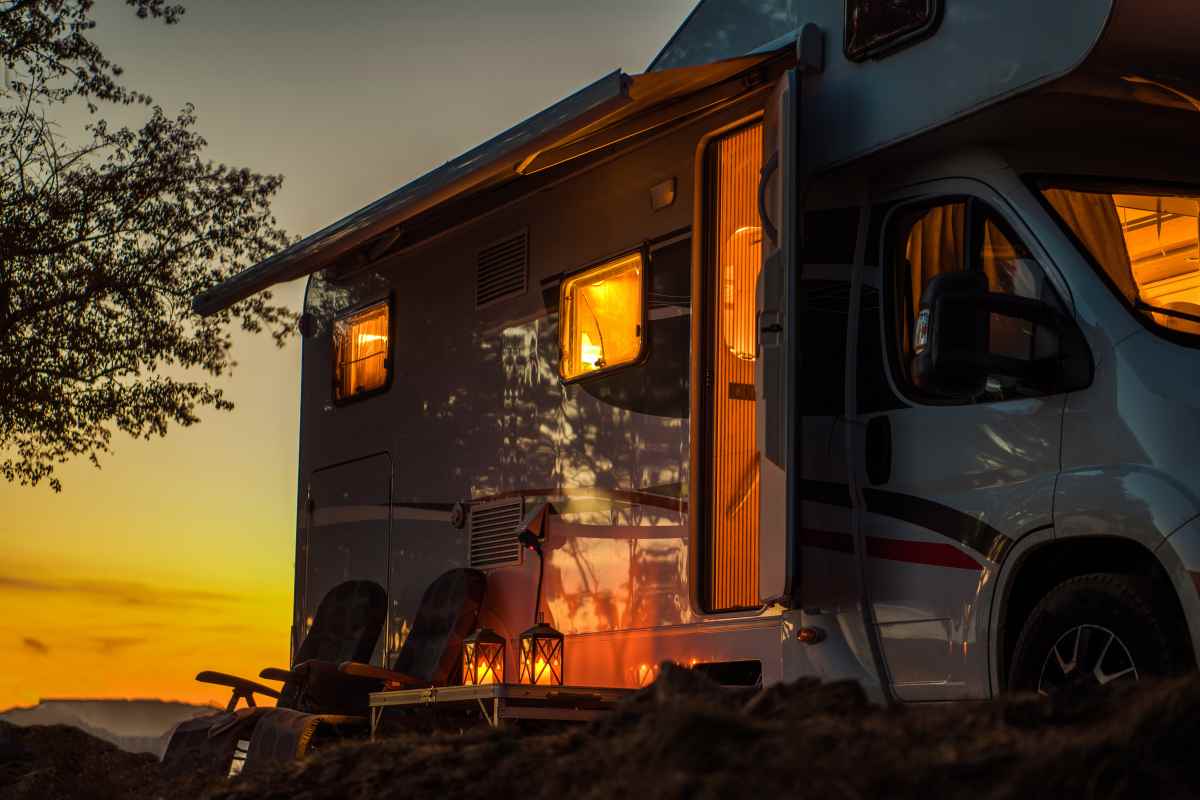
For those who prefer not to rough it, RVs (recreational vehicles) offer a comfortable and convenient camping experience.
Pros:
- Comfort: RVs provide amenities like beds, kitchens, and bathrooms, making camping more comfortable.
- Protection from Elements: They offer excellent protection from all weather conditions, ensuring you stay dry and warm.
- Convenience: With an RV, there's no need to set up or break down camp, making it easier to travel from place to place.
Cons:
- Cost: RVs are expensive to purchase and maintain. They also incur additional costs for fuel and campsite fees.
- Accessibility: They are not suitable for all camping locations, particularly remote or rugged areas.
- Environmental Impact: RVs have a larger environmental footprint due to fuel consumption and the need for designated parking areas.
Choose the Best Camping Shelter for Your Adventure
Choosing the right camping shelter depends on your specific needs and preferences. Different Camping Shelters each have their unique advantages and disadvantages.
Tents offer versatility and protection but can be bulky and time-consuming to set up. Hammocks are lightweight and comfortable but provide limited shelter and depend on the availability of trees.
Tarps are flexible and cost-effective but require skill and offer less protection. RVs provide comfort and convenience but come at a high cost and are less versatile in terms of camping locations.
By understanding the pros and cons of these Different Camping Shelters, you can make an informed decision and enhance your camping experience.
Whether you prioritize comfort, weight, cost, or convenience, there's a shelter option that will meet your needs and make your outdoor adventure more enjoyable.
Remember to consider the environment you'll be camping in, the weather conditions you might encounter, and your camping style when choosing your shelter. Happy camping!
Did you find this post useful or inspiring? Save THIS PIN for later in your Outdoor Board on Pinterest! 😊

Explore these outdoor tips too