
The Ultimate Survival Kit Checklist for Campers
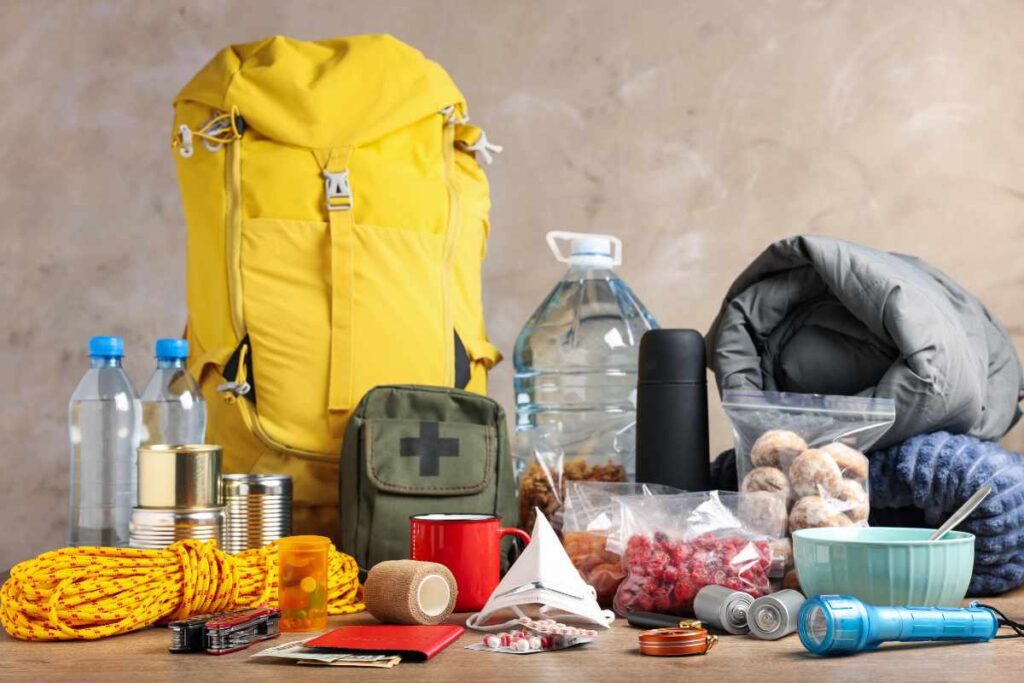
Planning your next outdoor adventure? Ensuring you have the right gear is crucial for both your safety and enjoyment. The most essential aspect of this preparation is having a comprehensive Survival Kit Checklist for Campers.
This guide will help you assemble the perfect survival kit, ensuring you're ready for any situation nature throws your way.
Why a Survival Kit is Essential
Before diving into the checklist, it’s important to understand why a survival kit is crucial. Unexpected weather changes, injuries, or getting lost are just a few of the situations that can arise.
Having a well-prepared survival kit can mean the difference between a manageable inconvenience and a serious emergency.

Shelter and Warmth
Tent or Emergency Shelter
Even if you plan to stay in a cabin, having an emergency shelter is a safety net. A compact, lightweight tent or even a tarp can provide essential protection from the elements.
Sleeping Bag
Choose a sleeping bag suitable for the climate. For colder environments, opt for a sleeping bag rated for lower temperatures. Additionally, a sleeping pad provides extra insulation from the cold ground and adds comfort.
Blanket or Bivvy Bag
An emergency blanket or bivvy bag can be life-saving if temperatures drop unexpectedly. These items are lightweight, compact, and reflect body heat to keep you warm.
Clothing
Pack clothing in layers to adapt to changing weather conditions. Essentials include a waterproof jacket, thermal underwear, and extra socks. Remember, staying dry is critical to maintaining warmth.
Fire and Light
Lighters and Waterproof Matches
Always have multiple methods to start a fire. Lighters and waterproof matches are reliable options. Store them in a waterproof container to ensure they remain functional.
Fire Starter
Magnesium fire starters or ferro rods can ignite even in wet conditions. They are a dependable backup to lighters and matches.
Flashlight and Headlamp
LED flashlights and headlamps are durable and battery-efficient. A headlamp frees your hands, which is useful for setting up camp or navigating in the dark. Don’t forget to pack extra batteries.
Candles
Candles provide light and can help start a fire in an emergency. They are lightweight and can be a valuable addition to your kit.
Navigation and Communication
Map and Compass
Knowing how to use a map and compass is vital. While GPS devices are helpful, they can fail or run out of battery. A map and compass don’t rely on batteries and are essential for navigation.
Whistle
A whistle is a simple yet effective way to signal for help if you're lost or in distress. The sound of a whistle carries farther than shouting and requires less effort.
Signal Mirror
A signal mirror can be used to attract the attention of aircraft or distant rescuers. It’s a small, lightweight tool that can be crucial in an emergency.
Two-way Radios
In areas with no cell service, two-way radios allow communication with your camping group. Ensure they are fully charged before your trip.
Food and Water
Water Filtration System
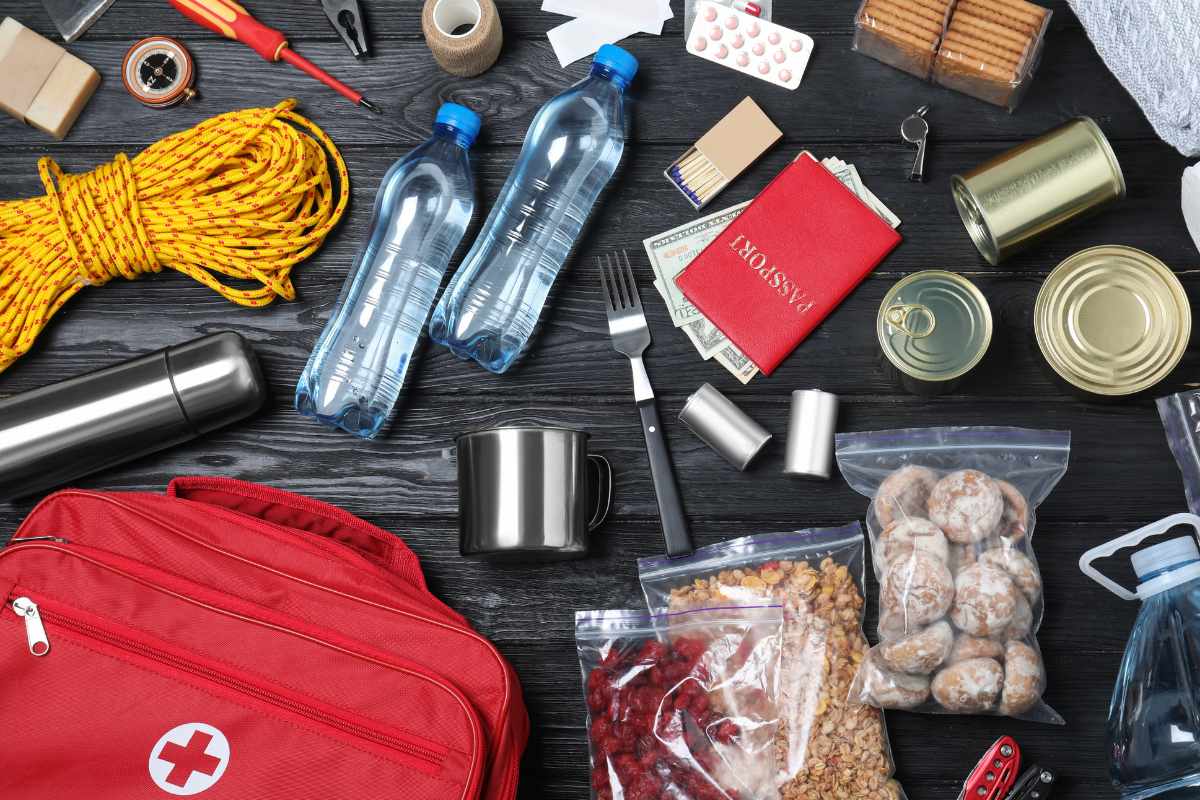
Access to clean water is crucial. Carry a water filtration system, such as a portable filter or purification tablets, to make natural water sources safe to drink.
Water Bottles or Hydration Bladders
Have containers to store water. Hydration bladders fit easily into backpacks and are convenient for drinking on the go.
Non-perishable Food
Pack high-energy, non-perishable foods like trail mix, energy bars, and dehydrated meals. These are lightweight, have a long shelf life, and provide essential nutrients.
Cooking Supplies
A compact stove, fuel, and lightweight cookware are important for preparing hot meals. Don’t forget utensils and a lighter for the stove.
First Aid and Health
First Aid Kit
A well-stocked first aid kit is essential. Include items like bandages, antiseptic wipes, pain relievers, and any personal medications. Knowing basic first aid is also beneficial.
Insect Repellent and Sunscreen
Protect yourself from insects and harmful UV rays. Pack insect repellent, sunscreen, and lip balm with SPF.
Personal Hygiene Items
Keep sanitary with biodegradable soap, hand sanitizer, and a small towel. Feminine hygiene products and a small shovel for digging cat holes are also important.
Tools and Multi-use Items
Multi-tool or Knife
A multi-tool or knife is indispensable for a variety of tasks, from preparing food to making repairs.
Duct Tape
Duct tape can be used for repairs, marking trails, or even as a makeshift bandage.
Rope or Paracord
Rope or paracord is useful for building shelters, securing gear, or making repairs. It’s a versatile item that takes up little space in your kit.
Emergency Repair Kit
Include items like a sewing kit, patches for inflatables, and extra buckles or clips for your gear.
Personal Items and Extras
Identification and Important Documents
Carry your ID, health insurance card, and any permits in a waterproof container.
Emergency Contact Information
Have a list of emergency contacts and a note with important health information, such as allergies or medical conditions.
Cash
In case of an emergency, having some cash on hand can be useful, especially in remote areas where electronic payments might not be possible.
Entertainment and Comfort Items
Pack a book, journal, or small game to help pass the time. Personal comfort items like a pillow or earplugs can also improve your camping experience.
Backup Power Source
A portable power bank can recharge your electronics in case of an emergency. Solar-powered options are especially useful for extended trips.
By ensuring you have these essential items, your Survival Kit Checklist for Campers will be complete, giving you peace of mind and allowing you to enjoy your outdoor adventure to the fullest. Proper preparation is key to handling any unexpected challenges and making the most of your time in nature.
Did you find this post useful or inspiring? Save THIS PIN for later in your Outdoor Board on Pinterest! 😊

Explore these outdoor tips too