
Top 10 Safety Tips for Camping in Bear Country
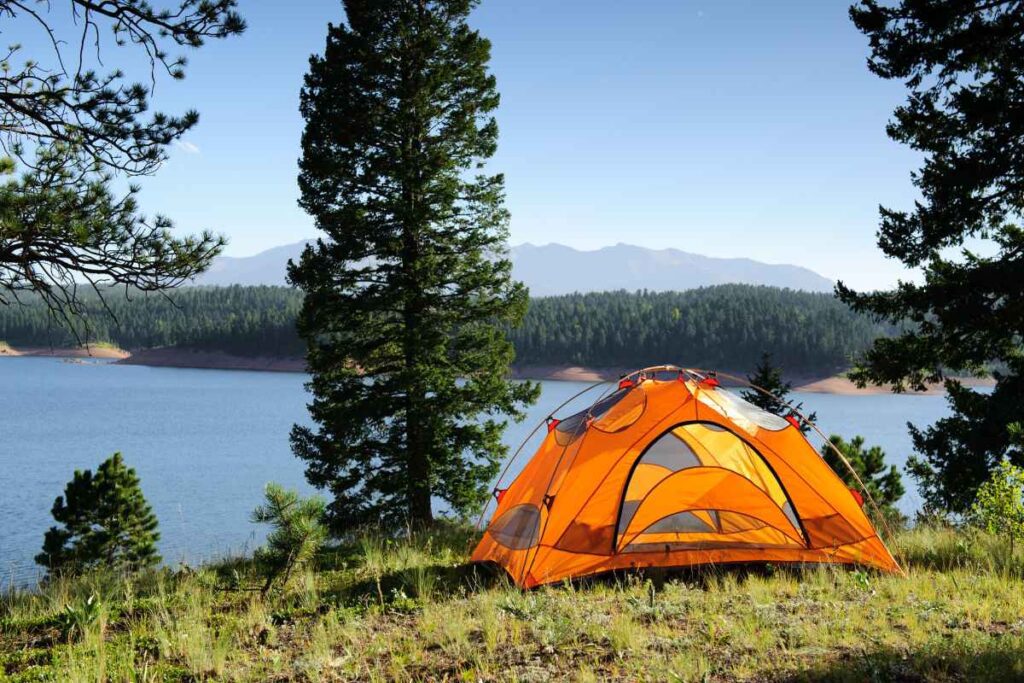
Stay safe while camping in bear country with these top 10 safety tips. Learn how to protect yourself, store food properly, and avoid bear encounters during your outdoor adventures.
Top 10 Safety Tips for Camping in Bear Country
Camping in bear country can be an exhilarating experience, but it's important to take the right precautions to ensure your safety. Bears are fascinating creatures, but they can pose a risk if not respected and handled properly.
Whether you're a seasoned camper or planning your first trip, following these top 10 safety tips for camping in bear country will help you stay safe and enjoy your adventure without worry.
1. Store Your Food Properly
The most important rule of camping in bear country is to store your food properly. Bears have an incredible sense of smell and can detect food from miles away. To keep bears away from your campsite, follow these guidelines:
- Use bear-proof containers: These hard-sided containers are designed to keep bears from accessing your food.
- Hang your food: If bear-proof containers aren’t available, hang your food at least 10 feet off the ground and 4 feet away from tree trunks.
- Keep all scented items secure: This includes not just food, but also items like toothpaste, deodorant, and even trash.
Proper food storage is key to keeping bears at bay and ensuring that they don't come sniffing around your tent.
2. Never Store Food in Your Tent
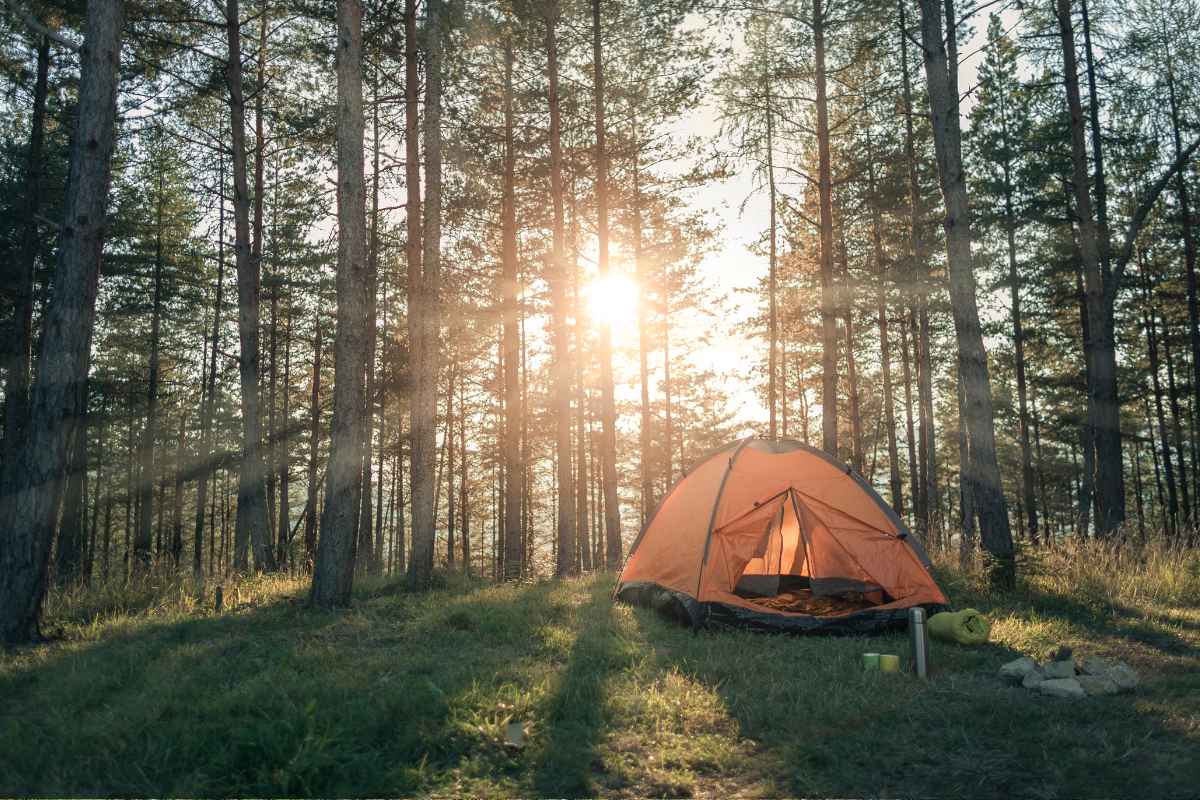
A common mistake made by novice campers is storing food in their tent. This is a big no-no in bear country, as it can attract bears directly to where you sleep. Keep all food, snacks, and scented items outside your tent, and follow the storage tips mentioned above.
By keeping your tent free of food smells, you'll greatly reduce the chances of a bear encounter while you're sleeping.
3. Set Up Your Camp Wisely
When setting up your camp in bear country, it's essential to choose the right spot. Bears are more likely to be found near food sources, such as streams or areas with dense vegetation. Here are some tips for selecting a safe camping site:
- Camp in designated bear-safe areas: These are often marked and have proper food storage facilities.
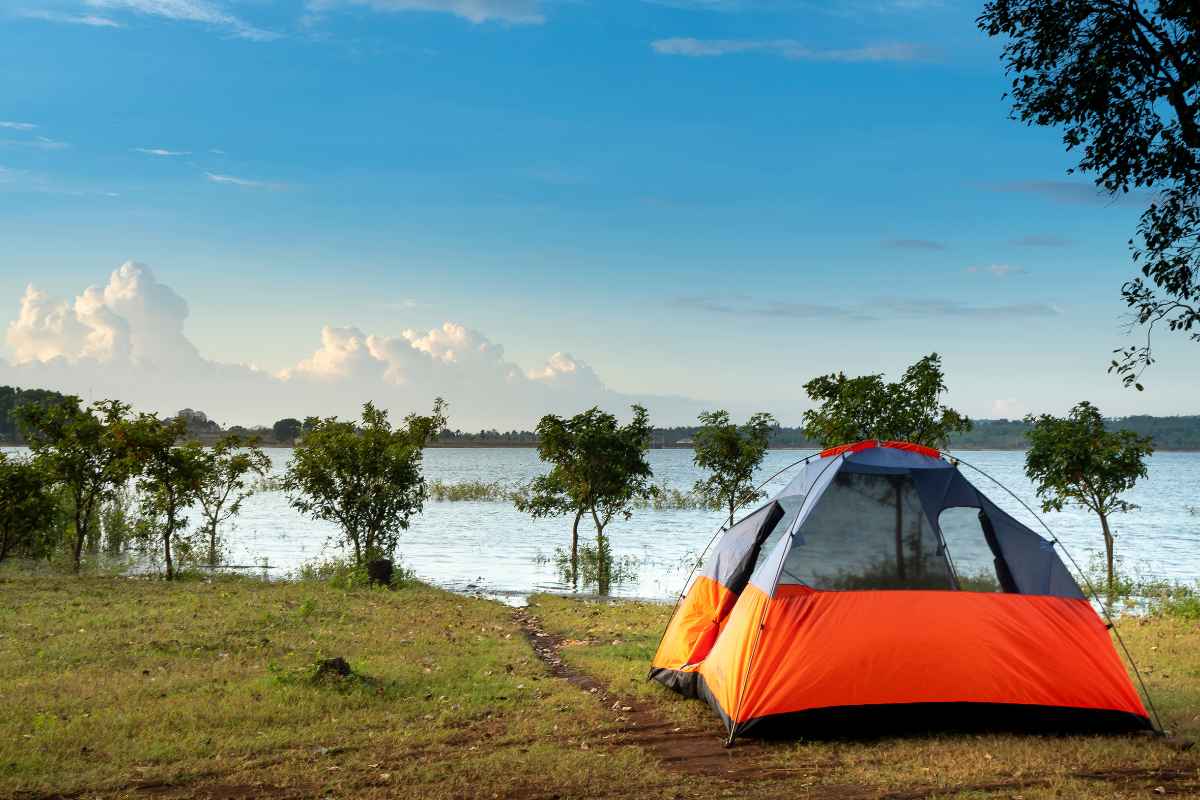
- Set up your tent at least 100 yards from where you cook and store food: Creating a "food triangle" with your cooking area, food storage, and sleeping quarters will minimize the risk of a bear visiting your tent.
- Avoid camping near berry patches or animal trails, as these are natural bear food sources.
Being mindful of your camp setup can make a huge difference in your safety.
4. Keep a Clean Camp
Bears are attracted to the smell of food, so keeping a clean camp is essential for safety. After preparing and eating meals, make sure to clean up all food scraps and cooking utensils. Here’s how to maintain a bear-safe camp:
- Wash dishes and utensils immediately after use: Don’t leave them out overnight.
- Burn food scraps in your campfire or pack them away securely.
- Dispose of trash properly: Use bear-proof trash bins if available, or pack out all waste in sealed bags.
A clean camp is a safe camp, especially when you're in bear territory.
5. Know How to Handle a Bear Encounter
If you encounter a bear while camping, it’s important to stay calm and know how to react. Here's what to do in different situations:
- If the bear hasn't noticed you: Back away slowly without making eye contact. Give the bear space and avoid sudden movements.
- If the bear approaches you: Stand your ground, make yourself look bigger, and speak calmly but firmly. Never run, as this could trigger the bear’s chase instinct.
- If the bear charges: Most charges are bluff charges, but if the bear makes contact, play dead by lying flat on your stomach and covering your neck with your hands.
Understanding how to handle a bear encounter can help you stay safe and avoid provoking the bear.
6. Keep Bear Spray Handy
One of the most effective ways to defend yourself during a bear encounter is to carry bear spray. This powerful deterrent is designed to stop a bear in its tracks if it gets too close. Here are some tips for using bear spray:
- Keep it easily accessible: Store the bear spray on your belt or in an outer pocket of your backpack.
- Know how to use it: Practice removing the safety cap and aiming before heading out. In a real encounter, you may not have much time to react.
Bear spray can be a lifesaver, but only if you have it ready and know how to use it effectively.
7. Be Noise-Aware
Bears are generally more afraid of humans than we are of them. Making noise while hiking or moving around camp can help alert bears to your presence and give them time to move away. Here’s how to make sure you’re noise-aware:
- Talk or sing while hiking to let bears know you’re nearby.
- Clap or make noise when entering areas with limited visibility, such as dense brush or near streams.
- Carry a bear bell: Attach a small bell to your backpack so it jingles as you walk.
Making noise gives bears a chance to avoid you, reducing the likelihood of a surprise encounter.
8. Avoid Cooking Smelly Foods
While cooking outdoors is part of the fun of camping, it’s best to avoid cooking smelly foods in bear country. Foods like bacon, fish, and other strong-smelling ingredients can attract bears from long distances. If possible, prepare these meals in advance or stick to less aromatic options while camping.
Keeping strong smells to a minimum will reduce the chances of attracting curious bears to your campsite.
9. Be Cautious During Dusk and Dawn
Bears are most active during dusk and dawn, so be extra cautious during these times. Avoid hiking or cooking during these hours, and always be aware of your surroundings. If you must be active during these times, make extra noise to alert any nearby bears of your presence.
By staying vigilant during peak bear activity times, you’ll lower your risk of an encounter.
10. Respect the Wildlife
Finally, one of the most important things to remember when camping in bear country is to respect the wildlife. Bears are a natural part of the ecosystem, and it's crucial to keep your distance and avoid interfering with their habitat. Here’s how to show respect:
- Never feed the bears: This encourages them to associate humans with food, increasing the risk of dangerous encounters.
- Observe from a distance: If you see a bear, enjoy the moment but keep your distance.
By respecting the wildlife and following bear safety tips, you can enjoy your camping trip with peace of mind.
Did you find this post useful or inspiring? Save THIS PIN for later in your Outdoor Board on Pinterest! 😊
Explore these outdoor tips too